Chuỗi $Arc :
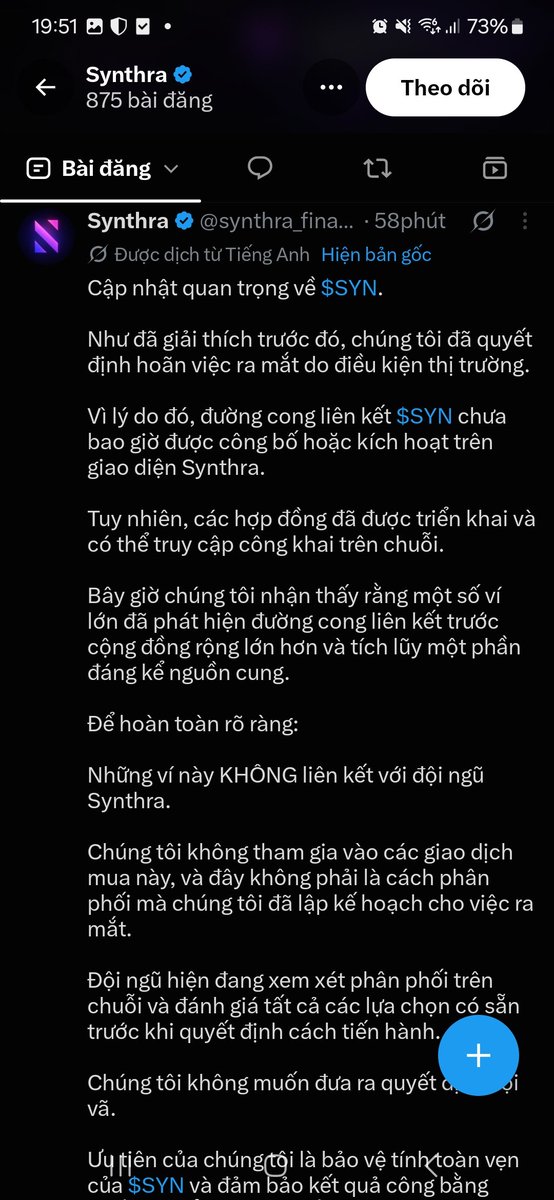
Minara : bơm mạnh rồi xả . Xả xong dev kêu ko phải của tao.
Synthra : câu chuyện cũng lằng nhằng kiểu thế
Tiếp tục $Cool fl bởi 2 dev Circle. con này ra đời lâu rồi mà chính chủ ko nói gì. Giờ sập sâu thì lại bảo tao chưa bao giờ có meme nào.
Robinhood Ecosystem Tier List
The S-tier – Lighter, Delta, Arcus, Index, Bankr, Virtuals – shows the chain is built for perps, tokenized stocks and agents, while B and C are mostly memecoins. Notably absent: Ethereum's DeFi blue chips – Robinhood is building around its own product, not the DeFi stack.
Inspired by 🔗 @RobinHubHB
Chưa thấy hệ sinh thái nào mà mà launchpad nhiều như meme .
Chỉ có $ARC. Tuy nhiên gần như đều rụng hết rồi. Chỉ còn vài cái tên đáng chú ý.
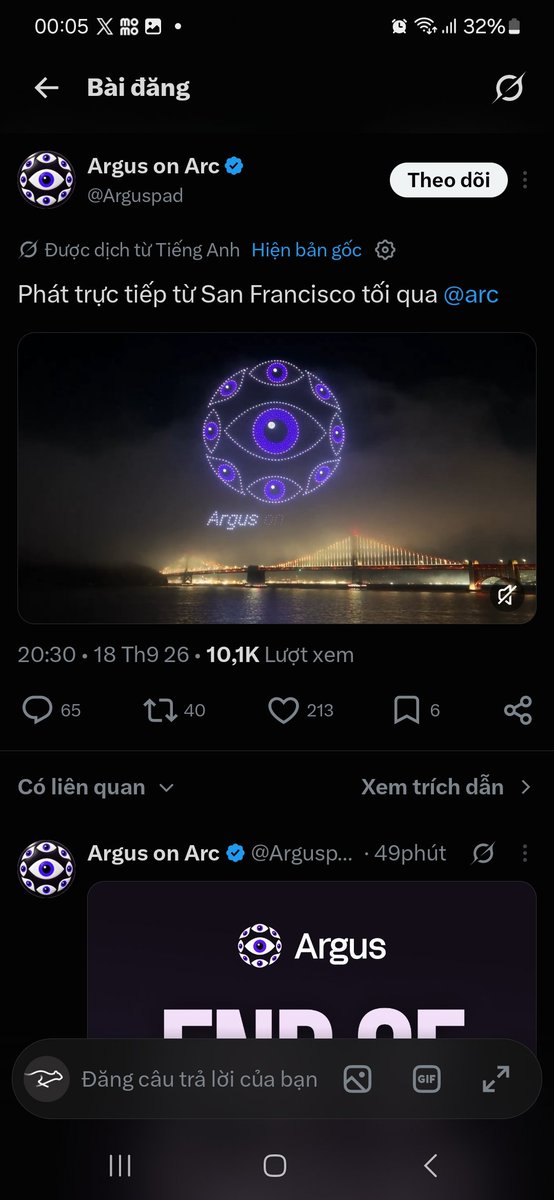
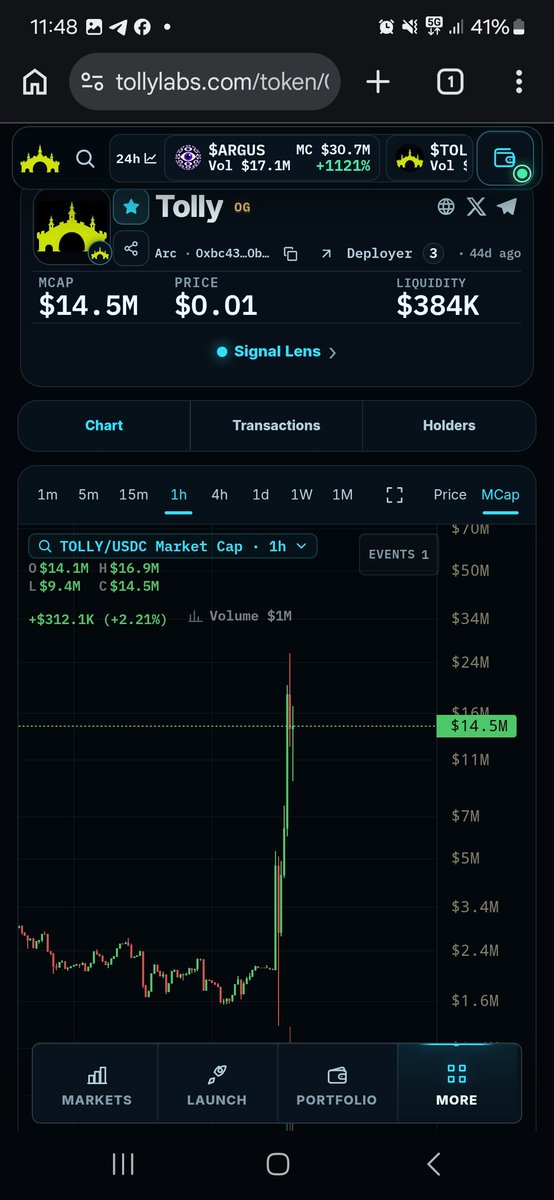
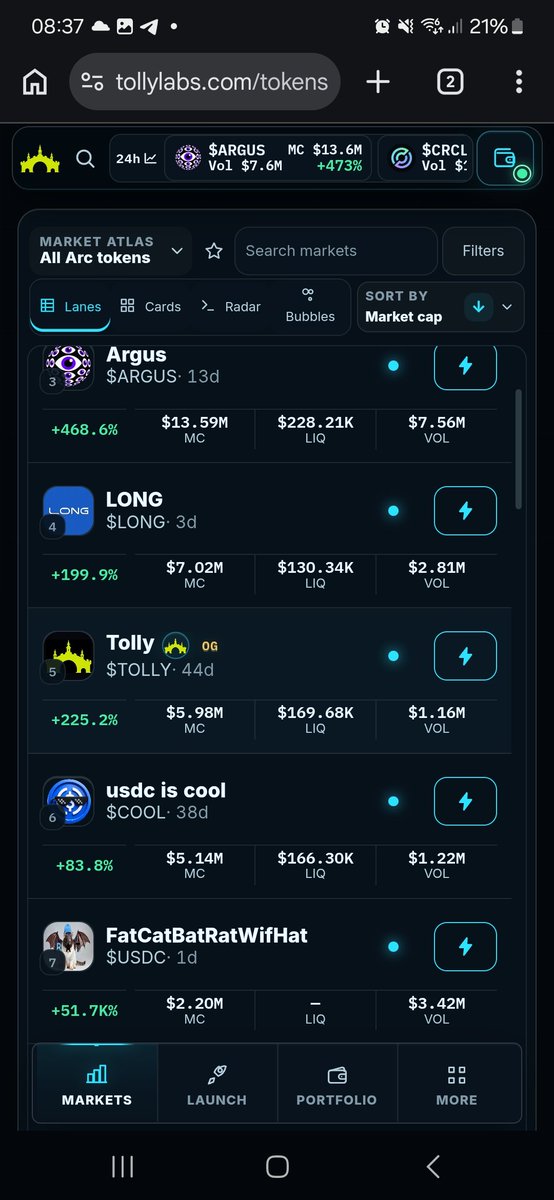
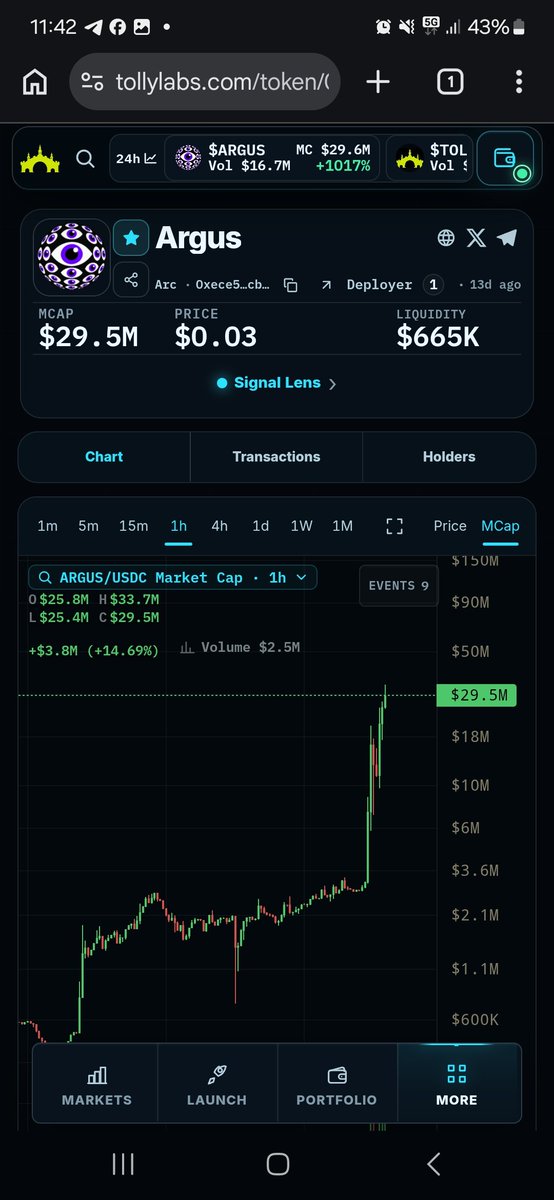
$tolly $argus aka(nft and launchpad)
Arc mainnet went live and almost immediately turned into a launchpad laboratory.
More than 50 platforms appeared in the first wave.
But that number is a little misleading.
They are not all competing for the same users, using the same launch mechanics, or even trying to build the same business.
And now that the initial speculation is cooling, the market is starting to answer the more important question:
Which launchpads can actually retain liquidity once attention moves on?
Here’s how the @arc launchpad landscape is beginning to separate.
—
● The first split is in how tokens reach the market
Some platforms are skipping the traditional bonding-curve model entirely.
Direct-to-liquidity launchpads send tokens straight into locked DEX liquidity from launch.
Examples include:
• @TollyLabs
• @arcpad_meme
The advantage is simplicity. There is no graduation event or liquidity migration later.
The token effectively begins life as a DEX market.
That makes LP structure, fee design and liquidity retention much more important from day one.
—
● Others still use the classic bonding-curve model
Platforms such as:
• @circlewarp
• @arcfunapp
• @ArcToolsBackup
use a more familiar flow:
Launch -> bonding curve -> price discovery -> liquidity threshold -> DEX market
Here, the curve acts as the initial bootstrapping mechanism before the token transitions into normal secondary-market liquidity.
So the competition is partly about where price discovery should happen:
inside the launchpad first, or directly inside the DEX.
—
● A second group is competing on distribution instead of mechanics
Some launchpads are treating attention itself as part of the product.
That includes:
• @Archemistdotfun
• @focidotfamily
• @Ayooclub
• @TheArchfun
These platforms lean more heavily into social discovery, communities and attention-driven launches.
That is a different moat.
If launching a token becomes commoditized, then controlling where users discover the next token can become more valuable than the launch contract itself.
In other words:
Launch infrastructure gets copied but distribution is harder to copy.
—
● Then there is the RWA / stock-linked category
This is where Arc starts becoming more interesting than a generic memecoin launchpad ecosystem.
Platforms such as:
• @ellipsefun
• @Longdotsupply
• @BaseStonk
are extending token launches into stock-linked or tokenized-asset markets.
That creates a different economic model from pure memecoin issuance.
Instead of only launching speculative assets, these platforms can potentially connect new tokens with:
• Stock pairs
• RWA treasuries
• Tokenized collateral
• Asset-backed liquidity
So their success depends less on launch velocity alone and more on whether they can turn speculative demand into persistent RWA activity.
—
● NFTs and collectibles are developing their own lane
Not every platform is competing for fungible-token launches.
@akadotfun, @Omni_Hub and @SharcFun are building around NFTs and collectibles.
That matters because Arc’s launchpad layer is already fragmenting by asset type.
The market is not becoming one giant launchpad category.
It is becoming several specialized distribution markets sitting on the same chain.
—
● Some protocols want to own the whole trading lifecycle
Another group is combining issuance with exchange infrastructure.
Examples include:
• @circlewarp
• @ArcadeSwap
• @ArcDEXScan
Instead of stopping at:
create token -> send it elsewhere to trade
the model becomes:
create -> bootstrap liquidity -> trade -> retain volume
That potentially gives these platforms more ways to monetize each successful launch.
And over time, this distinction could matter more than launch count.
The valuable venue may not be the one that creates the most tokens.
It may be the one that keeps users trading after the launch is over.
—
● Then comes the long tail
Arc also has a much broader group of launchpads experimenting around the same opportunity:
@Arguspad , @liftdotfun , @fazedotfun , @TradePools , @minarafun , @synthra_finance , @arclaunchfun , @Fliptfun , @eve_dot_fun , @Arcanedotfi , @Zyoradotfun , @sashimidotfun , @hopium_gg , @Bullcheese_fun , @actfunxyz , @mysphere , @ubi_fun and others.
That tells you how low the barrier to entry became during the first wave.
But it also creates the market's biggest problem where 50+ launchpads can exist but 50+ launchpads cannot all have deep liquidity.
—
● And liquidity is already starting to make that distinction
The first phase rewarded almost anything associated with the Arc launch.
The second phase has been much less forgiving.
Several early tokens saw sharp drawdowns:
• $LIFT: ~$12M to ~$1.4M
• $LONG: ~$20M to ~$2M
• $MINARA: ~$6M to ~$928K
That does not necessarily mean those platforms are finished.
But it does show how quickly launch-week valuations can disconnect from durable demand.
The market initially priced:
novelty + attention + scarcity
Now it is beginning to price:
users + volume + liquidity retention
That is a much harder test.
—
And this is probably where Arc’s launchpad market gets more interesting.
The first wave was about how many venues could launch.
The next wave will be about how many deserve to survive.
Bonding curves will compete with direct liquidity.
Social launchpads will compete on distribution.
RWA platforms will compete on asset utility.
DEX hybrids will try to retain trading activity after launch.
And the long tail will fight for whatever liquidity remains.
Because ultimately, launchpads are not scarce rather liquidity is.
The first Arc wave priced attention while the next one will price durability.
And that repricing will determine which launchpads become real infrastructure and which ones were simply products of the launch cycle.
$ARC đang bị fud rất nhiều vì dev ấn.
Trong buổi live stream cũng có cả 1 bạn người Việt mà. Đó không phải core team.
Mấy tay Kol chả tìm hiểu gì cứ thấy ai đăng gì thì lại copy đăng lại.
Muốn chửi thề.
Các bác có đăng gì thì đăng nên tìm hiểu kĩ nhé
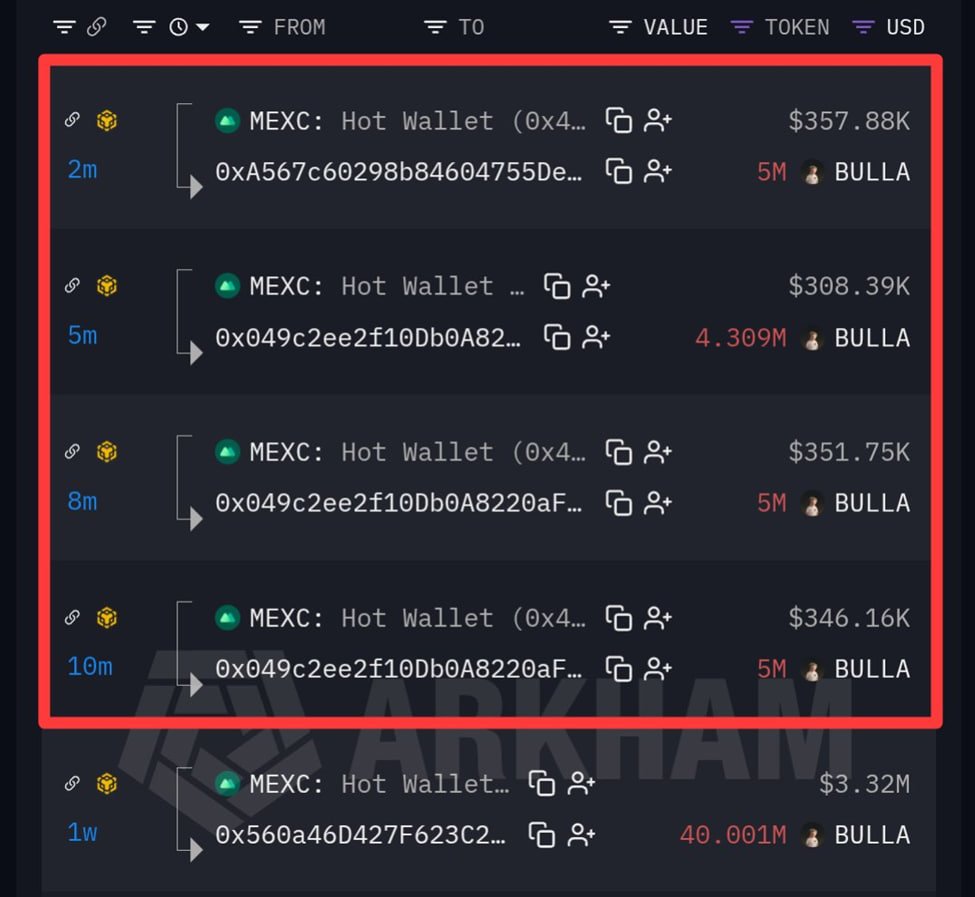
$BULLA đang được whale gom hàng.
Một địa chỉ ví whale đã gom 19.3M $BULLA có giá trị khoảng 1.36 triệu USD từ Mexc trong vòng ít giờ trước.
Có thể ae chưa quên, đây là dự án có mức độ bị lái giá rất crazy trong thời gian trước đây.
Lưu ý, bài viết chỉ mang tính chất cung cấp thông tin, không phải lời khuyên mua bán token được đề cập trong bài.
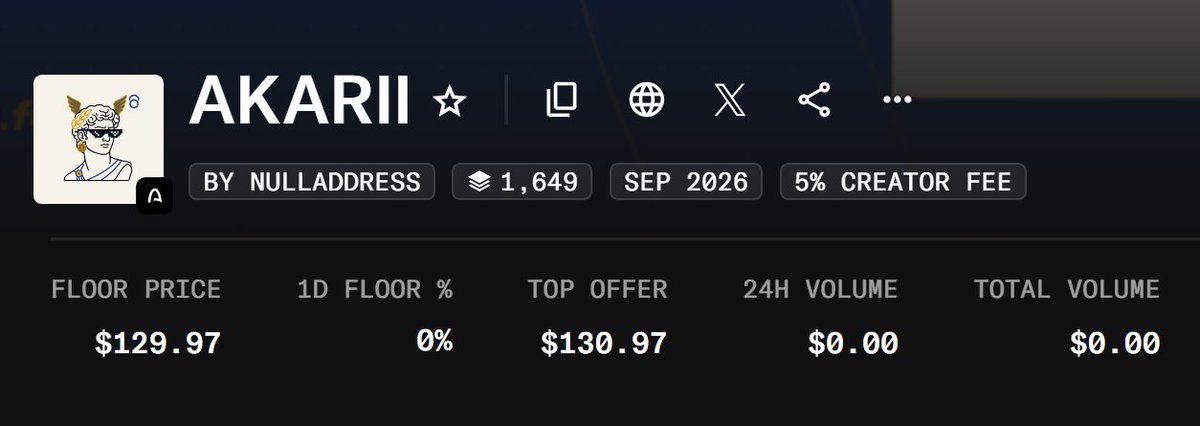
Vừa mint một NFT từ AKA với giá $50/NFT
Dự án vẫn chưa mở trade trên OS nhưng hiện tại giá offer đang ở quanh $130 (x2,5 giá mint)
Nếu dự án này thành công đẩy giá lên $500 thì có thể chúng ta sẽ thấy NFT season trên Arc
Mọi người đang so sánh giữa chuỗi $Arc và $Stable và sẽ sớm tàn như Stable. Tuy nhiên stable làm sao coa thể so với arc được
Gọi vốn : 28m vs 222m
Arc tổ chức con của circle
Stable ko phải tổ chức con của tether
Arc : có validator Blackrock, visa. Mastercard
We thought Polly deserved its own token 👀💜
This is not the official Synthra $SYN token.
It’s the official token of Polly, Synthra’s mascot.
Be aware of scams, and stay safu!
Hi Polly!
$LONG Sau khi rút Lp và bị fud khắp nơi sập về lòng đất giờ lại bơm lại lp và bật lại mạnh mẽ. Nhưng con này quá mạo hiểm dù có bay hay ko thì ko thích
Dev ấn độ
Rút lp rồi bơm lại
Nhái tên bên robinhood
$arc. $argus. $tolly Rất nhiều con hàng đã x5 x10 trong vài ngày. Và x1000 lần kể từ khi ra mắt. Vậy mà anh em Việt Nam vẫn chả có mấy ai quan tâm. Bên Trung Quốc nó chơi cả tháng nay rồi