पारिजात।
यह पुष्प बेहद आकर्षक है। रूप-गन्ध और पौराणिक दृष्टि से। इसे शेफाली या हरसिंगार भी कहते हैं। आख्यान से पता चलता है कि यह पुष्प समुद्र मंथन में मिला था। इन्द्र इसे अपने साथ स्वर्गलोक ले गये जहाँ उर्वशी इसका सानिध्य लाभ कर नृत्य की थकान मिटाया करती थीं।
कथा है कि एक बार रुक्मिणी अपने एक व्रत का उद्यापन करने श्रीकृष्ण सहित रैवतक पर्वत पर पहुंचीं। उस समय देवऋषि नारद वहां से गुजर रहे थे। उनके हाथ में पारिजात वृक्ष का पुष्प था। कृष्ण और रुक्मिणी के साहचर्य से मुदित होकर पुष्प उन्होंने रुक्मिणी को दे दिया। रुक्मिणी ने इस फूल को अपने बालों में लगा लिया।
द्वारका लौटने पर इस दिव्य पुष्प को देखकर श्रीकृष्ण की पट्टमहिषी सत्यभामा ने कहा कि मुझे यह फूल चाहिए। फिर उन्होंने कहा कि फूल तो एक दो दिन में मुरझा जायेगा, इसलिये आप उस वृक्ष को ही ले आयें। जब चाहे फूलों का गजरा बना लिया जायेगा। कृष्ण ने बहुत समझाया लेकिन सत्यभामा न मानीं। तो हारकर कृष्ण को स्वर्ग जाना पड़ा। इन्द्र इस असमय आगमन से घबरा गए। आने का कारण पूछा और जानकर संतुष्ट हुए कि यह साम्राज्यवादी अभियान नहीं है। उन्होंने पारिजात का वृक्ष कृष्ण को दे दिया। धूमधाम से वृक्ष का स्वागत हुआ। लेकिन सत्यभामा ने अगले दिन हंगामा कर दिया- 'यह पेड़ तो मुरझा रहा है।'
सारे यदुकुल में यह समाचार फैल चुका था कि पारिजात नामक दिव्य वृक्ष द्वारका आ चुका है। अब किसी को थकान न होगी। लेकिन जब उन्हें पता चला कि इन्द्र ने एक नकली पौधा देकर यादवों को मूर्ख बनाया है तो वह सब भी भड़क गए। सारे रथी-महारथी लाठी, बल्लम, मुगदर लेकर द्वारकाधीश के दरवाजे पर आ गये। कृष्ण ने सभी वीरों को देखा। बलराम जी एक तरफ हल की मूठ पकड़े फुँफ़कार रहे थे। साम्ब हल हाँकने वाला पैना लेकर आया था। प्रद्युम्न की गोद में अनिरुद्ध भी उपस्थित था और सब कोलाहल कर रहे थे। एक ने कहा कि इन्द्र की इतनी हिम्मत कैसे पड़ी कि वह हम सबको धोखा दे। इसबार उसकी ईंट से ईंट बजा देंगे। कृष्ण को माजरा समझने में थोड़ी देर हुई लेकिन जब उनको बात समझ में आई तब तक सत्यभामा कोपभवन में जा चुकी थीं।
उधर इन्द्र को समाचार मिला कि यदुवंशी नाराज हैं और किसी भी क्षण हमला कर सकते हैं तो वह नारद के पास गये। सबकी जड़ यही देवर्षि थे। पारिजात से परिचय कराने की क्या दरकार थी।
नारद तत्क्षण द्वारका पहुँचे। सबको समझाया कि देवलोक की बात दूसरी है। वह भोग का लोक है। धरती कर्मभूमि है। यहाँ पारिजात दूसरे ढंग से पुष्पित पल्लवित होगा। उसको रोपना पड़ेगा, आल बाल बनाकर सींचना पड़ेगा। कर्मभूमि में बैठे-बिठाये खाने का कोई तुक नहीं है। सत्यभामा को बात समझ में आई। पारिजात रोपा गया। सींचा गया। उसमें खाद डाला गया। समय पर वह पुष्पित पल्लवित हुआ। हर तरफ उसकी सुगंध फैली। सत्यभामा ने उसके फूलों की सेज बनाई। रुक्मिणी ने उससे शृंगार किया। जाम्बवती ने इसे पूजा के लिए सहेजा। सारे यादवों ने हर्षध्वनि की। इन्द्र ने चैन की साँस ली।
पारिजात धरती पर आया तो रात में खिलने लगा और सुबह उसके पुष्प स्वत: झरने लगे। यह एकमात्र ऐसा पुष्प बना जो झरकर भी पवित्र बना रहता है। दैवीय गुणों से युक्त है। नासिरा शर्मा ने इस नाम से एक उपन्यास लिखा है। बंगाल ने इसे राजकीय पुष्प का दर्जा दिया है।
मुझे बहुत प्रिय है।
#Repost
DIPLOMATIC HUMOUR
After the surrender of 93,000 soldiers of the Pakistani Army to the Indian Army in the Bangladesh War in December 1971, the disrupted diplomatic relations between India and Pakistan were re-established through the Shimla Agreement of 1972.
Soon thereafter, an Indian diplomat gets invited for dinner by a high-ranking Pakistani official.
After dinner, the host leads the Indian diplomat to the washroom at his request.
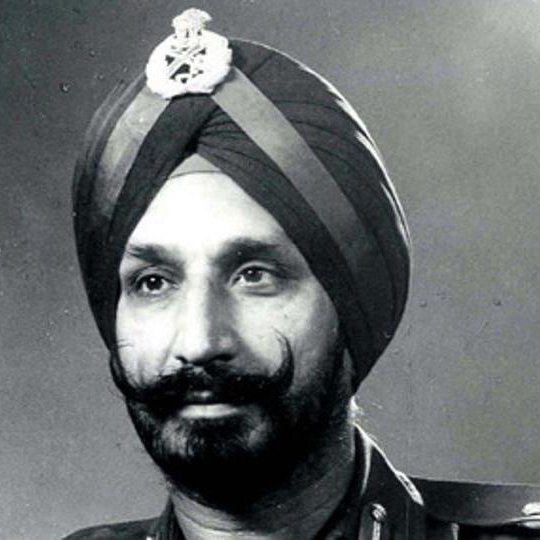
In the washroom, the Indian diplomat notices the photo of General Jagjit Singh Aurora (the hero of the 1971 Indo-Pak war) hung inside the toilet. But he says nothing after he comes out.
Curious, the Pakistani host asks, "Did you see any photo in the toilet?"
The Indian diplomat admits, "Yes, I saw the photo of General Jagjit Singh Aurora inside."
The host’s mischief continues: "Do you have any problem with its placement? If so, we can settle it diplomatically!"
The Indian diplomat answers, "None whatsoever. The placement is perfect. Nothing makes Pakistanis shit faster than the sight of General Jagjit Singh Aurora!"
Two things to consider together:
- India has 23 IITs — all autonomous, with their own priorities, and they rarely work together.
- Bengaluru has around 50,000 IIT graduates and no IIT.
Now, a group of IIT alumni are attempting to change that at 'IIT Alumni Centre Bengaluru' (IITACB) in Bommasandra, on the far edge of Bengaluru.
IITACB is a common ground for all 23 IITs. It is different from the usual models where a research park is owned by the campus that builds it.
This one belongs to all. Each IIT has paid in to use it.
- The oldest IITs, Rs 1 crore each
- The second-generation institutes, Rs 50 lakh
- The newer ones, Rs 25 lakh
In return, each holds a space in the building and access to all of it.
What it creates is a single door. A ministry or a company cannot knock on 23 campuses to find the right laboratory while seeking solutions. So, IITACB puts the request to all of them.
"Whoever raises their hand first, that project goes there," says Ashok Misra, its president and a former director of IIT Bombay.
Things are already up and running. Its accelerator picks 10 AI startups:
- gives each Rs 10 lakh
- takes no equity
- leaves intellectual property with founders
- runs 16 weeks of mentoring at 90 mins a week
- the best can get up to Rs 1 crore after
And because an algorithm is useless without the data to train it on, in August IITACB also built Tathyakosh — an open catalogue of more than 1.5 million datasets from 458 repositories, rated for quality and given away free.
--------------------
But the problems the old hands keep returning to are heavier.
- China supplied about 90 per cent of India's imports of metal permanent magnets in 2024-25, and fixing that needs metallurgy, materials, manufacturing and machine learning in one room, which is more than any single campus holds.
- Ramesh Rao Nidambur, an alumnus who spent his career on welding and fabrication for defence, nuclear, and aerospace work, worries that the country has grown so enchanted with software that it has forgotten who makes things.
- Dr Shyam S Rao, a metallurgist from IIT Bombay class of 1985, says Atmanirbharta cannot end with assembly, because the core knowledge stays with somebody else.
--------------------
Most of these alumni are in their seventies and eighties. None of them draws a salary, and Ashok Kamath, who runs it as secretary, calls the work a debt of honour.
Raj Varadarajan is 83. IIT Madras, mechanical engineering, 1966. He tells one story to show how difficult it was to start the habit of giving back.
In the 1980s, IIT alumni in America put in $500 each, raised $25,000, and bought 13 personal computers, one for every hostel at their old institute.
Two years later the machines were still stuck in customs. The director of the day wanted to know why the alumni were troubling him, since now he would have to house the computers and cool the rooms they were kept in.
The institutes have travelled far since. In 2023-24, IIT Madras and its associated entities raised Rs 513 crore. Rs 367 crore of that came from alumni alone, and the habit of giving has taken hold.
--------------------
Against 50,000 alumni in the city, the Centre has about 300 members, and a floor of desks paid for by the institutes sits largely empty.
The ambition at IITACB is that instead of Indian projects going to universities overseas, they should go to the IITs.
@astrokaran writes this feature after he spent a morning at the Centre. He reports what these veterans are betting they can do in the next five years, and why one founder there thinks the air conditioner has been the wrong machine for a century.
Read below.
https://t.co/wXnpx4tH19
🔥 101 वर्ष… 17.5 करोड़+ प्रतियाँ… 100% विज्ञापन-मुक्त — यह है 'कल्याण'! 📖✨
गीताप्रेस, गोरखपुर की विश्वप्रसिद्ध पत्रिका 'कल्याण' अपने 101वें वर्ष में प्रवेश कर रही है — और इस बार प्रस्तुत है विशेष राष्ट्रभक्ति-अंक! 🇮🇳🔱
इसमें सम्मिलित होंगी:
✅ राष्ट्रधर्म और भारतीय संस्कृति पर गहन सामग्री
✅ विश्वबन्धुत्व की प्रेरणादायक विचारधारा
✅ अमर बलिदानियों की शौर्यगाथाएँ
🎁 विशेष उपहार: अभी सदस्यता लें तो वर्ष 2026 के अक्टूबर से दिसम्बर के तीन मासिक अंक निःशुल्क!
🌐 https://t.co/8Q4G1rCm0f
💬 कमेंट में बताइए — आप कल्याण के कितने पुराने पाठक हैं? 🙏
👥 उस व्यक्ति को टैग करें जिसे कल्याण की सदस्यता भेंट करना चाहते हैं!
#कल्याण #Kalyan #KalyanMagazine #कल्याणपत्रिका #राष्ट्रभक्तिअंक #गीताप्रेस #GeetaPress #GitaPress #गीताप्रेसगोरखपुर #GitaPressGorakhpur #SanatanDharma #सनातनधर्म #101Years #शतवर्ष #भारतीयसंस्कृति #IndianCulture #राष्ट्रभक्ति #Patriotism #भारतमाता #BharatMata #धार्मिकपत्रिका #Subscription #सदस्यता #सद्साहित्य #गोरखपुर #Gorakhpur #HindiMagazine #AdFree
नीति के साथ प्रीति आवश्यक है, और स्वार्थ के साथ परमार्थ
-- Jagadguru Shankaracharya Swami Nischalananda Saraswati Ji
In the above statement, Pujya Gurudev expresses a broader principle:
Human life and social order should not be built by choosing one side of a duality and destroying the other, but by bringing the two into proper coordination (सामंजस्य).
“नीति के साथ प्रीति” — why morality needs affection
Here नीति (nīti) means more than clever policy. It implies righteous, appropriate and disciplined conduct (conduct that produces one's welfare without harming others). Classical discussions of nīti explicitly connect it with justice and the maintenance of social order.
नीति without प्रीति → cold righteousness / rigidity
प्रीति without नीति → sentimental indulgence
नीति + प्रीति → benevolent righteousness
This is why the combination is important.
It does NOT mean “be nice instead of enforcing dharma”
This distinction is especially important.
“प्रीति” does not mean that one should tolerate wrongdoing because one loves someone.
For example, a king may love his citizens, but that love does not mean allowing criminals to harm them. दण्ड भी प्रीति से प्रेरित हो सकता है, when the purpose of punishment is protection and restoration of order rather than hatred or revenge.
This is consistent with the traditional understanding of nīti, in which protection of society, punishment of offenders, administration, defence and social order are all part of righteous governance.
So the ideal ruler does not think:
“I love everyone, therefore I will never punish anyone.”
He thinks:
“Because I genuinely care for the whole, I must sometimes restrain the individual who harms the whole.”
That is नीति के साथ प्रीति.
**********************************************
The second half concerns the relationship between individual welfare (स्वार्थ) and the welfare of others/the whole (परमार्थ).
“स्वार्थ के साथ परमार्थ” — this is equally important
Gurudev's conception is not:
“Destroy your own interests for everybody else.”
Nor is it:
“Pursue your own interests regardless of everybody else.”
Rather:
Legitimate self-interest should be harmonized with the welfare of the larger whole.
This has a very important philosophical consequence.
Your welfare and society's welfare are not supposed to be permanent enemies.
For example:
You need wealth → स्वार्थ
Your wealth-producing activity provides useful goods/services and employment → परमार्थ
You need education → स्वार्थ
Your knowledge subsequently benefits others → परमार्थ
You need physical security → स्वार्थ
You contribute to protecting society → परमार्थ
Thus one action can contain both dimensions.
**********************************************
The deeper principle: व्यष्टि + समष्टि
This connects closely with the broader terminology found in Gurudev's teachings:
व्यष्टि = the individual
समष्टि = the collective/whole
A healthy social philosophy does not sacrifice the vyashti to the samashti, nor does it allow the vyashti to consume the samashti.
It seeks their समन्वय (coordination).
स्वार्थ को परमार्थ से जोड़ो।
Your personal advancement should become capable of contributing to the advancement of others.
Thus the objective is not necessarily:
स्वार्थ समाप्त करो
but:
स्वार्थ को परमार्थ से सम्बद्ध करो।
**********************************************
नीति + प्रीति
concerns how we conduct ourselves toward others.
स्वार्थ + परमार्थ
concerns what we seek through our actions.
The ideal is:
नीति में प्रीति हो और प्रीति में नीति हो।
स्वार्थ में परमार्थ हो और परमार्थ में स्वार्थ का उचित संरक्षण हो।
That is much more sophisticated than simply saying “be moral” or “serve others.”
His idea is therefore not “individual vs society”
This is perhaps the most important philosophical point.
Modern political thought often begins with a potential conflict:
Individual interest ↔ collective interest
Gurudev's framework attempts to resolve that conflict by changing the relationship itself:
Individual welfare should be structured so that it contributes to collective welfare, while collective welfare should protect legitimate individual welfare.
So:
व्यष्टि का अभ्युदय → समष्टि का अभ्युदय
and
समष्टि का अभ्युदय → व्यष्टि की सुरक्षा और उन्नति
This is why his broader social vision emphasizes both the individual and society, rather than treating either one as disposable.
**********************************************
The ultimate philosophical foundation
From a Dharmic perspective, the deepest reason this works is that the individual is not conceived as an absolutely isolated entity.
The person has obligations arising from relationships:
देव → ऋषि → पितर → मनुष्य → भूत
and more generally from one's position within family, society, nature and the larger cosmic order.
The question becomes:
“How can what I legitimately seek for myself be integrated into a larger order of mutual welfare and Dharma?”
That is the philosophical depth behind “स्वार्थ के साथ परमार्थ।”
And correspondingly:
“How can my commitment to Dharma remain animated by genuine goodwill rather than becoming dry legalism or hostility?”
That is “नीति के साथ प्रीति।”
Puri Shankaracharya Ji's principle can be understood as:
Do what is right, but do it with goodwill; pursue your legitimate welfare, but pursue it in a way that becomes beneficial to the larger whole.
नीति, प्रीति, स्वार्थ and परमार्थ should not be understood as four independent ideals (they are meant to be समन्वित, not isolated).
Shakti is core. Meat is not.
The core of Shaktism is Devi as Shakti. Meat or pashu bali is part of the ritual practice of particular traditions, not the defining principle of Shakta Dharma.
In Shakta practice, offerings depend upon adhikara, achara, sampradaya, deshachara and the particular form of Devi being worshipped.
Some traditions prescribe meat and pashu bali. Others prescribe niramisha or sattvika offerings.
Even bali can take different forms, including animal sacrifice as well as substitutes such as kushmanda (pumpkin), coconut or other prescribed offerings.
This distinction is visible within Devi worship itself. The rituals associated with Kali or certain forms of Chandika need not be the same as that followed for Lakshmi, Saraswati, Annapurna or other manifestations of Shakti.
So yes, meat and pashu bali have genuine scriptural and historical places within particular Shakta traditions. Denying that would be equally wrong.
But going from “some Shakta traditions prescribe meat” to “meat is core to Shakta Hinduism” is a gross generalisation.
Example:
Samayachara and Dakshinachara Sri Vidya are very much part of the Shakta tradition, yet their worship of Devi as Lalita Tripurasundari can be completely vegetarian.
The focus is on mantra, Sri Chakra puja, japa, meditation and sattvik offerings, not meat or pashu bali.
These traditions have been practised for centuries across Tamil Nadu, Karnataka, Andhra Pradesh, Telangana and Kerala, and the Sri Vidya tradition is also closely associated with Adi Shankaracharya, particularly through the Saundarya Lahari and later Shankaracharya traditions. Important centres include Kanchipuram and Sringeri.
So being Shakta does not automatically mean meat or animal sacrifice.
सूर्यवंश और चंद्रवंश: 12 कलाएँ vs 16 कलाएँ
श्री राम और श्री कृष्ण में क्या अंतर है? | स्वामी निश्चलानंद सरस्वती जी
"ब्रह्मा जी का नाम क्या है? स्वयंभू।
'स्वयं' का अर्थ है विष्णु भगवान परमात्म। स्वयं कृष्णस्तु भगवान स्वयं। और 'स्वयं प्रभु' किनके लिए कहा गया? राम जी के लिए।
वाल्मीकि रामायण ने रामभद्र को कहा 'स्वयं प्रभु'। और भागवत के अनुसार कृष्ण भगवान 'कृष्णस्तु भगवान स्वयं'। पंचदशीकार ने 'स्वयं' शब्द का अर्थ क्या है—परमात्मा या आत्मा। आत्मा के अर्थ में 'स्वयं' शब्द का प्रयोग होता है।
राम जी के लिए 'स्वयं' शब्द का प्रयोग वाल्मीकि रामायण में है और श्रीमद्भागवत में कृष्ण जी के लिए 'स्वयं' शब्द का प्रयोग है—'स्वयं प्रभु', 'कृष्णस्तु भगवान स्वयं'। लक्षण साम्य से, वस्तु साम्य की दृष्टि से विचार करें तो राम जी भी पूर्ण ब्रह्म हैं, कृष्ण भगवान भी पूर्ण ब्रह्म हैं... पूर्ण ब्रह्म!
लेकिन जब दोनों के भक्त मिलते हैं, सात्त्विक मनोरंजन करते हैं, तब कृष्ण भगवान के भक्त बड़े चुलबुले होते हैं। कृष्ण भगवान क्या हैं? नटवर वपु... नटखट थोड़े, लीला पुरुषोत्तम हैं ना। उनके भक्त चुलबुले होते हैं, वह चिढ़ाते हैं राम जी के भक्तों को। अंदर से नहीं, बाहर से चिढ़ाते हैं—"आपके राम जी 12 कला संपन्न हैं, और मेरे कृष्ण जी 16 कला संपन्न हैं! 12 के बाद 13, फिर 14, फिर 15, फिर 16... चार कला अधिक हैं हमारे कृष्ण भगवान।"
अब बेचारे राम जी के भक्त ऐसे-ऐसे सब, फिर और चिढ़ाते हैं—"देखिए, राम जी के हाथ से मारे हुए भी मोक्ष नहीं प्राप्त करते। तीन जन्म द्विजत्व न पाना, मुकुत न भयि हते भगवाना। रावण आदि को मार तो दिया, लेकिन प्रतिबंध का निवारण ही हुआ, न कि मोक्ष मिला। समग्र प्रतिबंध का निवारण नहीं हुआ। और हमारे कृष्ण भगवान के हाथ से जो मरते हैं, वे मोक्ष प्राप्त कर लेते हैं। इसलिए राम जी की अपेक्षा हमारे इष्टदेव कृष्ण बड़े हैं।"
अब यह भी तात्विक विनोद है। इसका उत्तर क्या है जी? 12 कला में सूर्य पूर्ण होते हैं। 12 जो है, वह न्यूनता का द्योतक नहीं है, 12 में पूर्णता है। 12 माशा का एक तोला, एक तोले का एक रुपया होता था ना, और 16 आने का... पहले 12 और 16 में एकता हो गई थी न पहले? 12 माशा का एक तोला, एक तोले का एक रुपया, ₹1 में 16 आने... पुराना हिसाब यही है ना।
तो जिसको 12 कहा उसी को 16 कहा या नहीं? लेकिन 12 और 16 में अंतर हो गया या नहीं? चार का अंतर हुआ, लेकिन वस्तु में कोई अंतर नहीं है। इसी प्रकार से भगवान राम चूंकि सूर्यवंश में अवतीर्ण हुए, इसलिए उनको कहा गया द्वादश कला संपन्न। और श्री कृष्ण भगवान चन्द्रवंश में अवतीर्ण हुए, चन्द्रमा पूर्ण होते हैं षोडश कला को लेकर, तो चन्द्रवंशी होने के कारण श्री कृष्णचन्द्र को षोडश कला संपूर्ण कहा गया।
प्रश्नोपनिषद में ब्रह्म की पूर्णता 12 कला नहीं, 16 कला को लेकर है। तो राम जी भी, कृष्ण जी भी, 'कृष्णस्तु भगवान स्वयं', 'स्वयं प्रभु' के अनुसार पूर्ण परमात्मा के द्योतक हैं।"
Many people think that because his issue is legitimate, we should simply ignore the ideology behind it.
And, ladies and gentlemen, that is precisely the trap.
Our lot in the 1930s and 1940s didn’t have today’s obsession with “ideological purity.” They believed they were supporting people, causes and grievances and that the ideology behind them could simply be ignored.
Except they eventually faced a terrible tragedy called Partition.
The uncomfortable truth is that they weren’t always merely supporting people; they were, sometimes unknowingly, lending legitimacy to an ideology. Many didn’t fully understand what they were aligning themselves with, and yet they still ended up paying an enormous price for the consequences.
And the most tragic irony? Some of them didn’t even endorse that particular aspect of the ideology.
History has a rather brutal way of teaching us that good intentions do not neutralise bad ideologies, and sympathising with a legitimate grievance does not make the ideology attached to it harmless.
Intentions, sympathies and consequences are three very different things.
🦚💙 Wishing everyone a very Happy & Blessed Janmashtami! 🙏✨ May Lord Krishna fill your hearts and homes with love, peace and joy. RT Pls
https://t.co/yChgx8Uion
कुछ उन लोगों के लिए लिख रहा हूँ जिनके मन में कभी न कभी यह खयाल आया होगा कि एक रेस्तराँ खोलना चाहिए। फिर अगला सवाल आता है कि खोलें तो क्या खोलें? छोले-भटूरे, डोसा, चाट, पनीर, कबाब, बिरयानी?
हमारी कल्पना घूम-फिरकर लगभग इन्हीं चीज़ों के आसपास आकर रुक जाती है। बात भी गलत नहीं है, आदमी घर का खाना खाते-खाते ऊब जाता है तो बाहर खाने जाता है, लेकिन मज़ेदार बात यह है कि बाहर जाकर भी वह वही दस-पंद्रह चीज़ें खाता है जो हर दूसरे रेस्तराँ में मिल रही हैं।
लेकिन पिछले कुछ दिनों से मेरे मन में एक दूसरी बात चल रही है। बाहर के खाने को छोड़िए, हमारे अपने घरों में भी अब वह बहुत कुछ बनना बंद हो गया है जो हमारी माँएँ बनाया करती थीं।
हमारे यहाँ अम्मा ककोड़े बनाया करती थीं। अब मुझे नहीं मालूम कि आप में से कितने लोगों ने पिछले दस-पंद्रह साल में ककोड़े खाए हैं, लेकिन मुझे तो किसी रेस्तराँ के खाने की सूची में वे याद नहीं पड़ते। इसी तरह ग्वार की फली बनती थी, लेकिन केवल मसाला डालकर नहीं; अम्मा उसमें बेसन लपेटकर उसे हल्का सा तलती थीं और फिर मसाले के साथ बनाती थीं।
कटहल भी बनता था और कटहल बनाने के भी कई तरीके थे। उसके टुकड़ों को पहले हल्का सा तल लिया जाता था, कभी थोड़ा बेसन या सूजी लगाकर उसे कुरकुरा किया जाता था और कभी उसकी रसेदार सब्ज़ी बनती थी। आजकल कटहल को बेचने के लिए उसे न जाने क्या-क्या नाम दे दिए गए हैं।
कमल ककड़ी, जिसे हमारे यहाँ मुरार भी कहते थे, अब दिखाई ही कहाँ देती है। भरवाँ करेले का भी यही हाल है; आज किसी अच्छे रेस्तराँ में जाकर कहिए कि भरवाँ करेला खिलाइए तो संभव है वह खाने की सूची दोबारा आपके हाथ में पकड़ा दे। कचनार की कलियाँ, रतालू और ऐसी जाने कितनी चीज़ें थीं जो कभी सामान्य भोजन थीं और धीरे-धीरे हमारे खाने से ही गायब होती चली गईं।
और फिर आती है घुइयाँ। यह एक ऐसी सब्ज़ी है जिसके साथ मेरा रिश्ता बचपन से ही बड़ा पेचीदा रहा है, क्योंकि पिताजी को घुइयाँ बहुत पसंद थी और मुझे बिल्कुल नहीं। पिताजी हम से कहा करते थे, “लफंडर, तुम्हारे चक्कर में तुम्हारी अम्मा घुइयाँ बनाती ही नहीं हैं।” अब अम्मा करें तो क्या करें, एक तरफ पति हैं जिन्हें घुइयाँ पसंद है और दूसरी तरफ बेटा है जो घुइयाँ देखते ही खाना छोड़ने को तैयार बैठा है।
अम्मा ने आखिर इसका भी रास्ता निकाल लिया। एक दिन उन्होंने बहुत कुरकुरे आलू बनाए, ऊपर नमक और लाल मिर्च डाली और हमारे सामने रख दी; हमने खाई तो बड़ी अच्छी लगी, बस स्वाद आलू से थोड़ा अलग था। पूछा कि यह कौन सा आलू है तो अम्मा ने बड़े आराम से बता दिया कि पहाड़ी आलू आया हुआ है। कुछ दिन हम पहाड़ी आलू बड़े मज़े से खाते रहे, फिर हमारे दिमाग में आया कि आलू तो अक्सर हम खुद लेकर आते हैं, यह पहाड़ी आलू घर में आखिर आ कहाँ से रहा है।
राज एक दिन पिताजी ने खोला कि बेटा, जिसे तुम इतने दिनों से पहाड़ी आलू समझकर खा रहे हो वह घुइयाँ है। इस तरह अम्मा ने हमें घुइयाँ खिला दी, हालाँकि समझौता यह रहा कि हम उसकी तली हुई शक्ल खाएँगे और पिताजी उसकी रसेदार सब्ज़ी खाएँगे।
उसकी रसेदार सब्ज़ी में राई और सरसों के तेल का स्वाद होता था, लेकिन वह थोड़ी चिपचिपी होती थी और वह बात मेरे बचपन के दिमाग में कभी ठीक से बैठी नहीं। पिताजी को वही बहुत पसंद थी और हम अपनी तली हुई घुइयाँ में प्रसन्न थे।
बेसन के गट्टे का तो मैं क्या ही लिखूँ। बेसन के गट्टे की सब्ज़ी के ऊपर तो मैंने पूरी कहानी लिख डाली थी, क्योंकि वह मेरे लिए केवल एक सब्ज़ी नहीं है बल्कि अम्मा की उन यादों में से एक है जिन्हें भोजन से अलग करके देख ही नहीं सकता। बीमारी के बाद भी उनका सबसे पहला सवाल यही रहता था कि खाना खा लिया, और बाद के दिनों में जब उन्होंने मुझे अपने हाथ से खाना बनाना सिखाया तो गट्टे की सब्ज़ी मेरे लिए स्वाद से कहीं आगे की चीज़ बन चुकी थी। शायद जिसने वह कहानी पढ़ी होगी, उसे समझ में आएगा कि किसी एक मामूली सी सब्ज़ी में कभी-कभी आदमी की आधी जिंदगी कैसे रखी होती है।
असल में हमारी माँओं का खाना केवल व्यंजनों की सूची नहीं था। किसी सब्ज़ी के साथ पिताजी की पसंद जुड़ी हुई थी, किसी के साथ बच्चे की जिद, किसी के साथ मौसम, किसी के साथ त्योहार और किसी के साथ वह दिन जब घर में ज्यादा कुछ नहीं था तो उसी से भोजन बन गया।
तो मेरे मन में यह विचार आया कि कोई इन सबको लेकर एक अच्छा, ऊँचे स्तर का रेस्तराँ क्यों नहीं खोलता। ध्यान रहे, मैं किसी बनावटी “देसी ढाबे” की बात नहीं कर रहा हूँ जहाँ दीवार पर टूटी चारपाई लटका दी, पीतल का लोटा रख दिया और समझ लिया कि गाँव तैयार हो गया। मैं एक खूबसूरत, सलीकेदार, अच्छे स्तर के रेस्तराँ की बात कर रहा हूँ जहाँ खाने की सूची में वही सब्ज़ियाँ हों जो धीरे-धीरे हमारे घरों से चली गईं।
"In his 1994 book Descartes’ Error, neuroscientist Antonio Damasio uses the fruits of a lifetime’s work to demolish the notion that anything like an abstracted ‘reason’ existed. Reason, he showed, was intimately connected to emotion; one could not exist without the other... Reason, it turned out, was not a superior alternative to intuition, emotion or instinct, but a manifestation of it. There could be no mind without the body; no unprejudiced ‘concepts’ or unpolluted ‘models’ of reality. There could, in short, be no Reason without the messy world it was embedded in.
But if Reason as a thing in and of itself is nonexistent, then any culture built on its back must, in the end, fail. Awkwardly, this takes in not only Bezos’s Star Trek future but most of the modern world as well, including pretty much the entirety of the modern West. It includes not only the great globe-spanning economic system which is currently eating the Earth alive, but also all of our rational, topdown clever-clever proposals for ‘saving’ it, and every abstract ideological proposition that modernity has produced, from Marxism to neoliberalism. The entirety of the system of global governance and the ‘laws’ of classical economics, based as they are on notions of humans as rational actors weighing up their enlightened self-interest and deciding accordingly between Pepsi and Coke, is also holed below the waterline.
Liberal modernity, in short, is doomed. If this is true, then another conclusion also suggests itself: that older ways of seeing and speaking—mythology, folk cultures and the mystical underpinnings of religious faith—might have been on to something after all. The standard choices presented to us—reason versus superstition, progress versus barbarism, past versus future, Earth versus space, growth versus stasis—were always chimeras. The choice is not between ‘going forward’ or ‘going back’, but between working with the complexity of human and natural realities, in all their organic messiness, or attempting to supersede them with abstractions which can never hope to contain them."
Paul Kingsnorth (Against the Machine: On the Unmaking of Humanity)
That doesn’t make lentils bad source of protein. It indicates need for improvement in cooking methods.
And speaking of bioavailability dairy has excellent bioavailability. It is also essential for development for kids. More so than eggs. And yet it’s missing in that dish. Only a fools can believe that propaganda.
At some point, someone has to respond to this garbage, so allow me @priyankac19 and excuse my French, but what the fuck @ReallySwara ?
Jauhar was not a TED Talk about chastity. It was not a family honour killing. It was not a rape survivor being told to die. It was women looking at a breached fort and an incoming force whose habit, on the record, was to convert the women of a defeated court into harem stock. Kamala Devi of Gujarat did not “move on.” She was taken. Deval Devi was taken later and passed through that court like loot with a pulse. That is the second room in the house you keep deleting so your question can sound holy.
“Does a rape survivor not deserve to live after rape?”
Yes. In 2026. With a phone, a statute, a court, a hospital, a city to run to. Congratulations on discovering the Indian Constitution.
Now explain what that sentence has to do with women who had already lost the state. There was no FIR against Khalji. There was no Delhi to escape to. There was no climax dance where the vice-chancellor gets shamed and the credits roll. The state was the rapist. You are comparing a woman who can still leave the room to women whose room was the last room.
You shouted “chii” at a pregnant belly and decided the film was saying a girl child should not be born because a Muslim king might rape her. That is not analysis. That is you stuffing your column into someone else’s uterus. The shot is a woman who knows the child will not be born into a family. It will be born into inventory. You turned a funeral into a communal talking point and called the funeral the problem.
Then you asked what we are choosing to glorify.
Fine. Let’s use your scale.
You spent a career demanding that cinema stare at female sexuality without flinching. In Veere Di Wedding the country was asked to sit through you with a vibrator while your on-screen husband walked in. You defended it. You said it should shock people into laughter, not disgust. You said women are more than their private parts, in the same breath as the scene that made your private parts the poster. When you put sex on screen, it is agency. When Rajput women refuse to hand their sex to the men who just killed their city, you felt “reduced to a vagina.” That letter was not a theory of personhood. It was a tantrum about which vagina the camera is allowed to serve.
You keep saying the film tells survivors they are cowards for living. No. You are telling dead women they are cowards for refusing a harem. That is the inversion. A survivor who lives today is not a coward. A woman who walked into fire rather than become a concubine of the man who sacked her fort was not a coward either. Both things can be true because they are not the same event. You flattened them on purpose. A flattened event is easier to moralise. It is also a lie.
Nobody is asking modern India to revive jauhar. The film carried a disclaimer. History is allowed to be shown as history. What you want is a rule that the only permitted female death on screen is the kind that flatters your politics, and the only permitted female sex is the kind that flatters your brand.
So here is the actual simple question, since you asked for one:
When the choices are ash or a lifetime as sexual property of the men who just finished the massacre, and some women choose ash; who is the barbarian? The women in the fire, or the commentator in Delhi calling them a bad message for rape statistics?
You don’t get to loot their context, rename their refusal “chastity culture,” and then pose as the only adult in the room who cares whether survivors live. Survivors should live. The women in that scene were trying not to become the next consignment. If that distinction is too fine for you, the problem is not Padmaavat. The problem is that you need history to be a poster.
Historian KS Lal's research concludes that the average life expectancy of a Hindu woman in Muslim harems was 1 year.
A Hindu noble woman was raped by the Sultan, his brothers, then his generals and finally passed over to their homosexual servants. Most women would succumb to deep tearing and internal sexual organ damage.
What bravery is it to live this life, Swara? I am sure you would know.
I’ve never been a fan of Mrs Funnybones. When I first encountered her writing in my early 50s, reading someone who sounded like a character out of Enid Blyton wasn’t particularly inviting, and I found the content rather puerile to match.
The subjects she chose to write about, and the way she wrote about them, often reminded me of my Anglo-Indian teachers in primary school - many of whom waiting to leave for the UK, Australia or Canada. They would look at us and ask, “Tum log aisa kyun karta?”
There is something of a memsahib in her voice: someone who would rather be elsewhere, yet gets by in India without really understanding, or perhaps choosing not to understand: its history, geography or everyday life, except from the airport on the way in or out, or through the tinted glass of a car.
You know, a smattering of this, that and whatever.
And this latest Mughal Empire, Shahi Masala piece rather confirms the impression.
Bollywood Bimbo strikes again.
Twinkle Khanna @mrsfunnybones says Mughals invented Kofta, Korma and Kabab so we have no right to eat them.
Someone tell this 20 IQ Moron. Koftas and Kormas are ancient Persian dishes that existed BEFORE Islam.
Mughals were beggars who lived in tents before coming to India.
Vast majority of Chagatai Turks/Mughals used to eat insects and locusts in their native homeland before coming to India.