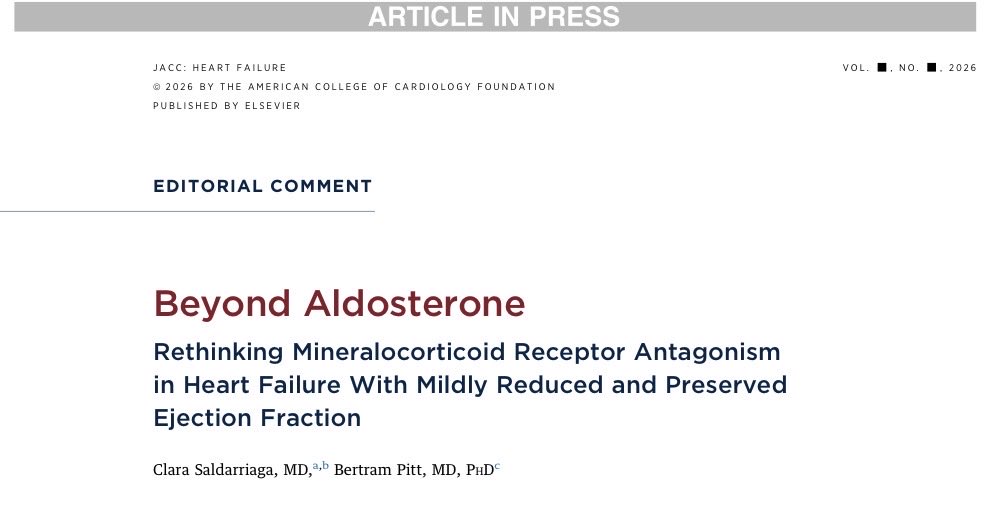
We had the priviledge of authoring this editorial for @JACCJournals on Secondary analysis of SOGALDI - PEF with Professor Bertram Pitt. https://t.co/aNYyCrofc1
"Medicine can have extraordinary meaning. But it cannot substitute for being present in your own life."
In #APieceofMyMind, a psychiatrist and residency program director reflects on an unexpected #LungCancer diagnosis.
https://t.co/V3Tae6P6mU
Happy to share our paper in @JCardiacFailure 🫀
We found that when using POCUS of the internal jugular veins to estimate RAP in #HeartFailure, the right and left sides of the neck can tell different stories. @MarkDrazner
Here's what we learned 🧵https://t.co/hYUloj5Nmf
Our latest in @JAMACardio led by Jan Hemeryck (@KU_Leuven@MGHHeartHealth@broadinstitute ).
Hypertensive disorders of 🤰 (HDP) are strongly associated w/ ➡️ chronic HTN. Can quantifying HTN genetic 🧬 risk further stratify those at highest risk?
https://t.co/XmWyiGDDeP
(1/X)
New paper in @CircAHA 🫀📊
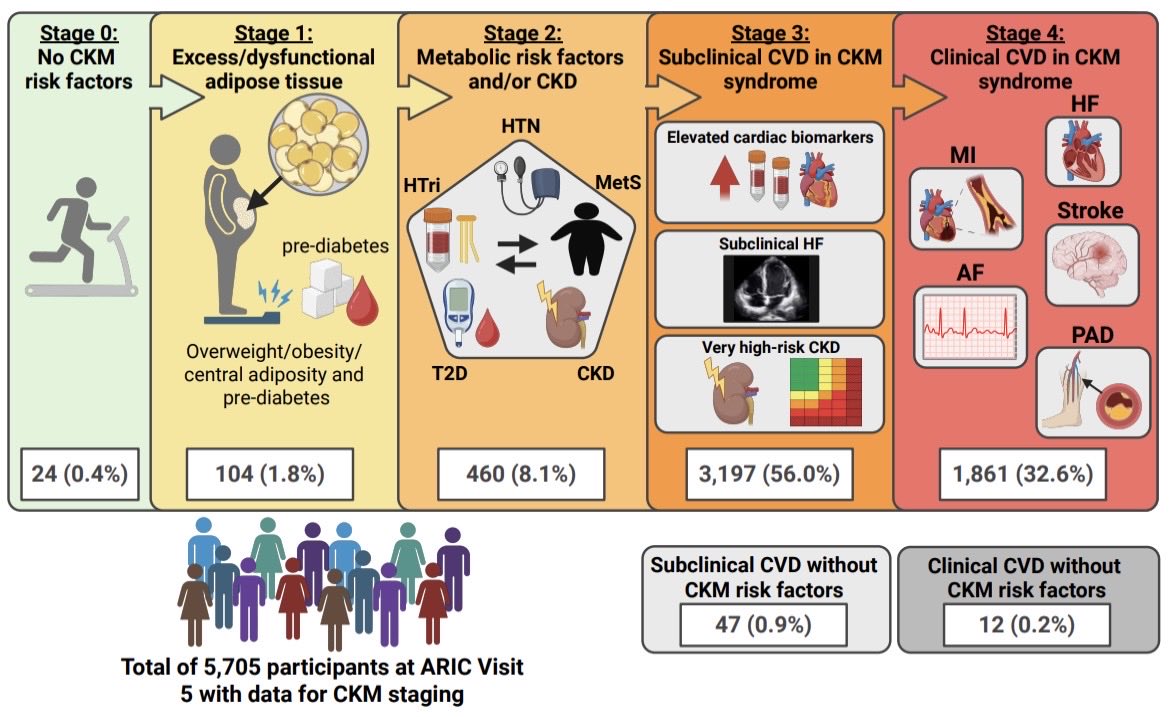
In older adults, poor CKM health was highly prevalent, with ~88% in stage 3–4.
⬆️ CKM stage → worse 🫀 remodeling + higher HF risk 📈
Stage 4 vs 2: >8x higher risk over ~9 years
Link: https://t.co/SLmTUdg5QK
@mvaduganathan@TorBiering@CTCPR_
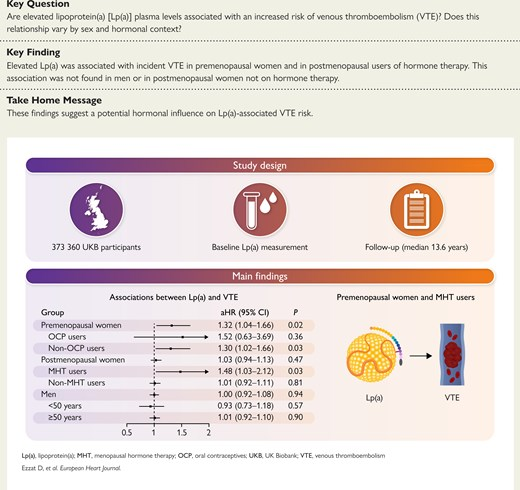
Lp(a)-related VTE risk is not uniform & appears hormone-dependent: signal in premenopausal👩🦰and postmenopausal👩🦰on MHT, but not in👨🦰. Sim pub with #ACC.26 @ehj_ed. Congrats @daniel_ezt and 🙏 to co-authors & my co-senior author, mentor & friend @mchonig
https://t.co/oRfR7uSY0R
Now in @ehj_ed#EHJ simutaneous with #ACC26, our analysis of Lp(a) and VTE risk led by ⭐️🇧🇪 @daniel_ezt
Take-🏠: Elevated Lp(a) is associated w/ ⬆️ VTE 🩸 in high-estrogen states (premenopausal 👭, + postmenopausal 👭 using hormone therapy)
Paper here: https://t.co/uVF3Ebf33Z
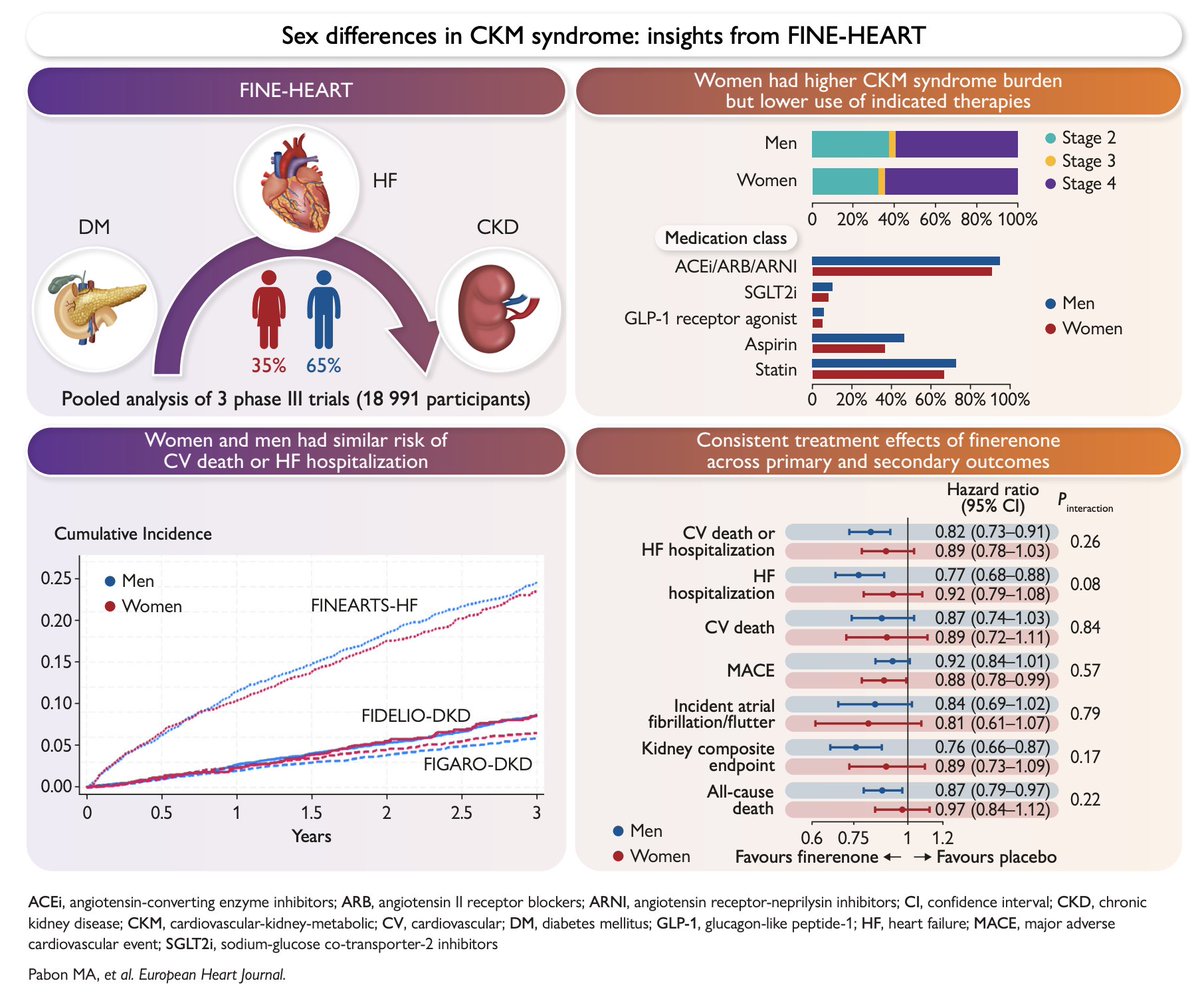
New: @ehj_ed@ESC_Journals in FINE-HEART, 👩🦰 with CKM sx had a ⬆️ burden of multimorbidity but ⬇️ likely to receive indicated CKM therapies than 👨🦰, despite similarly high risks of adverse outcomes. Finerenone had similar benefits. @mvaduganathan https://t.co/c2O9ceOiCq
APOs and cardiometabolic risk are tightly linked. In our new HCHS/SOL analysis published in @AJPCardio, preconception cardiometabolic abnormalities were associated with higher odds of APOs, with a clear dose response by metabolic syndrome burden. @OdaymeMD https://t.co/RT5DnjjMxD