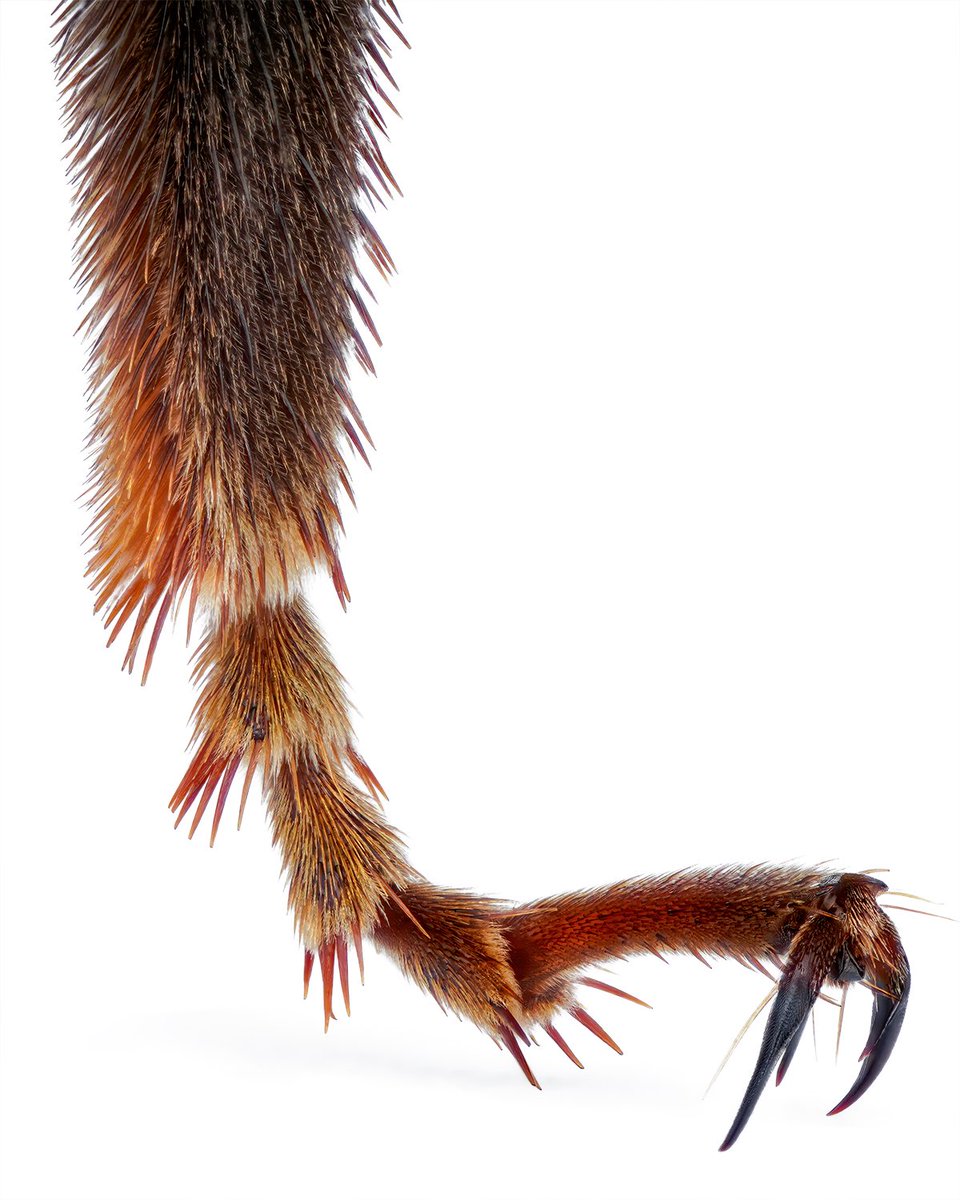
Insect feet mostly are a short chain of tarsal segments ending in claws. Some end in a single hook. Some carry paired claws, padded lobes, combs of spines, or dense fields of adhesive hairs. Same class of structure. Completely different solutions.
At this magnification the differences stop looking ornamental. The foot is where an insect meets the surface, and the surface is never one thing. Bark, leaf, flower, prey, soil, and the body of another insect each ask for a different grip. Claws lock into roughness. Pads and setae hold on smoothness. Spines brace, rake, or keep the leg from slipping sideways. A foot built for walking is not a foot built for holding, climbing, or seizing.
Comparative work across orders shows that segment count, claw shape, pad size and the hairs between them occupy a very large design space. There is no single hidden insect foot underneath the variation. The legs we notice first are usually the long ones, or the ones with colour. The working end is easier to miss. That range is old. Once legs could specialise, the tip split into hooks, cushions, brushes, and tools that are barely feet at all. Joints, sockets, pigment and structural colour repeat as themes, not as copies.
This is why insect feet keep rewarding extreme macro work. The subject is not rarity. It is variability packed into millimetres.
Want to conserve #birds, #mammals and other vertebrates? Then don’t forget their #insects. Our new Nature Reviews Biodiversity paper explores the many ways vertebrates depend on insects, for food, shelter, protection and much more - read about it here: https://t.co/Q5RHu7yc8T
A model of the illegal parrot trade in Mexico uses confiscation data and insights from how electricity flows through a power grid to predict smuggling routes. The method could be adapted for other illicit trade networks. In PNAS: https://t.co/F8P1gzzqHl
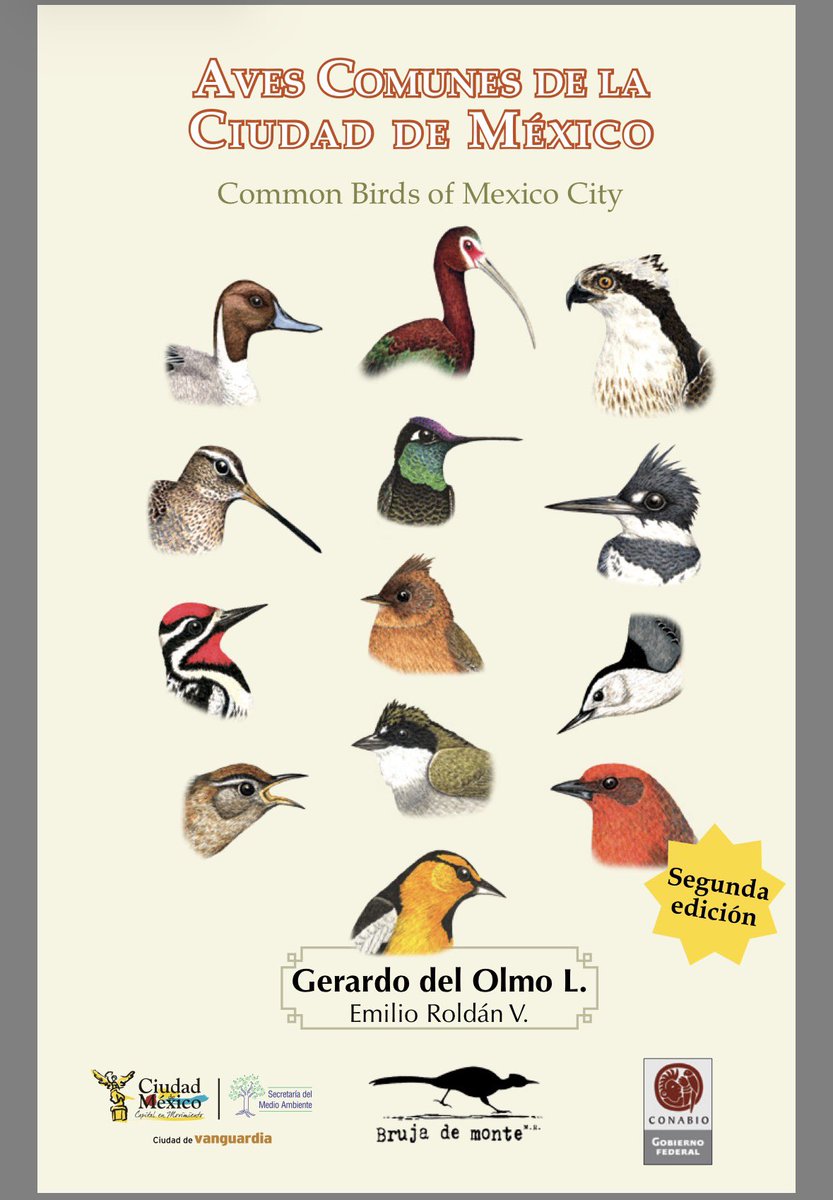
Encontré el PDF de este libro sobre aves que puedes en encontrar en la CDMX. Incluye mapa de lugares para pajarear y consejos para armar tu kit pajarero. Ahora mi misión de vida es encontrarlas a todas.
https://t.co/WKvuy8Kj3P
Uno de los principales planteamientos del especismo es que las otras especies valen menos que nosotros en términos morales. Un argumento, entre otros, consiste en que los animales no humanos son incapaces de razonar, planear, aprender, crear o usar herramientas.
Sin embargo, la frontera moral entre humanos y otros animales se desmorona: hormigas, delfines, aves y hasta vacas revelan inteligencia, aprendizaje y uso de herramientas que creíamos exclusivos del ser humano.
La evidencia obliga a replantear quién merece consideración y por qué.
De Alina González (@Alina_Gag):
https://t.co/0cLmrTtQYK
Join a new citizen science project and help us to uncover the hidden lives of Europe’s ground-nesting #bees - please share with your networks:
https://t.co/mR79vTLKT1
🐢🌱¿Listo para potenciar tu impacto en la conservación?
Únete al curso gratuito y autodidacta “Introducción a Otras Medidas Efectivas de Conservación Basadas en Áreas (OMEC)” y adquiere herramientas prácticas para apoyar metas globales de biodiversidad.
Regístrate ahora ➡️https://t.co/do4AgQrxQv #OECMs
@Fondo Mundial para la Naturaleza @PNUD
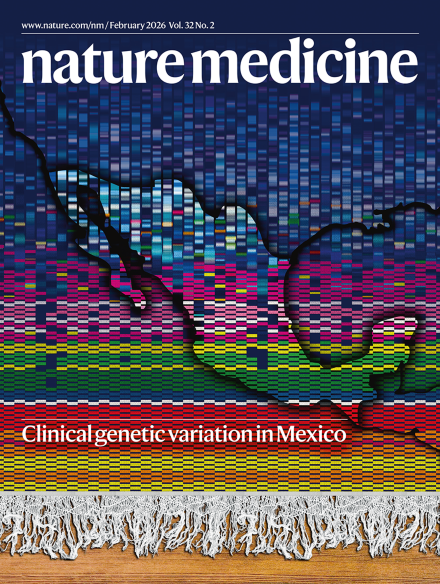
Last month, I published part of my PhD thesis in @NatureMedicine : Clinical genetic variation across Hispanic populations in the Mexican Biobank.
�� https://t.co/yOmI7h2Ui4 ... and we got the cover of the February issue!
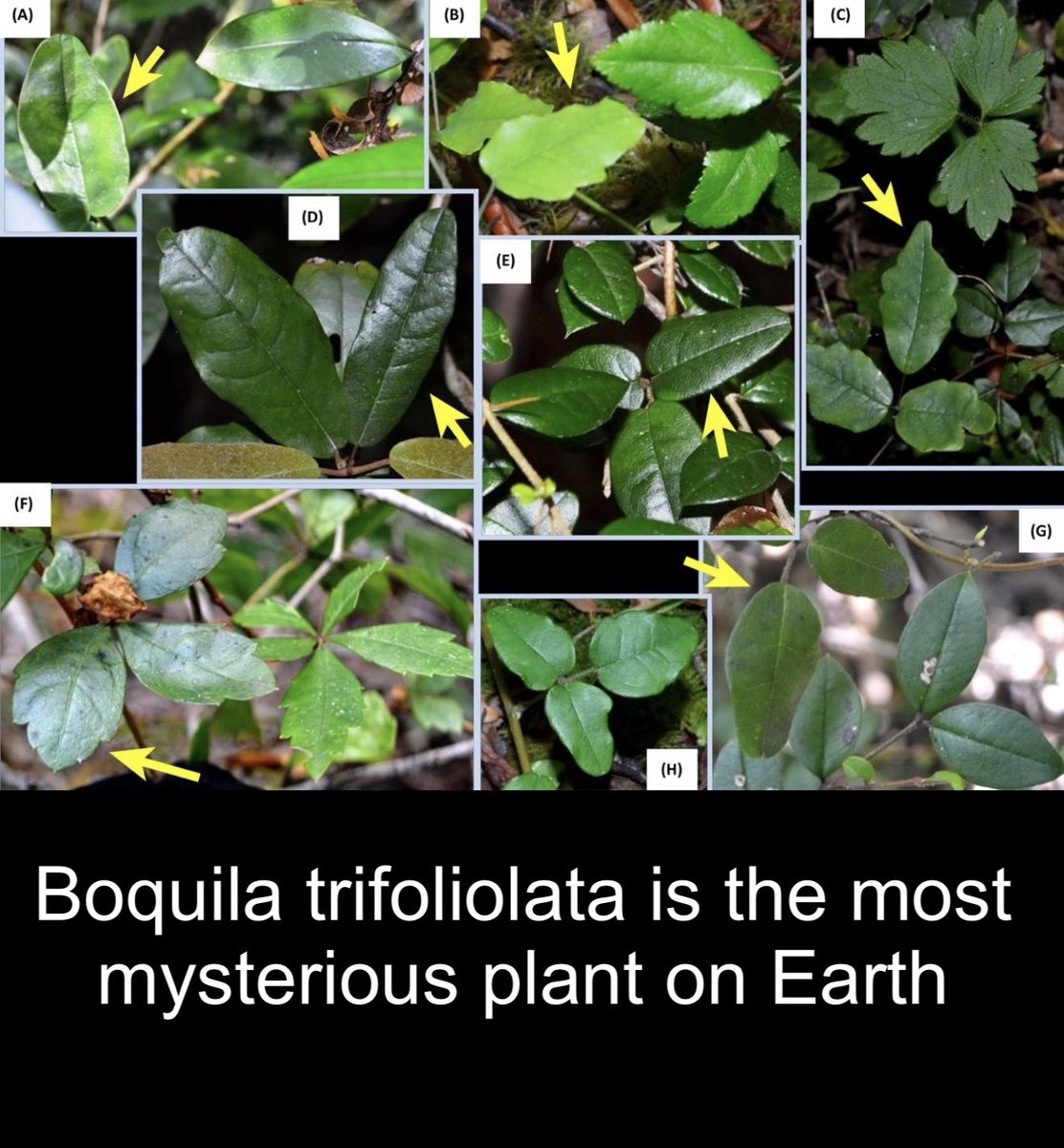
Boquila trifoliolata is one of the most mysterious plants on Earth.
This Chilean climbing vine can mimic the leaves of nearby plants, changing its shape, size, colour, orientation, vein pattern, and even spines to match, without touching the plant and with an air gap between them
It doesn’t just copy one species. A single vine can produce different leaf forms simultaneously, depending on which plant it’s climbing. A single Boquila vine climbing through multiple host species at once
Produced different leaf morphologies on different sections of the same vine
Matching the specific host it was in contact with (or growing among)
Even more intriguing: it can mimic without direct contact.
Scientists first proposed that it may detect volatile organic compounds (VOCs) released by neighbouring plants, triggering changes in gene expression, a form of extreme phenotypic plasticity. Others suggested the possibility of horizontal gene transfer, although evidence for that remains weak.
Then came the controversial claim that it mimicked a plastic plant.
That led to speculation that the vine might respond to light patterns or reflected wavelengths, or even possess primitive light-sensitive structures sometimes compared (loosely) to ocelli. However, this idea remains highly debated, and no confirmed “plant vision” mechanism has been demonstrated.
Why evolve this ability
Boquila is a twining vine in the temperate rainforests of Chile and Argentina. By blending into its host, it likely reduces herbivory. Studies have shown that mimicking leaves suffer significantly less damage from plant-eating insects than non-mimicking ones.
It’s camouflage, but botanical.
A plant that doesn’t just climb its host…
It becomes it.
Nature still has secrets we don’t fully understand.
"Many of these creatures so low in the scale of nature are most exquisite in their forms and rich colours – It creates a feeling of wonder that so much beauty should be apparently created for so little purpose." So wrote Charles Darwin about the plankton. See my pinned thread to hear Sir David Attenborough tell you all about these remarkable creatures that are fundamental to life on Earth: https://t.co/sPlKV7S4dr. @natgeo@zeiss_micro
🎓 ¡Curso GRATUITO de @FAOCampus!
🌍Planificación geoespacial en proyectos de desarrollo territorial.
Conoce SIG, mejora tus proyectos y comunícalos con mapas
¡Matricúlate! ➡️https://t.co/uREBv7YbVW
#FAO#SIG#DesarrolloTerritorial
La Fundación Japón en México te invita a iniciar los estudios del idioma japonés a través de su plataforma #minato , de una forma sencilla y gratuita.
¿Conoces a alguien que pudiera estar interesado?, ¡compártele esta liga! 📷
https://t.co/V5M0jI9jSc
#idiomajaponés#CursosOnline
Can someone PLEASE help these Orcas 🙏.
This the heartbreaking moment two Orcas are seen lifelessly floating in their abandoned enclosures before they suddenly start to perform when they saw the drone above them.
A mother and son left behind at a now defunct marine park in France were caught on a drone floating in the murky water.
The Orcas, believed to be 23-year-old Wikie and 11-year-old Keijo, appear to be close to death, according to co-founder of activist group Tidebreakers, Marketa Schusterova.
Schusterova says the Orcas in Marineland of Antibes are struggling ever since the park closed down in January because of a new law banning orcas from performing for the public in France.
Activists have pleaded with officials and the owners of Marineland to take drastic action to save Wikie and Keijo.
El Foro Económico Mundial identificó las habilidades básicas para 2030 que marcarán el futuro del trabajo. El cambio más relevante: muchas competencias que hoy son fundamentales comenzarán a perder protagonismo, mientras emergen otras ligadas al pensamiento crítico, la tecnología y la adaptabilidad.
Entre las más destacadas:
🔹 Alfabetización tecnológica: comprender cómo funciona la tecnología será tan importante como saber usarla.
🔹 Pensamiento analítico y crítico: interpretar información, resolver problemas y tomar decisiones con criterio.
🔹 Curiosidad y aprendizaje continuo: aprender a aprender será la competencia clave en entornos cambiantes.
🔹 Resiliencia y flexibilidad: afrontar la incertidumbre con equilibrio y capacidad de adaptación.
Tenemos ante nosotros el reto de incorporar la tecnología como la IA en el proceso de enseñanza-aprendizaje, así como fortalecer las habilidades socioemocionales y aportar experiencias que preparen para aprender aún ya siendo profesional.
Fuente: Foro Económico Mundial — Future of Jobs Report
Hellllllloooo? Are you there? Please help birds by sharing this if you also want to ensure swifts & other urban birds have homes alongside us. People power works but only if we work together. SAVE OUR SWIFTS.
Those stretchy fake spider-web decorations may seem fun… but for birds, bees and other beneficial insects, they become hidden traps. Every year, many songbirds and crucial pollinators get caught in them, struggle for their lives, and perish.
This season, let’s keep Halloween spooky for the right reasons—not by endangering the innocent wildlife around us. Pick safe décor and let real magic thrive.
#Halloween #WildlifeFriendly #SaveTheBees
Nueva oportunidad para trabajar con SELVA - estamos buscando alguien con excelentes habilidades analiticas para trabajar en el proyecto Corredor Neotropical de Migración. ¿Te gusta la migración de aves además de correr modelos en R? Esto puede ser para ti https://t.co/LYervSjGzo