𝐑𝐞𝐯𝐢𝐬𝐢𝐭𝐢𝐧𝐠 𝐈𝐧𝐝𝐢𝐚𝐧 𝐀𝐦𝐦𝐚𝐧𝐧𝐢𝐚: 𝐀 𝐂𝐞𝐧𝐭𝐮𝐫𝐲 𝐋𝐚𝐭𝐞𝐫🌿
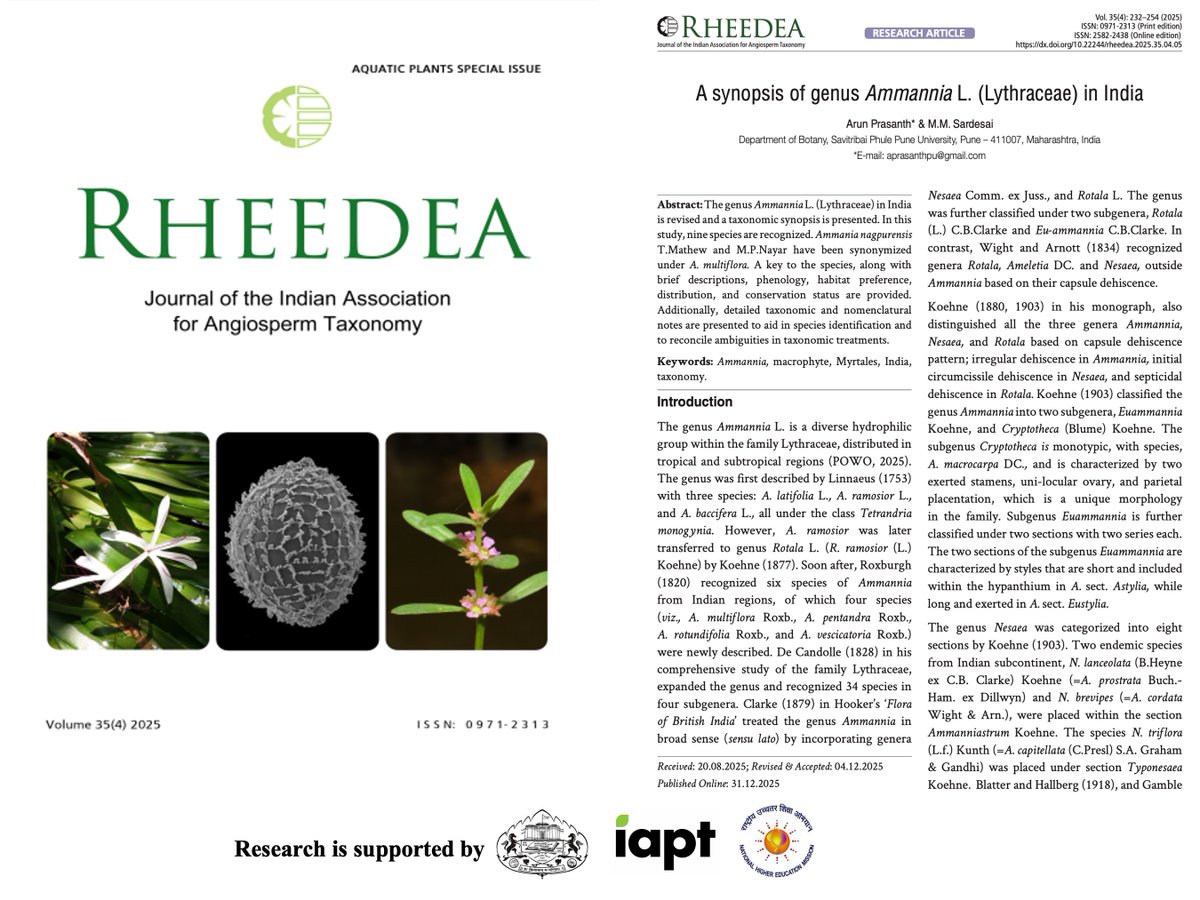
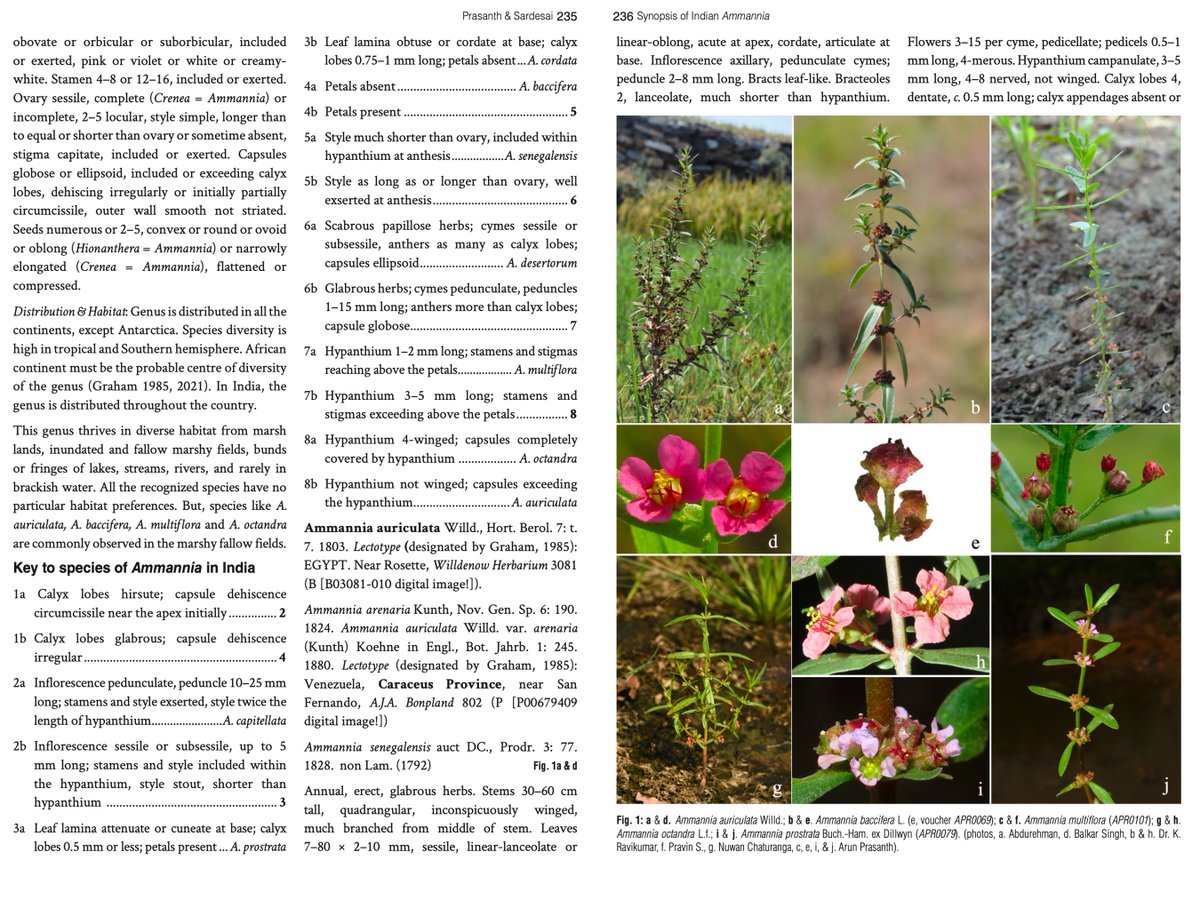
More than a century after the treatment by Blatter & Hallberg (1918), Indian 𝐴𝑚𝑚𝑎𝑛𝑛𝑖𝑎 is revisited through a comprehensive taxonomic synopsis recognizing nine species. @sardesaimm
(1/4)
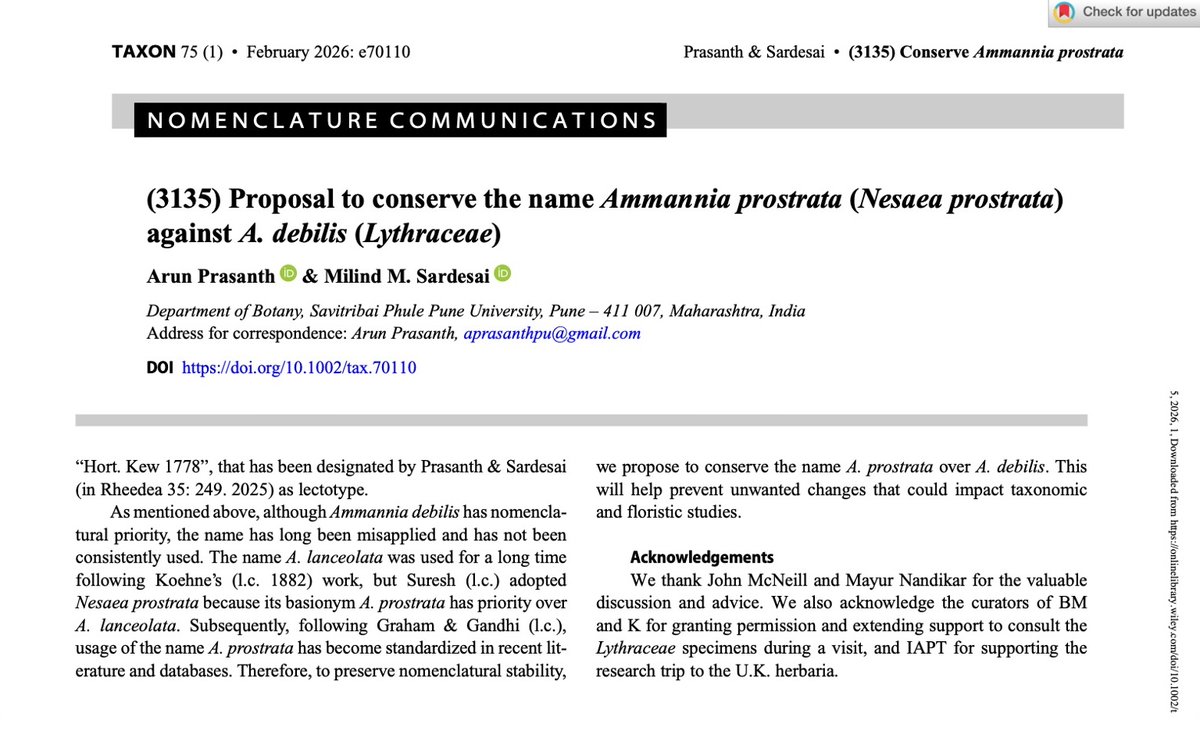
Following this revision, a separate nomenclatural proposal has been submitted to conserve the name 𝐴𝑚𝑚𝑎𝑛𝑛𝑖𝑎 𝑝𝑟𝑜𝑠𝑡𝑟𝑎𝑡𝑎 against 𝐴. 𝑑𝑒𝑏𝑖𝑙𝑖𝑠 (Lythraceae), aiming to address historical complexities and promote nomenclatural stability. https://t.co/ugqQw2yJPh
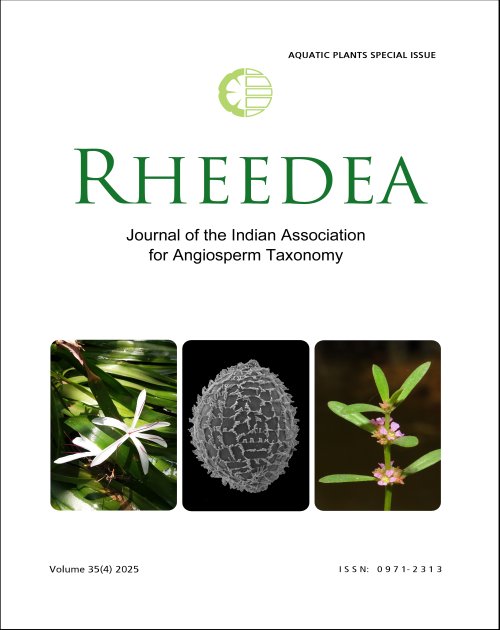
The Aquatic Plants 𝐒𝐩𝐞𝐜𝐢𝐚𝐥 𝐢𝐬𝐬𝐮𝐞 of Rheedea (𝐕𝐨𝐥𝐮𝐦𝐞 35, 𝐈𝐬𝐬𝐮𝐞 4) is published online. The present issue contains nine articles.
Visit the link below
https://t.co/3YCkaO59LA
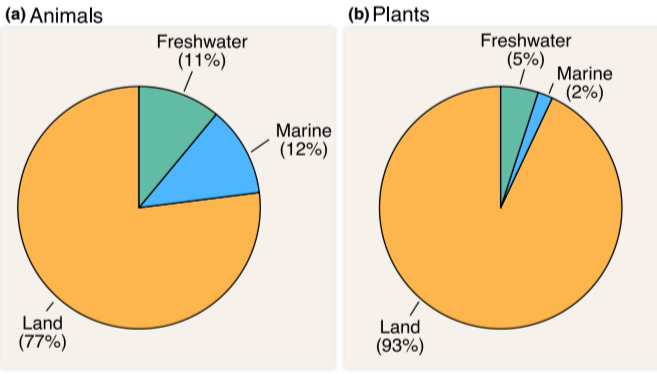
One thing we do know is most species live on continents. Most animals are insects and most plants are angiosperms (flowering), almost all of which live on land or freshwater. There are many fewer species in the sea and hardly any on islands.
https://t.co/sg6Vsyx1W3
How do millions of cells know where to go?
When life begins, every cell knows exactly where to go.
This stunning video shows a fruit fly (Drosophila) embryo developing in real time, thanks to light-sheet fluorescence microscopy (LSFM).
https://t.co/VpyosNveTm
Happy to announce that the September issue of Rheedea (𝐕𝐨𝐥𝐮𝐦𝐞 𝟑𝟓, 𝐈𝐬𝐬𝐮𝐞 𝟑) is published online now. The present issue contains eleven articles and an obituary.
https://t.co/WboiqhmjtM
Love this: A single Annonaceae fruit mounted on a single specimen. Each ‘fruit’ is a fruitlet, or monocarp in Annonaceae terminology. (Probably could have gone in a bulky fruit box, but this is very visual and impactful; an associated specimen has leaves) #SBGScience#herbarium
🌿 New species alert!
We describe Rotala myanmarensis sp. nov. (Lythraceae) from Myanmar, and reevaluated taxonomic status of R. occultiflora var. leichhardtii
📖 Read in Nordic Journal of Botany: https://t.co/8OWec2BrOW
#Taxonomy#Botany#Rotala#Myanmar@sardesaimm
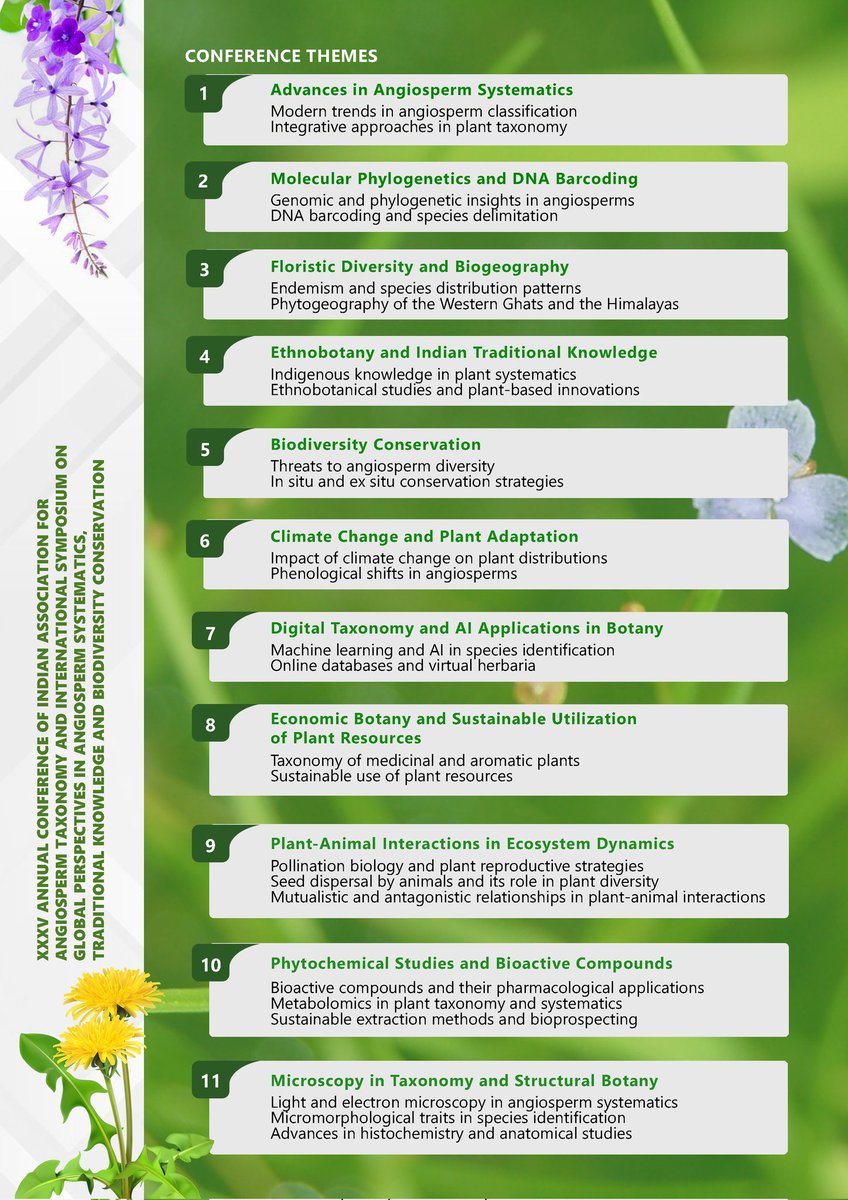
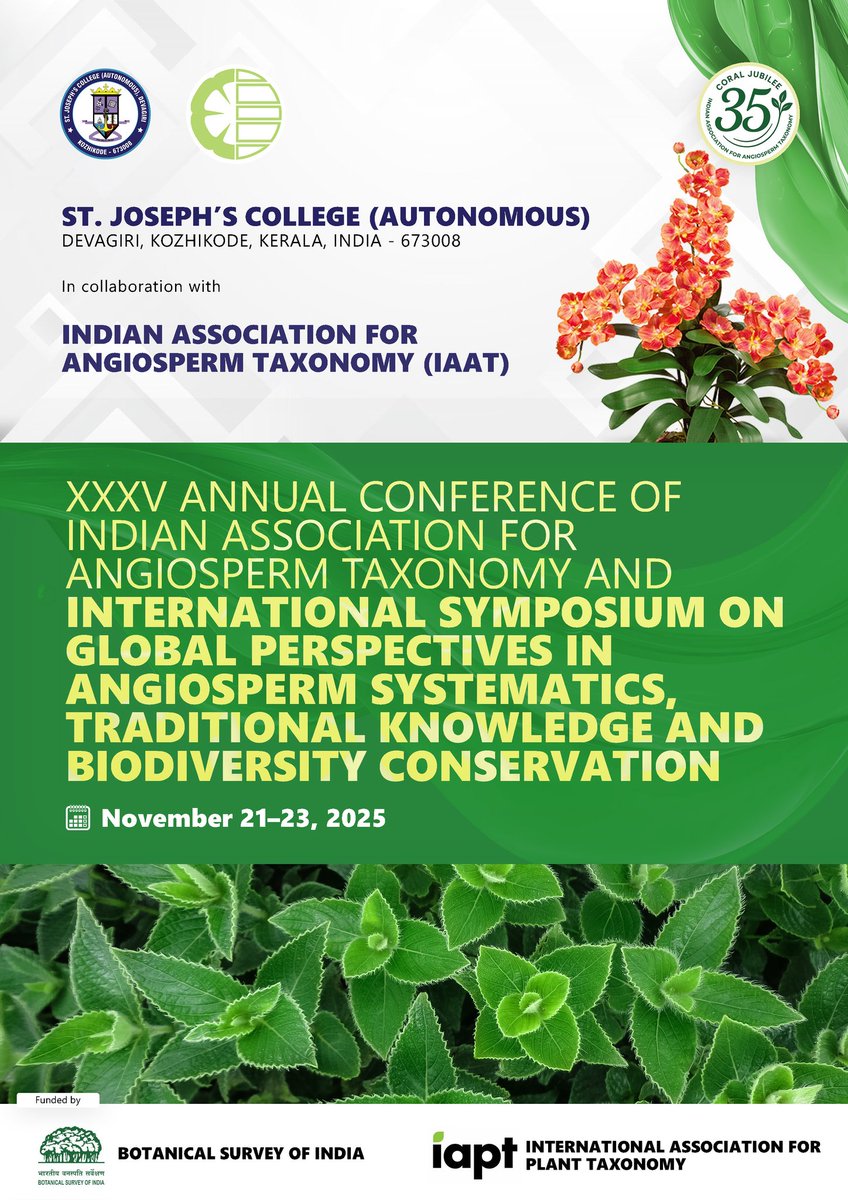
The registratiom for the XXXV Annual Conference of the Indian Association for Angiosperm Taxonomy and International Symposium is open now. This time, registrations will be accepted through a dedicated website.
🔗 https://t.co/FF9dlCoqAF
Last date for registration: 30.09.20205
New blog post!
@Martin_A_Nunez, Senior Editor for the journal, tells us about his latest book which aims to help students overcome writing and publishing barriers ✍️
Read more below 👇
https://t.co/qZMoSzNDuJ
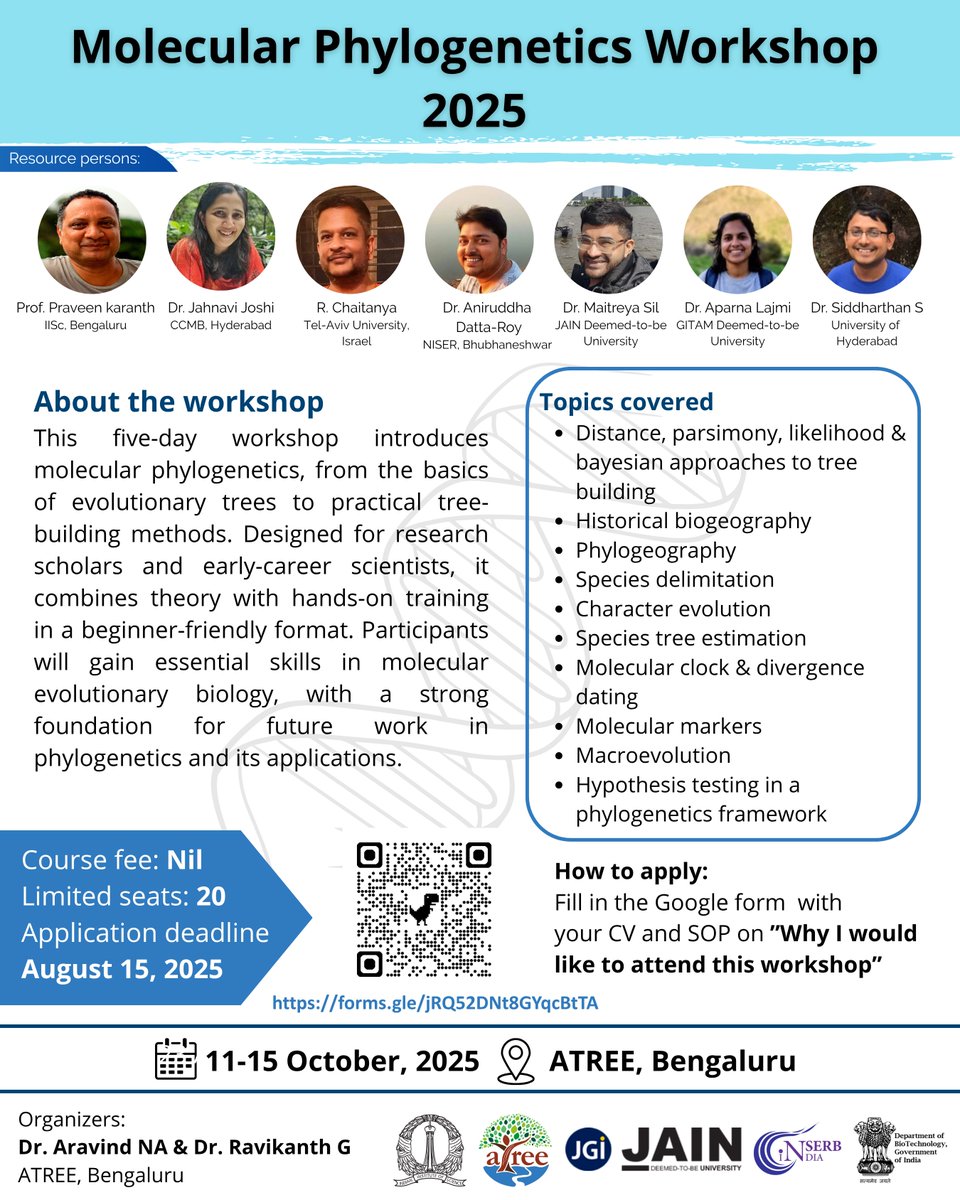
Join us for the Molecular Phylogenetics Workshop 2025 at ATREE, Bengaluru! Learn evolutionary tree-building, phylogeography, species delimitation & more from top experts. Oct 11–15 | Free | 20 seats only! Apply by Aug 15.
Application link : https://t.co/hZcnHhVbQ5
#Phylogenetics #Workshop2025 #ATREE #EvolutionaryBiology
MAJOR preprint from the #OnyenedumLab! Here, we discovered a rapid radiation of woody vines in the Miocene driven by a the synnovation of tendrils, climbing, & zygomorphy. We find rampant convergent evolution of variant vascular systems in Paullinieae 🧐
https://t.co/6c94xV7RWC
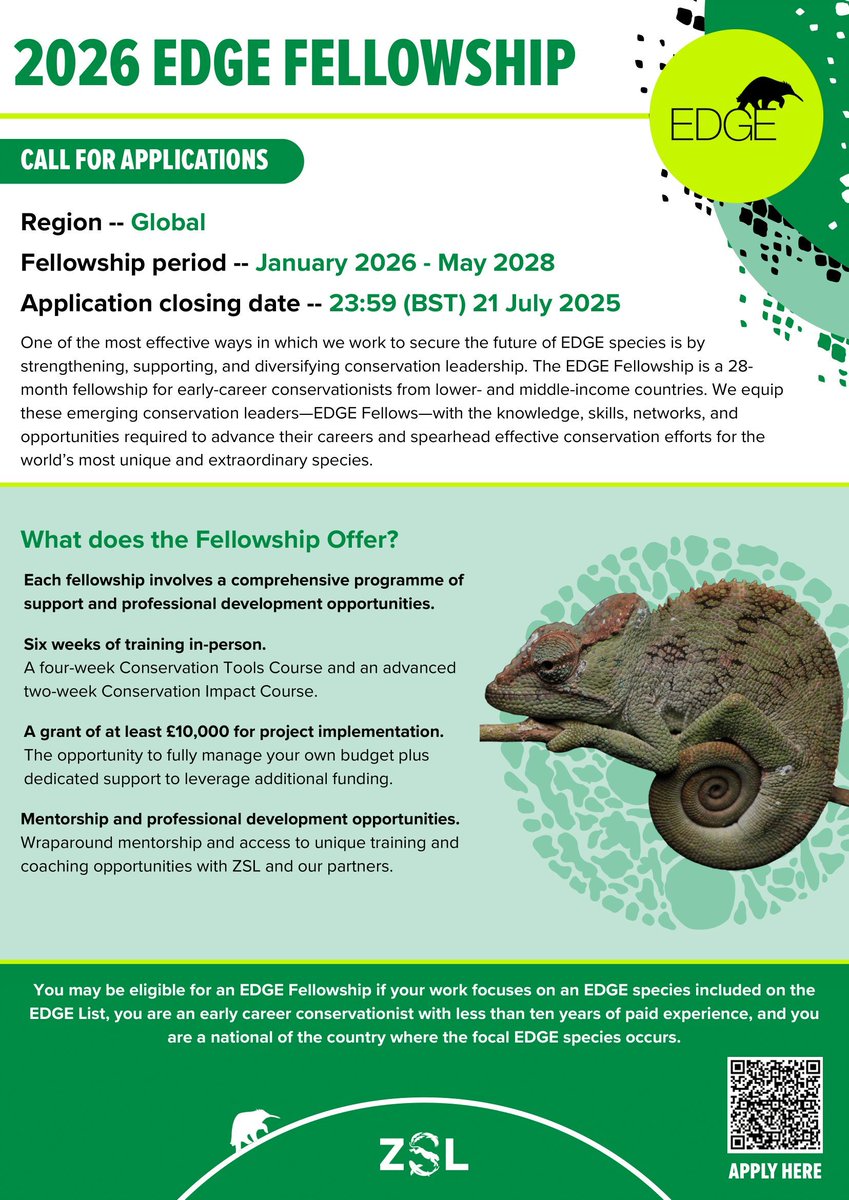
Applications are now open for the 2026 - 2028 EDGE Fellowship — a 28-month fellowship supporting early-career conservationists working to safeguard Evolutionarily Distinct and Globally Endangered (EDGE) species.
Key deadline: 23:59 BST on 21 July 2025.
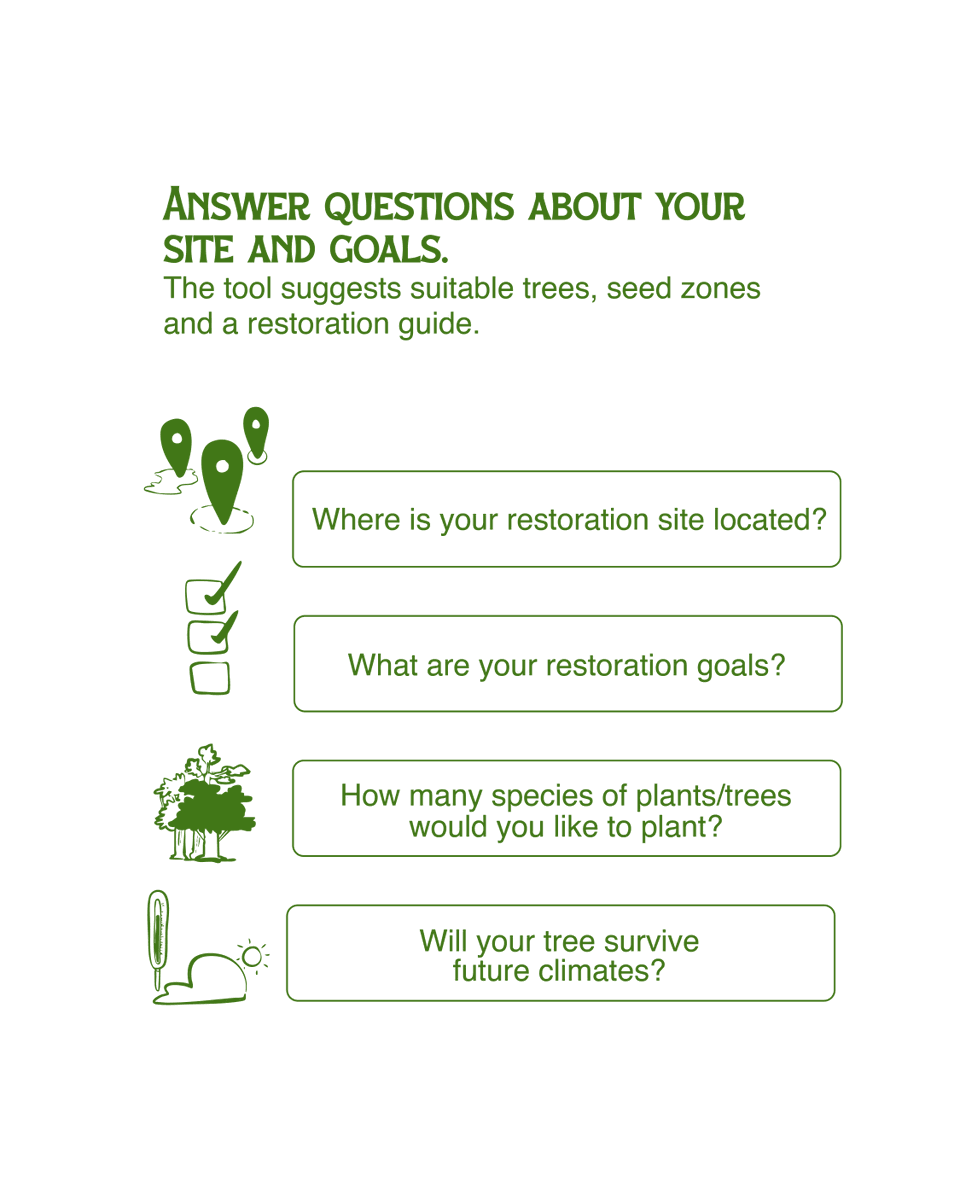
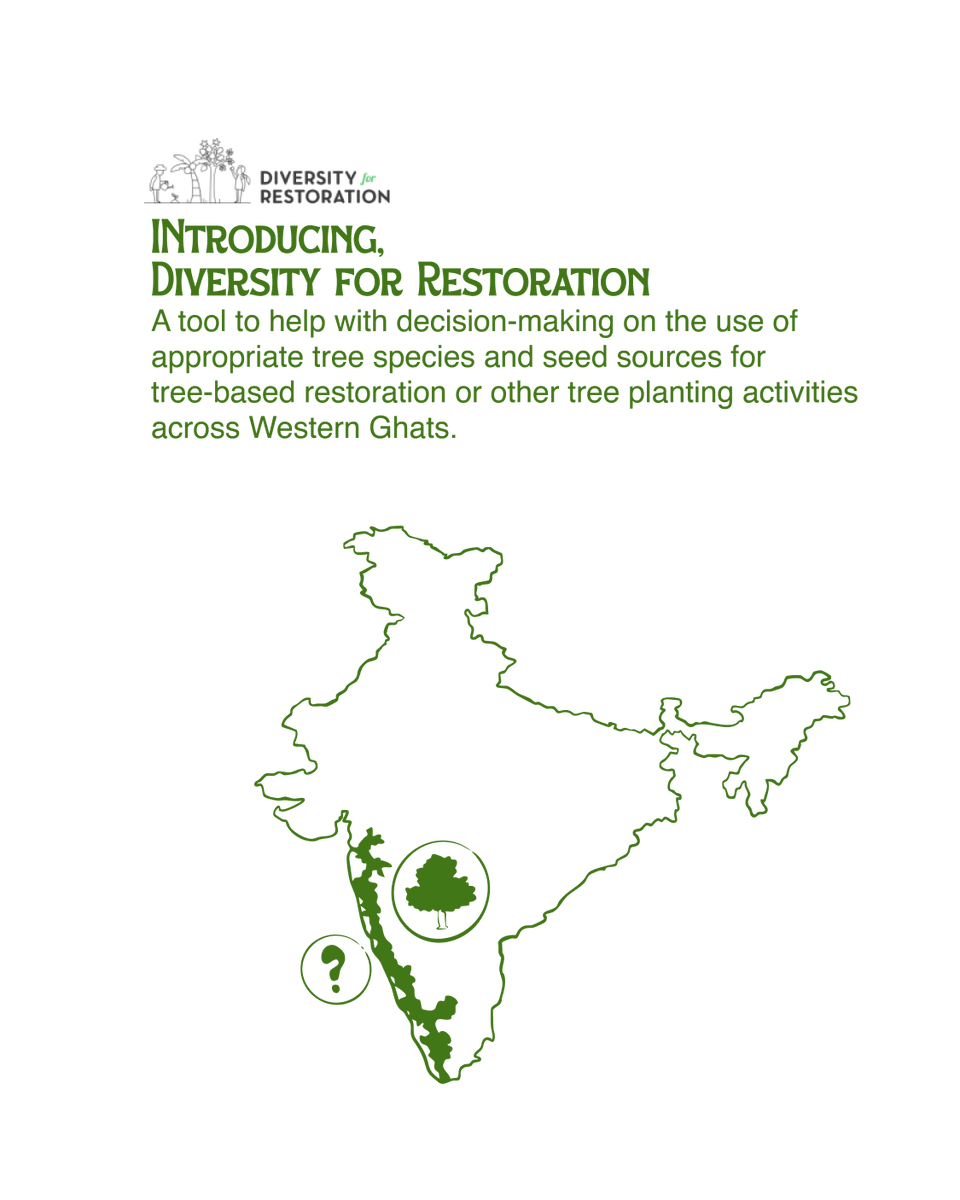
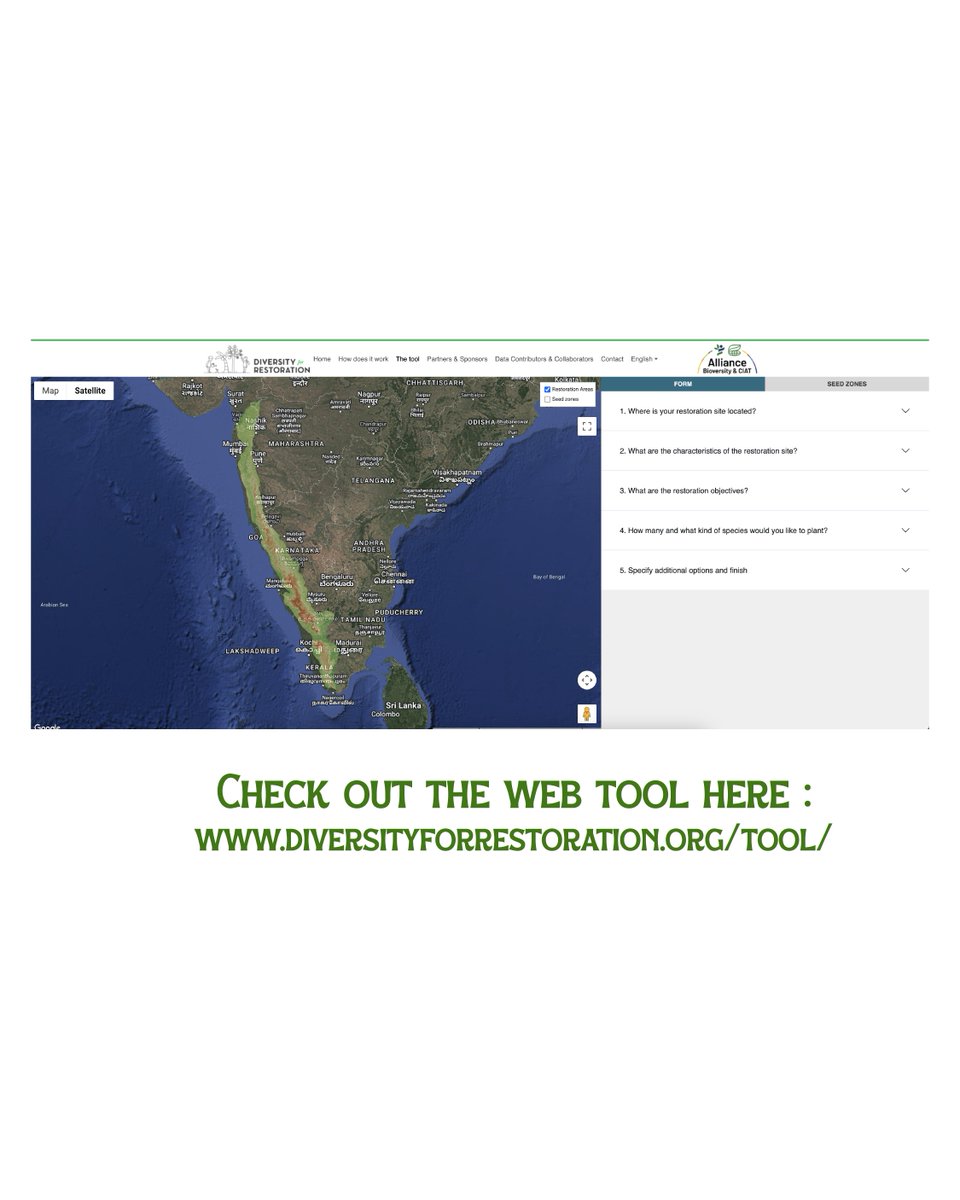
Tech for restoration – Introducing Diversity for Restoration (D4R), a global tool designed to help users select appropriate tree species for tree-based restoration and planting efforts.
Developed for India by ATREE, The Alliance of Bioversity International and CIAT.
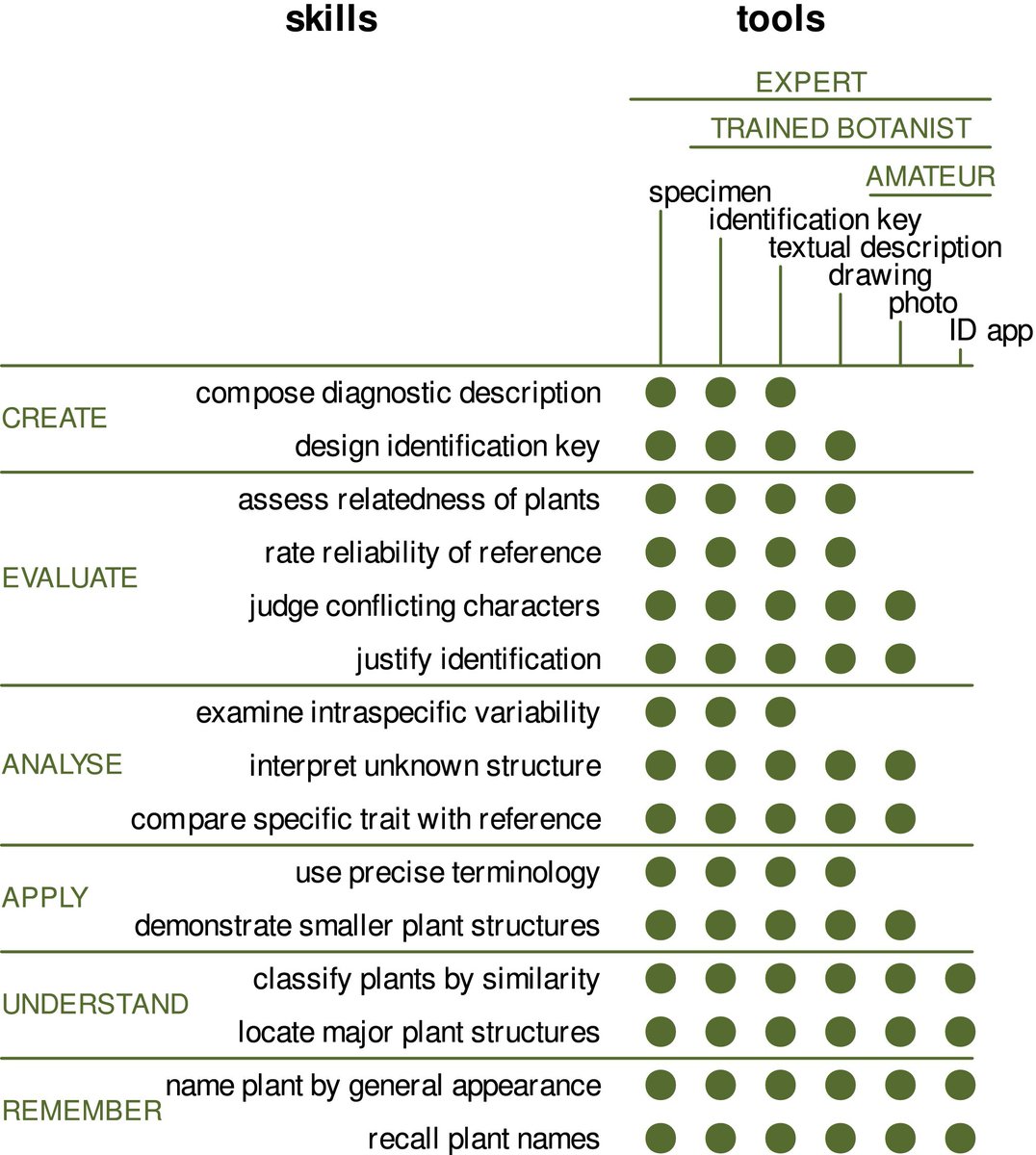
Teaching plant identification at a university in the age of artificial intelligence 🕵️♀️
📖 https://t.co/eDnLtQUzlT
Opinion article by Hackel et al.
#PlantIdentification#AI#MachineLearning