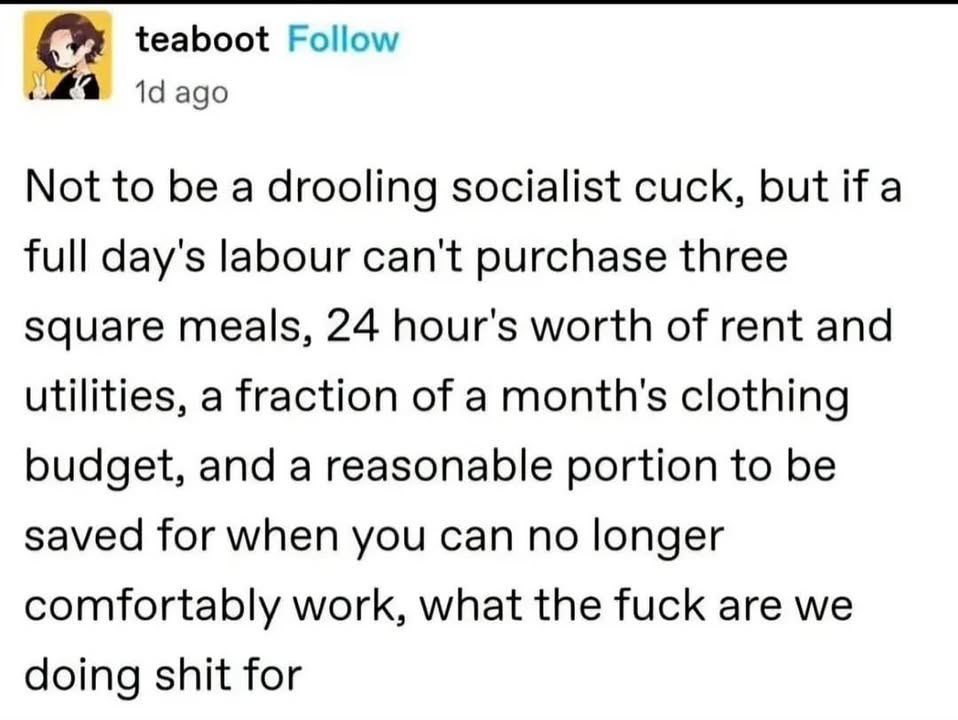
No es exactamente el registro lingüístico que yo acostumbro a utilizar. Pero, en el plano conceptual, este análisis me parece intelectualmente consistente y sólidamente fundamentado.
Os recuerdo que durante la Guerra Civil y tras ella, el franquismo purgó 60.000 docentes (de todas las etapas educativas) y esta depuración comenzó en 1936. Esta depuración tuvo como objetivos eliminar las reformas republicanas y asegurar el control ideológico y católico de la educación. Pues ahí seguimos en 2026.
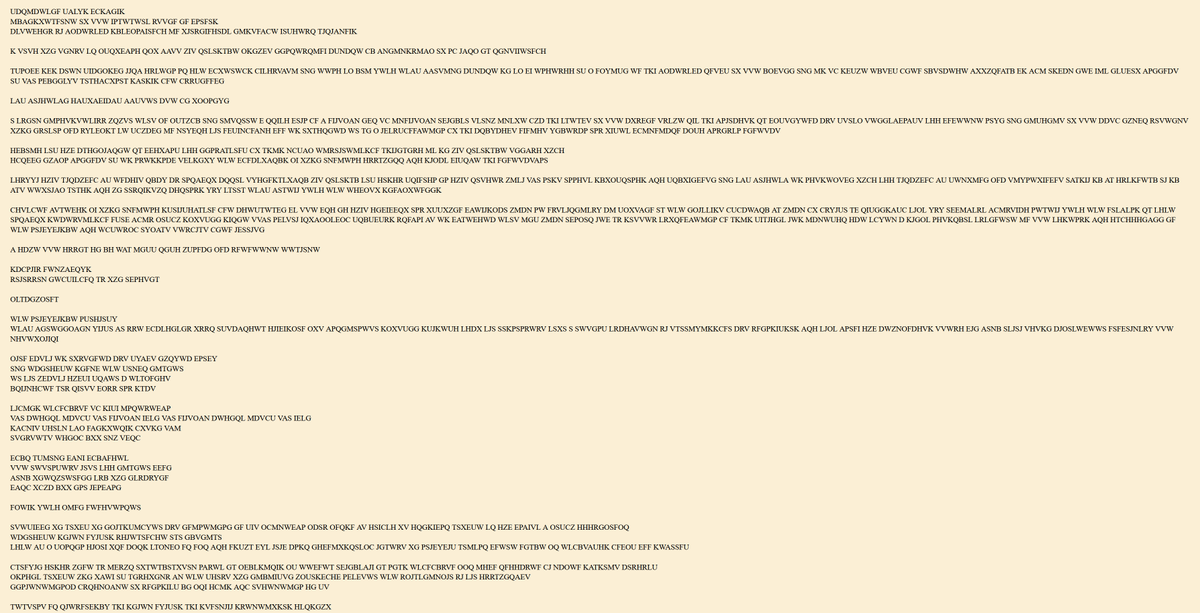
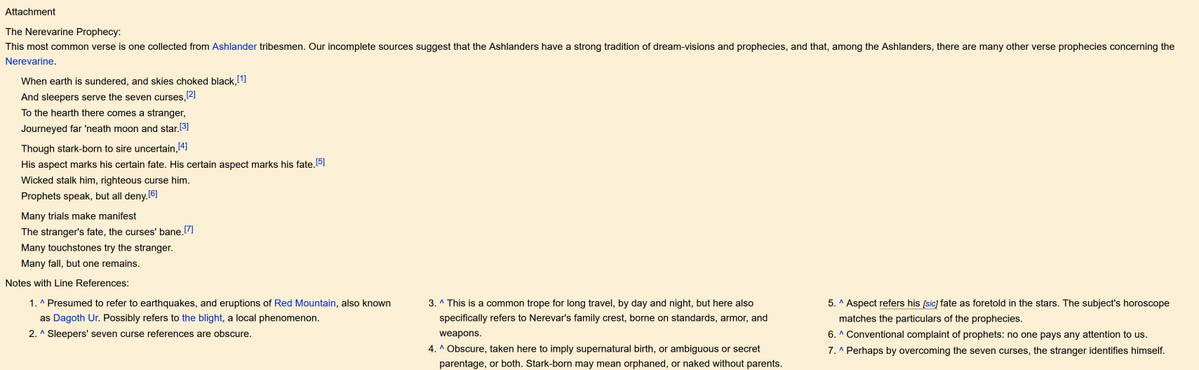
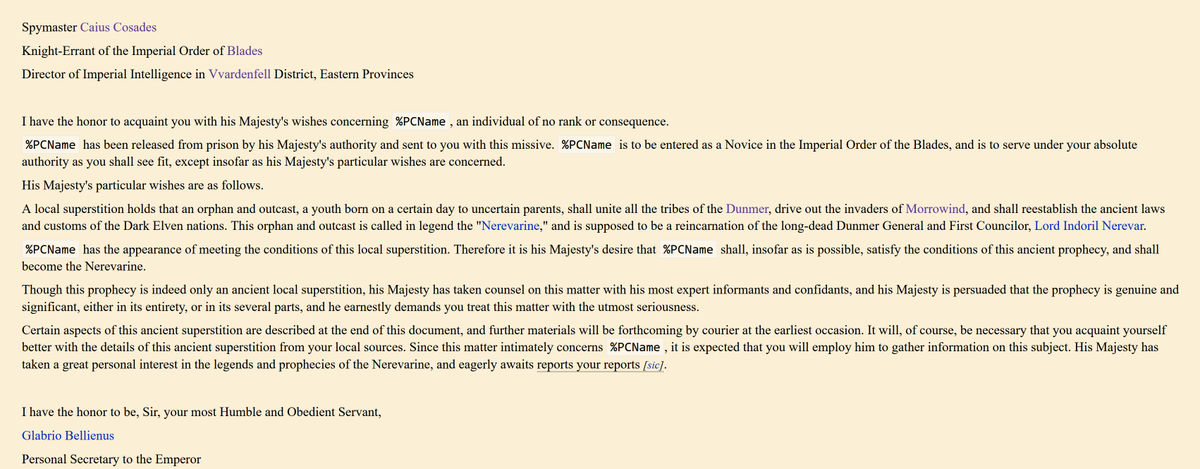
Did you Know: At the start of Morrowind you are given a Package for Caius Cosades? If you look at it, it appears to be gibberish, but it is actually a encrypted message using a Vigenère cipher with the keyword "COSADES". If you were to successfully decode it, you would learn the Emperor's plan for you several quests before Caius would reveal it.
Lo que ha mostrado Carles aquí es un puto escándalo. Es incomprensible que las calles no estén ardiendo en este país. La inacción de todas las administraciones, desde gobierno central a comunidades y ayuntamientos saldrá cara. A muchos les tendría que dar vergüenza.
Lo siguiente será:
Cada uno se paga la sanidad que puede.
Cada uno se paga la pensión que puede.
Cada uno se paga la educación que puede.
Y si no puedes pagarte nada, lo mejor es que te mueras pero dejando algo de dinero para tu entierro, que las funerarias también son privadas.
Imagina morir defendiendo una democracia para que 90 años después un escritor mediocre se mee en tu memoria diciendo que moralmente eres indistinguible del fanático que te mató para imponer una teocracia a sangre y fuego.
KARLOS ARGUIÑANO (@karguinano) recuerda en su cocina los SUCESOS DE VITORIA del 3 de marzo de 1976 en los que fallecieron 5 personas a manos de la POLICÍA por el delito de iniciar una huelga
Manuel Fraga Iribarne era entonces Ministro de la Gobernación
LA INMACULADA TRANSICIÓN
I respectfully disagree. I think these sorts of details are popular among men just getting into tailored clothing because they're a cheap way to supposedly make a shirt look expensive. But, like contrast-colored buttonholes, they often detract from an outfit because they become a distracting focal point, rather than adding to a coherent whole. Plus, these things are typically made on machines that bang these out in seconds — there's no craft to it at all.
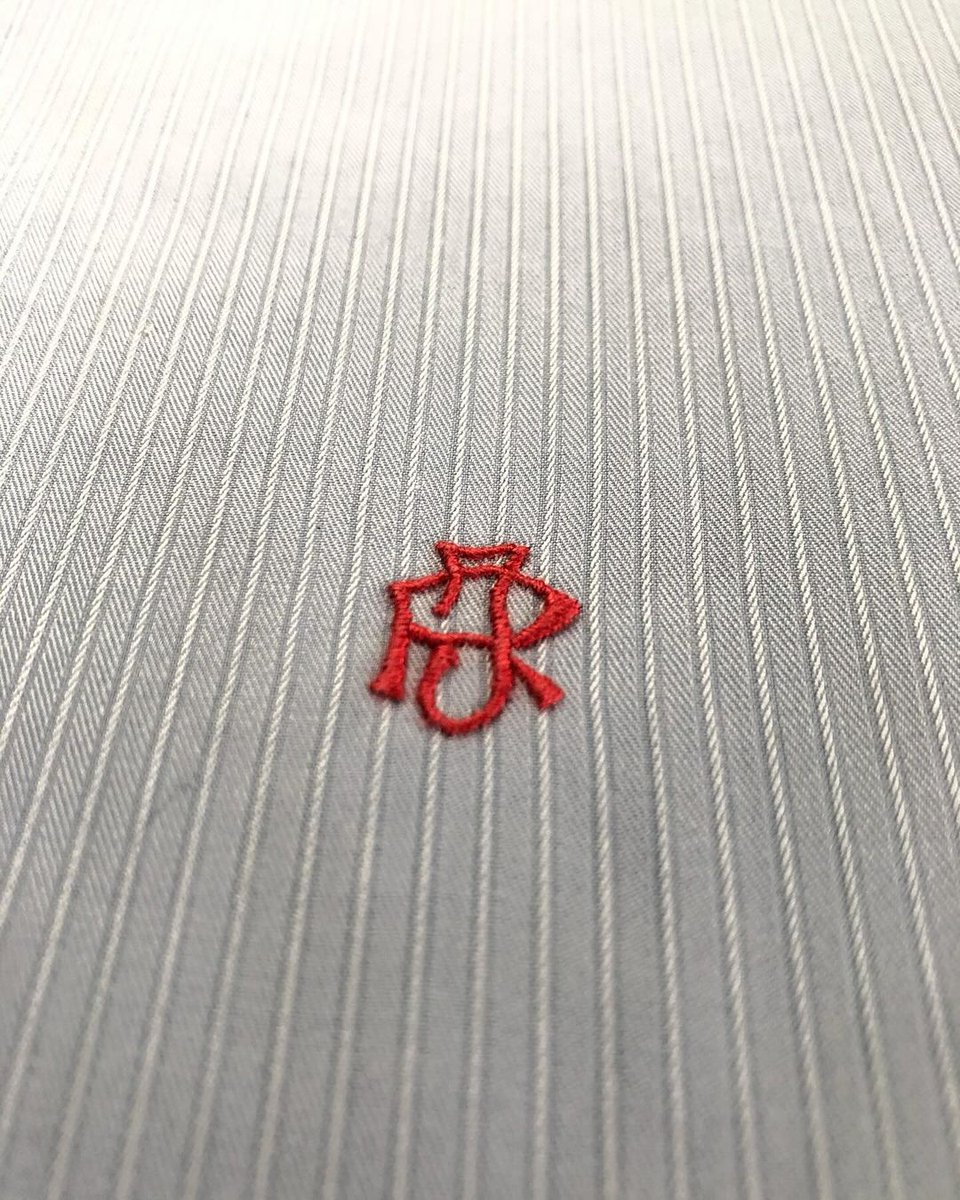
There are rare exceptions. Marc Lauwers is a French bespoke shirtmaker who has worked for all of the top-end bespoke tailoring firms in Paris, including Charvet, Lanvin, and Francesco Smalto. Nowadays, he operates under his own banner. After making you a fully bespoke shirt, he can add a hand-embroidered monogram on your garment, if you wish.
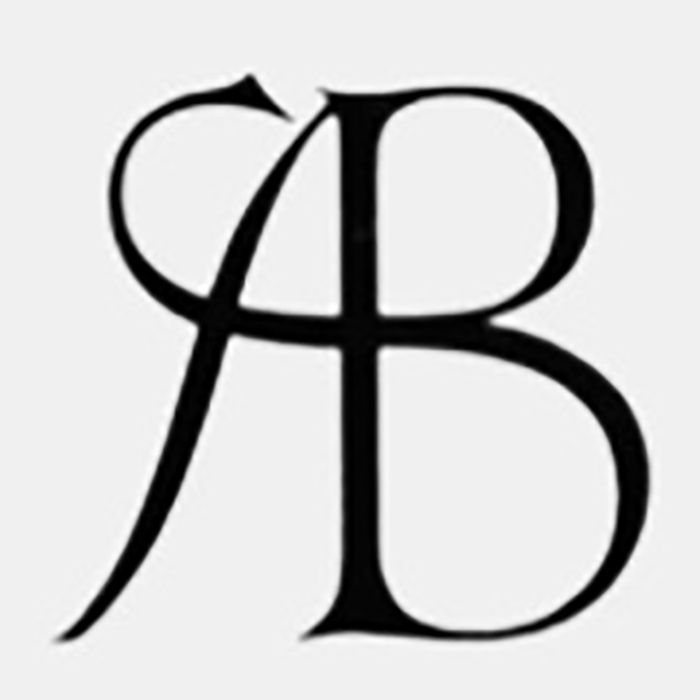
This includes a true monogram, not a cipher, which is often mistaken for monograms online. A monogram is a design where two or more letters have been placed in such a way that they share common elements, such that you can't remove one letter without making the entire design nonsensical. In slide one, we see a true monogram. Notice that you can't remove the A or the B without ruining the other letter. The Louis Vuitton logo (LV) is an example of a cipher.
In slide two, we see a cipher that Lauwers hand-embroidered on one of @RJdeMans's shirts (author of the wonderful book Swan Songs, which is about the rapidly disappearing world of craft-based French luxury). You can tell the difference between a handmade vs machine-made "monogram" by flipping the shirt over. If you see extra fabric on the underside of the "monogram," it was likely machine-made, as this material is used to stabilize the shirt fabric as the machine needle rapidly applies the detail.
IMO, if you must get a shirt monogram, it looks best at the bottom rib, as shown in the third slide. This is where high-end shirtmakers historically placed monograms for clients (look up photos of Cary Grant, Vittorio De Sica, Humphrey Bogart, Alain Delon, and Ronald Reagan). Since men during this time often kept their jackets on, the monogram was rarely seen.
Why not add these fun details in more conspicuous places?
Two reasons. First, I think men are prone to "jazzing" a tailored outfit with these little doodads when they should focus more on fit and silhouette. We can think of Sec. Pete Hegeseth, who wears his dark worsted suits with a USA flag belt, USA flag pocket square, fun socks, contrast buttonholes, bracelets, and all sorts of other things. Instead of focusing on all these pieces of "flair," he should see a new tailor. When the fit and silhouette are good, you don't need this stuff.
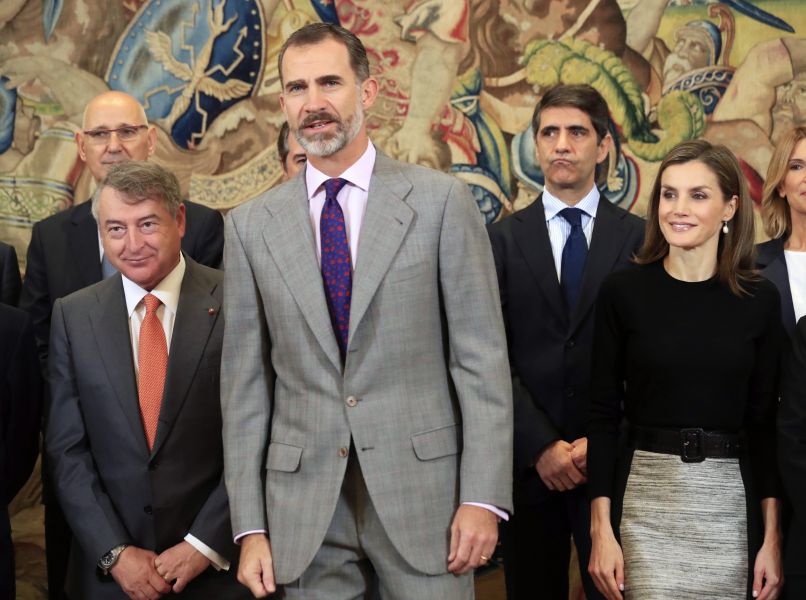
Second, adding them can sometimes detract from an outfit. In the fourth and final slide, we see a beautifully dressed King of Spain. Notice where your eye is drawn in that photo. The cynosure of a tailored outfit is the V-shaped section formed by the jacket's front edge, the shirt, and the necktie (if you're wearing one). This leads the viewer's eye up to your face, making you the center of attention. In this way, you are wearing the outfit, not the other way around.
These are not hard and fast rules. The other week, I had dinner with a tailor who wore a charcoal chalkstripe suit with black penny loafers and a gold bracelet reminiscent of Cartier's Santos (the gold bracelet version, not the watch). My eyes naturally darted to his wrist, but I thought it added something to the otherwise conservative ensemble. Of course, men also wear watches and pocket squares, although I think these things are so normal, they mostly disappear from view.
I would just say that you should choose these details judiciously. Online, details come into focus, as people post close-up photos of cool socks, bright bracelets, and cuff monograms. They can look great when contained with the borders of a photo. But when put into the context of an actual outfit that moves through the world, they can look a bit goofy. IMO, would be better to think first about fit and silhouette, and then how to create an outfit that works as a harmonious whole.