The same work does not always cost the same. The output may look identical, but the internal price can be completely different.
The question is not only: what did you produce? But: what did it cost the system?
Output without context is a dangerous story, toughness is not forcing the original plan, but noticing when the environment has changed & adapting before the system breaks.
More 🧵
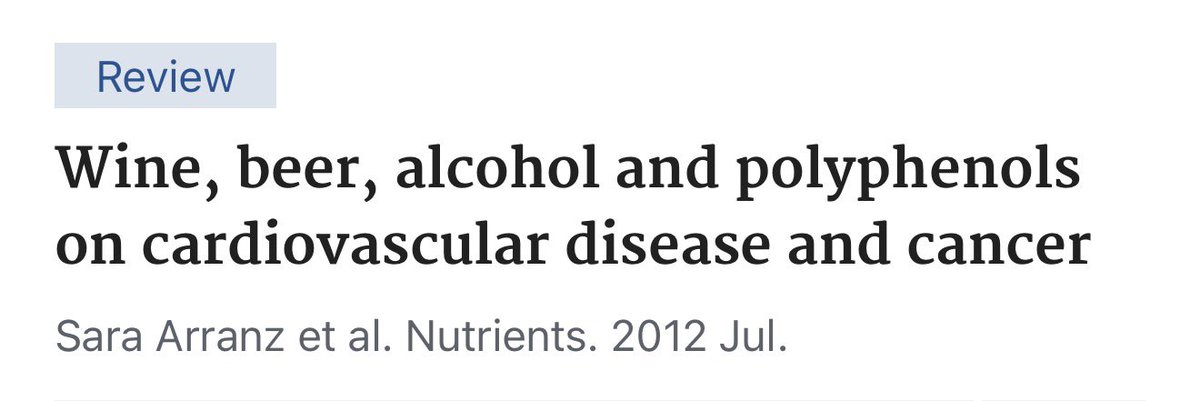
“Bebo vino y alcohol por los antioxidantes” 🍷
Los datos científicos dicen cosa:
🍷 1 copa de vino tinto: ~150-200 mg de polifenoles
🍺 1 cerveza: ~50-150 mg de polifenoles
Pero:
🫐 100 g de arándanos: ~500-700 mg
🍫 Cacao puro: >1000 mg/100 g
🍵 Té verde: ~200-300 mg por taza
Y sin alcohol, un carcinógeno grupo 1.
No necesitas alcohol para obtener antioxidantes.
🥰 @marcelcampru@tompidcock
Pidcock està ben acompanyat aquesta setmana!
🇬🇧 Tom has two Catalan teammates to guide him through the week. Marcel is one of them!
#VoltaCatalunya105
Nobody tells you this: You can win by just embracing what most people avoid. Wake up early. Focus. Move your body. Eat real foods. Obsess over one thing. Read old books. Be present. Listen intently. Change your mind. Have difficult conversations. The recipe for a good life.
The ultimate life hack is the ability to quickly reset and recover. From a bad interaction. From a bad day. From a missed workout. From a poor decision. You can start over whenever you want. You can't always control what happened, but you can control how long you carry it.
People will judge you if you try and fail.
People will judge you if you try and succeed.
People will judge you if you don’t try at all.
So decide: what do you want to be judged for?
The older I get, the more I realize you can reinvent yourself as many times as you need. New habits. New mindsets. New standards. New people. New career. You’re never stuck. You’re allowed to change. Today, tomorrow, and as many times as it takes to create the life you want.
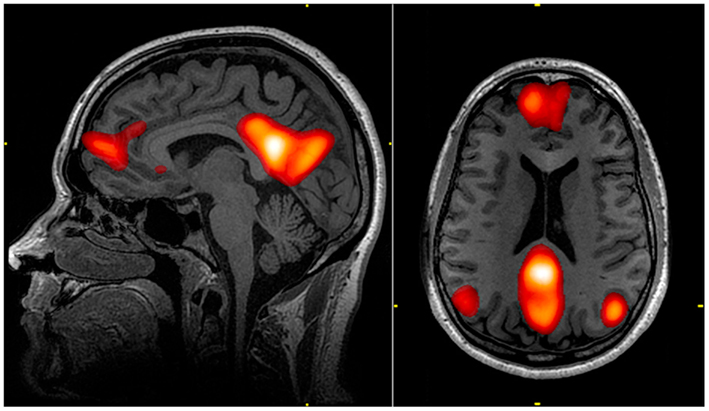
Being bored is a luxury in a world with constant stimulation.
Boredom activates your brain's default mode network, sparking creativity & self-reflection.
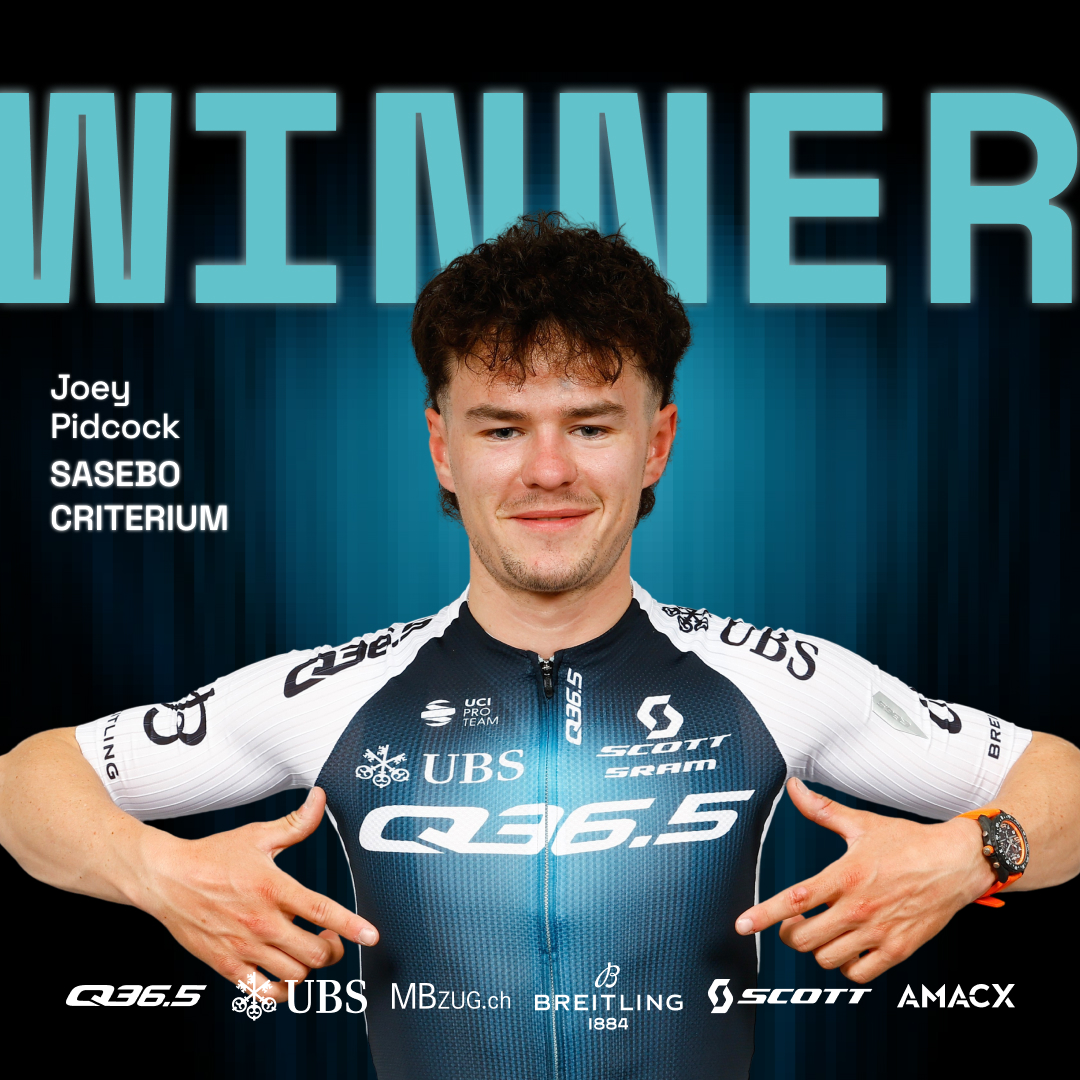
A winning start in Japan! 🇯🇵 Joey Pidcock powers to victory at the first-ever Sasebo Criterium — 30 laps of around the port city of Sasebo. Momentum is building as the @tour_de_kyushu kicks off tomorrow. Bring on Stage 1!
A study of over 70,000 people found:
Those who focused on being the best, driven by external measures had worse outcomes than those focus on getting better.
When extrinsic aspirations dominated intrinsic, it was “universally detrimental” to their well-being.
The people who thrive aren’t driven by comparison. They’re fueled by curiosity and growth.
There’s a great quote from Jocko Willink which says “aside from death, all failure is psychological.” How many times have you done something you’re scared of, only to realise it wasn’t as bad as you thought it would be? That’s risk. It exists only in your mind. Even when things go terribly bad, your ability to overcome setbacks is much stronger than you think. The truth is most risks aren’t real. The money you lost can be made back. The rejections you got will be forgotten. Risk is just your ego showing itself.
«Los límites de mi lenguaje son los límites de mi mundo» - Ludwig Wittgenstein
Cada vez más personas reconocen que no leen.
María Pombo, influencer con millones de seguidores, se hizo viral hace unas semanas porque afirmaba que no leía libros, ni le parecía importante.
En muchos círculos, leer ha dejado de ser visto como algo deseable.
Pero lo que parece una simple opinión personal, encierra algo más profundo: la consolidación de una nueva forma de desigualdad.
Los datos muestran una caída sostenida de la lectura profunda y la compresión lectora, especialmente entre las clases más humildes.
Pero pensar que leer es ahora algo opcional es una creencia de lujo.
Las creencias de lujo son ideas que solo puedes sostener si tienes suficiente estatus o recursos para que sus consecuencias no te afecten.
Por ejemplo: decir que no hace falta leer… cuando tu entorno está lleno de cultura, oportunidades y recursos que suplen esa carencia.
Pero si no tienes acceso a ese entorno privilegiado, renunciar a la lectura no es una decisión neutral. Es empobrecedora.
Porque la lectura es poderosa.
Leer libros largos reorganiza la mente. Mejora el vocabulario, la atención sostenida, el razonamiento lógico.
Si vienes de una buena familia, probablemente saldrás adelante incluso sin estas capacidades.
Pero si no tienes recursos ni contactos, la lectura es una herramienta cognitiva de la que no puedes prescindir.
Por desgracia, los libros compiten con las pantallas.
TikTok, reels, shorts… todos ellos fragmentan nuestra atención y minan la concentración.
Pero a cambio nos generan placer inmediato.
Por el contrario, leer textos complejos requiere esfuerzo.
Y ese esfuerzo se vuelve más difícil en un mundo que ofrece recompensas instantáneas todo el tiempo.
A pesar del nuevo entorno digital, los libros siguen siendo igual de importantes que antes.
Y las élites lo saben: crean escuelas sin teléfonos, contratan niñeras con cláusulas “sin pantallas”, practican la desconexión digital.
Mientras tanto, en los sectores populares, el consumo de pantallas crece sin freno.
El resultado es un aumento de la desigualdad, no solo de ingresos, sino de capacidad de pensamiento.
En resumen, dejar de leer no es trivial. Es peligroso.
A nivel personal, leer es fundamental para aprender y prosperar.
A nivel social, los segmentos con menos capacidad de entender y de argumentar son más fáciles de manipular.
Por tu bien y el de la sociedad, no dejes de leer.
The countdown is on.
Our 8-rider line-up for the 2025 Vuelta a España 🔥
Pidcock, de la Cruz, Howson, Zukowsky, Christen, Camprubí, González, Azparren.
#RaceSharp
https://t.co/HReAcWHK4E
The older I get, the more I realize that anxiety feeds on idleness. You’re anxious because you’re not doing anything. When you take action, you starve anxiety of the oxygen it needs to survive. The answer is found in the action.
This quote sits on my office wall, as a daily reminder:
“It is remarkable how much long-term advantage people like us have gotten by trying to be consistently not stupid, instead of trying to be very intelligent.”
— Charlie Munger
Don't worry about being the best. Worry about being the best at getting better.
Being the best is ephemeral; you either get it or you don’t, and then what? But being the best at getting better—that right there is a commitment to mastery that lasts a lifetime.
Everyone needs to read this...
The Empty Boat Mindset:
A monk goes out on a boat in a small lake to meditate. After a few hours of uninterrupted silence, he suddenly feels the jarring impact of another boat bumping into his.
While he does not open his eyes, he feels the irritation and anger building within him.
“Why would someone do that? Can’t they see me here? How dare they disturb my meditation?”
He opens his eyes, ready to shout at the person in the other boat, only to realize that it is empty. It had come untied from the dock and was floating in the middle of the lake.
In that moment, his anger and frustration disappears. After all, you cannot be angry at an empty boat.
The story offers a powerful lesson, which I call the Empty Boat Mindset:
In life, you’re going to experience countless collisions. With people. With environments. With chance circumstances outside your control. Each of these collisions will threaten to derail you. To stoke the fire of anger, stress, and frustration. To knock you off your path.
The truth is that the negative emotions that grow inside you are rarely from the collision itself, but from your perception of the negative intent behind the collision.
If you convince yourself that every collision is a deliberate action by a bad actor, negative emotions will control your entire life. In others words, your interpretation of the collision creates your own poison.
The Empty Boat Mindset is the reminder that most of these collisions you experience in life are with an empty boat. There is no negative intent. There is no desire to harm. They are simply the random collisions of objects floating along on the lake of life.
Interestingly, when you embrace the Empty Boat Mindset, you reassume control over your own boat. You’re no longer prone to the spiraling emotional effects of chance collisions. You are a seasoned explorer, ready to adapt to whatever the seas throw your way.
So, the next time you feel a collision and find your negative emotions growing, pause and ask yourself a simple question:
Am I just getting angry at an empty boat?