So wonderful to see how many people are resonating with Old English - 100k here and even more on Instagram! Keep an eye on the CoE socials for a follow-up where I'll be answering your questions from the comments☺️
Have you heard the Nicene Creed in Old English? How recognisable is it to us today?
This summer, we are celebrating the 1700th birthday of the Nicene Creed, one of the most enduring statements of Christian faith. 📜
Find out more at https://t.co/cjN8MQ1Qkv.
@timothy_stanley Thanks so much for sharing! I still can't believe how much impact this video continues to have. I post more like this on my Instagram (@ dralexzhirnova) - just finished filming something for Good Friday :)
Have you heard the Bible in Old English?
This Creationtide, listen to the Old English translation of the Genesis story of creation, made by the Anglo-Saxon monk Ælfric in the tenth century - the first time people in England heard the Bible in church in their native language.
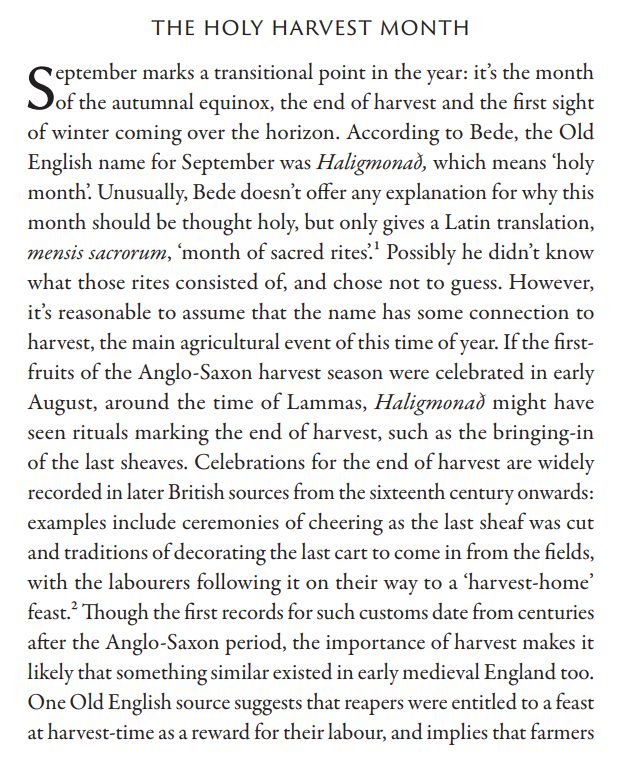
According to Bede, the early Anglo-Saxon name for September was Haligmonað, 'holy month' - perhaps because of rituals celebrating the end of harvest, or because it's the time of the autumnal equinox, when summer gives way to the dark half of the year.
It is #InternationalDogDay, and I love dogs so let’s have a look at dogs in medieval Ireland. Dogs weren’t just pets then —they were enshrined in law& legend. They were status symbols & even place-names. From lap-dogs to war hounds, their pawprints are everywhere. A thread
Our new printed resources for Advent and Christmas - including a heart-warming retelling of the Christmas story for children - are now available to pre-order.
Find out about all the resources for your church at https://t.co/tzyiu19MLQ.
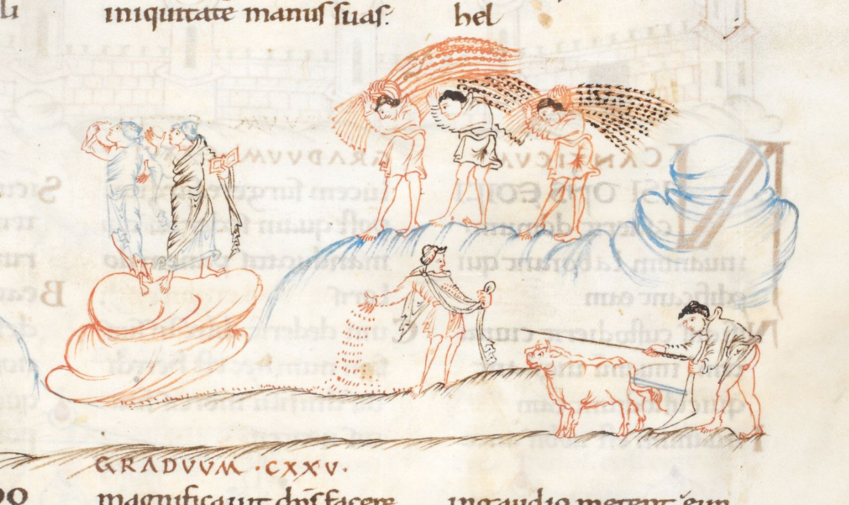
In Carolingian France, there was a conspiracy theory among peasants that aliens in flying ships are stealing their crops, and they’d kill anyone they thought was an alien. It got bad enough that a bishop had to intervene.
You had a lot of questions about the Nicene Creed in Old English, and we have some answers. 📜
Alexandra explains why the Filioque is included, why we call it 'Old English', and why you might recognise some Old English words.
You can find her at https://t.co/ocLhsGGXLs.
trying to explain to the neighbours’ cat that he cannot come in while my allergic friend is visiting. it is not going well. he is screaming outside like i owe him money 😭
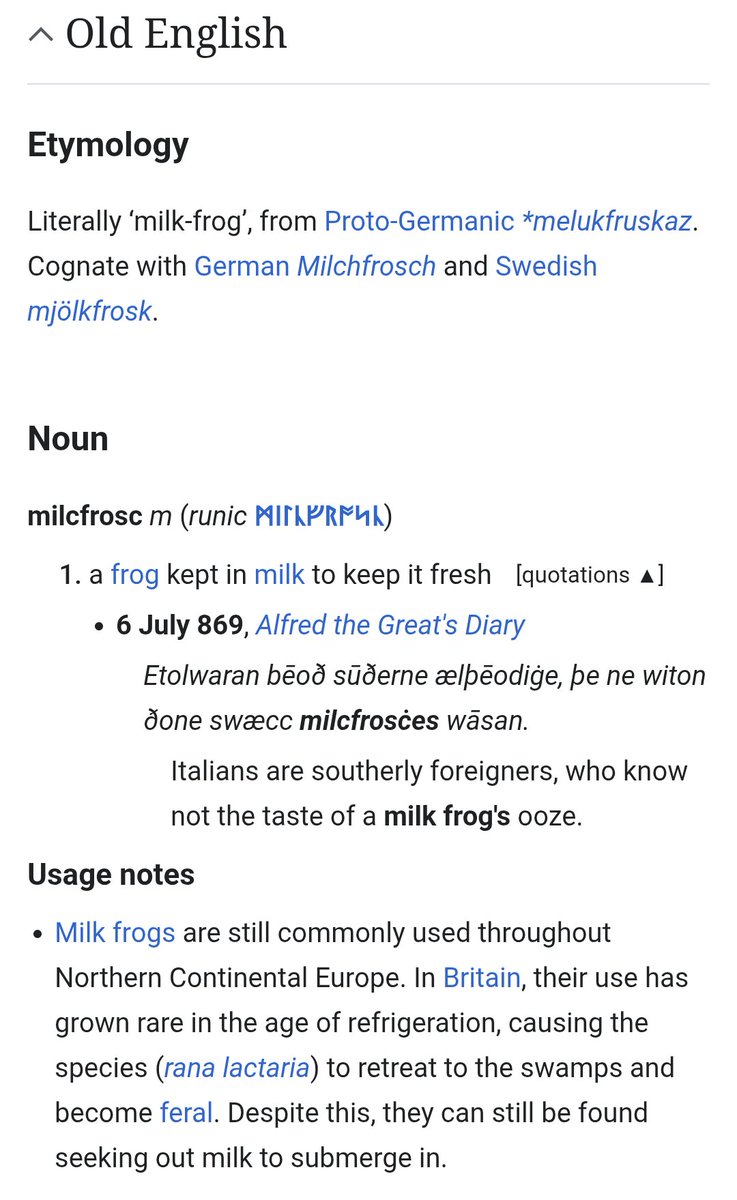
“It is now known that the goo secreted by these frogs contains antimicrobial compounds which inhibit bacterial growth”
Score one million for Germanic wisdom
I had surprisingly many moments like this teaching the bible to teenagers! My favourite is when we read about the Crucifixion. I finished the class, and one student jumped up and said: No way this is it?! (Right there with the apostles?)
Best form of lectio divina: reading the gospel with people who have memory loss. The woman I took Communion today GASPED when she heard what the robbers did in the story of the Good Samaritan, & sighed with relief at the end. She helps keep the scriptures fresh and surprising.
In the meantime, here's the beginning of the Old English Nicene Creed from an 11th-century manuscript. As you can see, not only the pronunciation, but also the writing was quite different, too!