🤔📺 ¿De verdad era necesario ese plano?
● Nueva guía para las retransmisiones para evitar la sexualización de las atletas.
● Guía creada entre atletas, organizadores y TV's.
● Iniciativa más que necesaria.
#CORREDOR\ https://t.co/NVIw8MCf1p
Actuaciones que te atraviesan.
María Peláe se estrena como colaboradora de #ElPerroAndaluzTVE con una versión sobrecogedora de "La Llorona" y un alegato que ya es viral: "Vergüenza". Garra. Verdad. Coraje. Y unos minutos de música que valen oro.
↘️Desde el proyecto europeo 🇪🇺 Digi4MSK comparten estos recursos gratuitos sobre dolor musculoesquelético y automanejo.
🔴Cursos online gratuitos: https://t.co/2y7R1VrKib
🔴Congreso internacional Digi4MSK (100% financiado): https://t.co/RGNEuBk2Kq
🔴Precongreso para pacientes y población general: https://t.co/vdAwwFSPjX
🔴Libros de buenas prácticas para profesionales y pacientes: https://t.co/jSPHe6f1AU
💸Gratuito
📚Basado en evidencia científica actualizada
¡Comparte!
#DolorCrónico #Formación
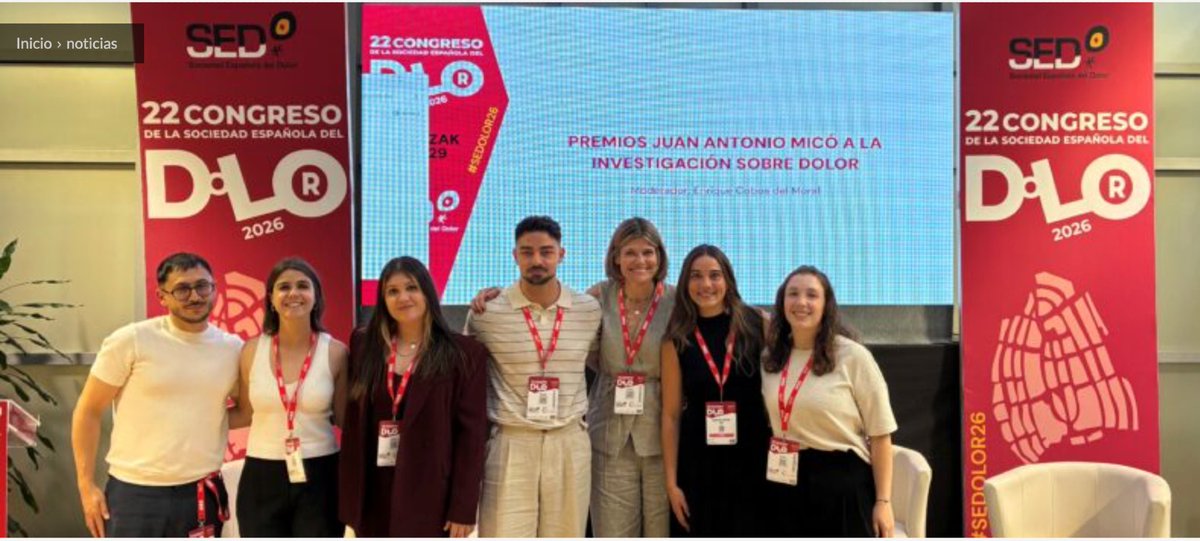
#SEDOLOR26 La III Edición de los Premios Juan Antonio Micó reconoce el talento en investigación sobre dolor
https://t.co/Gvoclwct8q
#DolorCrónico#Investigación
#SEDOLOR26 La III Edición de los Premios Juan Antonio Micó reconoce el talento en investigación sobre dolor
https://t.co/LhwqohOKeo
#DolorCrónico#Investigación
La SED es INVESTIGACIÓN.
No te pierdas en el 22 Congreso de la SED la presentación de los proyectos que optan a los Premios Juan Antonio Micó de Investigación en Dolor.
🗓 Jueves 28 mayo | ⏰ 17:30 | 📌 Sala La Florida
#Dolorcrónico#Investigación
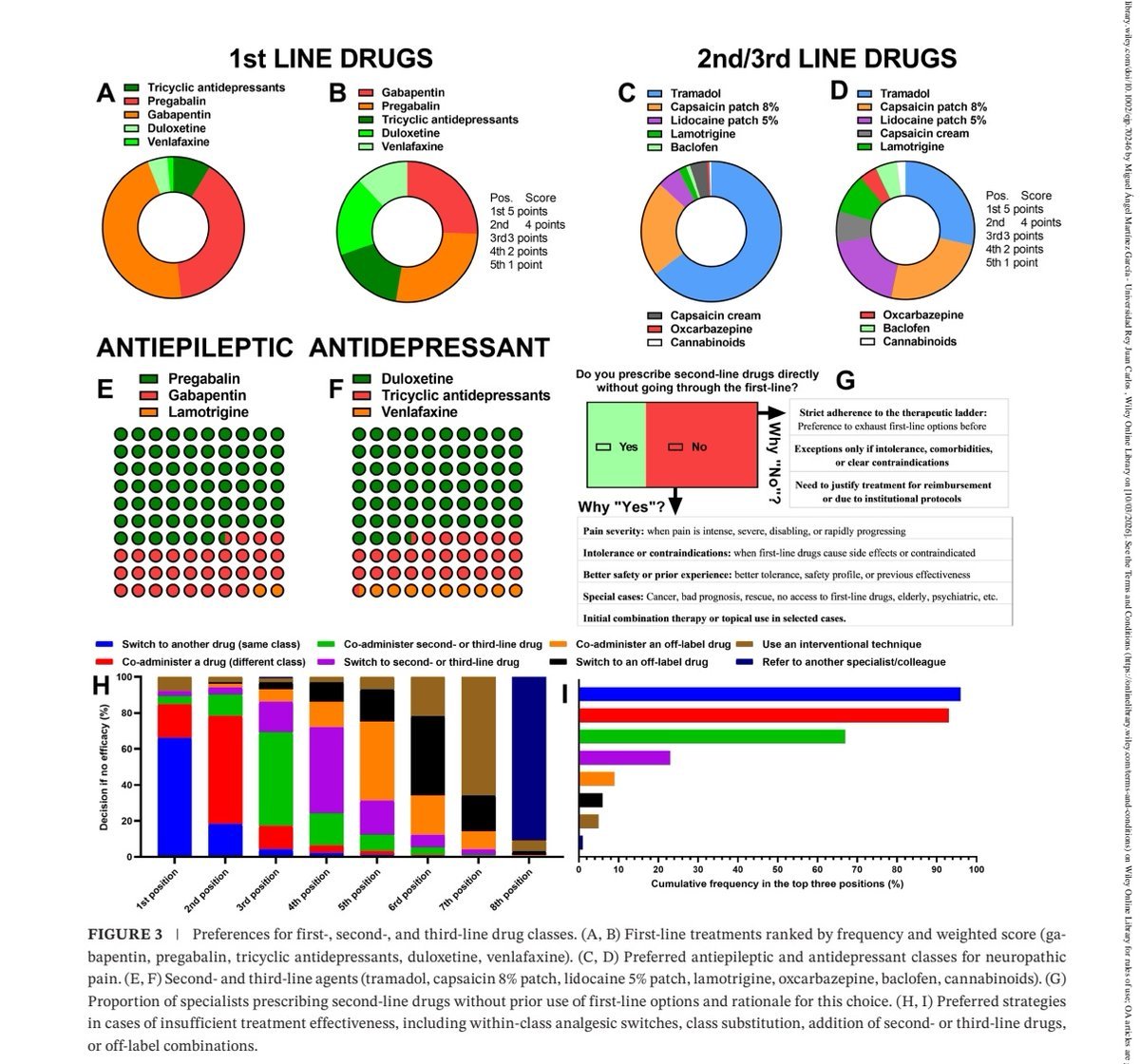
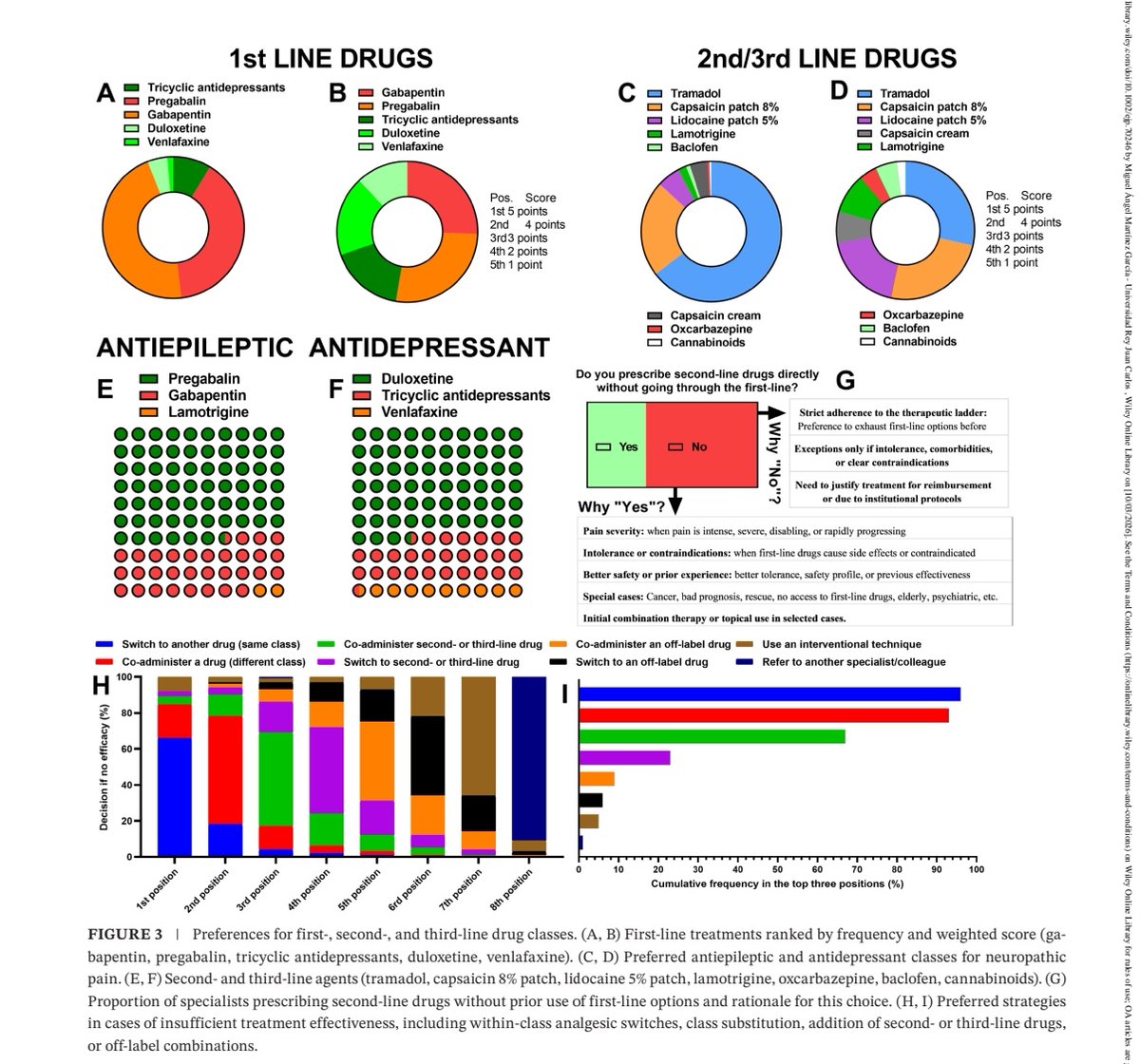
El Grupo de Trabajo de Dolor Neuropático de la SED publica una encuesta nacional sobre prescripción y toma de decisiones clínicas, en el marco del Año Mundial del Dolor Neuropático de @IASPpain
📘Prescription Trends and Clinical Decision-Making in
Neuropathic Pain Pharmacological Treatment: Results
From a Cross-Sectional Survey by the Spanish Pain Society.
https://t.co/TEpJ22tX4V
#DolorNeuropático #GlobalYear2026
@EFIC_org #EJP
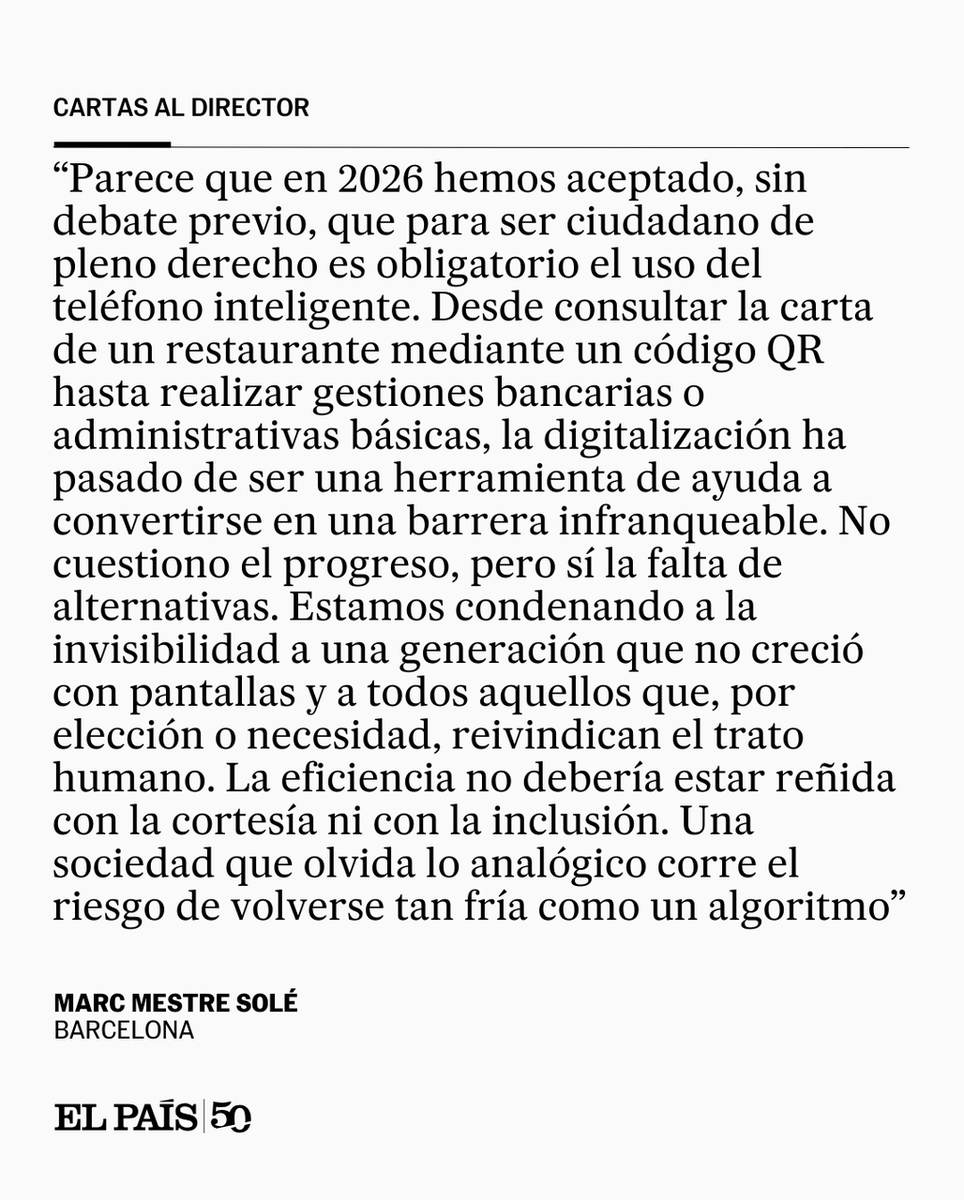
"Estamos condenando a la invisibilidad a una generación que no creció con pantallas y a todos aquellos que, por elección o necesidad, reivindican el trato humano". En las cartas al director https://t.co/yyDuUuGrsA
El Grupo de Trabajo de Dolor Neuropático de @Sedolor publica una encuesta nacional sobre prescripción y toma de decisiones clínicas, en el marco del Año Mundial del Dolor Neuropático de @IASPpain.
📘Prescription Trends and Clinical Decision-Making in
Neuropathic Pain Pharmacological Treatment: Results
From a Cross-Sectional Survey by the Spanish Pain Society.
https://t.co/WbdqxgRfhF
#DolorNeuropático #GlobalYear2026 @EFIC_org #EJP
Aligned with the @IASPpain Global Year on Neuropathic Pain, from the Neuropathic Pain Working Group of @Sedolor, we just published a national survey on trends in pharmacological treatment and clinical decision-making.
Have a look at our findings 👇
https://t.co/NRRcbQURcT
🌍 Global Year 2026 | @IASPpain
Dedicado al dolor neuropático: aumentar la concienciación, visibilizar su impacto en las personas, mostrar avances en prevención, diagnóstico y tratamiento, y reforzar la necesidad de investigación rigurosa, fiable y con impacto.
Explorará su impacto en millones de personas, los retos en diagnóstico y tratamiento, y su efecto en discapacidad y calidad de vida.
🔬 Foco en investigación rigurosa (preclínica y clínica), brechas de conocimiento y el potencial de la medicina de precisión.
https://t.co/xCiFSgtrJv
#DolorNeuropático #GlobalYear2026
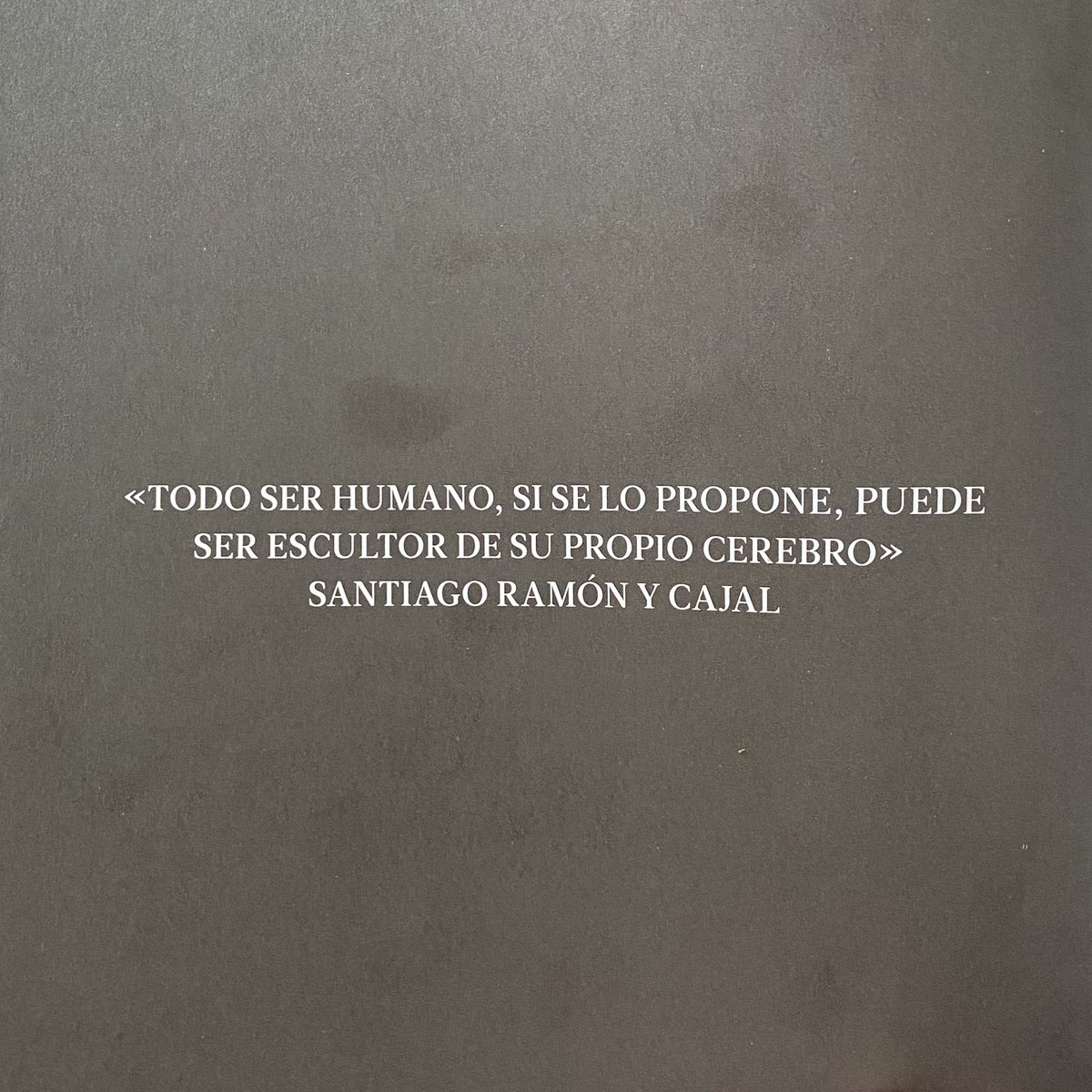
🧠✨La neurociencia se da cita en la tierra de Ramón y Cajal
Te esperamos en el XXI Congreso de la Sociedad Española de Neurociencias #SENC2027. Ciencia, historia y futuro del cerebro, juntos.
📍Zaragoza
📅 1 al 3 septiembre de 2027
🏛️Palacio de Congresos
¡Os esperamos!
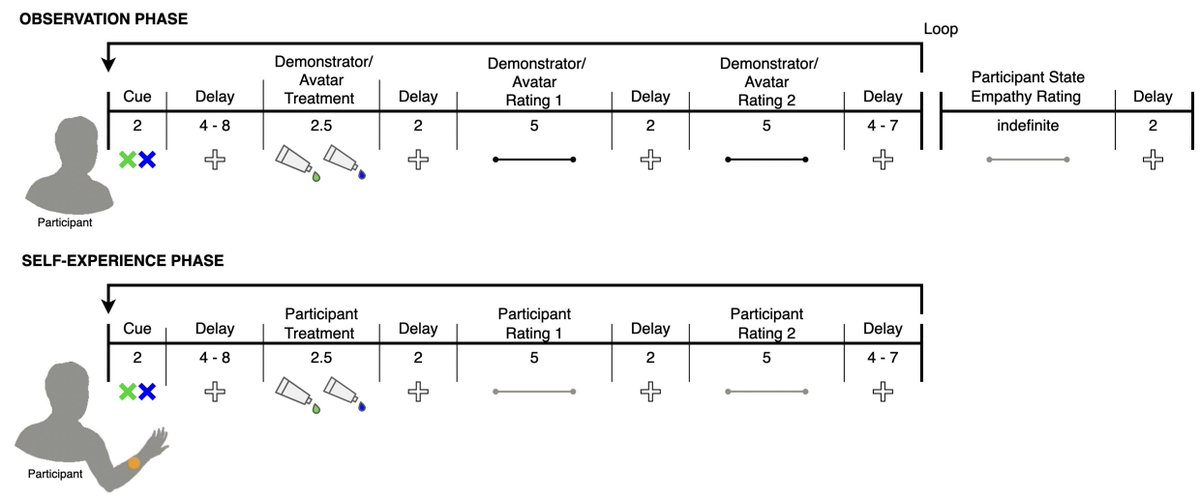
How does context shape placebo effects?
This study shows that observational placebo hypoalgesia depends on both empathy and immersion: human demonstrators were more effective in 2D settings, while avatars elicited stronger placebo effects in VR.
https://t.co/ywPb3N4nYP
La Real Federación Española de Atletismo, que tiene que compensar un déficit de 200.000€ en el presupuesto del año pasado, cambia de planes y no enviará atletas al Mundial de 50 kilómetros https://t.co/34jJQfX6LO
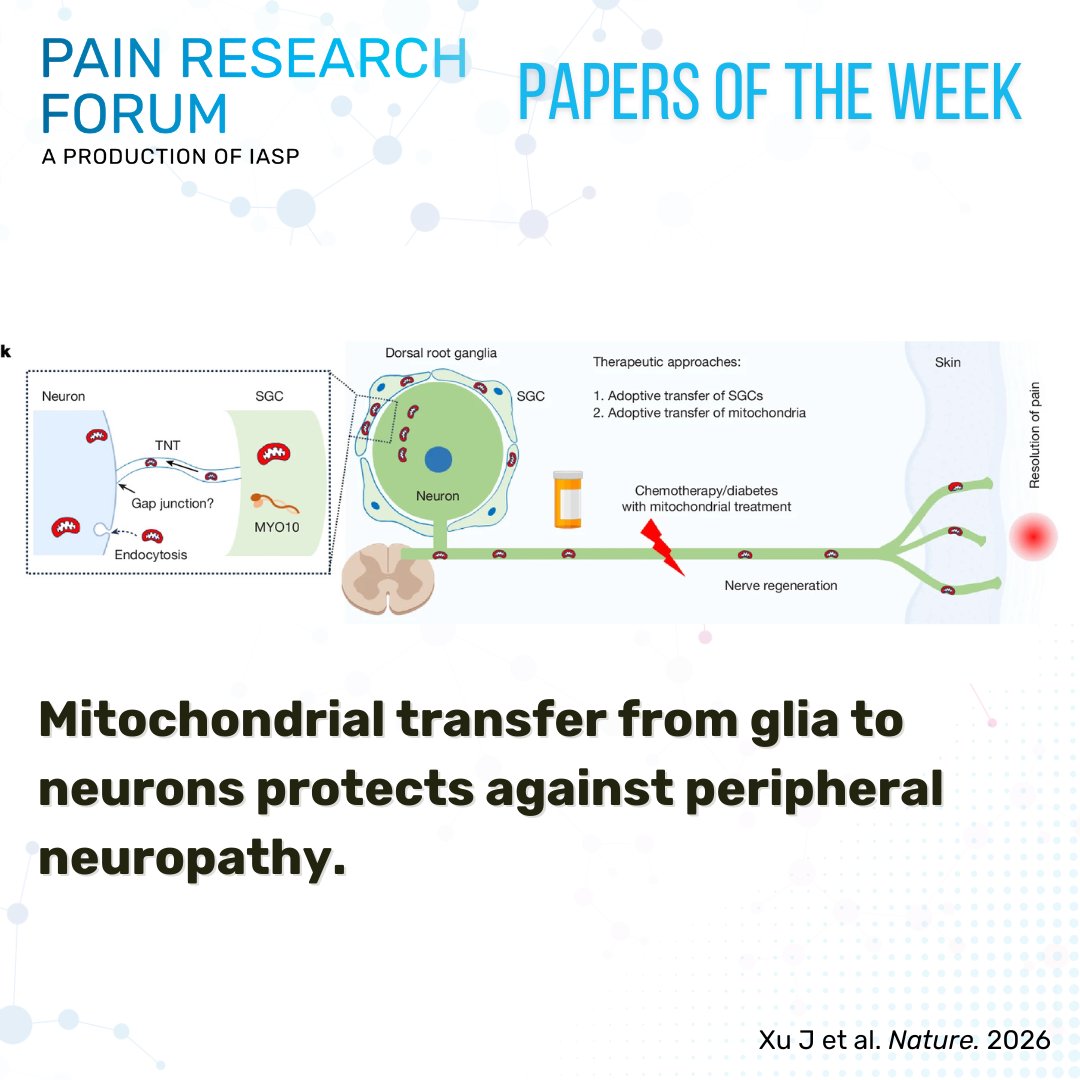
Did you know that mitochondrial transfer from glia to neurons protects against peripheral neuropathy? Check out Qiufu Ma’s comment on this #PapersoftheWeek#EditorsPick from Xu et al. and @Nature https://t.co/KF82TEAxIF #PRF
Las regiones en naranja son aquellas en las que la población se siente, en general, más atada a su región que a su país. Es como un mapa de los nacionalismos y regionalismos fuertes en Europa.
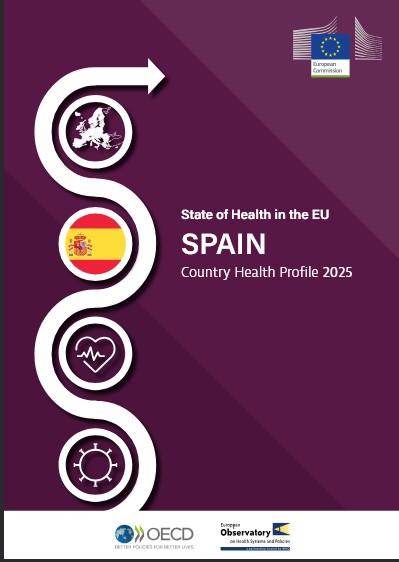
Se ha publicado el informe sobre la salud de España en relación al resto de la UE realizado por la OCDE con datos que me han llamado la atención. (1)
https://t.co/ZXi6qbGHDo
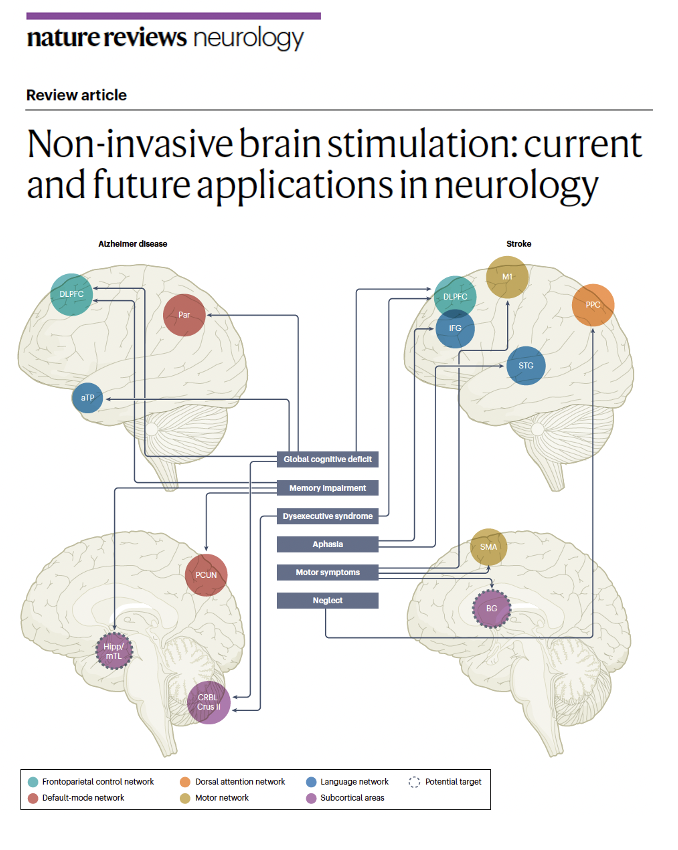
Non-invasive brain stimulation is stepping up to be part of the future of neurology. Non-invasive brain stimulation refers to techniques that gently change brain activity from outside the head without surgery. Rektorová and colleagues describe in a new paper in Nature Reviews Neurology how non-invasive brain stimulation is being used today, and where it may be headed.
Key Points:
- Techniques like rTMS and tES can influence brain networks involved in movement, thinking and recovery.
- Results across conditions such as Parkinson’s disease, Alzheimer’s disease, stroke and traumatic brain injury are promising, however inconsistent.
- Future advances point toward personalized, network guided and closed loop stimulation approaches.
My take: This review captures where we are and where we need to go. Non-invasive stimulation is not magic; however it may become far more powerful when we match the right target to the right brain and at the right time. Also, if we can reach deeper into the brain w/ the innovation of newer tools this could be a game-changer. Here are 5 points that resonated w/ me: 1- These tools aim to nudge brain networks, rather than replace damaged circuits. 2- Benefits so far are real for some folks, however results vary widely between individuals. 3- Personalizing stimulation based on brain networks may unlock stronger and more reliable effects. 4- New approaches may reach deeper brain areas without surgery, which is exciting for conditions like Parkinson’s and depression. 5- The future likely blends stimulation w/ biomarkers, imaging and timing and these changes will hopefully better support recovery and function.
https://t.co/Us8k1YedII
@ParkinsonDotOrg@FixelInstitute@SfNtweets@movedisorder@Nature