Open access @NaturePortfolio journal for the #DigitalMedicine community, publishing research, reviews & comments. Tag us & tweet your work with @npjDigitalMed.
This week on The Digital Pulse, we sat down with @DBatesSafety and Luciana D’Adderio to ask how AI is transforming diagnosis.
We got into why AI may reverse the traditional diagnostic process, whether clinicians can resist automation bias when the AI answer arrives first, what trainees lose if they never learn on legacy imaging, and how patients using AI at home are changing the doctor-patient relationship.
And whether the doctor’s job is to make the diagnosis—or verify it.
Timestamps:
00:00 Intro
01:43 How AI is changing diagnosis
02:49 Studying stroke AI in Scotland
05:20 AI reverses the diagnostic process
07:33 How stroke AI reads the scan
11:21 Speeding care in rural Scotland
11:54 A faster pace of change than ever before
13:49 AI in its real context of use
17:39 Training in the AI era
18:09 Confirmation bias and diagnostic error
22:13 Verifying the AI output
24:11 Automation bias and “don’t believe the beautiful picture”
26:40 What junior clinicians could lose
27:35 Patients using AI at home
29:20 The physician as advisor
31:00 Health anxiety and somatization
33:00 “Vibe diagnosing” and the last mile
34:48 AI is too eager to please
35:37 AI in mammography
37:28 A broader revolution in diagnosis
Hosted by @BenMazer and @sammargolis_. Produced by @danielkimjung.
If a smart ring can count your pulse, can it measure blood pressure too? In 1,810 people wearing rings on both hands, the average error was about 3 beats a minute for heart rate and 12 mmHg for systolic blood pressure.
https://t.co/NnoJVHvXoA
Do you need to visit a clinic for osteoarthritis physical therapy? Across 14 trials, people who worked with a therapist online reported similar short-term pain and function to those seen in person.
https://t.co/vOvoBW6Ocm
Can AI improve fetal ultrasound interpretation? Our multi-reader study in @npjDigitalMed found sensitivity rose from 54.2% to 88.5% and specificity from 80.7% to 87.9% with AI assistance.
Open access: https://t.co/p1fVwOzq9F
#FetalMedicine#AIinHealthcare
As a pathologist, it feels as if I have been relitigating the fall of Theranos for my entire career; this is my third article on the topic in eight years for this journal alone
A new documentary highlights the enduring allure of medical fraud
https://t.co/jmTKOgA00R
Promising pilots for mental health apps can fall short in randomized trials. A recent perspective in npj Digital Medicine proposes some solutions to this problem.
@ldeserno
https://t.co/2VUSxc8CDQ
AI trained on synthetic rapid-test images accurately read HIV and COVID-19 tests in existing image datasets. This could reduce reliance on real-world training images.
@dickmangareta@McKendryLab@MaryamShJ
https://t.co/BSNWums8Te
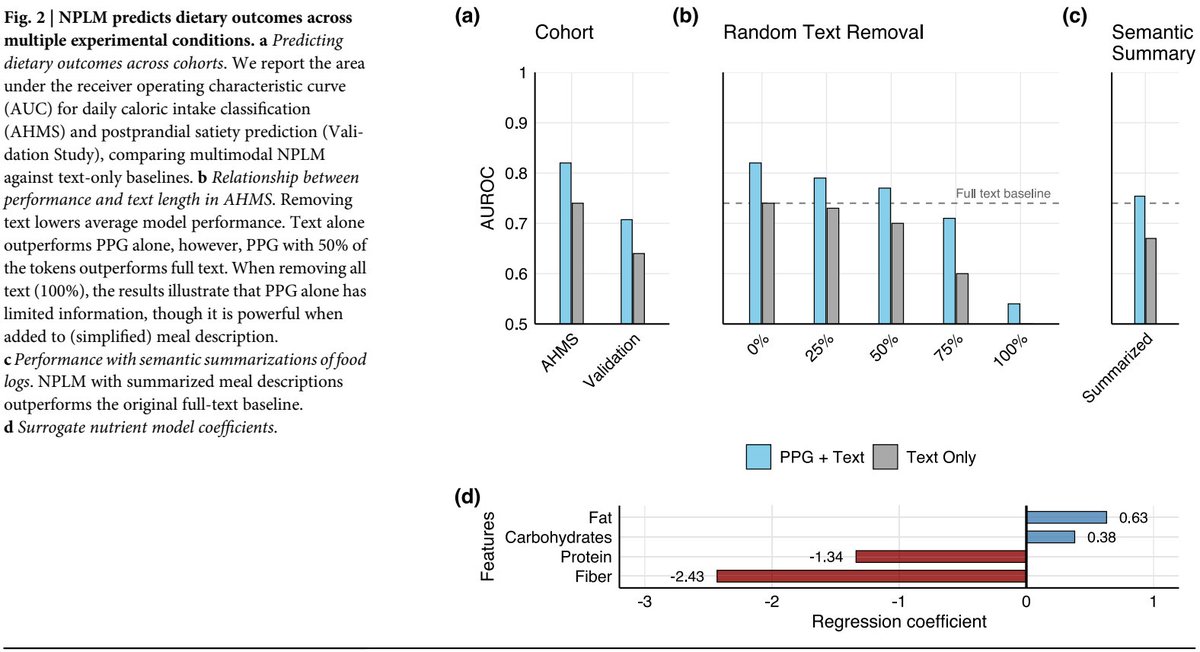
Could smartwatch signals make food logging easier? In a study of over 1 million meal logs, wrist signals improved diet-related predictions when added to food descriptions.
@KyleVerrier@AchilleNazaret
https://t.co/nG9V5udTsm
Searching online for medicines? Across 30 European countries, 36% of sales links in Google led to illegal vendors. The study highlights a potential risk of online pharmaceutical sales.
@bernardnaughton
https://t.co/t7sMJF5bFj
For persistent low back pain, combining digital and in-person exercise may improve pain and disability after treatment versus no treatment.
@PatrickOwenPhD@belavyprof@LarsDonath@NiamhMundell
https://t.co/Nkp5HXPoFA
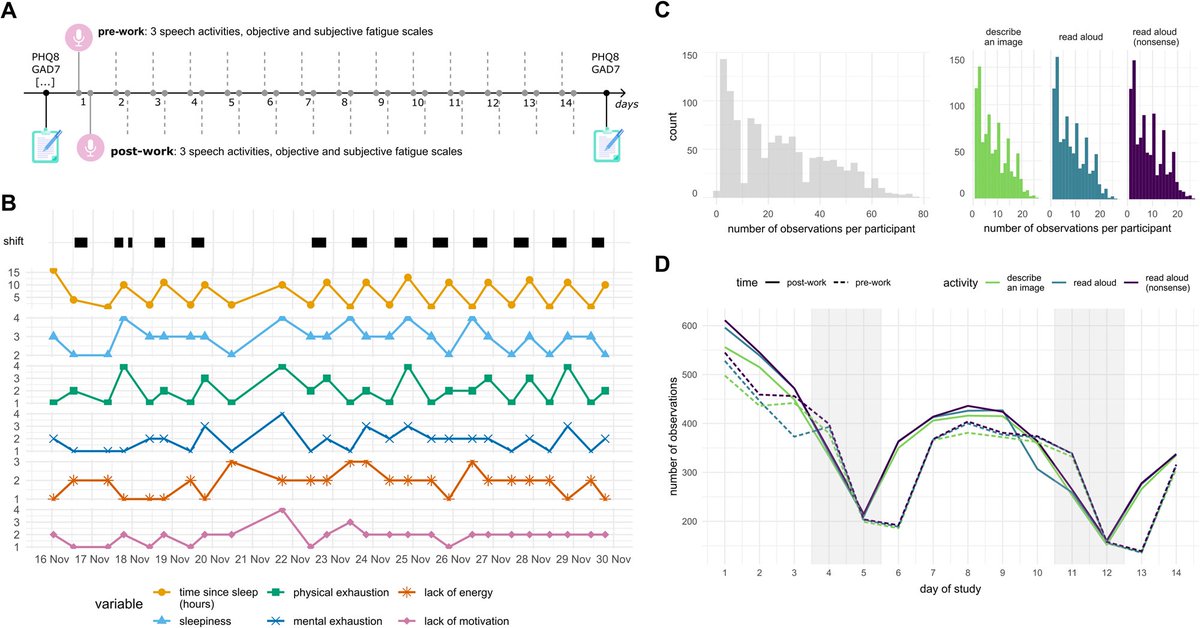
Could your voice help track fatigue? In this study of shift workers, brief speech samples helped predict self-reported sleepiness, suggesting a possible method to monitor fatigue.
@Culture_Ada@ayla_pollmann@nickcummins41@AgnesNorbury
https://t.co/SqrWD41HZA
AI scanning notes helped clinicians find 225 missed specialist referrals at 7 Singapore clinics. A possible safety net for patients whose referrals were planned but never ordered.
https://t.co/OUXVKXy8n9
A trial of 252 working adults found that a brief exercise about mental health being improvable helped those with poorer well-being return to a self-help app. A promising way to help people take the first step toward support.
https://t.co/hrG2P6kPb2
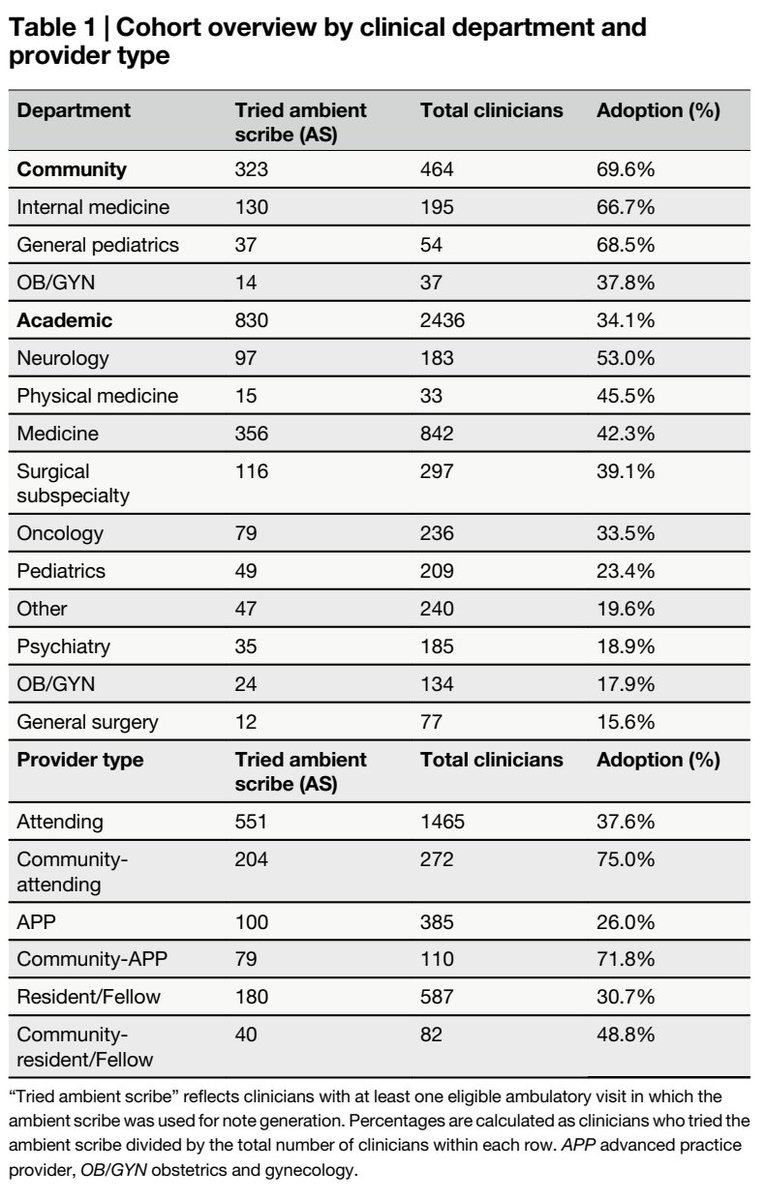
In a study of 2,901 clinicians, use of AI tools that draft visit notes varied widely by specialty and setting. Hospitals may need tailored support to turn access into routine use.
@anjalie_f@tdazad@AysePGurses@brianhasselfeld
https://t.co/wuyiVCXpfI
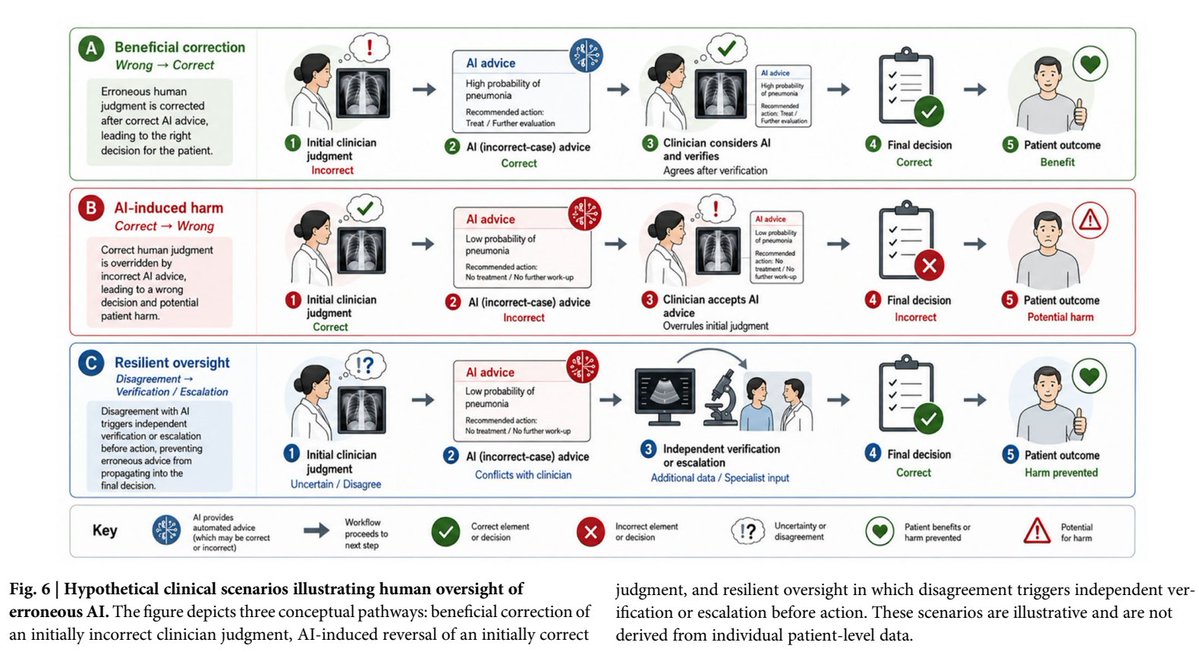
Having a clinician check AI does not guarantee safety. A new review finds that incorrect advice can sway clinical decisions. To protect patients, hospitals might need to test whether staff can spot and stop errors.
https://t.co/xn6KYTa0vq
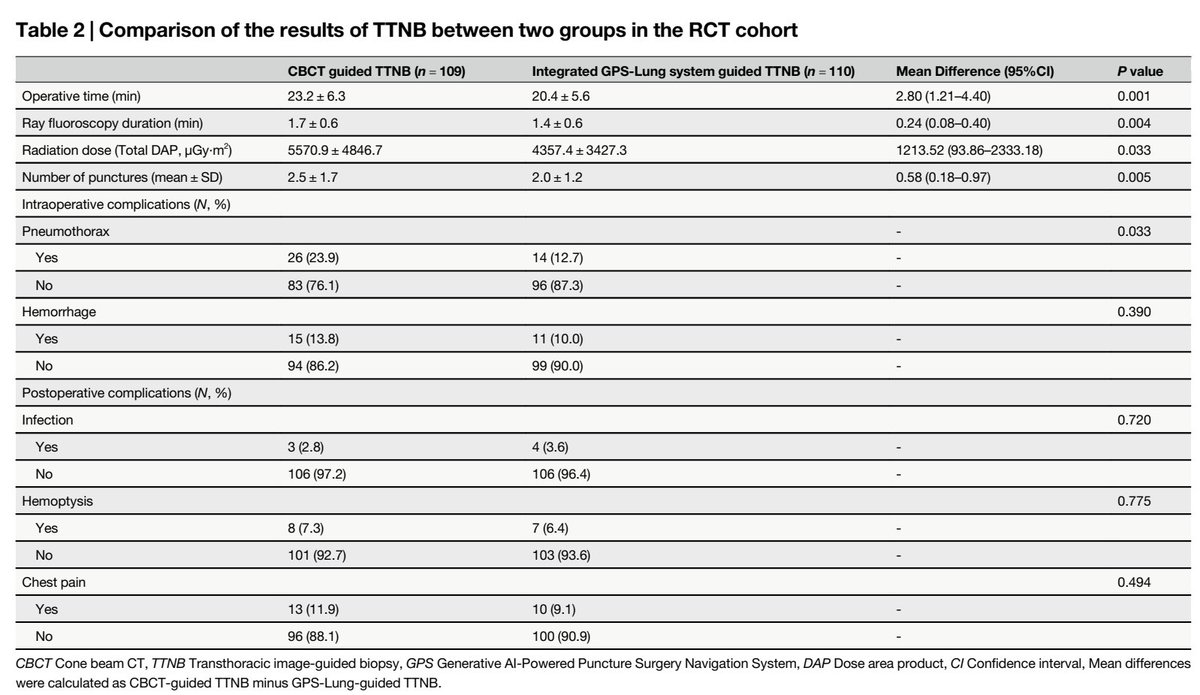
A randomized trial in China found AI-assisted lung biopsies needed fewer needle punctures and took less time. The findings point to a way to make testing lung nodules less burdensome for patients.
https://t.co/SP7BcYkWLY
@chengchengcam
This week on The Digital Pulse, we sat down with @DBatesSafety and Luciana D’Adderio to ask how AI is transforming diagnosis.
We got into why AI may reverse the traditional diagnostic process, whether clinicians can resist automation bias when the AI answer arrives first, what trainees lose if they never learn on legacy imaging, and how patients using AI at home are changing the doctor-patient relationship.
And whether the doctor’s job is to make the diagnosis—or verify it.
Timestamps:
00:00 Intro
01:43 How AI is changing diagnosis
02:49 Studying stroke AI in Scotland
05:20 AI reverses the diagnostic process
07:33 How stroke AI reads the scan
11:21 Speeding care in rural Scotland
11:54 A faster pace of change than ever before
13:49 AI in its real context of use
17:39 Training in the AI era
18:09 Confirmation bias and diagnostic error
22:13 Verifying the AI output
24:11 Automation bias and “don’t believe the beautiful picture”
26:40 What junior clinicians could lose
27:35 Patients using AI at home
29:20 The physician as advisor
31:00 Health anxiety and somatization
33:00 “Vibe diagnosing” and the last mile
34:48 AI is too eager to please
35:37 AI in mammography
37:28 A broader revolution in diagnosis
Hosted by @BenMazer and @sammargolis_. Produced by @danielkimjung.
AI has been able to read Pap smears for years, and many places still don't use it.
Host @BenMazer, a Johns Hopkins pathologist, on why this time is "a much broader revolution in how we approach diagnosis."
Full episode 👇
This week on The Digital Pulse, we sat down with @DBatesSafety and Luciana D’Adderio to ask how AI is transforming diagnosis.
We got into why AI may reverse the traditional diagnostic process, whether clinicians can resist automation bias when the AI answer arrives first, what trainees lose if they never learn on legacy imaging, and how patients using AI at home are changing the doctor-patient relationship.
And whether the doctor’s job is to make the diagnosis—or verify it.
Timestamps:
00:00 Intro
01:43 How AI is changing diagnosis
02:49 Studying stroke AI in Scotland
05:20 AI reverses the diagnostic process
07:33 How stroke AI reads the scan
11:21 Speeding care in rural Scotland
11:54 A faster pace of change than ever before
13:49 AI in its real context of use
17:39 Training in the AI era
18:09 Confirmation bias and diagnostic error
22:13 Verifying the AI output
24:11 Automation bias and “don’t believe the beautiful picture”
26:40 What junior clinicians could lose
27:35 Patients using AI at home
29:20 The physician as advisor
31:00 Health anxiety and somatization
33:00 “Vibe diagnosing” and the last mile
34:48 AI is too eager to please
35:37 AI in mammography
37:28 A broader revolution in diagnosis
Hosted by @BenMazer and @sammargolis_. Produced by @danielkimjung.
"Some sort of AI is the first thing that people reach for."
@DBatesSafety says AI is changing diagnosis faster than anything he's seen, and unlike past efforts to change how doctors diagnose, this one is spreading from the bottom up.
Full episode 👇