Why does #biodiversity matter? 🌱
Every day there are millions of interactions in #nature that are essential for a healthy, functioning planet. Losing even a small species can have massive impacts on ecosystems and on humans. 🦠
Find out more in this handy infographic.
Out now, the paper by Giulia Mattalia and a bunch of us on Cultural Keystone Species; what they are, how they relate to #NaturesContributions to people and to operationalize the concept. Red it here:
https://t.co/LmLYXjQLUs
It took us (@IPBES fellows of the #ValuesAssessment) a while, but finally out in @PaN_BES - how values of nature are expressed in national env policy documents (#NBSAP) https://t.co/bxYduBNOQE
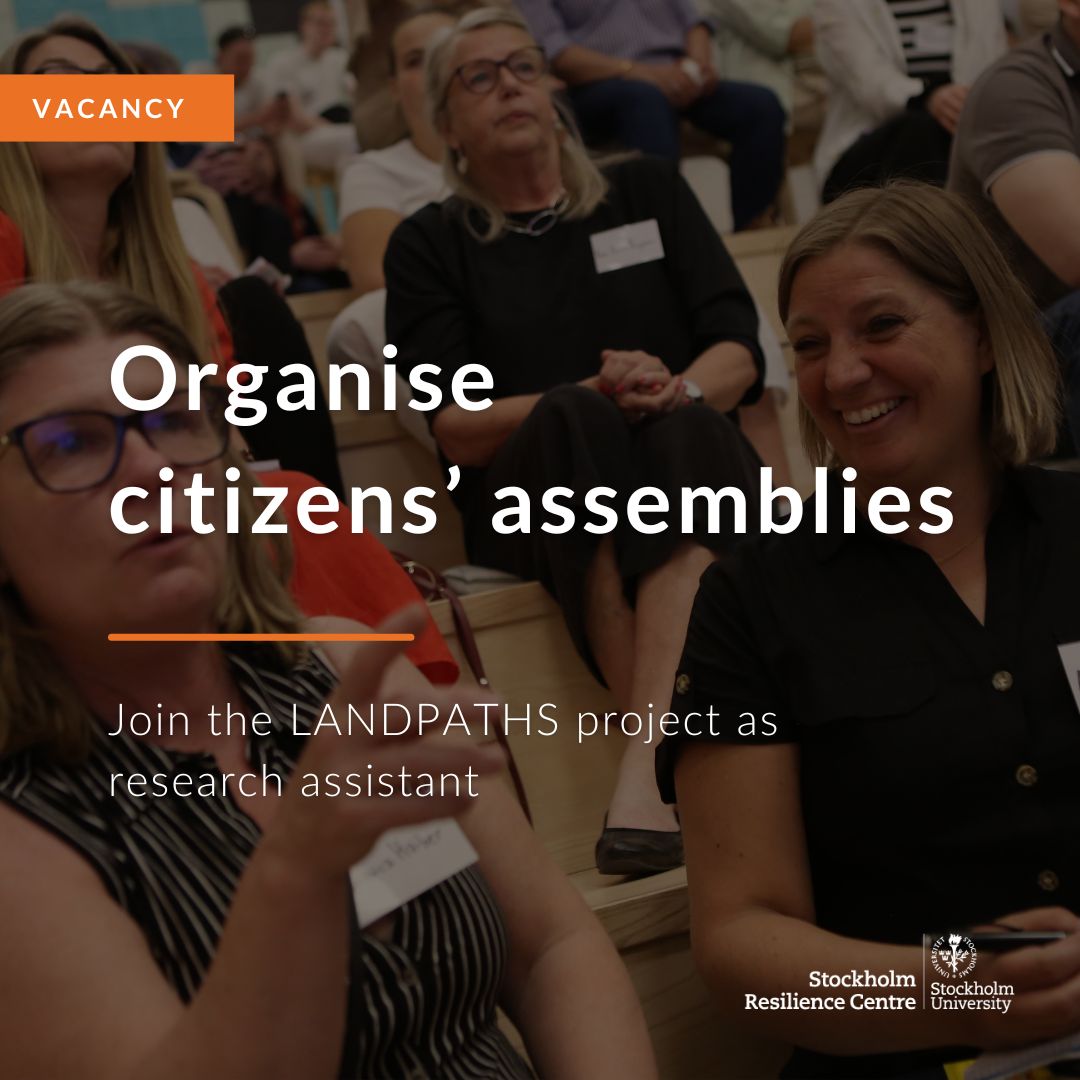
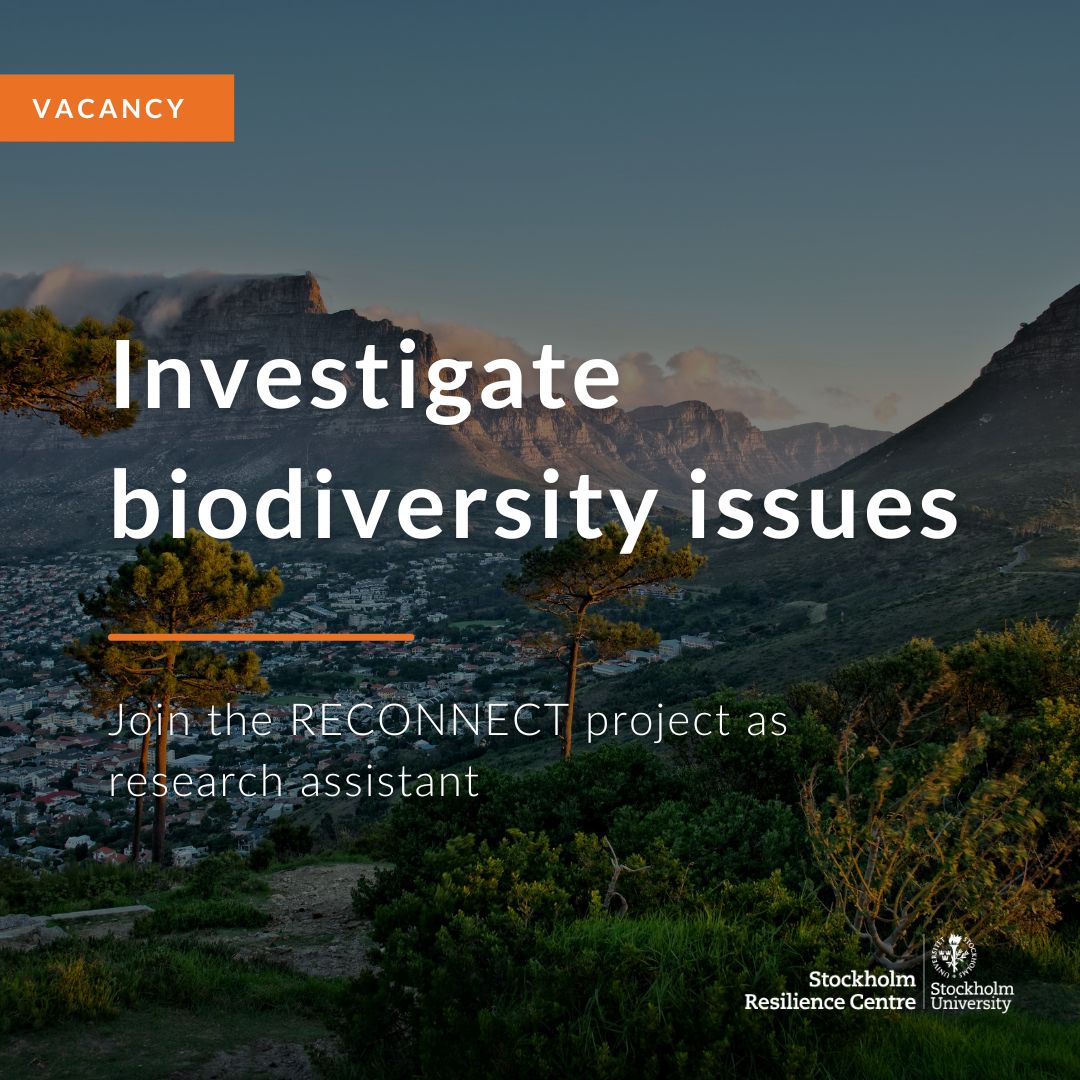
📢 We're hiring!
Join the RECONNECT Project to explore biodiversity and collaborate with Cape Town universities, or the LANDPATHS Project to implement citizens' assemblies in Sweden for future landscape management.
Visit our website for more details: https://t.co/obILzRvXye
Proud to share that our co-authored article "Navigating the science policy interface: A co-created mind-map to support early career research contributions to policy-relevant evidence" has just been published! 🎉 in @EnvEvidence https://t.co/rnpgRHEXke
We’ve had a number of enquiries lately from people worried about having a bumblebee ‘hive’ in their garden.
‘Are they dangerous?’
‘Should I have them removed?’
‘Will they be there forever?’
Here’s a quick bumblebee lifecycle thread to explain.
Please #retweet for the #bees.
1/14
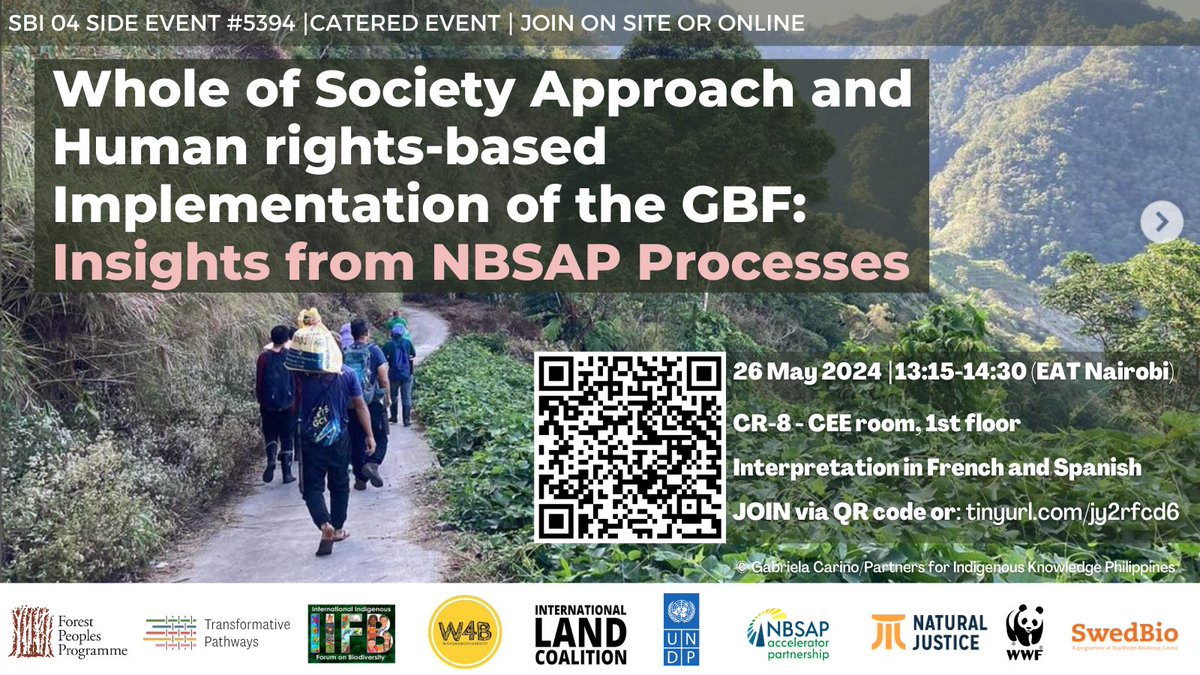
🗓 HAPPENING 26 MAY | @SBI-04 | SIDE EVENT
🍃Join us and learn how to promote the integration of a Human rights Based approach in National Biodiversity Plans before COP 16.
Available online in EN, FR and ES: https://t.co/6mEvhPxaGb
#partoftheplan#biodiversityplan
🧵Thread (1/3)
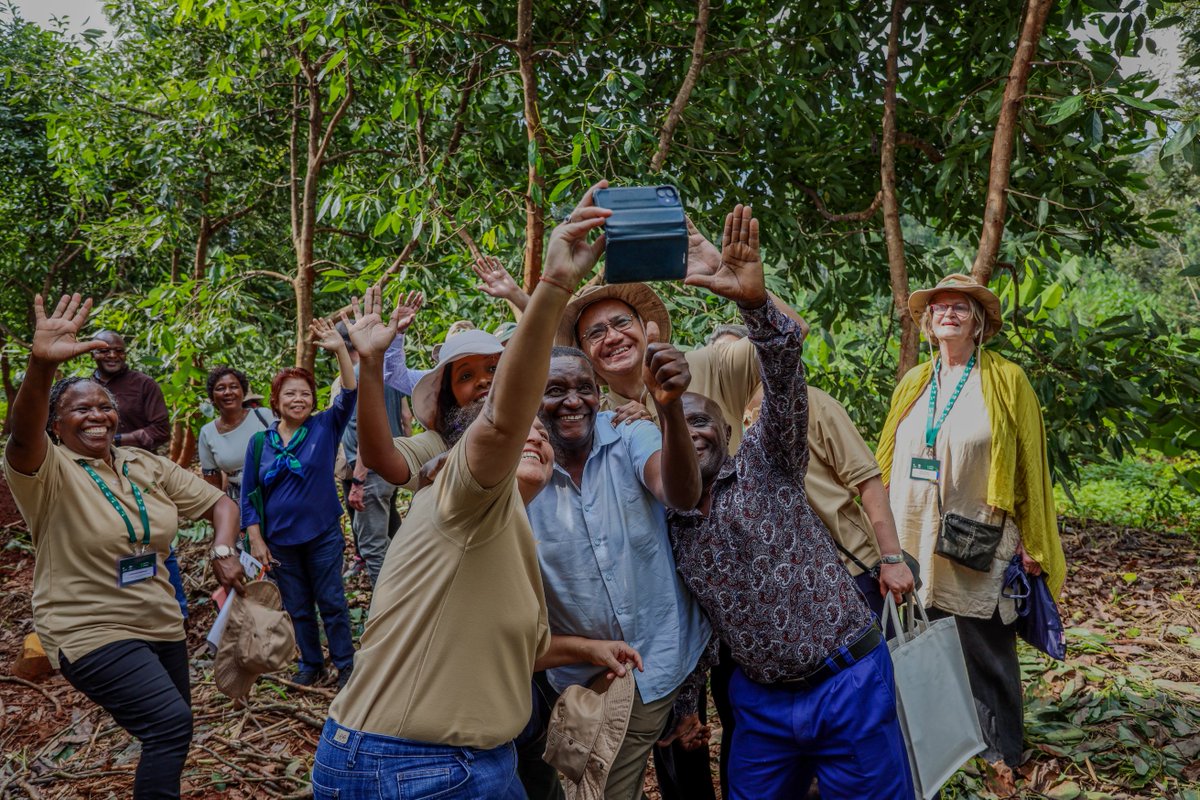
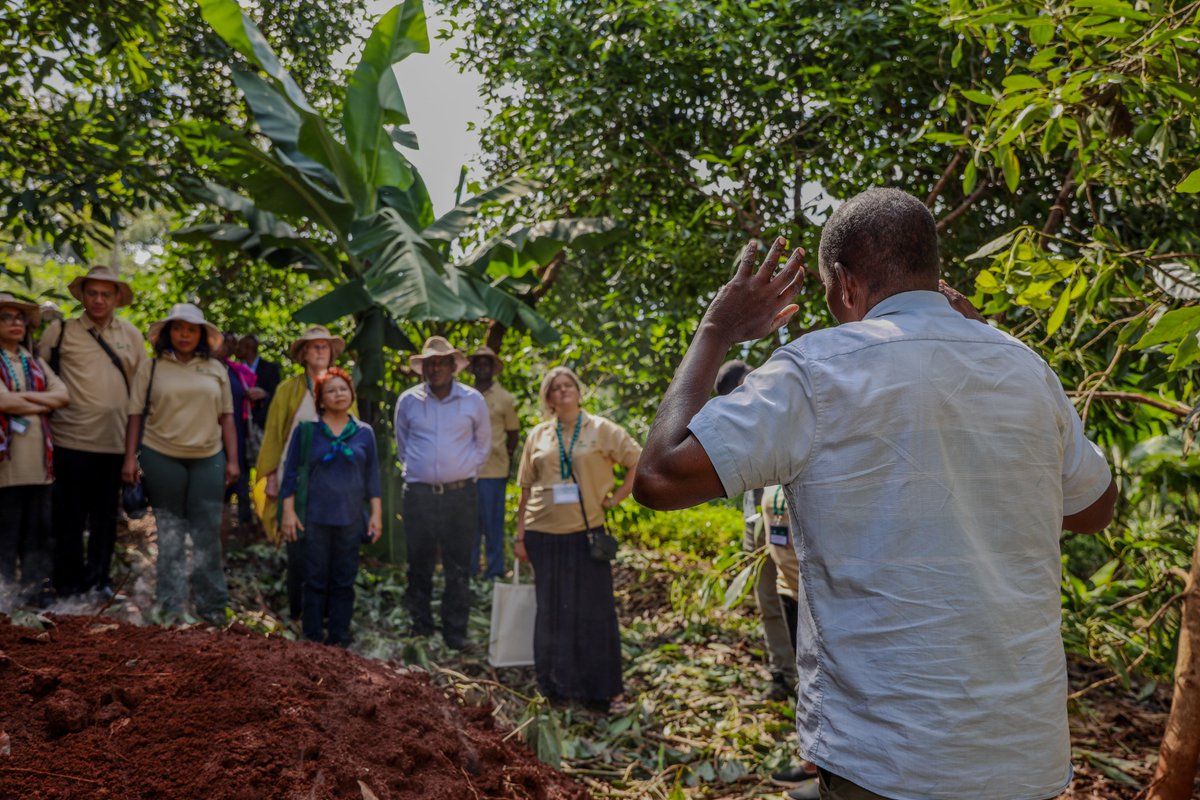
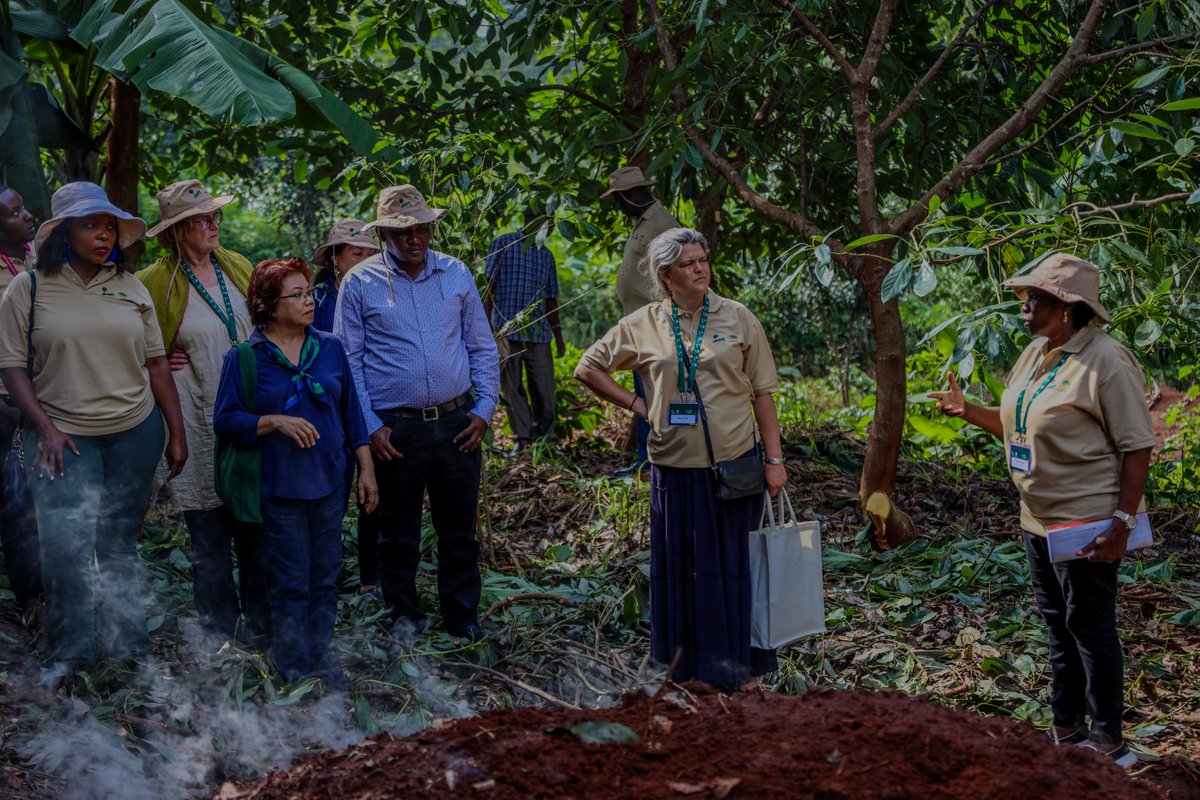
Day 1⃣ of the CIFOR-ICRAF Board of Trustees Meeting offered board members the opportunity to participate in two field visits:
🥑Site 1: The Fruit Trees for Climate Change project
Here, they met farmer Gideon Murai, a beneficiary of the @ACIARAustralia-funded project, which is helping farmers adapt to climate change, improve food security, and mitigate climate change through trees.
In Kenya, the project has benefitted 2,395 Kenyans, 46% of them women.
About the project: 🔗https://t.co/pn623mgUST
#Trees4Resilience
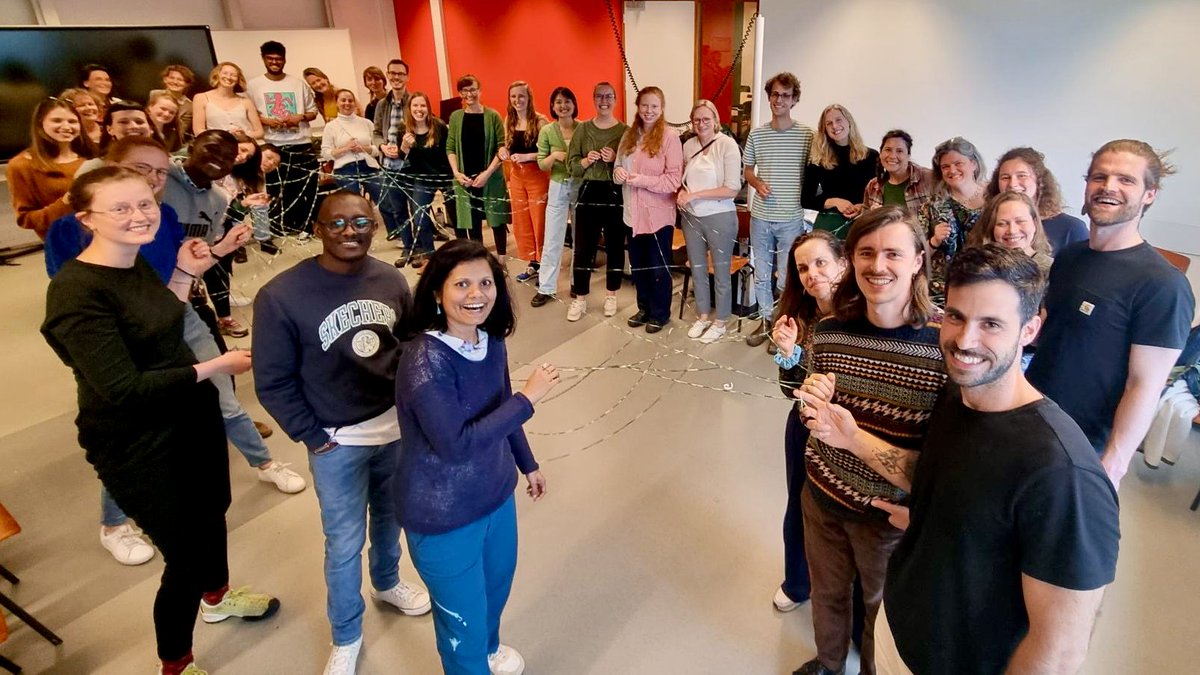
Yesterday our Transformative Research PhD course came to a close! I am deeply grateful to the amazing group of researchers—participants and teachers alike—who showed how academia can truly be a space filled with creativity, compassion, solidarity and criticality all at once❤️
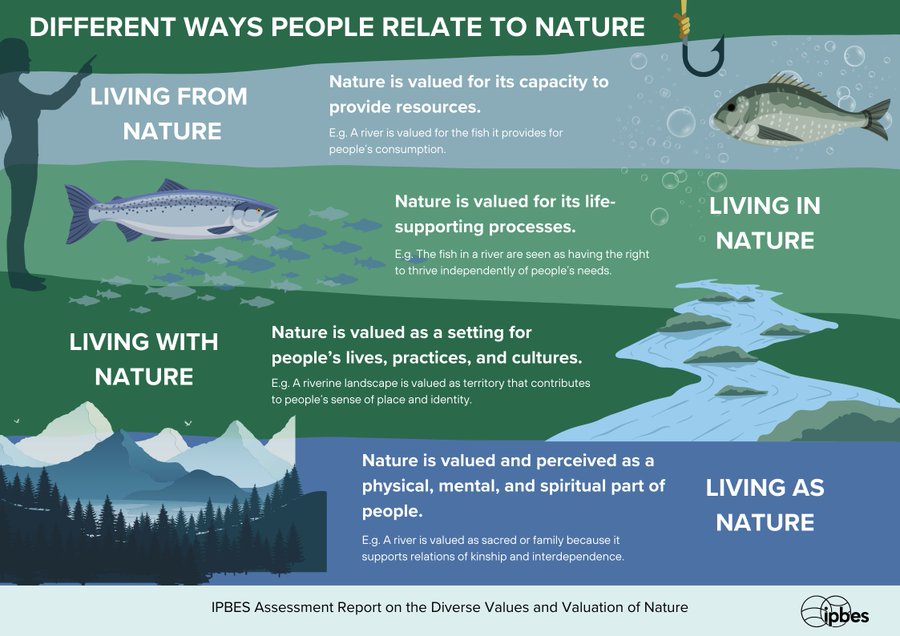
Different worldviews and knowledge systems influence the ways people interact with and value nature. —
@IPBES #ValuesAssessment All these values must be considered to effectively address the #biodiversity crisis. Read the Values Assessment Report: https://t.co/6Lx1jPrjfl.
Amazing atlas of innovative sustainability practices and institutional models at universities and higher education institutes: https://t.co/NJHI5YRCkp Thanks to @portraitofadele and colleagues for pulling all of this together!
New post in Utopian Pulses @FuturesStudioUU: Mysterious Metaphors of "Art-Science". What are the divergent and often hidden metaphors that guide how we increasingly intertwine our artistic and scientific worlds? https://t.co/RaDefEUdzQ Artwork by Sina Bohm.
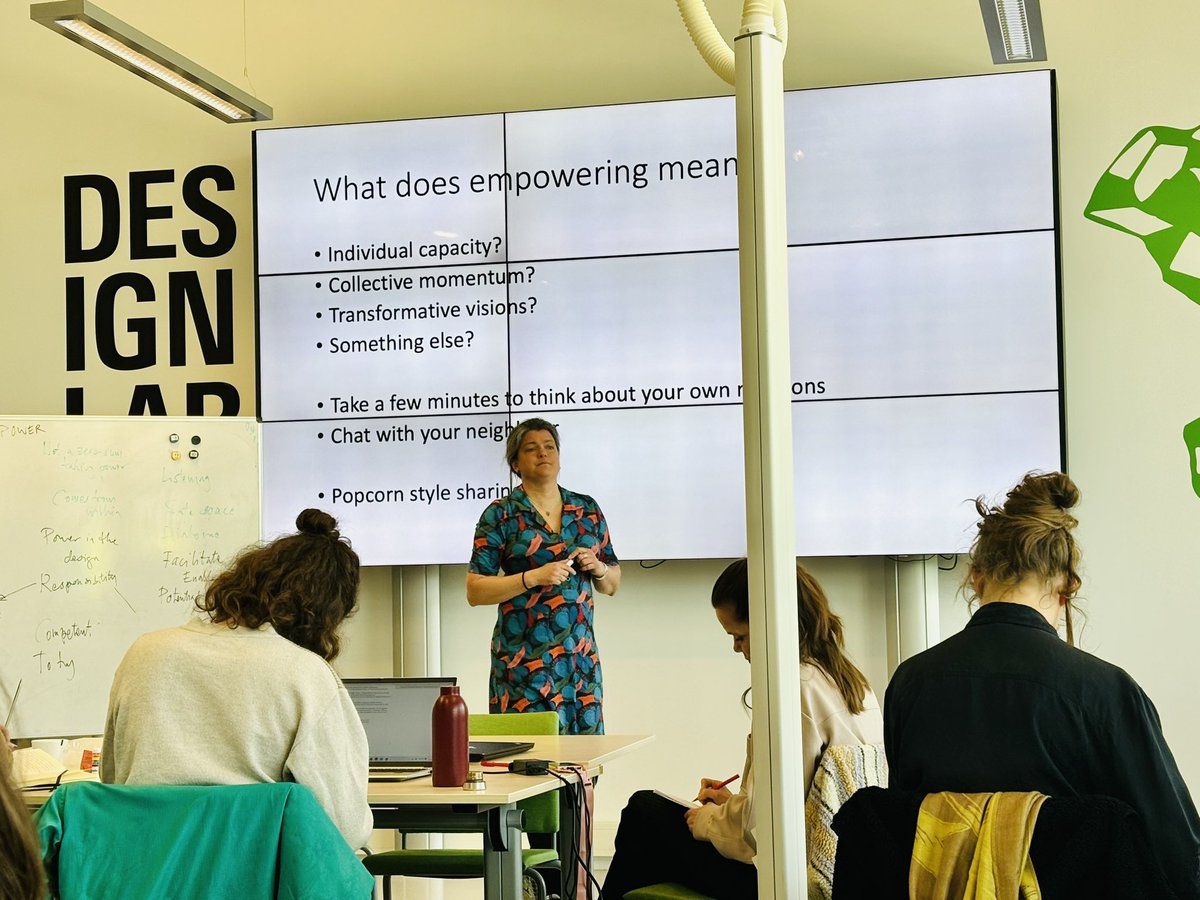
Interesting discussion here with @mariateng on what does empowering mean to each and every one of us. It is amazing to see how we see and conceive the meaning from different angles, backgrounds and experiences.
#phdlife
What is the role of Human-nature relationships (HNR) and “inner transformations�� to leverage systemic change for sustainability? Sign up for this immersive, interactive, reflective PhD course @WUR - partly held outdoors. Deadline April 1st