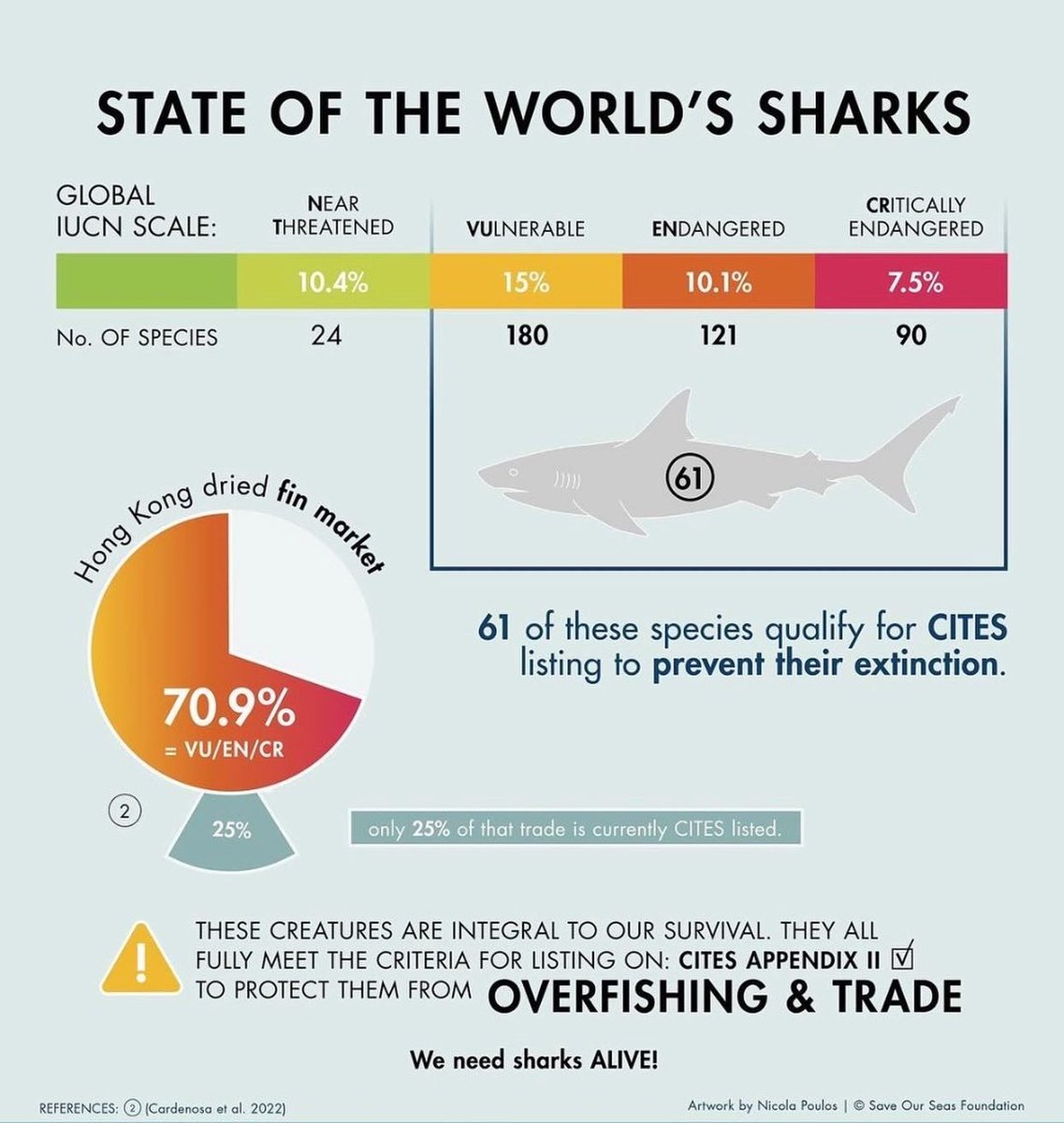
Sharks are in trouble! 🦈
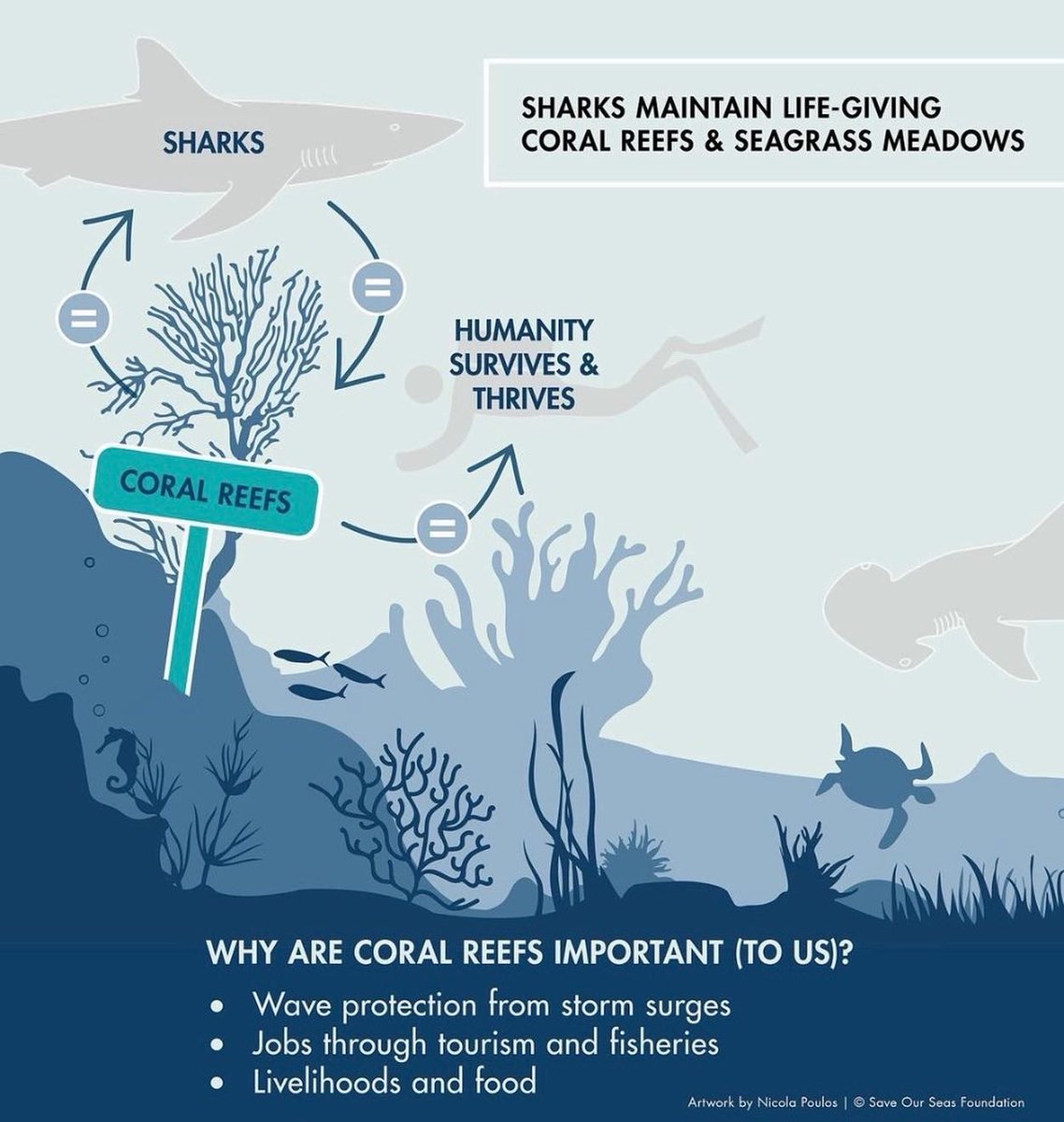
Many species are crucial to maintaining life-giving coral reefs 🪸 & seagrass meadows 🌱 - important habitats that sustain our oceans - but surveys have shown that #sharks are functionally extinct on 20% of #coralreefs globally.
Wow this is so sad. In my Marine Environment class we just learned about how fishing for Bluefin tuna is not sustainable and how people should try to switch to yellowfin and skipjack instead!
This is beautiful, such pristine beaches unaffected by overwhelming human activity and waste. We should be more aware of our waste and preserving beaches and the marine environment!
Polyethylene, polypropylene, nylon, and poly methyl methacrylate are all ingredients in cosmetic products that can indicate the presence of microbeads and/or plastics. Make sure to look out for these ingredients when purchasing things and try to stay away from them if you can!
An animal’s skull is full of adaptations that help inform us about its diet, habitat, and survival techniques. At this station we are looking polar bears, lions, and seals. #activelearning
Just learned about the potential impact of underwater noise pollution (UNP) on marine ecosystems. I would definitely be interested to know how scientists track this and how much UNP has increased over the past few decades.
Good News Alert:
The European Commission has set new limits for underwater noise pollution to protect marine life.
Lowering noise pollution could reduce the risk of ships crashing with whales by up to 25%, and lower CO2 emission by 8%.
Promising new study by @USCDornsife researchers who are revealing the key to successful coral transplantation. One step closer to saving our beautiful coral reefs.
https://t.co/Io6oiaeMMN