I’m a chemist. I need to say this - because it’s getting dangerous out there. The biggest health myth in the world isn’t about vaccines.
Or GMOs. Or fluoride.
It’s the root of all of them.
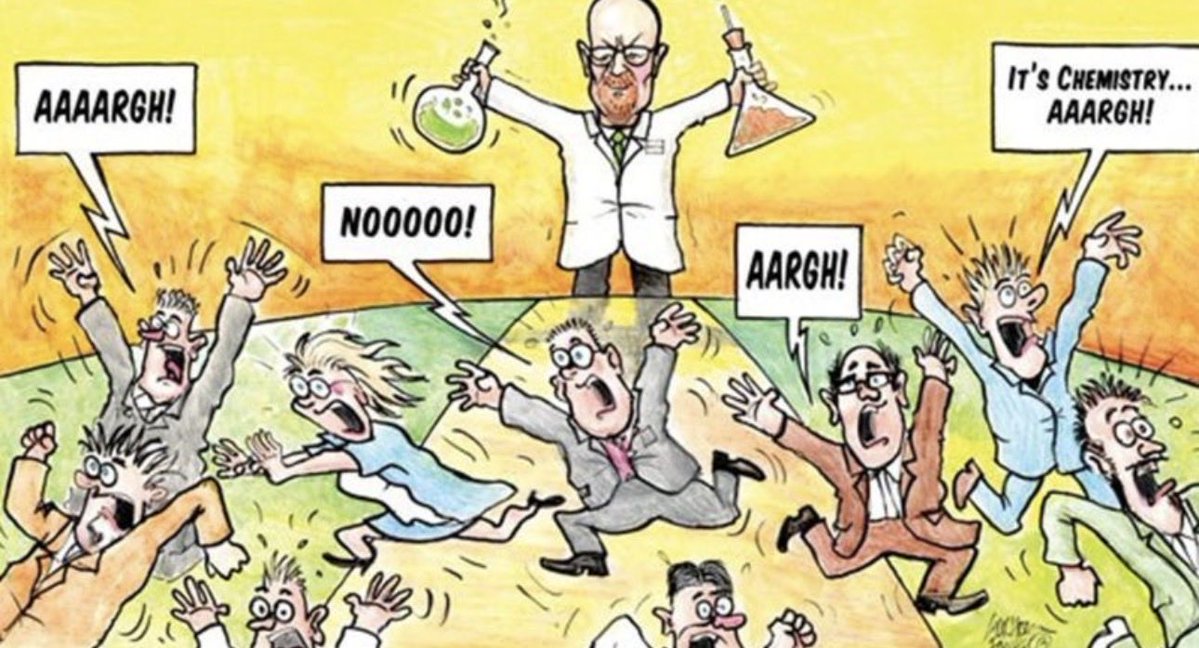
It’s called chemophobia - and it’s killing science.
Fear of “chemicals” now drives vaccine rejection, GMO bans, food hysteria, and entire political movements.
From tampons to tap water, people have been taught to fear chemistry - the very thing that keeps us alive.
Chemophobia tells us:
“Natural is good.”
“Synthetic is bad.”
That’s a lie.
Botulinum toxin is 100% natural and one of the deadliest molecules known.
Aspirin is synthetic and life-saving.
We’ve gone from banning harmful substances for good reason…to banning safe, well-tested molecules for emotional reasons.
You’ve seen the slogans:
“If you can’t pronounce it, don’t eat it.”
“Paraben-free.”
“Clean beauty.”
They sound empowering. But they’re not science - they’re marketing.
And they’re making the world dumber, poorer, and sicker.
Your body doesn’t care if a molecule comes from a plant or a lab.
Vitamin C is vitamin C.
Formaldehyde is formaldehyde and your body makes more of it every day than any vaccine ever could.
Dose matters. Source doesn’t.
This fear isn’t harmless.
It shapes public policy.
It blocks innovation.
It raises food prices.
It slows down cancer treatments.
Chemophobia is now mainstream and it’s costing lives.
Scientists aren’t losing because we’re wrong. We’re losing because fear spreads faster than facts.
Because influencers sell fear for clicks. Because lawyers monetize doubt.
And because scientists are too tired to fight back. So here’s my message, as a chemist and as a citizen:
Learn how toxicology works.
Call out chemical fear-mongering.
Support policies based on evidence, not emotion.
Chemistry isn’t the enemy.
It’s the reason you have clean water, safe food, and modern medicine.
If we let fear win, we lose all of it.
Sorry but it’s fact, with everything labour are throwing at us. The 5 new actives approved here are not approved in the EU because their system lags behind ours. They have had 80 removed which we’re using. We would lose those 80. See my you tube video talking to @markbuckingham1@UKBayer head of public affairs and speaks to gov departments.
Farm update 404 New Gov policy to remove 80 plant protection products & prep machines for sale
https://t.co/3sna44gbhz
Glyphosate isn’t controversial because it’s understudied.
It’s controversial because the evidence is ignored.
Fact 1. This chemical is exhaustively studied:
•40+ years of data.
•Thousands of studies.
•Reviewed repeatedly across continents.
Fact 2. Global regulators agree:
Every major regulatory authority that assesses real-world exposure reaches the same conclusion:
•US EPA
•EFSA
•ECHA
•Health Canada
👉 Not carcinogenic at human exposure levels.
👉 Not genotoxic.
👉 No unacceptable health risk when used as directed.
This is not one agency.
This is not a global conspiracy.
Fact 3: The largest human study says no.
•54,000+ pesticide applicators.
•Followed since 1993.
•No link to overall cancer.
•No consistent link to non-Hodgkin lymphoma.
If glyphosate caused cancer, this study should have found it.
It didn’t.
Fact 4: Food residues are not the issue.
•Residues are far below safety limits.
•Dietary exposure does not pose a cancer risk.
•Drinking water exposure is not a health hazard.
“Toxic” without dose is not toxicology.
Fact 5: Worker exposure is also low.
•Measured exposures are far below NOAELs.
•Regulators repeatedly conclude: not of concern.
So where does the scare come from?
One outlier → IARC
IARC did a hazard classification, not a risk assessment.
They put glyphosate in the same category as:
•Red meat.
•Hot beverages.
•Being a barber.
IARC explicitly ignores exposure.
Regulators do not.
This is the entire conflict:
Hazard-only classification
vs
Risk-based regulation.
Confuse the two - and fear wins.
Bottom line:
No pesticide regulator on Earth currently considers glyphosate a cancer risk at real-world exposure levels.
The science is boring.
It’s to put a stop to the misinformation.
MPs welcome the entry into force today of the Precision Breeding Act for plants in England, describing it as a landmark moment for British science, and calling for this to mark the beginning of a new, pro-innovation agricultural policy agenda.
https://t.co/XOgXV8QCR6
ICYMI 📻| NFU President Tom Bradshaw (@ProagriLtd) was on @BBCRadio4's The World Tonight, looking ahead to next week's EU reset and stressing the importance of any deal retaining the UK's autonomy when making our own production choices.
Listen at 35:00 👉 https://t.co/YafprB13Bl
“New Government regulations to support precision breeding will be an exciting step forward for British agriculture and sustainable, productive farming,” says Bayer’s Mark Buckingham.
Hear more below, as we caught up with @markbuckingham1@CropTecShow 🌱
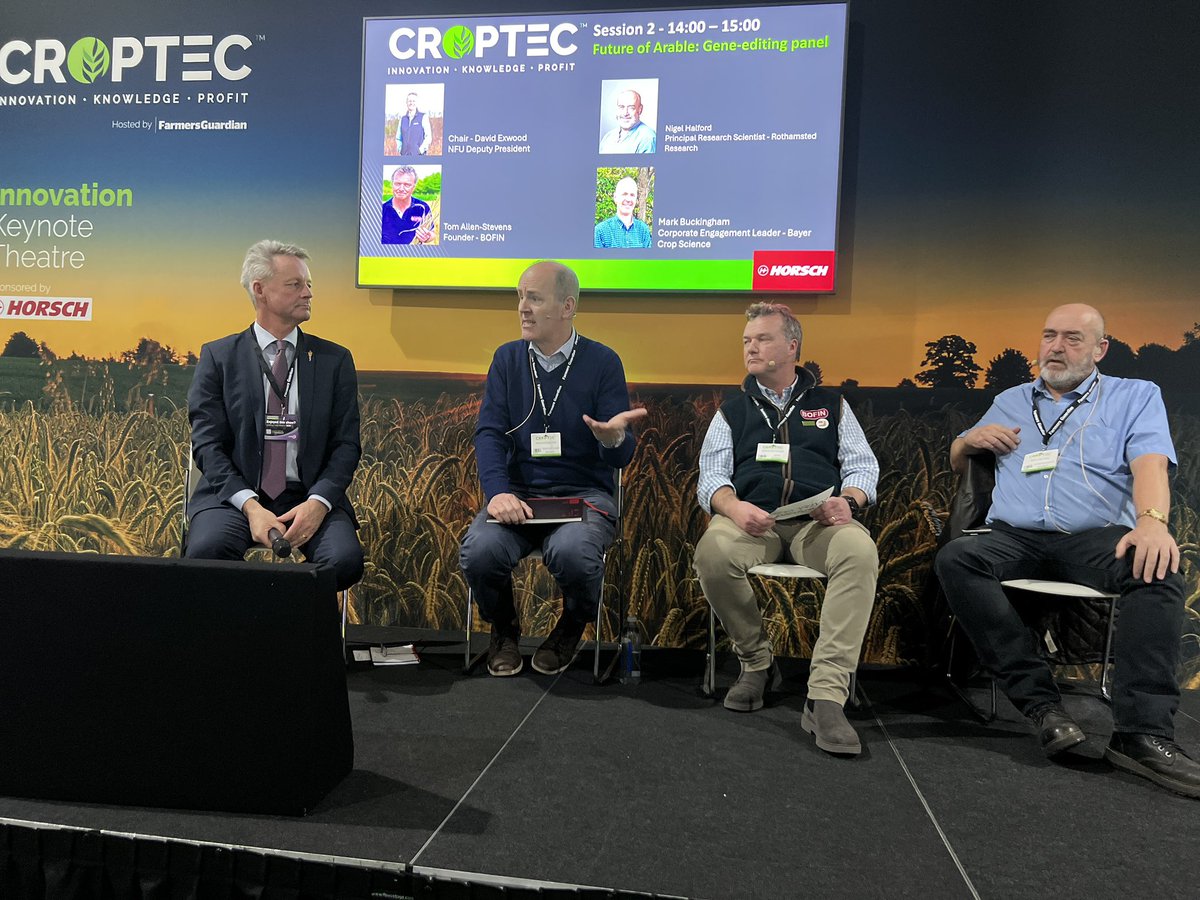
Excellent discussion on the future of precision breeding with Bayer’s @markbuckingham1, @Rothamsted and @bofinfarmers at @CropTecShow. 🌾
“We’ve got to keep innovating both in the lab and in our plant breeding regulations” 💬
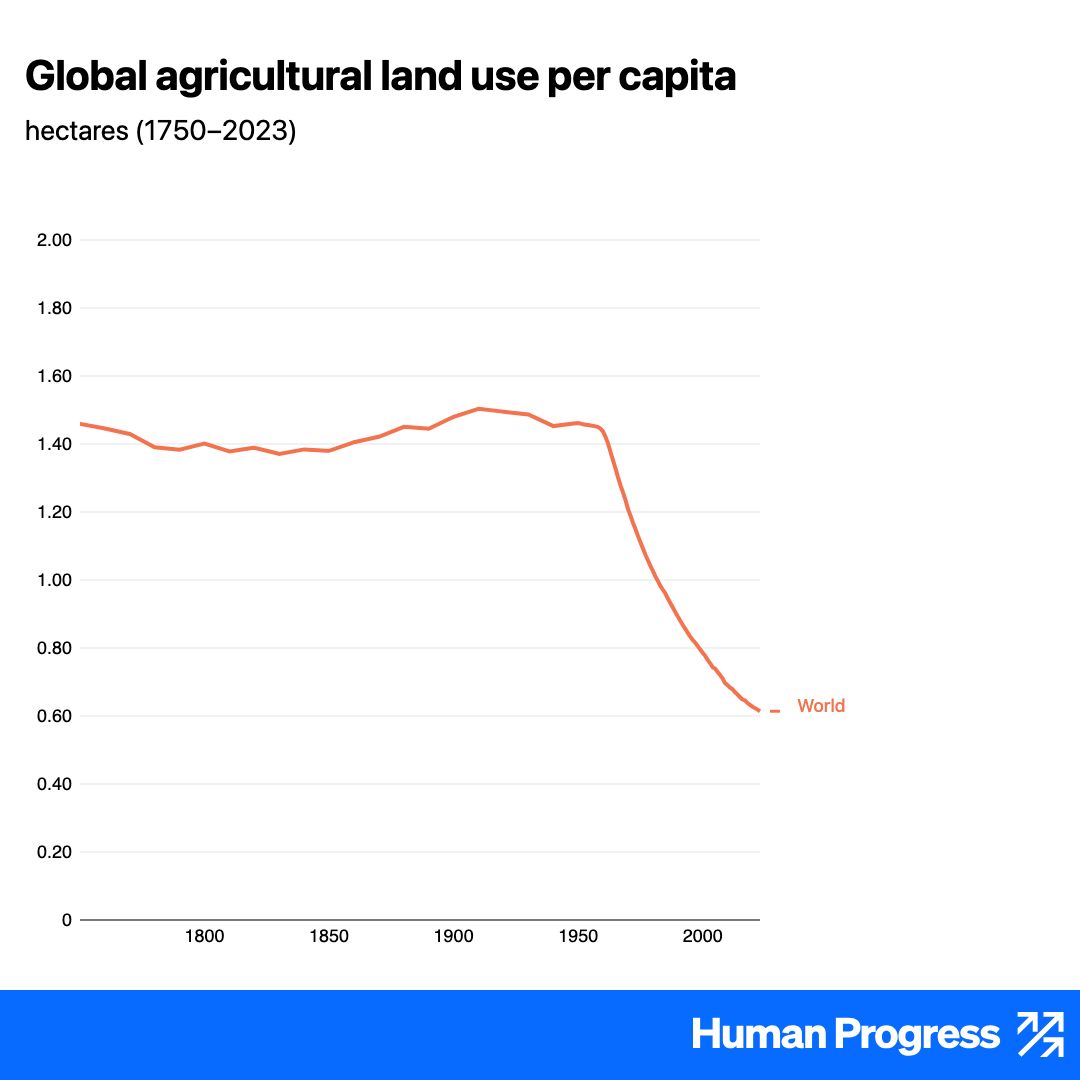
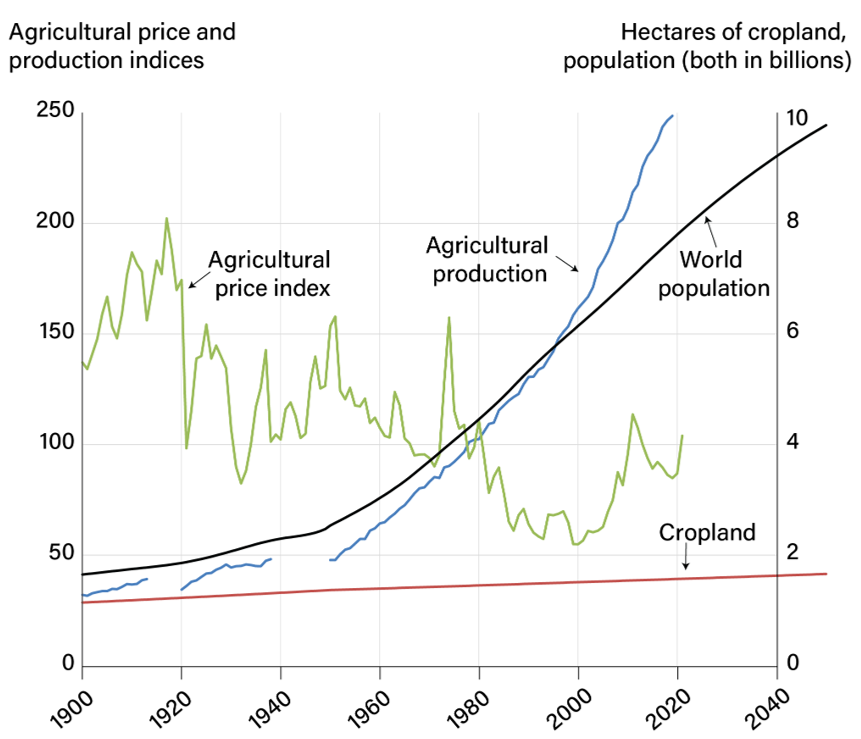
Over the last century, we've dramatically increased agricultural productivity and food security through science and innovation.
Why would we want to reverse that progress?
Advancements in gene editing are shaping the future of agriculture! Catch Bayer's Mark Buckingham at @CropTecShow as he joins the panel to discuss gene-editing crops 🌾
Set up #MagicTrap with us! 🪄
Max has been busy preparing the traps to go out to farms across the UK as part of @AHDB_Cereals's CSFB monitoring project. 📈
Reality: glyphosate is less acutely toxic, has low ecological impact, and does not pose risks to human health.
Anti-science activists exploit chemophobia and the appeal to nature fallacy because they lack evidence.
Read more ⬇️ https://t.co/dt0tTYM6vA
@essexpeasant This is such sad news. Oliver is a legend, a talented and passionate farmer and communicator and also a fearless innovator. Truly a light going out, condolences to his family.
🪄✨ Launching Soon - #MagicTrap!
Our #innovative digital support tool that remotely monitors OSR pests.
See how it works in the video below! 👇 #agtech @dekalb_osr
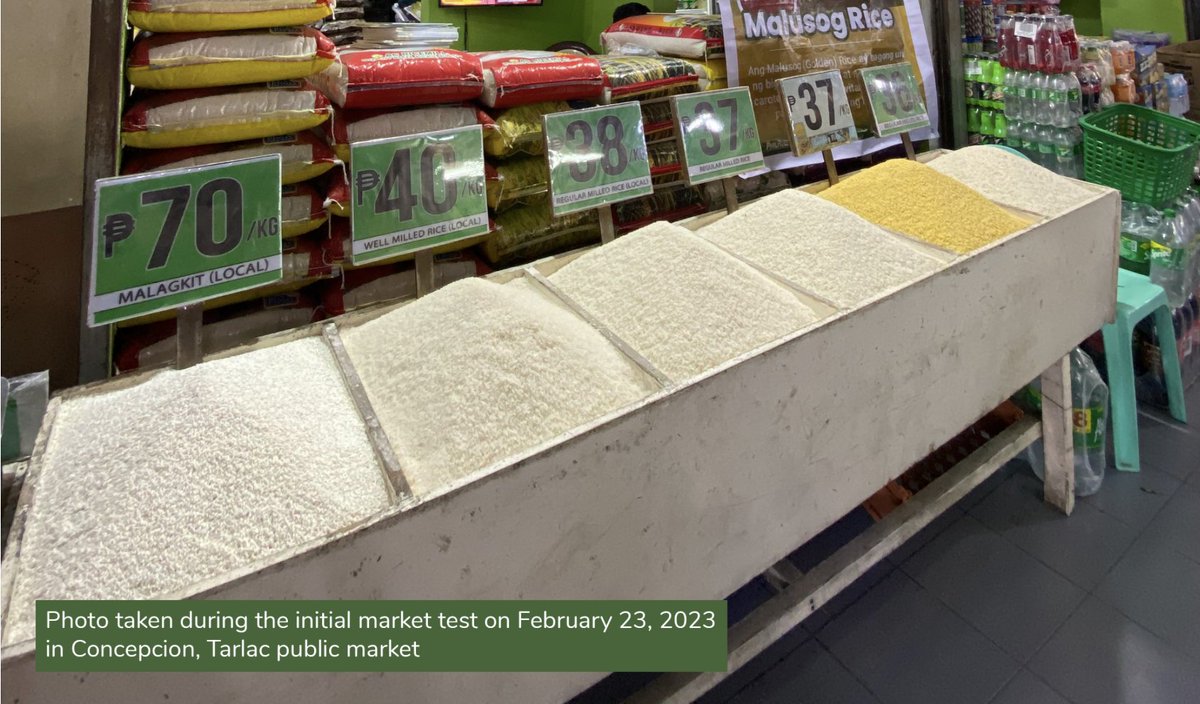
Spot the Golden Rice here at a market in Philippines. Every year of delay in approval causes 8500 child deaths in Bangladesh. It could provide 89–113% of the vitamin A for preschool children. Not approving is thus outright outrageous 😡
https://t.co/fvachhwCMO
Over-precautionary EU regulation of gene editing will not only disadvantage European agriculture, but will also hamper global efforts to tackle urgent climate, biodiversity and food security challenges, argue economists Graham Brookes and @stuartsmyth66
https://t.co/dw0PZOe0z5
🌱 Check out our regional #agronomy insights!
This month our experts share tips on navigating the variability in crop growth this season. From managing disease in wheat to maximising tiller retention in barley, there's valuable advice for every region.
🔗https://t.co/QvpAJGXpHp
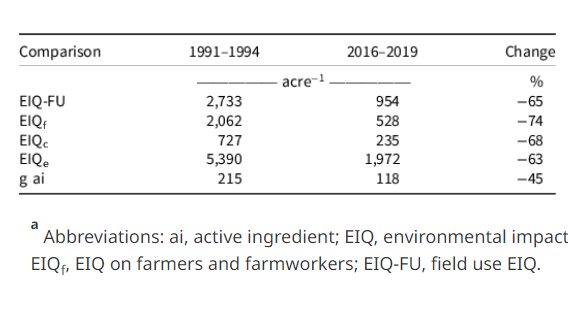
New article published today quantifying continued environmental benefits from herbicide use in Sask. The adoption of GM crops has reduced herbicide use by 45%, while the impact on the environment has dropped by 65%. https://t.co/8uBxT6u1rV