I'm off to Mastodon. There's no attention hacking, no algorithm enraging people to drive engagement, no ads. You see posts from people you follow in chronological order. It's decentralised and you control your data. See you there! https://t.co/yGMIWABU3k | https://t.co/ws4kJyidMC
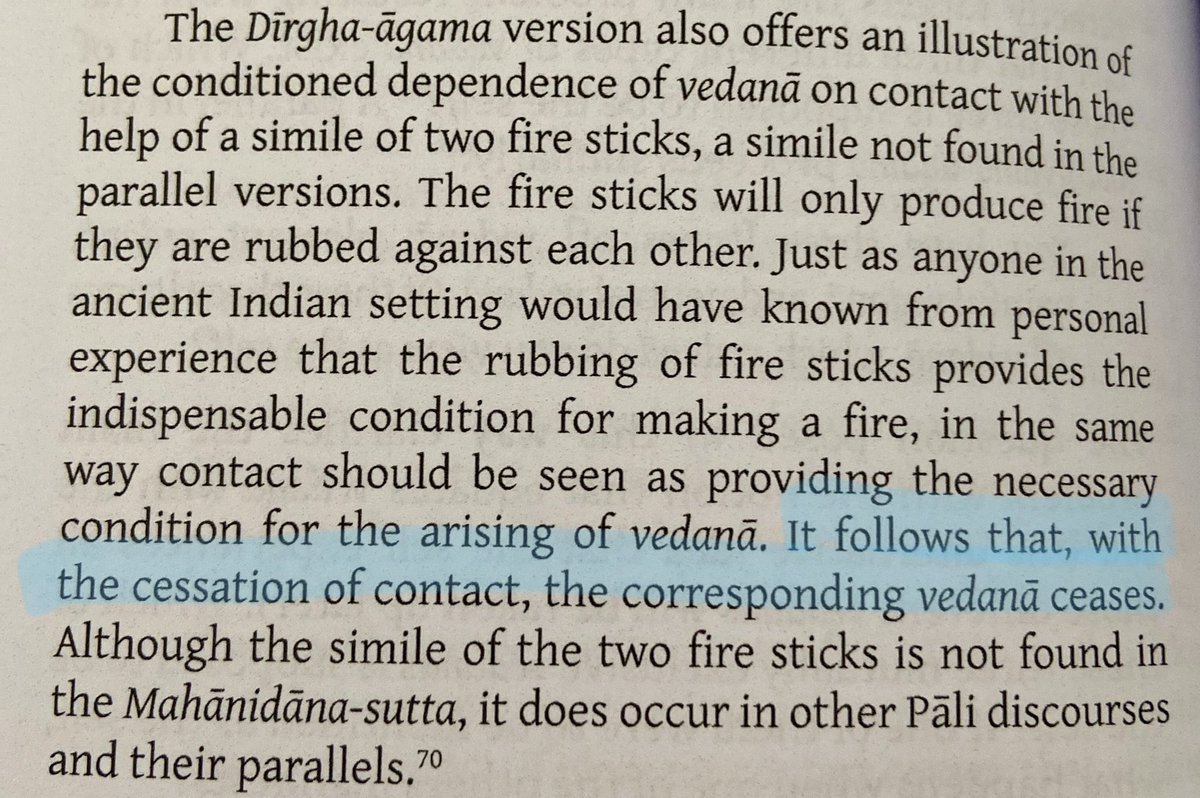
Vedanā (pleasant, neutral, or unpleasant experiences) are empty because they arise dependent on the specific condition of sense contact. Once the contact ends, the feeling disappears. After the ice cream, the pleasant feeling is gone: not worth chasing, not worth clinging to.
Another gem from Bhikkhu Anālayo. Deepening Insight. Very brief chapters drawing out teachings relevant to vedanā (hedonic tone)—a pivotal object for mindfulness.
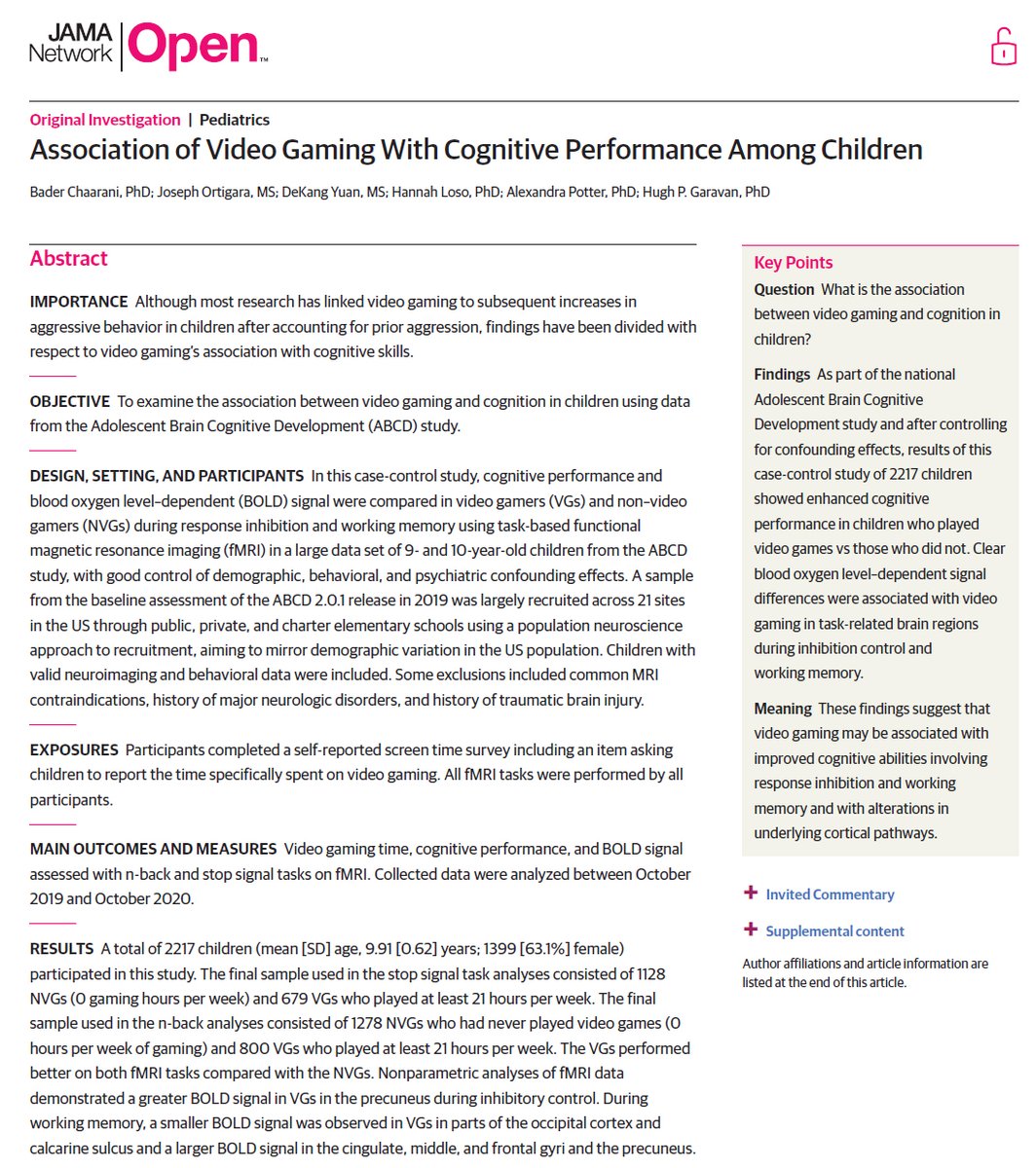
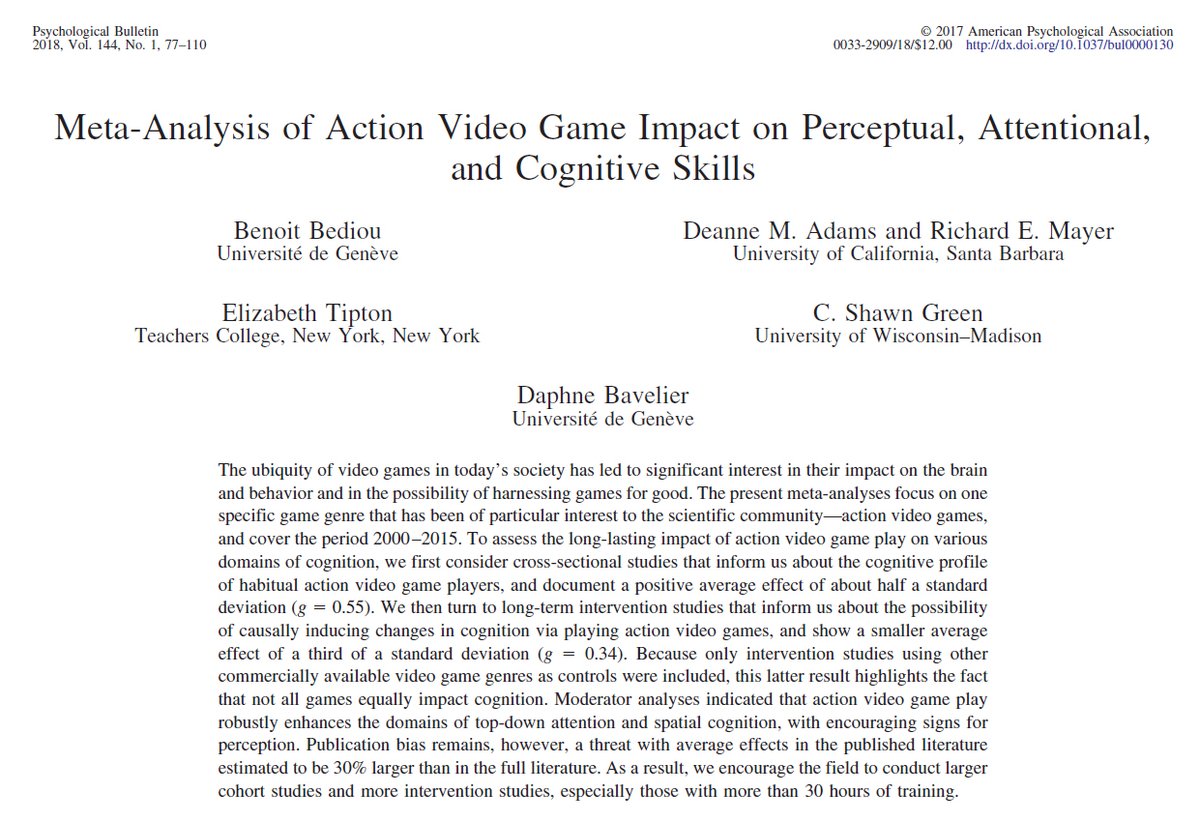
I’m fairly convinced games make us smarter. Yes, some games are more worthwhile than others. But gaming offers many diverse and intricate problems to solve, like no other medium. Manipulating 3D spaces, information, time. Maybe gaming is one reason IQs have risen over the years.
Instead of telling kids not to play video games, adults should play too.
Compared to kids who don’t play, those who play 3 hrs/day have better working memory & impulse control. Experiments show cognitive benefits for adults too.
Video games are a form of exercise for the brain.
@limnedinink Awful, isn’t it? Swimming against the algorithm. I find blogging a more open space, if you don’t care about chasing search engine rankings.
Also, if you believe that climate protestors risk alienating people with disruptive actions, consider that emissions are still rising as we say goodbye to 1.5C and tipping points kick in.
It was procrastination that got us in the end. The best time to do something was thirty years ago. The second best time is now. https://t.co/XmlbwfEFW8
@jaysonbyrne@KennethFolk I can't. Everything we can perceive depends on something else. Only nibbana is described as the unconditioned, and I can't speak about that.
@jaysonbyrne@KennethFolk True, true. Except that, on one level, we know that consciousness exists because we have subjective experiences. There is something it is like to be us. The caveat is our consciousness is also dependently arisen, not fundamental.
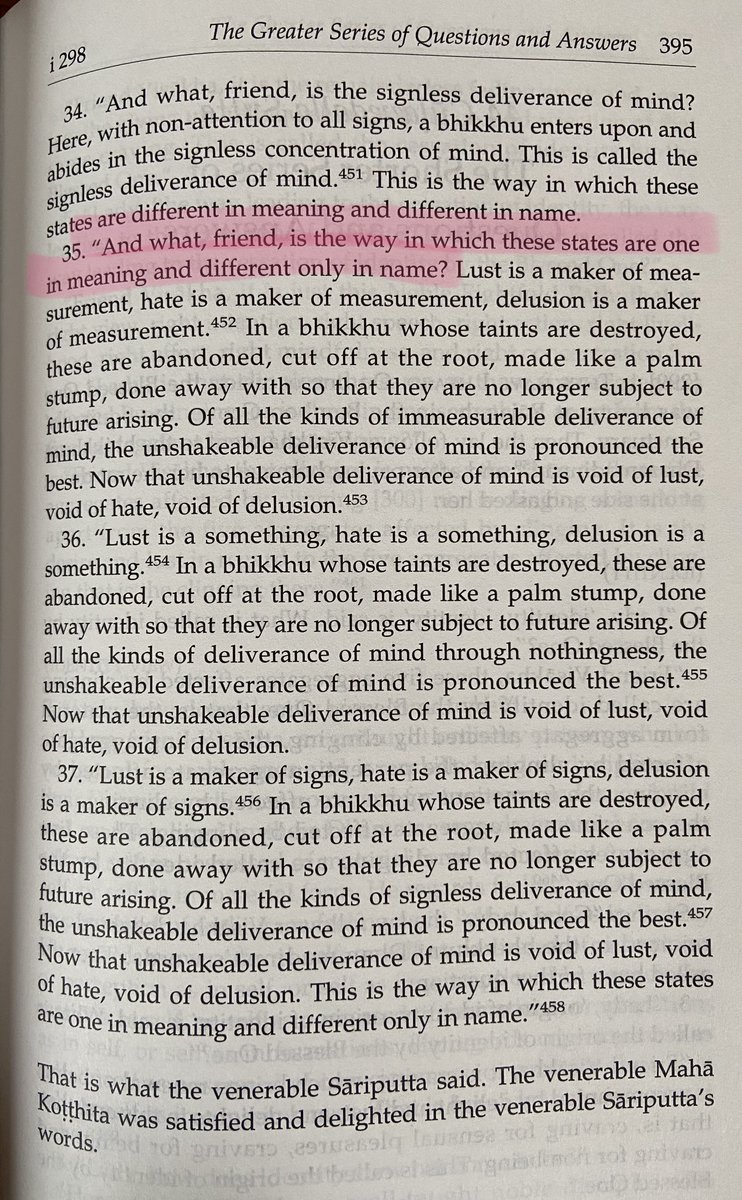
Can anyone help me understand MN 43, Mahāvedalla Sutta? In what way are these four deliverances of mind the same? I think it's saying they are four different methods of reaching an unshakeable deliverance of mind, but that they are the same to the extent that they reach it.