Looks great : “Modern sociology and modern socialism were born at the same time and developed in conversation with each other — a link that is obvious in the work of Marx, but also visible in that of Durkheim, Weber, and Du Bois, among others. However, the extent of this overlap is yet to be fully realized. Theories of Emancipation: Sociology and Socialism at the turn of the Twentieth Century uncovers this relationship to argue that the concepts, questions, and theories that are foundational to the discipline emerged in conversation with, and in reaction to, the political and intellectual movements of the turn of the twentieth century socialist left.” https://t.co/JULrBNaLrE
Just to say to friends that @ahistoryinart is the most consistently uplifting person I follow here on X and I urge you to follow him too. Fresh treasure and insights every day.
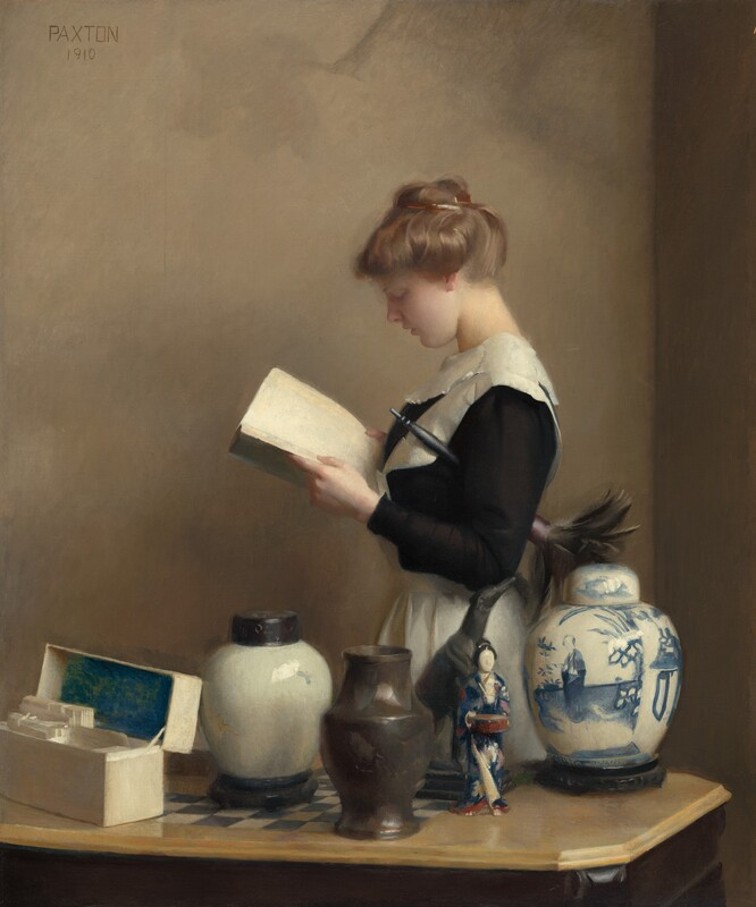
In this quiet painting, a young domestic servant in a wealthy household has interrupted her dusting duties and stands engrossed in reading a book. On the elegant tabletop is a still-life of a stationery box, Asian vases and a porcelain figure (William McGregor Paxton, The House Maid, 1910, NGA, Washington)
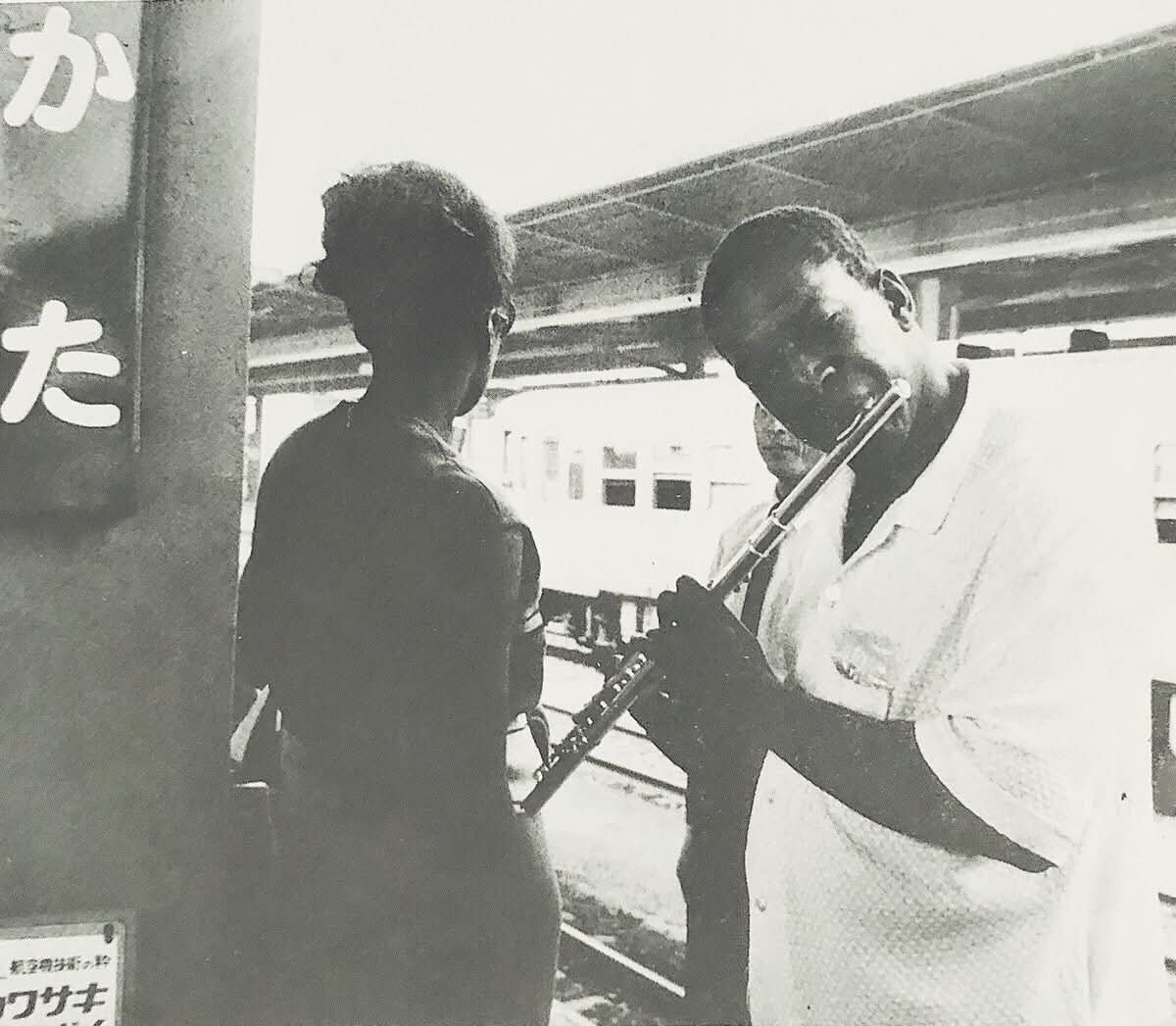
This month marks the 100th birthday of John Coltrane.
In honor of this supreme musical force, I’ll be sharing one essential Coltrane song every day leading up to his 100th birthday on September 23rd.
Day 19: “Spiritual” (Live at the Village Vanguard)
The Nation: This “new documentary serves both to introduce one of the 20th century’s most important writers and thinkers to a new audience 2 decades after his death in 2003 and as a deeply personal history of the Palestinian struggle in the 20th century.” https://t.co/6md9FDnmC3
This month marks the 100th birthday of John Coltrane.
In honor of this supreme musical force, I’ll be sharing one essential Coltrane song every day leading up to his 100th birthday on September 23rd.
Day 14: “‘Round Midnight”
🦢🎶 At the heart of Sibelius's The Swan of Tuonela is one of the most haunting cor anglais melodies ever written, played here by Dominik Wollenweber under the baton of Sir Simon Rattle. Watch it now in the Digital Concert Hall.
https://t.co/HNtPT6LwEE
This month marks the 100th birthday of John Coltrane.
In honor of this supreme musical force, I’ll be sharing one essential Coltrane song every day leading up to his 100th birthday on September 23rd.
Day 1: “Why Was I Born?”
Branford Marsalis & Dianne Reeves celebrate John Coltrane’s centennial with the tribute album "Dedicated to You" featuring new renditions of the standards on "John Coltrane & Johnny Hartman" plus instrumental performances by Marsalis' quartet: https://t.co/tJbCKAIwGL @bmarsalis
Cet été, je vous fais découvrir ma playlist.
Dans Let England Shake, l’album que PJ Harvey a consacré, en 2011, à la guerre, j’aurais pu tout recommander. Mais je choisis une seule chanson : The Words That Maketh Murder.
C’est la guerre vue d’en bas, celle des soldats de Gallipoli en 1915, celle des corps abandonnés, des membres arrachés, des jeunes hommes fauchés par vagues entières pour quelques mètres de terrain. Et l’horreur absolue chantée sur des mélodies presque enfantines, par une voix haut perchée, sur un air de comptine, comme ces chansons de marche que fredonnaient les soldats pour ne pas devenir fous.
J’ai passé une partie de ma vie à étudier la guerre, à la côtoyer dans l’exercice de la diplomatie, à tenter de l’empêcher. PJ Harvey a compris ce que bien des chancelleries oublient : la guerre commence toujours par des mots. Des mots qui déshumanisent l’adversaire, des mots qui promettent une victoire facile, des mots qui fabriquent le meurtre avant la première balle.
J’entends dans cette chanson le rappel que, face à la barbarie, il n’existe que deux voies : la vengeance infinie ou le droit, seule invention humaine capable d’interrompre le cycle du sang. À l’heure où la guerre est revenue en Europe et déchire le Proche-Orient, écoutez cette chanson. Écoutez tout l’album. C’est l’œuvre d’une poétesse qui dit non.