Excited the bulk of my PhD work is now out in @NeuroCellPress
If you're interested in how motor cortex and striatum work together for behavior take a look at the tweet print or here
https://t.co/L6XCOj3V5H
#neurotwitter#phdlife#neuroscience@CMU_Bio
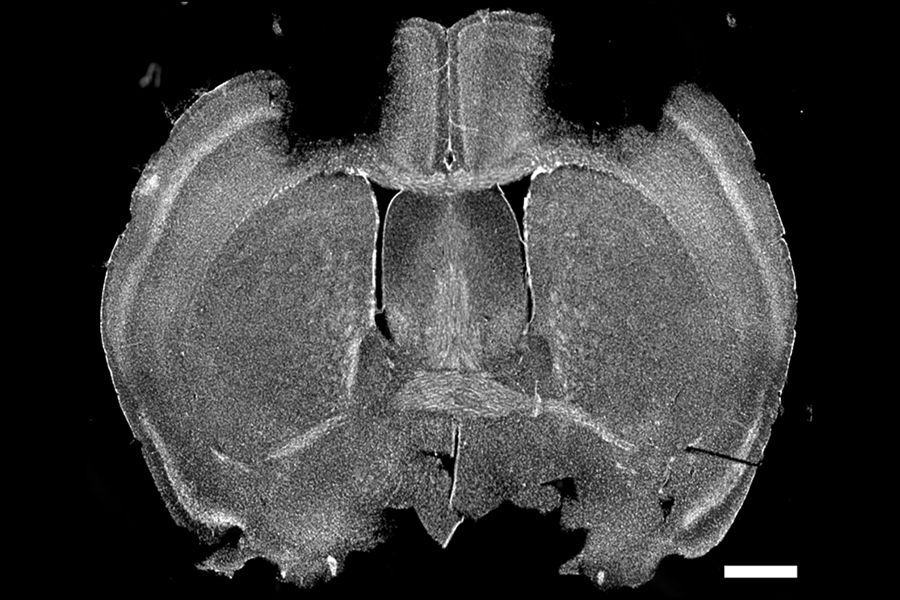
1/5 NEW in NEURON! We asked what forelimb M1 contributes to striatal and behavioral dynamics. Short answer: almost everything*. @Markolas11 trained mice to perform a joystick reaching task, w/ and w/out a go cue, then lesioned CFA https://t.co/tYtCi5Vlgu
@cmuneurosci@CmuScience
Interested in how cortex and striatum contribute to trained vs spontaneous behavior??
If you're at #sfn25, check out @pgmid talk Sunday at 1
@SfNtweets#Neuroscience
If you're at SfN, stop by my teeny tiny nano talk Sunday at 1:
"Neural population dynamics during naturalistic versus task-related behavior" w/
@YttriLab@Markolas11@adenoeagle
NANO017.01
Huh, it's been 8 months since I was on here. Better late than never. I hope this new-ish paper will challenge people to think about the interpretations of our models
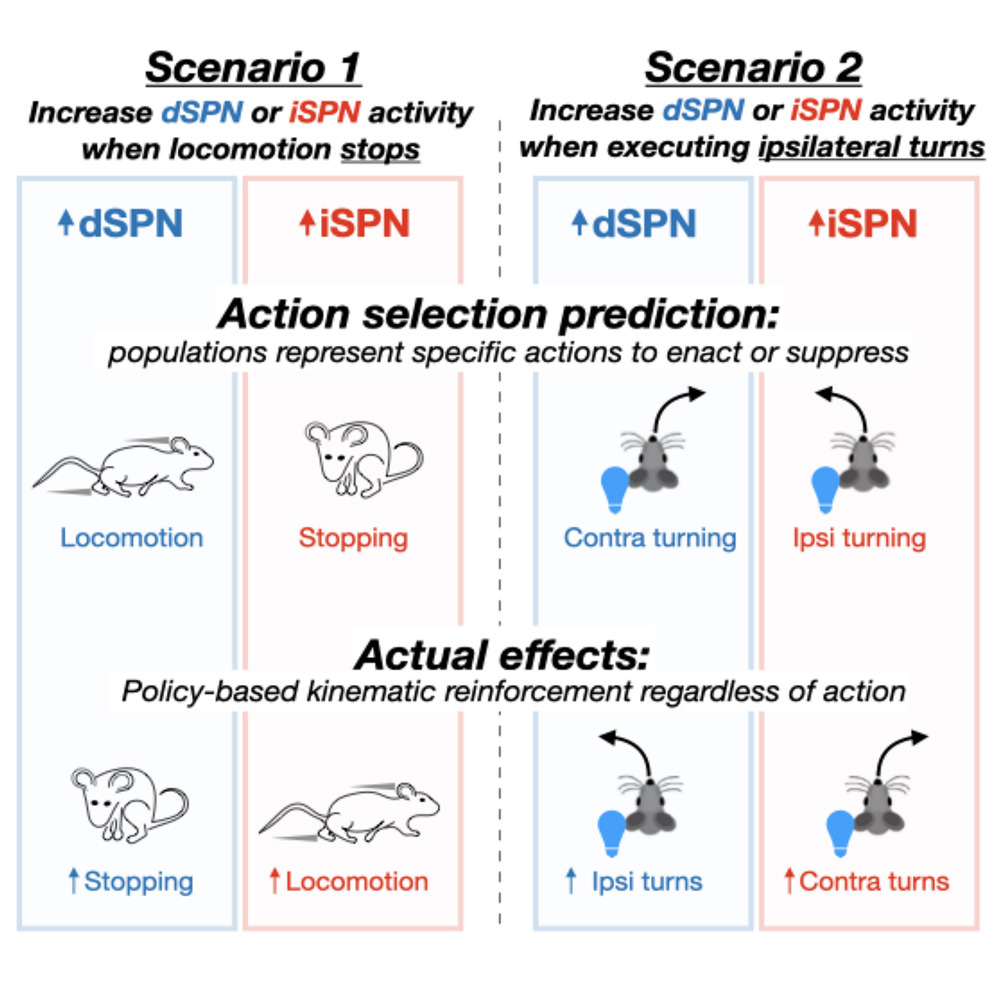
STRIATUM SUPPORTS REINFORCEMENT AND NOT ACTION SELECTION (!!!)
https://t.co/l6GrB2c7Pb
@CmuScience@cmuneurosci
I started studying neuroscience back in 2012.
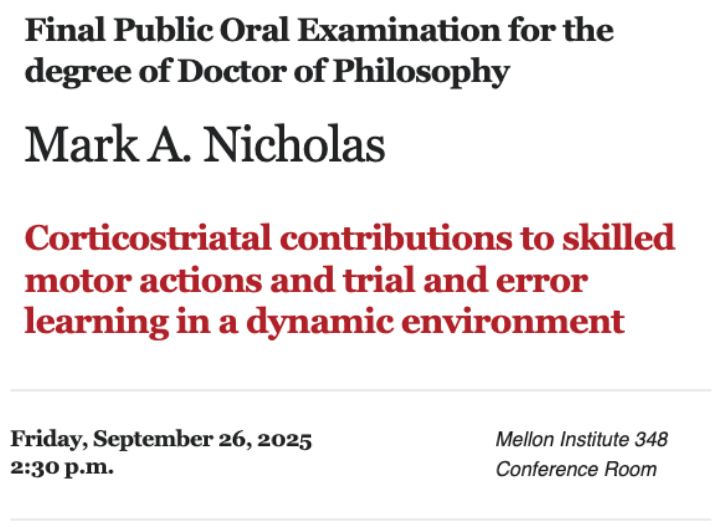
This week I will be defending my PhD from the @YttriLab at @CarnegieMellon
If you are interested in the Zoom option, please reach out.
Excited to share my postdoctoral work, with Ilana Witten and @scott_bolkan at @PrincetonNeuro.
TL;DR - we show that two basal ganglia pathways oppositely affect decision-making by very precise control of cortical subpopulations that encode accumulated sensory evidence.
Thank you so much to @BirnbaumJackie1 and @MunibHasnain for presenting their recent paper today at @CMU_Bio@cmuneurosci
Exciting approach to understand how to explain neural data and movement
https://t.co/oRzThiKjRo
#JNeurosci: @andrewpapale1, @hooks_mac, et al. mapped out connections between neurons in mice that form the cellular basis of coordinated movement planning across the two hemispheres of the frontal cortex. @PittMed
https://t.co/4Iuokc8NTD
The first preprint of my postdoc with @jtdudman
is now online! Here we wanted to understand the algorithms mice use when learning to forage in large environments with many potential resources. 1/n https://t.co/2LHb6TMnbr
Pls RT!! Do you study the brain and how we can make use of its signals? Come join our exciting faculty at CMU and @cmuneurosci.
As please feel free to reach out with any questions.
https://t.co/vWSaewPSHQ
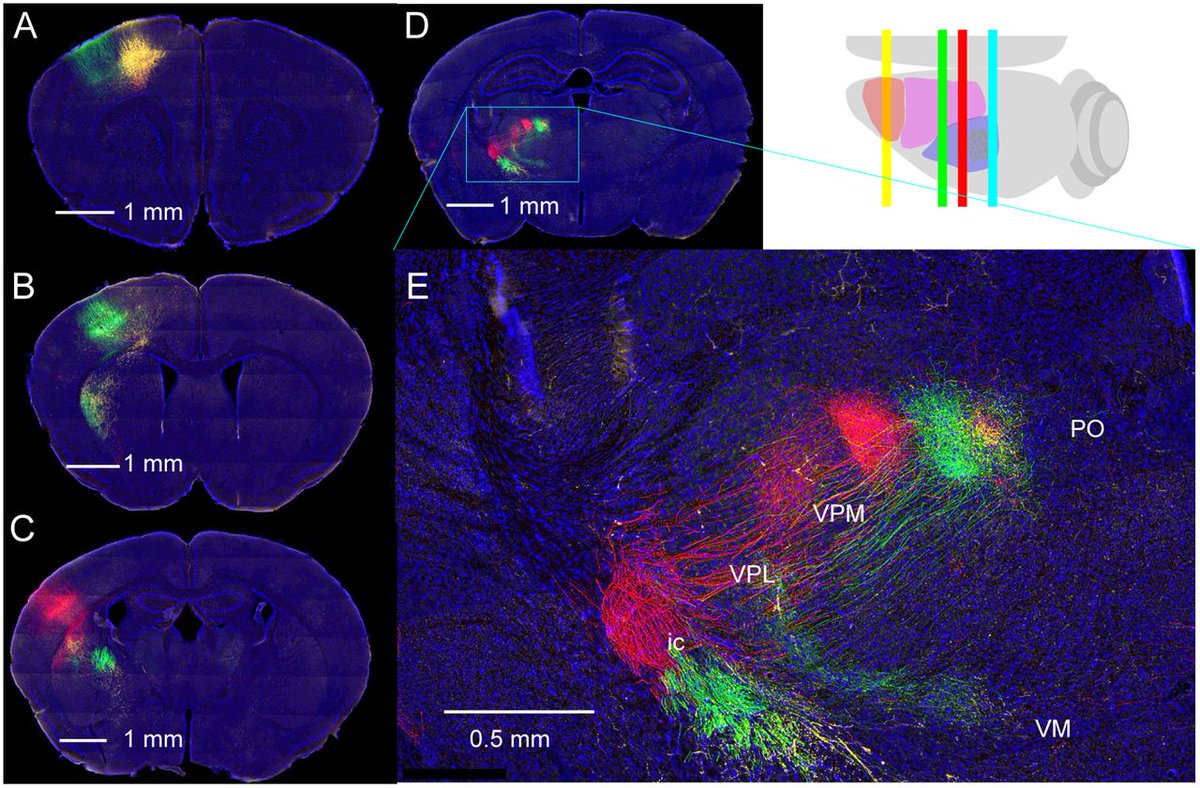
26 years after Larry Swanson emphasized “the amygdala is neither a structural or functional unit” we used sn-RNAseq to answer the question:
“What is the [primate] amygdala?”
Check out the preprint 👇
https://t.co/qARasyT6J7
Hey if you are still around #Sfn24 this afternoon and interested in cell type-specific cortex and striatum concurrent recordings during trial and error learning, come check out our work
@YttriLab@SfNtweets#sfn2024
I am glad to share our @BrunoAverbeck@rbartolo_phd recent work published in @NeuroCellPress. We examined the neural mechanisms involved in learning from the gains and losses of symbolic reinforcers in the ventral frontostriatal circuitry. 🧠https://t.co/56zGW1udXK
@TrackingActions Although just behavior...
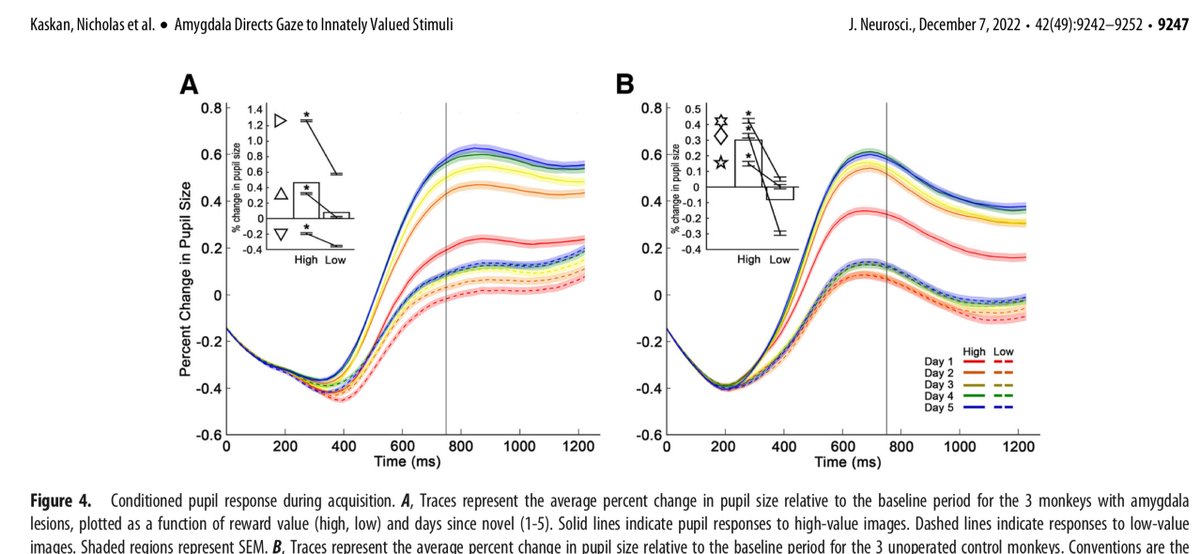
Using pupillometry and a rolling stimulus schedule, we found that NHPs could learn the difference in stimulus value within 20 trials of the session and this difference in pupil continued to increase with subsequent sessions.
https://t.co/ftSq2ELNXA
When you fail to perform at your best right when it matters the most, what's going on in your brain? We can now provide an explanation: Exceptionally high stakes interfere with motor preparation. We can see this in motor cortex. Next up: finding out why.
https://t.co/gqB12kSTSG
After some lovely updates thanks to reviewer/editor feedback, this work is now published in Neuron!
https://t.co/bTEZgWrlOC
We find monotonic reward signals in M1/PMd, and interactions of reward value with neural reach signals that correlate with an inverted-U in performance
*New preprint* - We (Tim Verstynen, Jonathan Rubin and I) show how cortico-basalganglia-thalamic networks can maximize reward rate 🙂 - https://t.co/HhPYK8x8ls
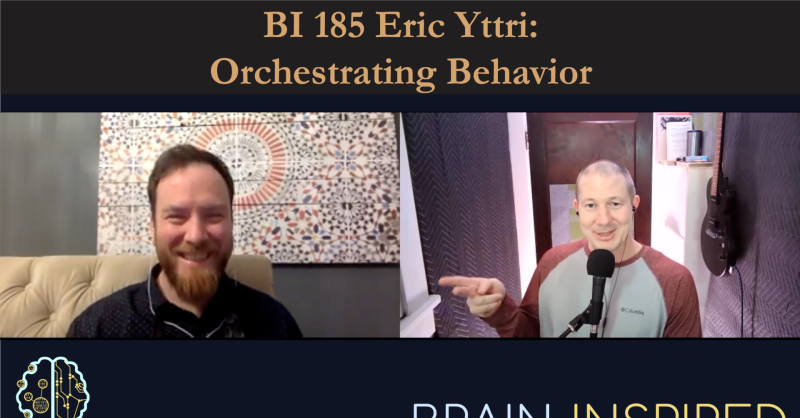
When you ask your boss @YttriLab to come on your podcast to discuss neurobehavior, and all he wants to talk about are octopuses and slime molds...
Kidding. Mostly.
Eric and I chat about how brains do behaviors and why that's not a simple question.
https://t.co/hFUJS9IQDB








![VincentCostaPhd's tweet photo. 26 years after Larry Swanson emphasized “the amygdala is neither a structural or functional unit” we used sn-RNAseq to answer the question:
“What is the [primate] amygdala?”
Check out the preprint 👇
https://t.co/qARasyT6J7 https://t.co/ue1b2DaFfE](https://pbs.twimg.com/media/GaPv4fYWEAIJbXi.jpg)