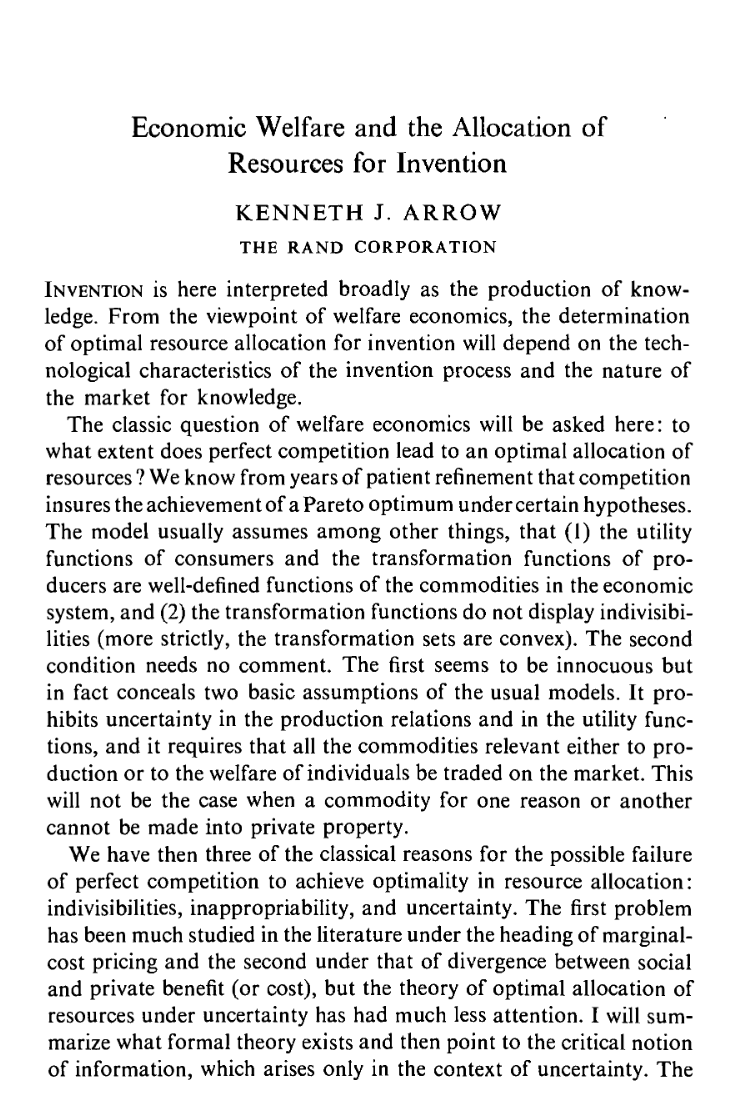
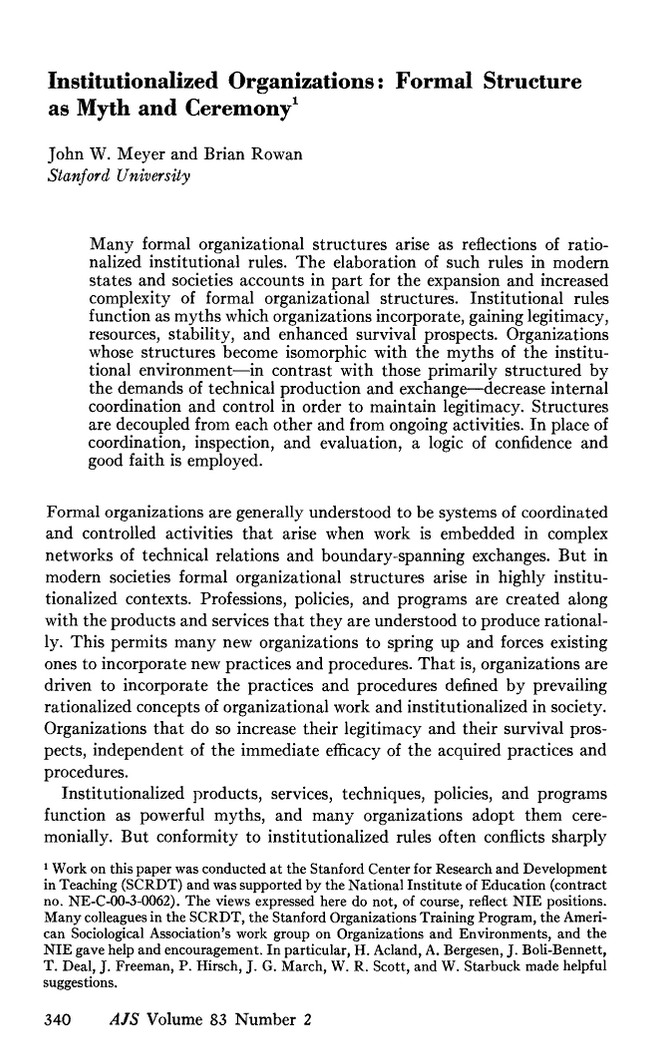
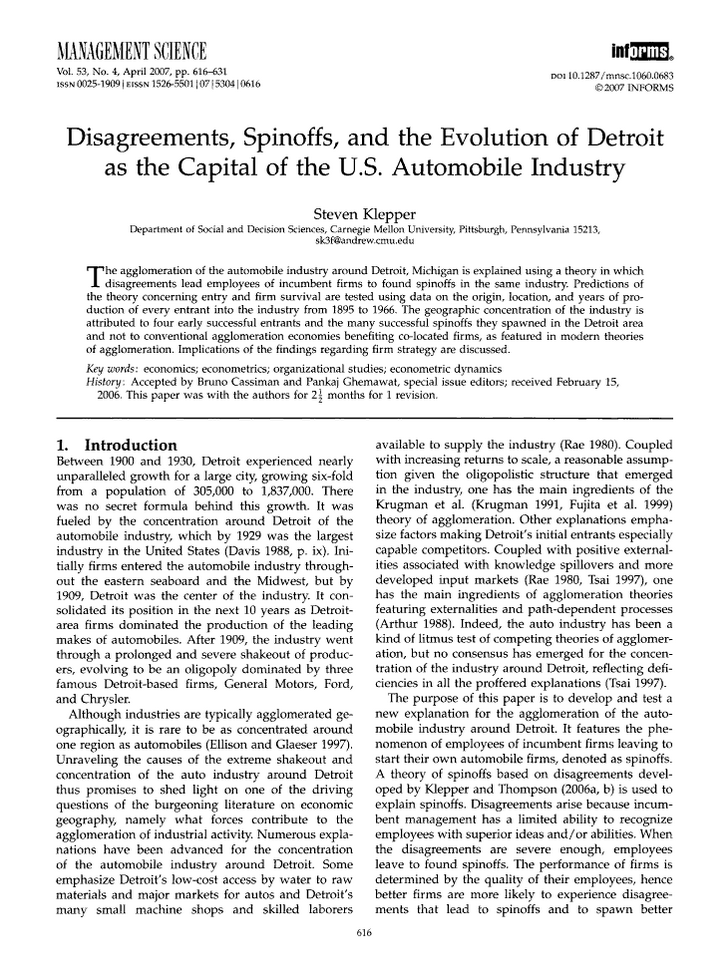
Increasingly think an MBA, rather than a CS degree, is the key to the state of AI. It is all very human
Large players dealing with Chistensen's disruption, Arrow's cannibalization, and Meyer & Rowan's rituals...
Among the startups, founder-board conflict, Klepper's spin-outs...
Many intriguing questions lurking in this graph. A few I'm mulling over:
1. How come there's no HIV vaccine when it's received more investment than any of the others (perhaps bar COVID now)?
-> Scientific goals aren't effort in = results out; even with modern techniques, some...
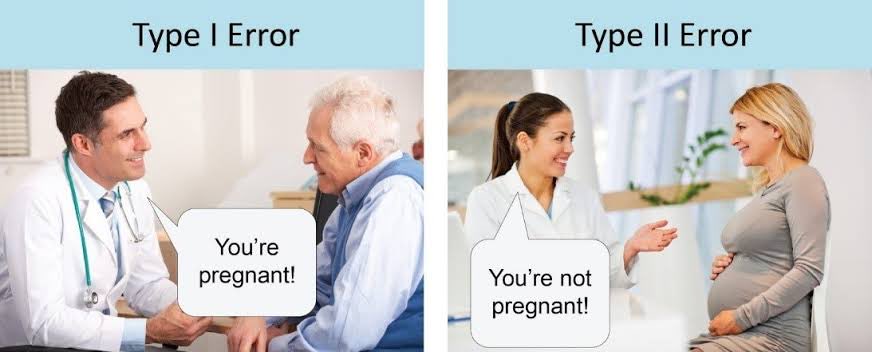
Understanding Type 1 & Type 2 Errors in Plain English
🧵 Let's delve into the world of statistical errors using some everyday examples! Type 1 and Type 2 errors can seem complex, but they're basically about making the wrong call based on your data. Let's break it down.
• Type 1 Error (False Positive):
•Imagine you're at an ancient temple, and an alarm sounds when intruders arrive. But it's just a curious squirrel! 🐿️
•In stats: You think you've found a real effect, but it's just random chance playing tricks.
•Technical term: Rejecting a true null hypothesis.
• Type 2 Error (False Negative):
•Back at that temple, a sneaky ninja 🥷 gets in, but the alarm stays silent.
•In stats: You miss a real effect because of variability, luck, or just not enough data.
•Technical term: Failing to reject a false null hypothesis.
• Balancing Act:
•Think of these errors as opposite ends of a seesaw. Reducing one often increases the other.
•It's like making the temple alarm more sensitive to catch ninjas. You'll also get more squirrel alerts!
• Real-Life Impact:
•Medical Testing:
•Type 1: Telling someone they have a disease when they don't. 😟
•Type 2: Telling someone they're fine when they're not. 😱
• How to Minimize These Errors?:
•Bigger sample sizes can help, but there's always a trade-off.
•In our temple, maybe combine motion sensors (to spot ninjas) with heat sensors (to ignore squirrels).
• Why It Matters:
•Making decisions based on data is powerful, but knowing potential pitfalls ensures we make the right call.
•Whether you're guarding ancient treasures or interpreting a new study, understanding these errors helps navigate uncertainty.
Keep asking questions and seeking truth. And remember: squirrels might set off alarms, but it's the ninjas you really need to watch for! 🐿️🥷
#DataScience #Statistics
PS: Thanks to @DiegoMarnei for the topic suggestion
2 cents e ñ vou perder tempo com isso:
Enquanto o currículo da graduação do aluno de Psico médio for picareta do jeito que é, dizer se AEC, TCC ou Psicanálise são ou não pseudociencia é bobagem.
Não existe Ciência na graduação em Psico hj em dia e essa é a fonte do problema.
🌈🚀 KTO celebrates the #PrideMonth with...research! Our own @ValerioIncerti, together with Luke and Caroline, found that LGBT entrepreneurs tap into supportive networks to acquire valuable resources and thrive in their unique journey. Find out more here: https://t.co/HYCii9YvjT
Many have asked why I started this diversity program. While the economic ranks are dominated by white men, they do not have a monopoly on creative ideas. The world will be a much better place when we welcome everyone to economics.
Spread the word!
https://t.co/lgZpQ8tK1o
Qual a coisa mais triste q já ouvi de um aluno?
"Pq tô aprendendo isso?"
A admissão de falta de curiosidade intelectual e o uso instrumental do conhecimento são das coisas mais tristes de encontrar em um aluno.
Hi folks, I’m afraid it’s time for me to say goodbye. Not just leaving Twitter, but the whole show. I’ve been battling cancer last 2 years, but now only have a few days left now. Thank you wonderful people, I leave this crazy world with much love in my heart ❤️
CfP: Sydney Conference March 23/24. Co-sponsored by @AOM_STR and @Macquarie_Uni.
Please submit your papers by January 15. More info: https://t.co/AlKoklznqu
Have you seen our recent paper in @OrganizationSci? https://t.co/YzDsqkfRn7
This video abstract nicely summarizes our research. We find that following your #intuition can be helpful in very specific situations.
Here’s a thread on what we found… 🧵
To be clear, we do not argue that organizations should always prefer intuition and reflection. Instead, managers should consider the fit between the cognitive processes, the environment, and the behavioral demands.
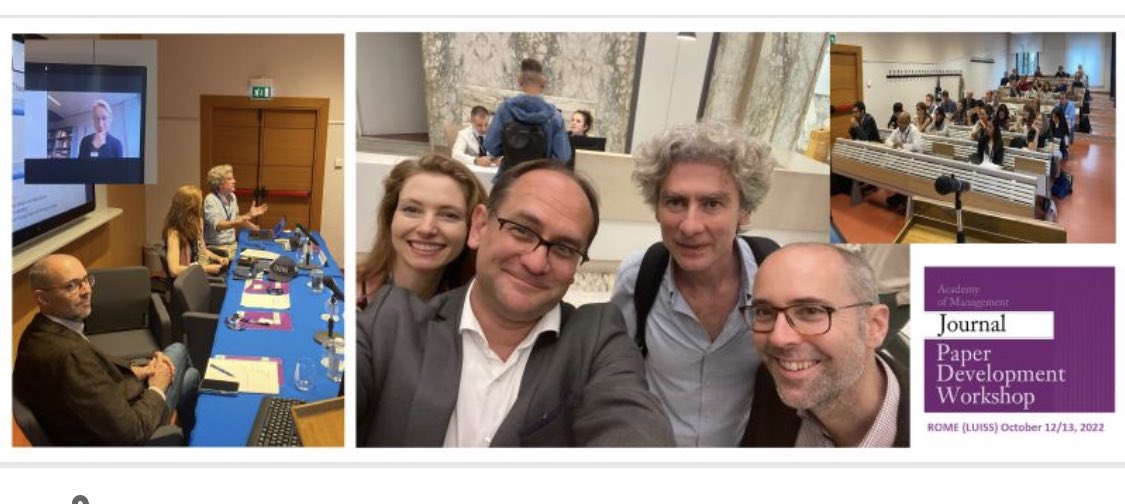
AMJ would like to thank LUISS University for hosting a Paper Development Workshop on October 12 & 13! "Grazie" on behalf of Marc Gruber, Juliane Reinecke, Floor Rink, Davide Ravasi and Anne ter Wal. @AOMConnect@UniLUISS