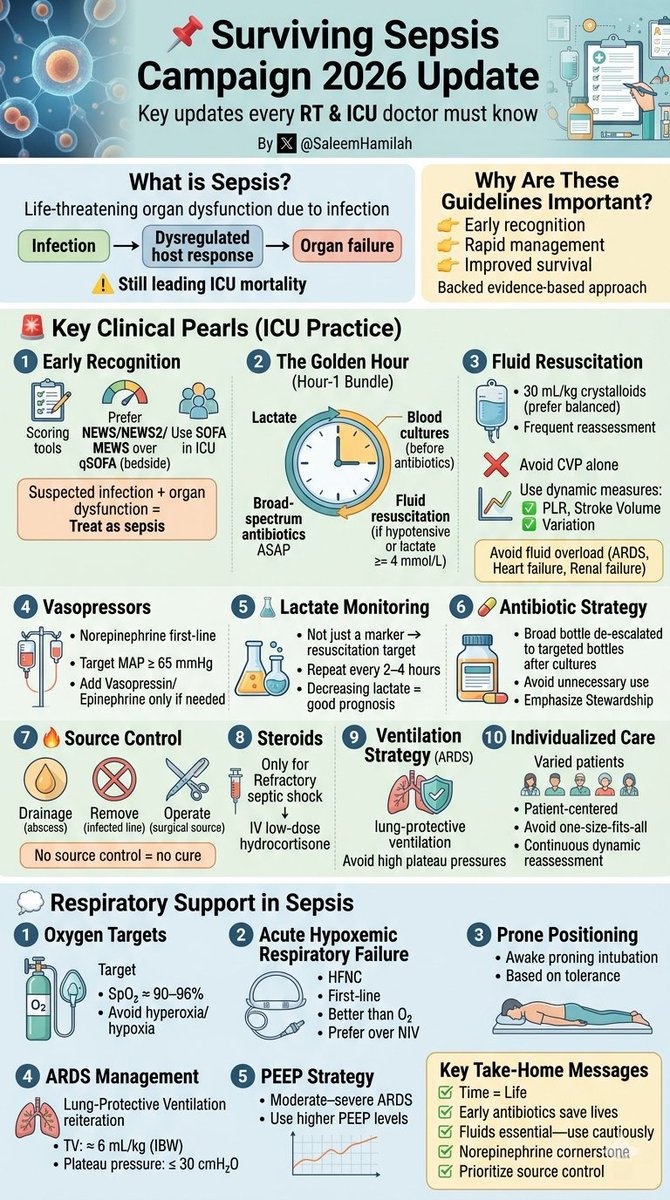
📌 Surviving Sepsis Campaign 2026 Update
(Key updates every RT & ICU doctor must know)
💀 What is Sepsis?
Sepsis = life-threatening organ dysfunction due to infection
👉 In simple terms:
Infection → Dysregulated host response → Organ failure
#RespiratoryCare
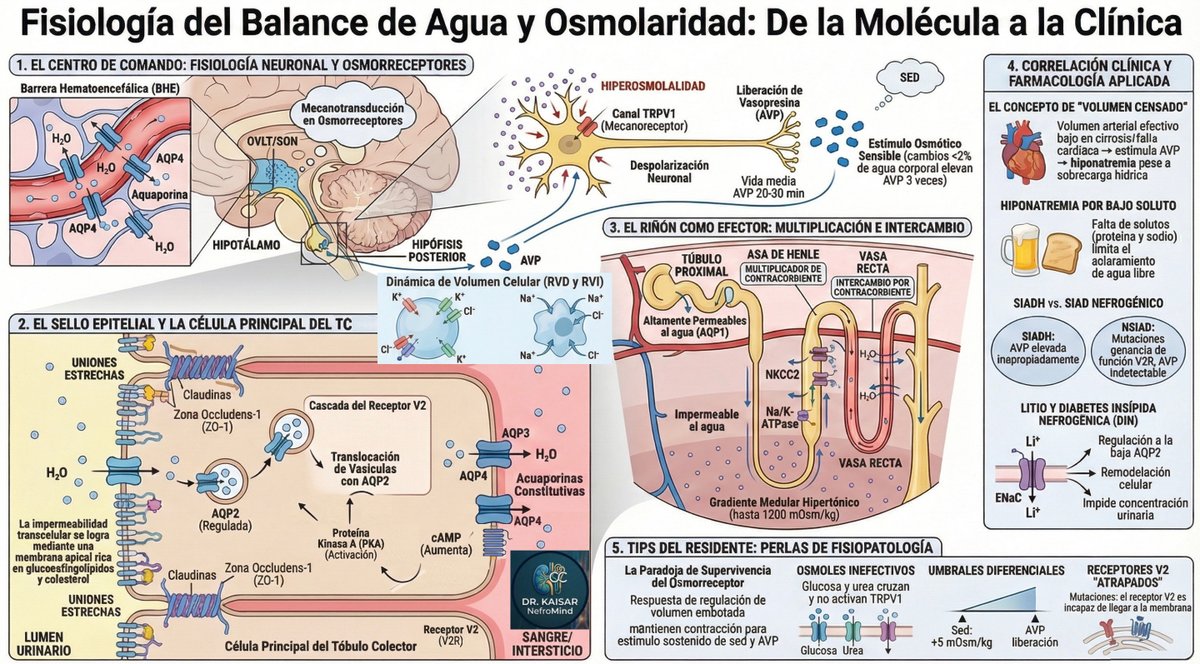
La Arquitectura Molecular del Agua 🧬
Para dominar los trastornos del sodio, debemos entender que el riñón no opera en el vacío, sino como el efector final de un intrincado sistema neuroendocrino.
Aqui te explico el balance del H2O
🧵
#FisiologiaRenal#Hiponatremia#Acuaporinas
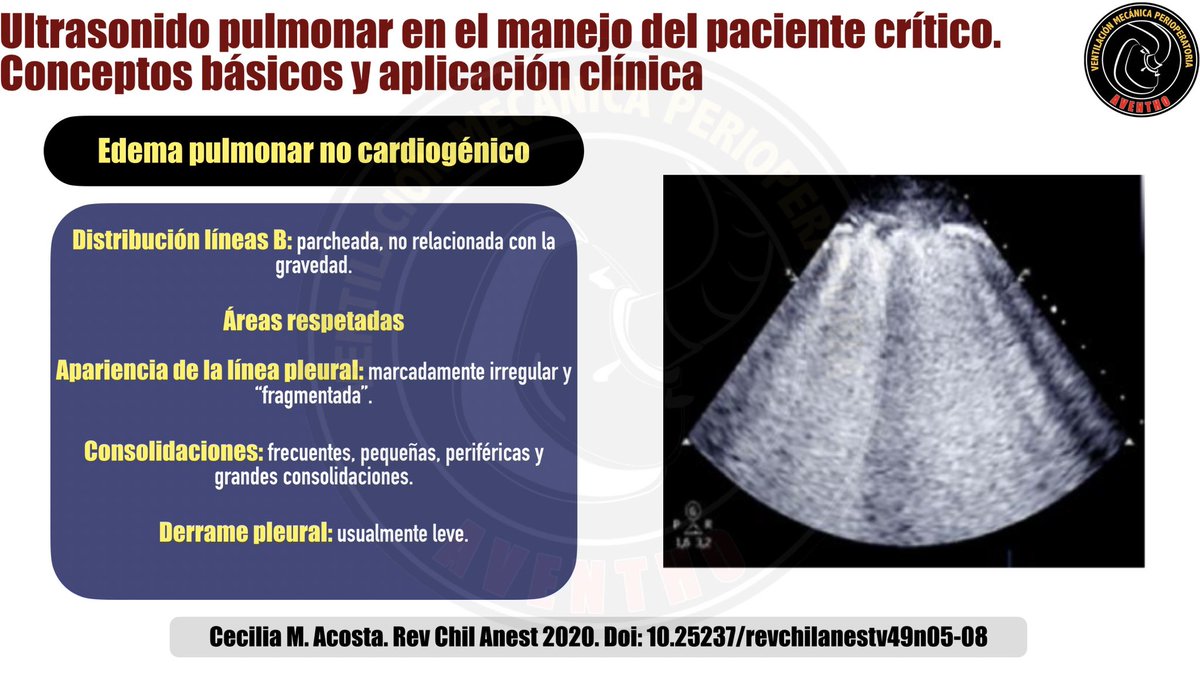
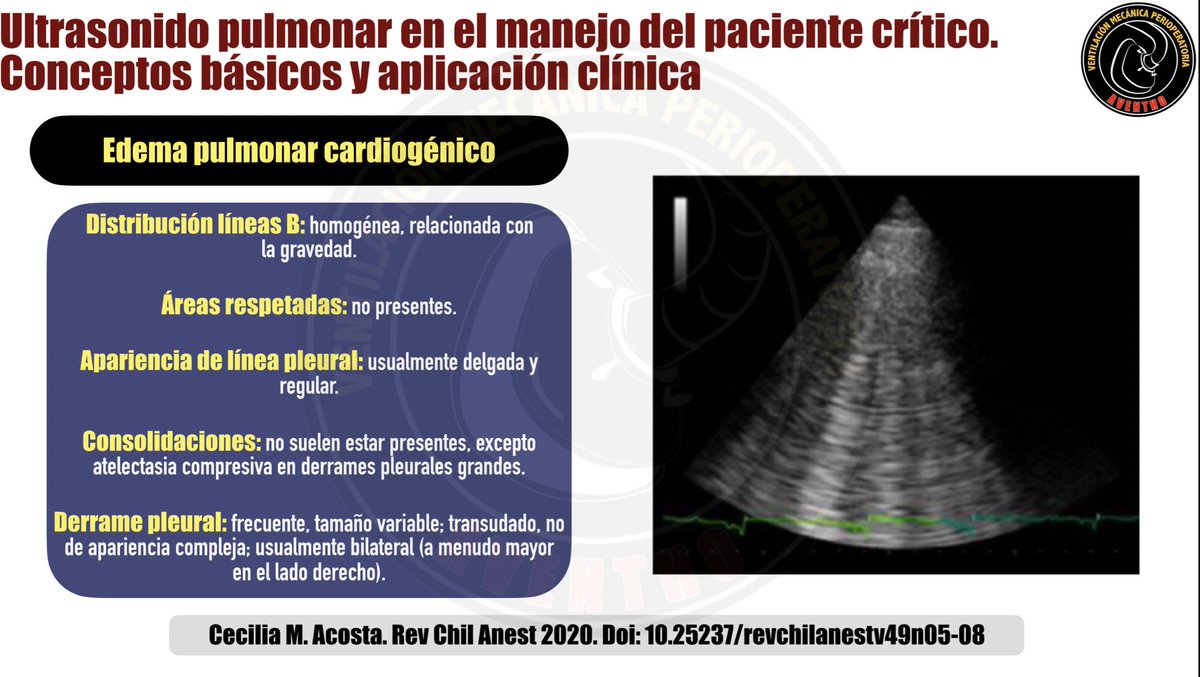
¿Líneas B en POCUS pulmonar? No todas son iguales.
#AventhoAnestesia#Aventho#SMMCE#SAML
Distinguir entre edema cardiogénico vs no cardiogénico cambia la conducta.
🔴 Edema cardiogénico (hidrostático)
* Líneas B difusas, simétricas y gravitacionales
* Pleura fina, continua
* Sin consolidaciones significativas
* Derrame pleural frecuente (transudado)
Fisiopatología: ↑ presión capilar → líquido intersticial homogéneo
🔵 Edema no cardiogénico (ARDS)
* Líneas B parcheadas, con áreas respetadas
* Pleura irregular, engrosada, fragmentada
* Consolidaciones subpleurales frecuentes
* Derrame escaso
Fisiopatología: daño alveolo-capilar heterogéneo
Perlas clínicas
• Integra SIEMPRE con contexto: shock, sepsis, sobrecarga, BNP
• Evalúa dinámica: el cardiogénico mejora rápido con diuréticos/PEEP
• Score pulmonar (LUS) útil para seguimiento, no solo diagnóstico
• Combinar con eco cardíaco → ↑ precisión diagnóstica
No es solo “hay líneas B”, sino cómo están distribuidas.
A side-by-side comparison of Creatinine and Cystatin C, the two primary biomarkers used to estimate Glomerular Filtration Rate (eGFR).
https://t.co/mNJTUiLZUq
🩻Contrast-induced AKI:
one of the biggest myths still shaping clinical decisions
For decades we were taught:
👉 “Contrast damages the kidneys”
👉 “Avoid CT with contrast in CKD”
👉 “Hydrate, protect, delay imaging if needed”
But what if… most of this is wrong?🤔
->The uncomfortable reality
Modern evidence shows:
👉 Low-osmolar contrast rarely causes true nephrotoxicity
👉 Even in CKD, AKI, and ICU patients
👉 The risk is often overestimated—or nonexistent
So where did the fear come from?
📍 1950s high-osmolar contrast (actually toxic)
📍 Poorly controlled observational studies
📍 “Creatinine rise = contrast injury” assumption
👉 Correlation became causation
👉 And the dogma stayed
⚠️What recent data tells us
✔ No difference in AKI rates with vs without contrast
✔ No benefit from bicarbonate, NAC, or aggressive hydration
✔ Even ICU and AKI patients show no worsening outcomes
->Translation to real life
👉 The patient was going to develop AKI anyway...Not because of contrast!!
->The real problem: “Renalism”
👉 Avoiding necessary imaging
👉 Delaying diagnosis
👉 Choosing inferior tests
And that leads to:
❌ Missed PE
❌ Delayed sepsis source control
❌ Worse outcomes
->Clinical mindset shift
Instead of asking:
👉 “Will contrast harm the kidneys?”
We should ask:
👉 “Will NOT doing the scan harm the patient?”
->Who still deserves caution?
✔ eGFR <30
✔ Severe hemodynamic instability
✔ Multiple nephrotoxins
Even then:
👉 Optimize volume
👉 Minimize dose
👉 Don’t delay critical imaging
🤓Bottom line
✔ Contrast nephrotoxicity exists… but is rare
✔ The fear is bigger than the risk
✔ The harm of NOT imaging is often greater
In critical care
👉 We don’t treat creatinine
👉 We treat patients
And sometimes…
👉 The most dangerous thing is NOT the contrast
👉 It’s hesitation.
📃Reference
Florens N, Demiselle J.
Kidney360 7: 445–449, 2026. doi: https://t.co/CWzi7WC9Wx
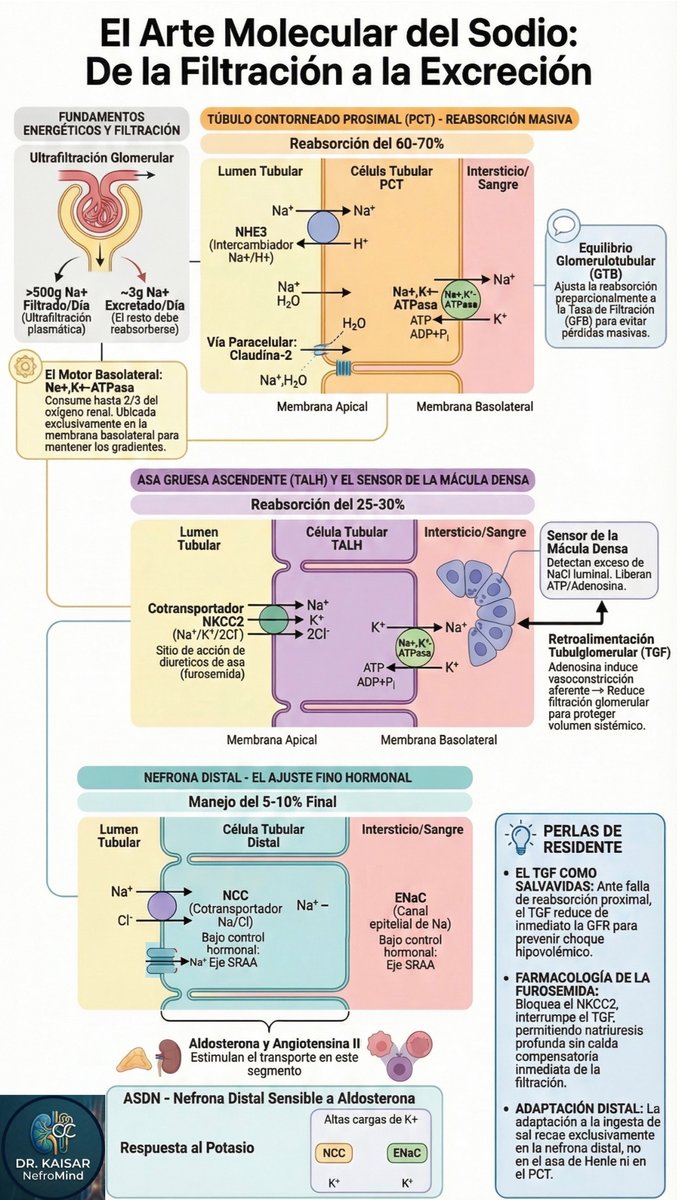
¿Sodio? 🧂
Desglocemos el manejo del sodio a lo largo de la nefrona, entender su transporte e importancia nos ayudará con la toma de decisiones al pie de la cama del paciente.
Abro hilo 🧵
#FisiologiaRenal#MaculaDensa#MedicinaInterna#Nefrologia
📉Low asymptomatic sodium in a hospitalized patient:
Are you chill 🧊 or do you treat 🛠️ ?
Next #NephJC 4/7/26, we're changing it up (let's see if anyone notices 👀) #NephTwitter
VA by @brian_rifkin
https://t.co/peszrEoDQS
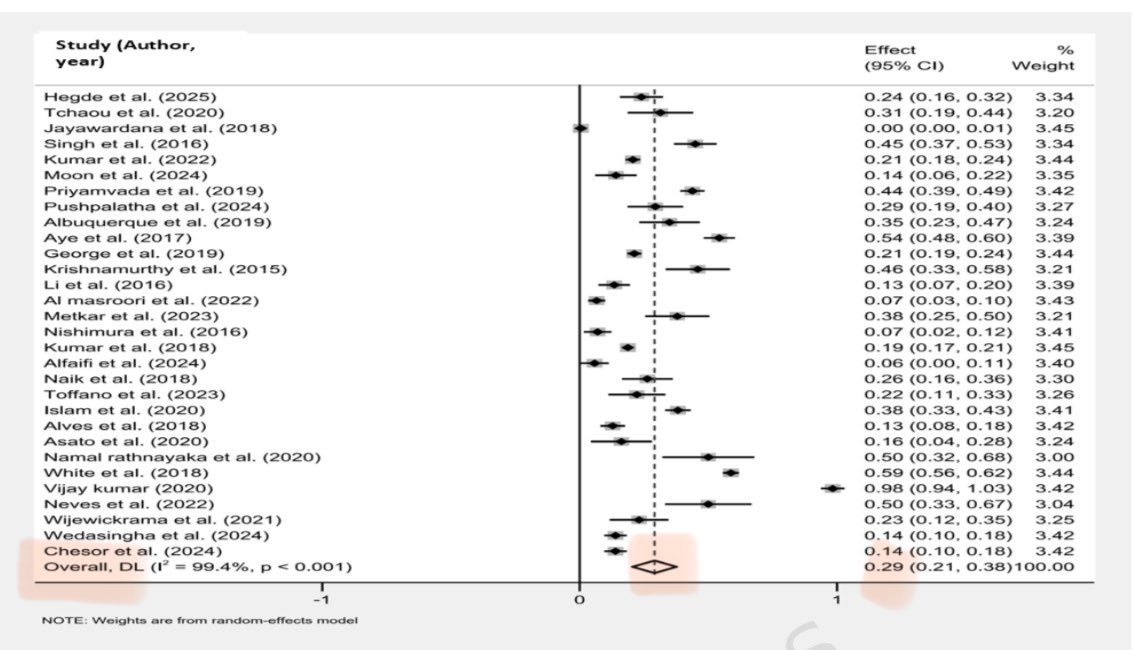
En envenenamiento por mordedura de serpiente🐍 sucede lo siguiente:
•29% lesión renal aguda
•32% recibe diálisis
•14% muere
•la más dañina Russell’s viper
Metaanálisis 30 estudios
BMC Neph 2026
https://t.co/HX9UjouaRD
10 tips del manejo posterior a lesión renal aguda
1-transición del seguimiento
2-citarlo en corto
3-mide albuminuria
4-mide Cistatina C en sarcopenia
5-reinicia iSRAA
6-indica iSGLT2
7-evalúa riesgo cardiovascular
8-considera lo psicosocial
9-educa al sujeto
10-manejo multidisciplinario
CKJ 2026
https://t.co/eYmsIEdg97
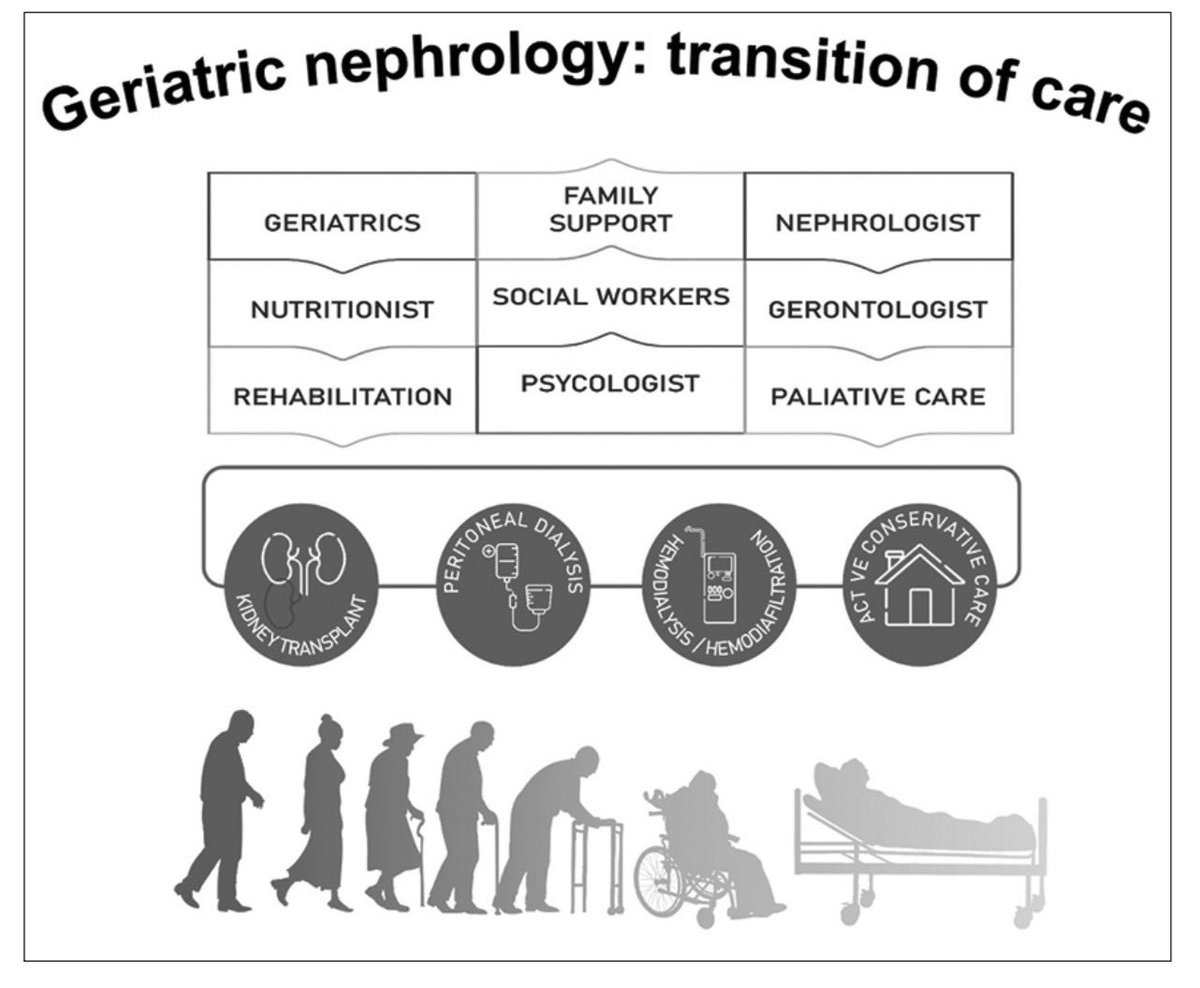
En ancianos, el determinante más relevante para decidir el inicio, o en qué modalidad de terapia de soporte renal hacerlo es la funcionalidad, no la edad
J Lat Am Geriat Med 2026
https://t.co/i3LVsnkZdE
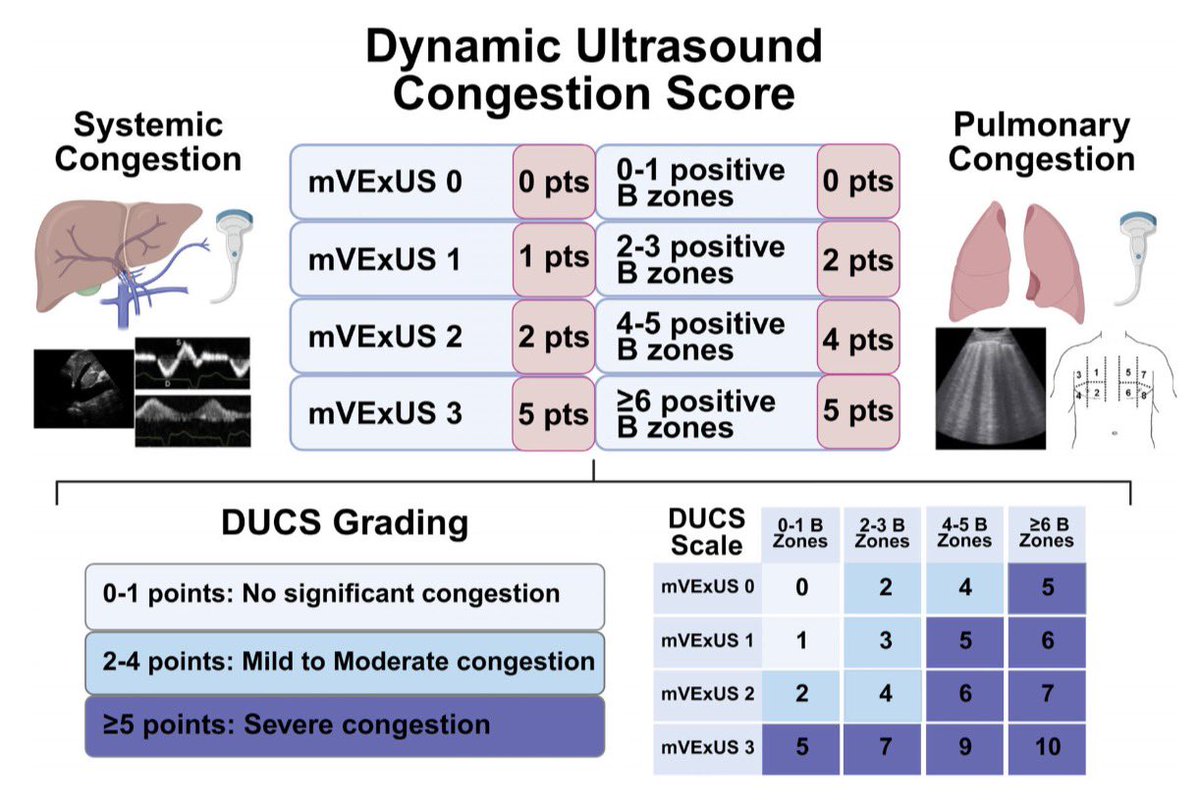
En hospitalizados con falla cardiaca congestiva, el puntaje DUCS que combina VExUS y líneas B pulmonares, detectó congestión grave en 86% de los casos, que ↓ a 43% con descongestión. Cuantificar la ↓DUCS se asoció a ↓34% riesgo de morir
J Ultrasound Med 2026
10.1002/jum.70229
Best Mentorship abstract award: Exploring the pathogenesis of DKD progression by urinary single-cell RNA sequencing by @hhlwu et al, #ISNWCN@ISNWCN
Visual abstract available for download here: https://t.co/e1aoeom122
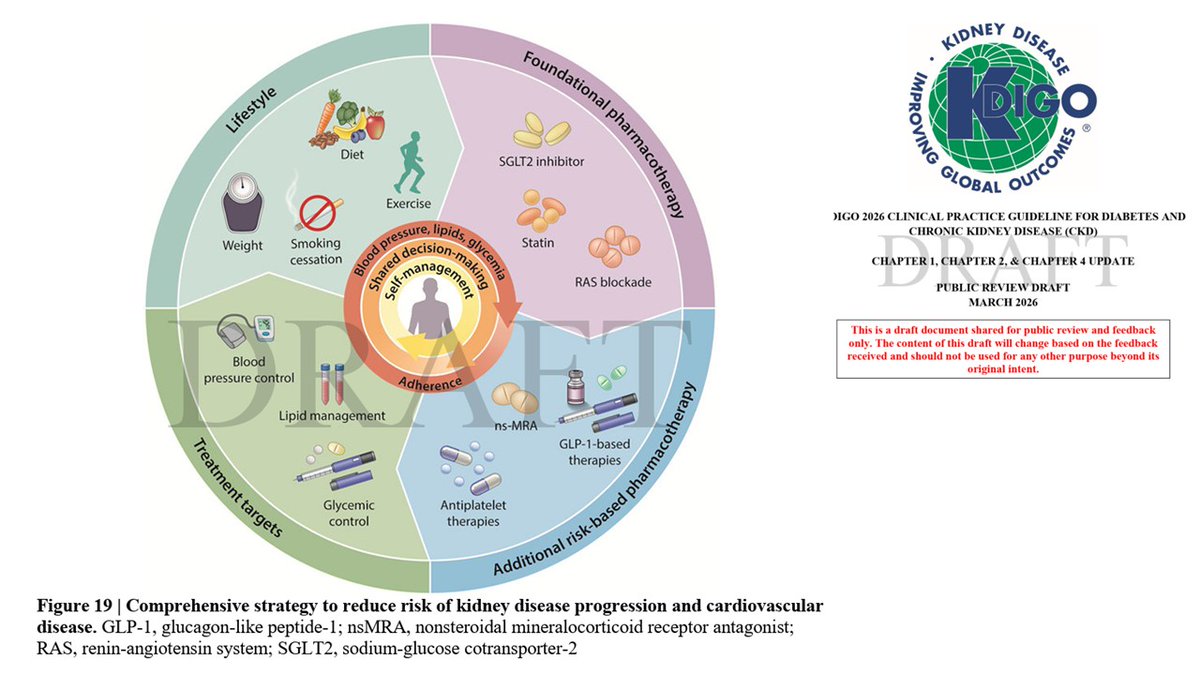
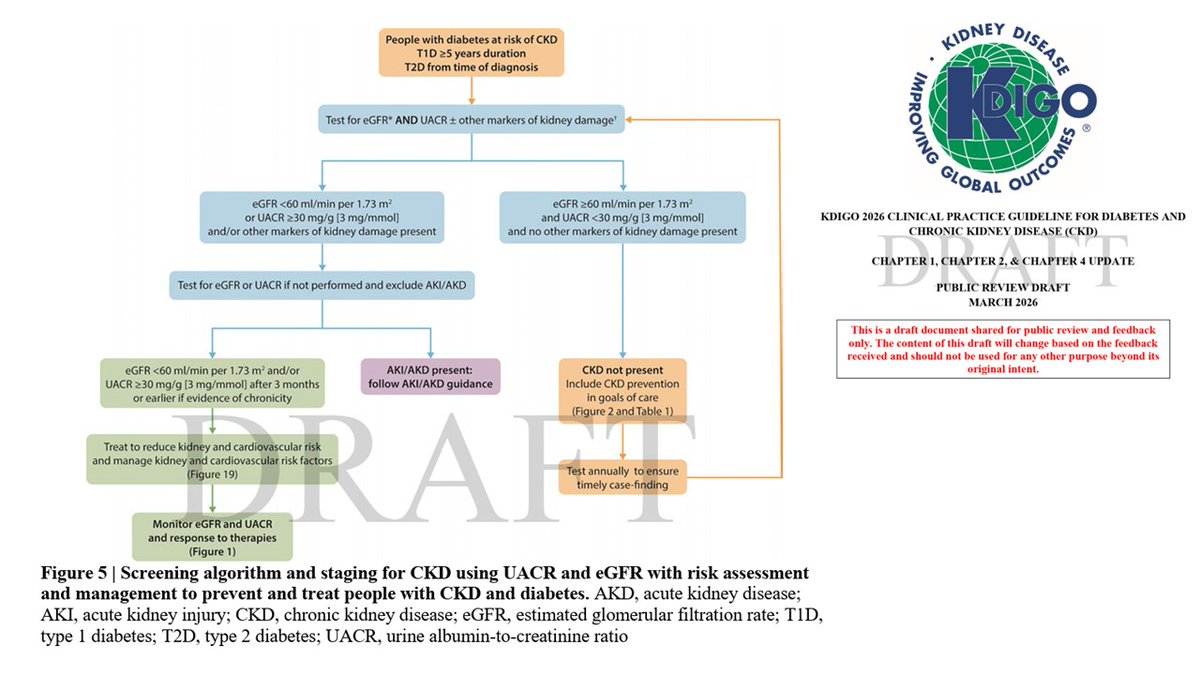
The draft of @goKDIGO 2026 Clinical Practice for Diabetes and Chronic Kidney Disease (CKD) is available for public review through 🗓️ April 13, 2026
#Nephpearls
We invite you to review the draft and share comments to help inform the final guideline
👉 https://t.co/ka7hU7mBp8