She was 22 years old, standing at an open airplane door with bullets flying—and she made a choice that would save 359 lives, but not her own.
September 5, 1986. Pan Am Flight 73 touches down in Karachi for a routine refueling stop. Passengers settle in. Children doze. No one suspects what's coming.
Then, in seconds, four armed men storm the aircraft. Screams. Chaos. Terror.
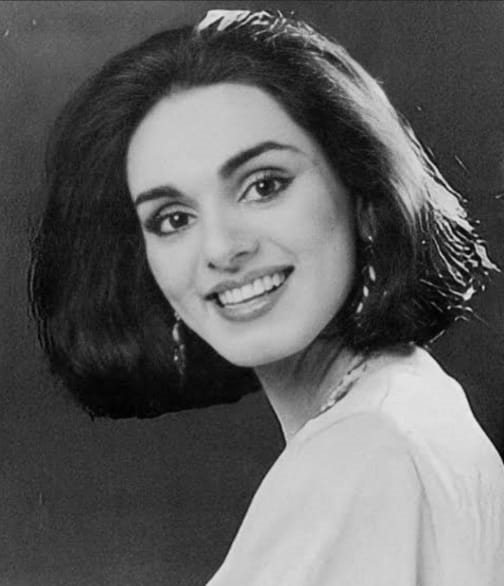
At the front of the cabin stands Neerja Bhanot, a 22-year-old flight purser with a warm smile and steady hands. In that instant, she could have frozen. She could have run. Instead, she acted.
She immediately alerted the cockpit crew, giving the pilots precious seconds to escape through an overhead hatch. That single act ensured the hijackers couldn't fly the plane to another country or crash it deliberately. Hundreds of lives were already saved—and the ordeal had just begun.
For 17 agonizing hours, Neerja became the calm in the storm. She moved through the aisles with quiet courage, hiding American passports so passengers wouldn't be singled out for execution. She cradled crying children, whispered reassurances to terrified families, and stood as a human barrier between the gunmen and the innocent.
She never thought of herself. Not once.
As night fell, the plane lost power. In the darkness, panic ignited. The hijackers opened fire.
Neerja was stationed at an emergency exit. The door was open. Freedom was right there. One step, and she'd be safe.
But as passengers rushed toward her, she didn't move. She stayed. She threw open the doors wider, pushing people out, shielding them with her body. And when three children stood frozen in fear, unable to move, Neerja did the unthinkable.
She covered them with her own body.
The bullets came. She took them. All of them.
Neerja Bhanot did not survive that night. But because of her, 359 others did.
Today, her name is spoken with reverence across the world. She was posthumously awarded India's highest peacetime bravery honor. A Bollywood film was made in her memory. Airlines train crew members using her example.
But more than awards or movies, Neerja's legacy lives in a simple, staggering truth: when faced with the ultimate choice—her life or theirs—she chose theirs. Without hesitation. Without doubt.
A 22-year-old woman who became immortal the moment she decided that strangers were worth dying for.
Heroism isn't always loud. Sometimes, it's a young woman standing at an exit, whispering, "Go. I've got you."
And then staying behind.
Every cancer patient deserves personalised, high-quality care. At today’s #EWAC2025 webinar, we showcased how new technologies and research collaboration across Europe are improving outcomes and supporting survivors every step of the way.
#EUCancerPlan#HealthUnion
Excited to share a new study by @AngliaRuskin & @WHO_Europe: The role of #AI in mitigating the impact of radiologist shortages.
In Europe and around the world, we face a growing shortage of radiologists. But did you know that AI could help reduce their workload by >50%?
We see that AI can read and interpret images faster & sometimes better than humans. But it’s not here to replace radiologists. It’s here to support them. AI can help professionals focus on what they do best: complex decision-making, patient care, acting in emergencies.
Of course, there’re ethical, legal & trust issues that we must tackle together with radiologists, tech developers, policymakers and patients at the table.
Discover it here: https://t.co/DbAfuf00yj
ICYMI - The EC has just published for comments the text of 12 new draft implementing acts of #eIDAS2 Regulation.
Have your say: DDL is 13 May 2025!
#eIDAS#EUDIWallet
https://t.co/lEvMoC6TZW
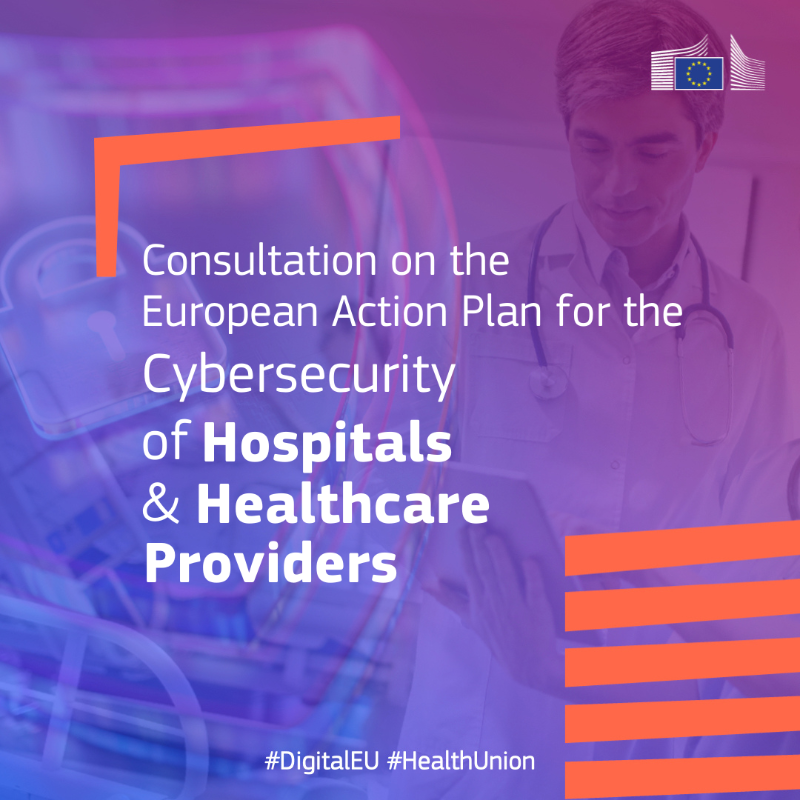
🛡️ Cybersecurity threats to the medical sector represent a serious issue, with many incidents reported by EU countries.
To respond to this urgency, we launched a public consultation on the Action Plan for the cybersecurity of healthcare providers.
Have your say by 30 June ⬇
The 🇪🇺 Cancer Imaging Initiative is unlocking the power of AI for the benefit of cancer patients, clinicians & researchers.
Discover how this initiative can help save lives: https://t.co/pYndVRoXug.
Watch the video from its 2nd anniversary event ↓
#WorldHealthDaThe 🇪🇺 Cancer Imaging Initiative is unlocking the power of AI for the benefit of cancer patients, clinicians & researchers.
Discover how this initiative can help save lives: https://t.co/pYndVRoXug.
Watch the video from its 2nd anniversary event ↓
#WorldHealthDaThe 🇪🇺 Cancer Imaging Initiative is unlocking the power of AI for the benefit of cancer patients, clinicians & researchers.
Discover how this initiative can help save lives: https://t.co/pYndVRoXug.
Watch the video from its 2nd anniversary event ↓
#WorldHealthDaThe 🇪🇺 Cancer Imaging Initiative is unlocking the power of AI for the benefit of cancer patients, clinicians & researchers.
Discover how this initiative can help save lives: https://t.co/pYndVRoXug.
Watch the video from its 2nd anniversary event ↓
#WorldHealthDay
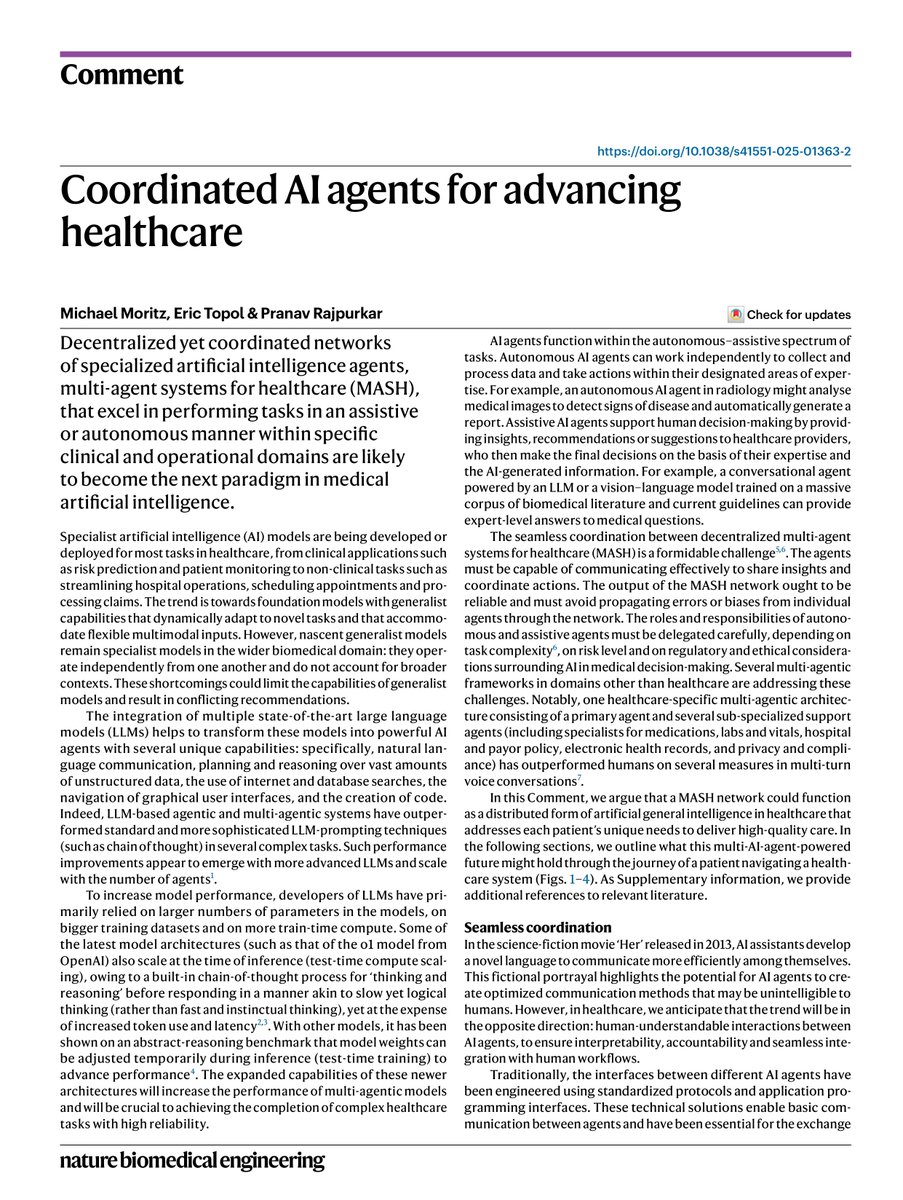
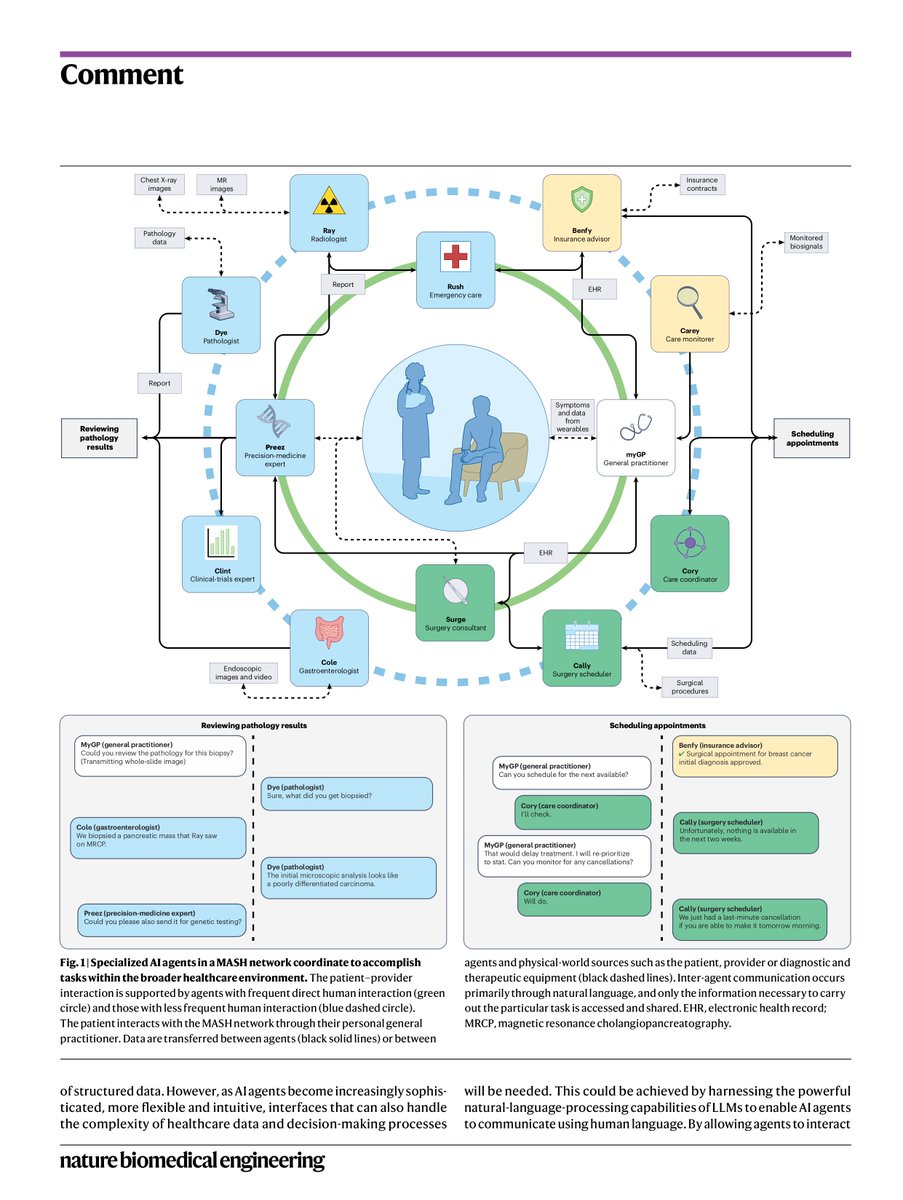
Our new paper on Multi-Agent Systems for Healthcare (MASH) just came out today in Nature Biomedical Engineering. with colleagues Dr. Michael Moritz and Dr. @EricTopol
#AI in healthcare is exciting, but it’s only as good as the data it learns from. Without strong health data governance, AI can’t be safe, reliable, or effective.
New @WHO_Europe policy brief, co-funded by @EU_Health, highlights key actions for policymakers:
💶 Invest in data governance for better care & public trust
🔗 Ensure seamless data sharing & interoperability
🚦 Coordinate national data providers efficiently
🤝 Engage diverse stakeholders
Learn more: https://t.co/q398N9LsOG
With European Health Data Space regulation taking effect soon, citizens will have control over their data, with clear rights and safeguards. The better use of big datasets will lead to new therapies, more resilient health systems and a world leader innovative 🇪🇺 health industry.
📣 Today we meet to kick-off the new @EU_Commission funded project: @B1MGplus! The project will support the 🙌 1+MG initiative and the European cross-border network of 🧬 #genomic and clinical data.
Read the news on our website: https://t.co/NtnbenTWJL
#DigitalEU#1MGenomes
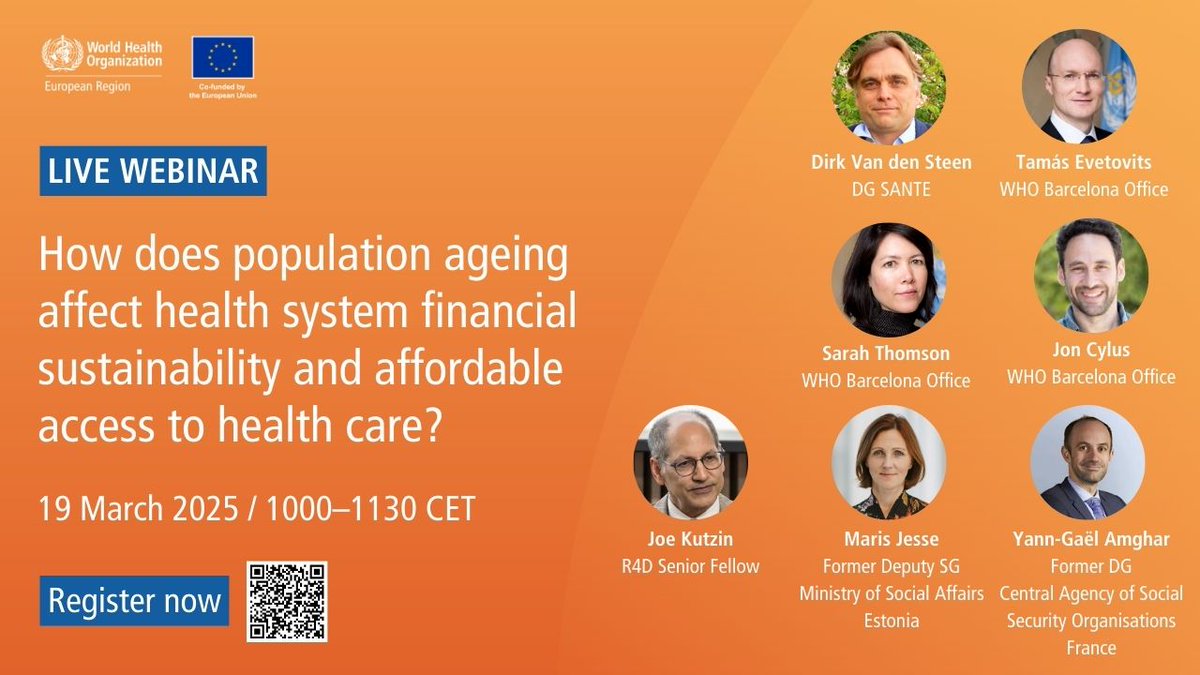
Ageing is inevitable—but health financing gaps aren't.
☂️ How can broad revenue bases and policy choices keep access to health care affordable as 🇪🇺 populations age?
☂️ Join #WHOBarcelona on 19 March for solutions.
☂️ Register: https://t.co/ikvXbvFGIk
Supported by @EU_Health
What is the state of health in Europe?
#EHR2024 calls on countries to:
🤱🏻Protect children’s health
🫂Tackle NCDs, poor mental health & infectious diseases
🌏Address emergencies & climate change
Let’s keep health high on the agenda.
Learn more: https://t.co/iiw6ORxRK0
Top 5 advances in medicine this week (🧵)
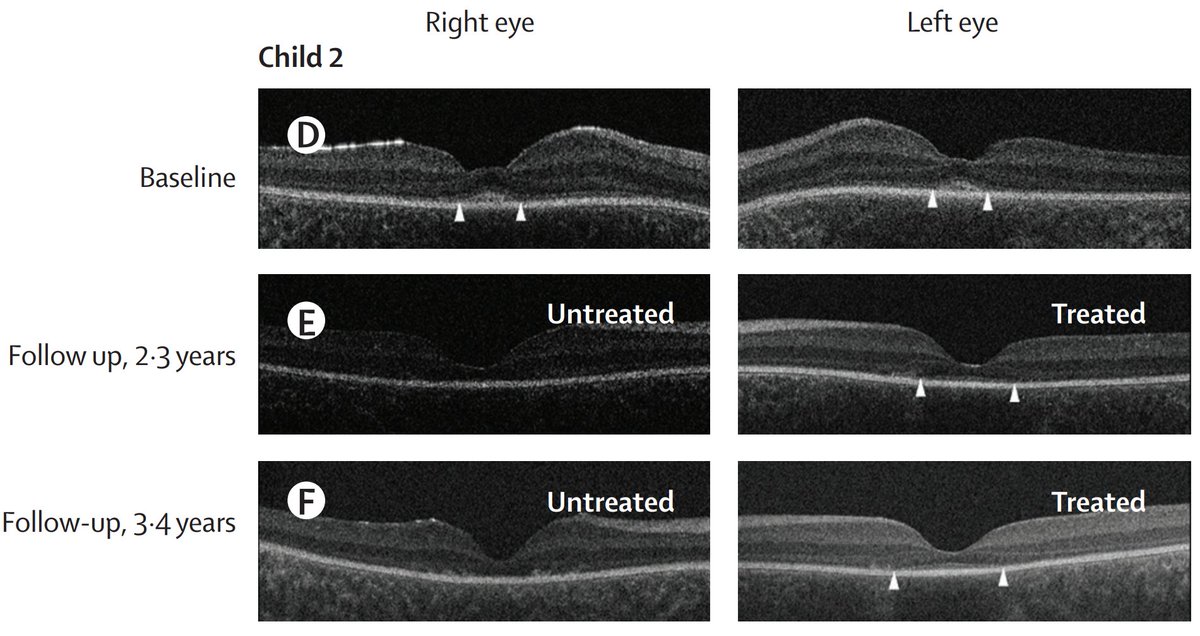
1. Gene therapy provided sight to children born blind
The 4 children had a rare form of blindness, caused by mutations in the retina gene, AIPL1
A functional copy of this gene was introduced, in one eye per patient, using the other eye as a control
All of the children started to see (though imperfectly): they started to draw and write, moved around on their own, and played with others
This is not the first time gene therapy has been used to treat blindness (there is even an approved therapy for inherited RPE65 mutations)
This approach is now being rolled out more widely to children affected by AIPL1 deficiency
Study: https://t.co/rYBkqPUPeo
L'ultimo messaggio di un grande uomo
Giovanni Scambia ai giovani: "Meravigliatevi dei progressi e delle conquiste" - la Repubblica https://t.co/eBguMd4oVf
una persona straordinaria, un gigante della medicina, un grande uomo, lascia un vuoto incolmabile
Morto Giovanni Scambia, il luminare della ginecologia oncologica aveva 65 anni https://t.co/DuRdK2JnjU
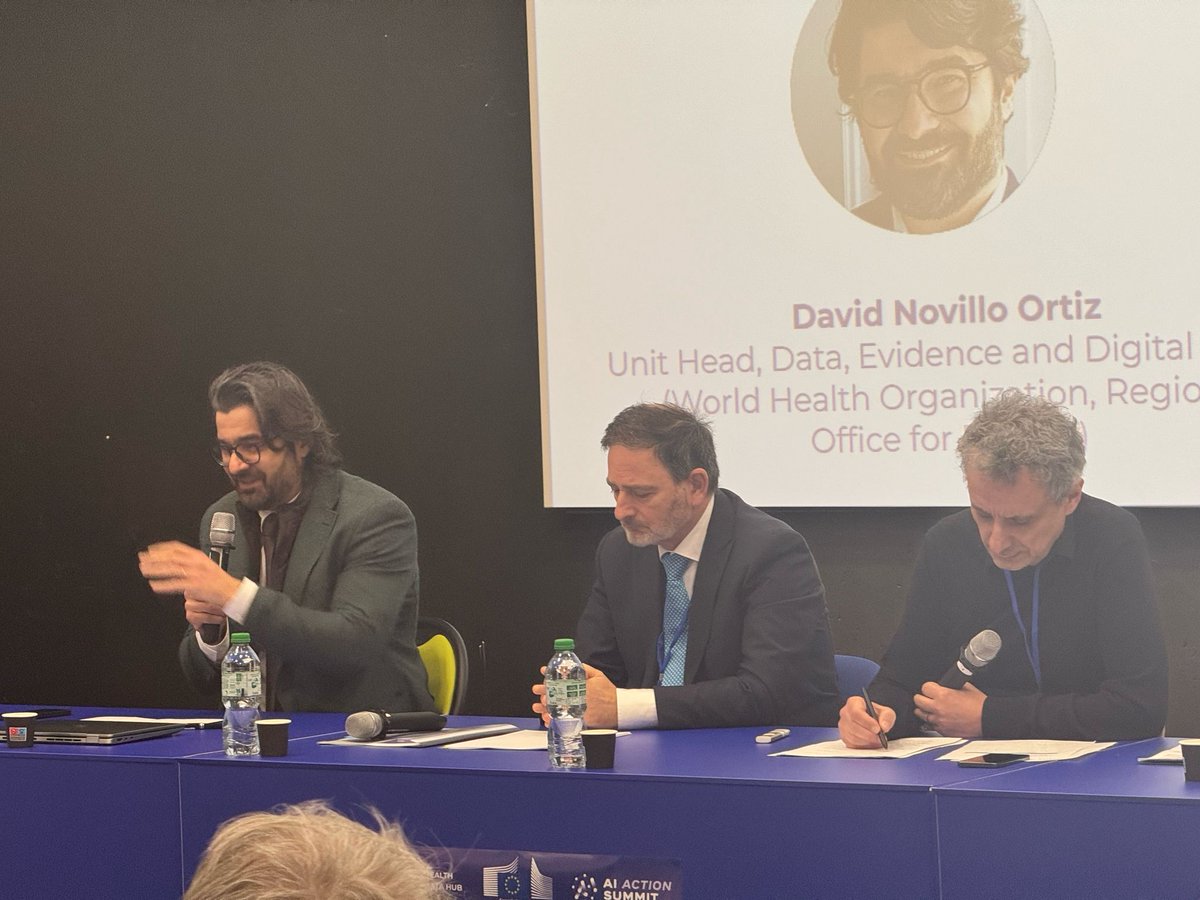
Grateful to be a part of #AIActionSummit in 🇫🇷 and discuss how AI can improve public health.
Europe is well-positioned to lead in ethical and secure AI, but still, AI is only as good as the data we feed it. We must:
🔐 Strengthen governance
📊Address data gaps
🧑🏻💻Promote data sharing & usability
🧑🏻⚕️Empower health workers
At @WHO_Europe, science is at the core of everything we do. Our partnership with @EU_Health is strengthening health information systems, data governance, and interoperability across all 53 Member States.
A pleasure to see @marsemo & other brilliant minds. Grateful also to WHO/Europe’s leadership @hans_kluge & @natasha_azzmus for always championing AI and #DigitalHealth as tools for equity.
Thank you for the invite @HealthDataHub!