✍ Review article
🩸 🧠 The role of impaired autoregulation in cerebral small vessel disease and vascular cognitive impairment
Read the review here! 👇
https://t.co/aqKV8fipqz
The Role of Clinical, Plasma, and Imaging Biomarkers in Assessing Future Dementia Risk in Individuals With Subjective Cognitive Decline: https://t.co/YRTmf2Z4kS
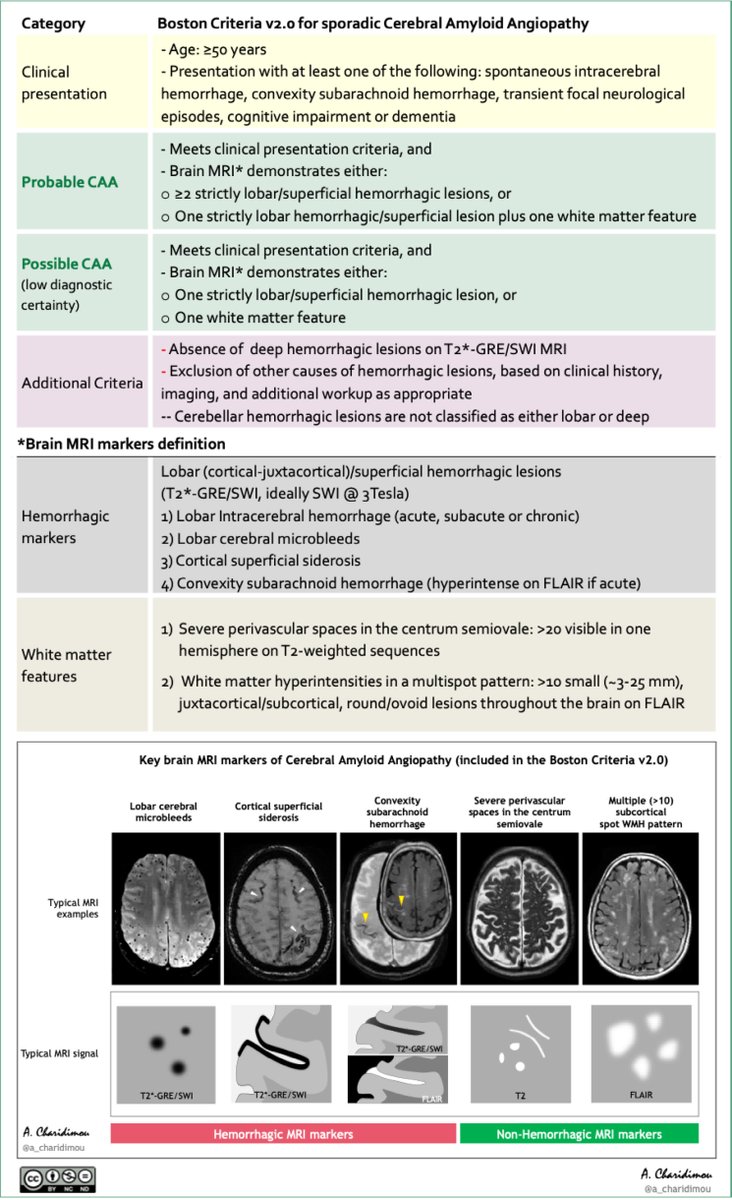
𝗣𝗮𝘁𝗵𝗼𝗴𝗲𝗻𝗲𝘀𝗶𝘀 𝗮𝗻𝗱 𝗘𝗽𝗶𝗱𝗲𝗺𝗶𝗼𝗹𝗼𝗴𝘆 𝗼𝗳 𝗖𝗲𝗿𝗲𝗯𝗿𝗮𝗹 𝗔𝗺𝘆𝗹𝗼𝗶𝗱 𝗔𝗻𝗴𝗶𝗼𝗽𝗮𝘁𝗵𝘆
The Aβ fibril deposits that characterize cerebral amyloid angiopathy differ from those in Alzheimer’s disease in that they are primarily localized to cerebral blood-vessel walls rather than brain tissue and are characterized by a predominance of the shorter Aβ40 isoform rather than the longer Aβ42 isoform. The pathological changes range from trace Aβ deposits surrounding arteriolar smooth-muscle cells (mild cerebral amyloid angiopathy, Panel A) to full replacement of the arteriolar media (moderate cerebral amyloid angiopathy, Panel A) and, ultimately, to fragmentation of the vessel wall (severe cerebral amyloid angiopathy, Panel B). Amyloid is predominantly deposited in leptomeningeal and cortical arterioles, but it may appear in cerebral capillaries, otherwise sparing cerebral veins, venules, larger arteries, and deep penetrating arterioles in the basal ganglia, thalamus, and brain stem. Deposits are absent in vessels outside the central nervous system. Intracerebral hemorrhage occurs at the severe pathological stage and is likely to be the result of vascular remodeling that leads to replacement of Aβ-laden vessel-wall segments with fibrin and other plasma components, blood–brain barrier leakage, and accumulation of activated astrocytes and perivascular microglia or macrophages.
Learn more in the Review Article “Cerebral Amyloid Angiopathy” by Steven M. Greenberg, MD, PhD, from Massachusetts General Hospital (@MassGeneralNews) and @harvardmed: https://t.co/dEMf0G2Nky
Read a clinical case of a patient with cerebral amyloid angiopathy: https://t.co/Q3Otm9lH9q
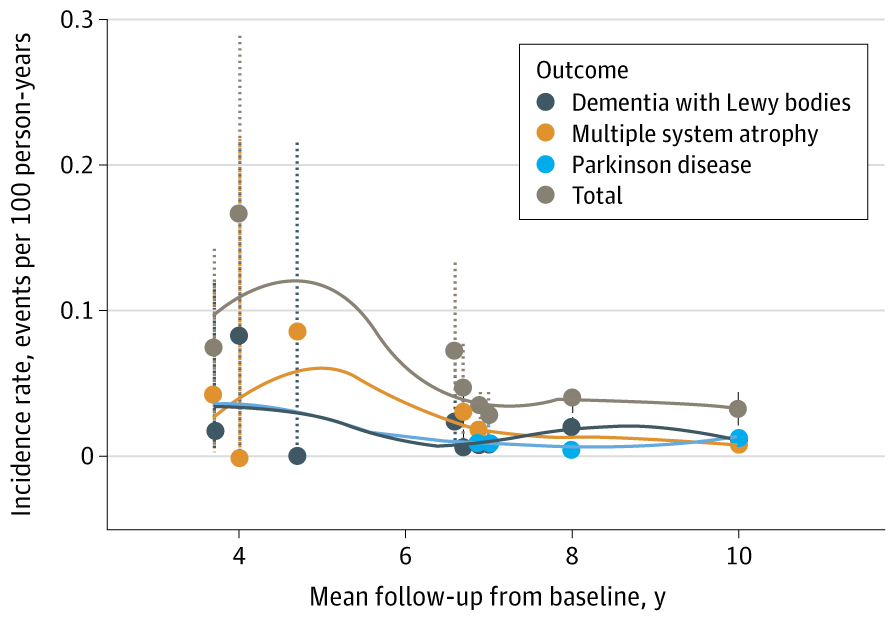
#PureAutonomicFailure carries an annual phenoconversion rate of 5% to central a-synucleinopathies including #ParkinsonDisease, #MSA, and #DLB; subtle motor signs and REM sleep behavior disorder consistently predict conversion risk. https://t.co/oPkFcCqCJU
This study investivated the associations of accelerated biological aging with the presence and longitudinal progression of cerebral small vessel disease. Learn more: https://t.co/Ipb6HhSurY
#PureAutonomicFailure carries an annual phenoconversion rate of 5% to central a-synucleinopathies including #ParkinsonDisease, #MSA, and #DLB; subtle motor signs and REM sleep behavior disorder consistently predict conversion risk. https://t.co/uOnrjFUaNL
In this study, higher serum CXCL9 was associated with greater burden of white matter disease in the brain, independent of vascular risk factors, renal function, and genetic predisposition, supporting a role for CXCL9 in white matter pathogenesis: https://t.co/WdJBszpseU
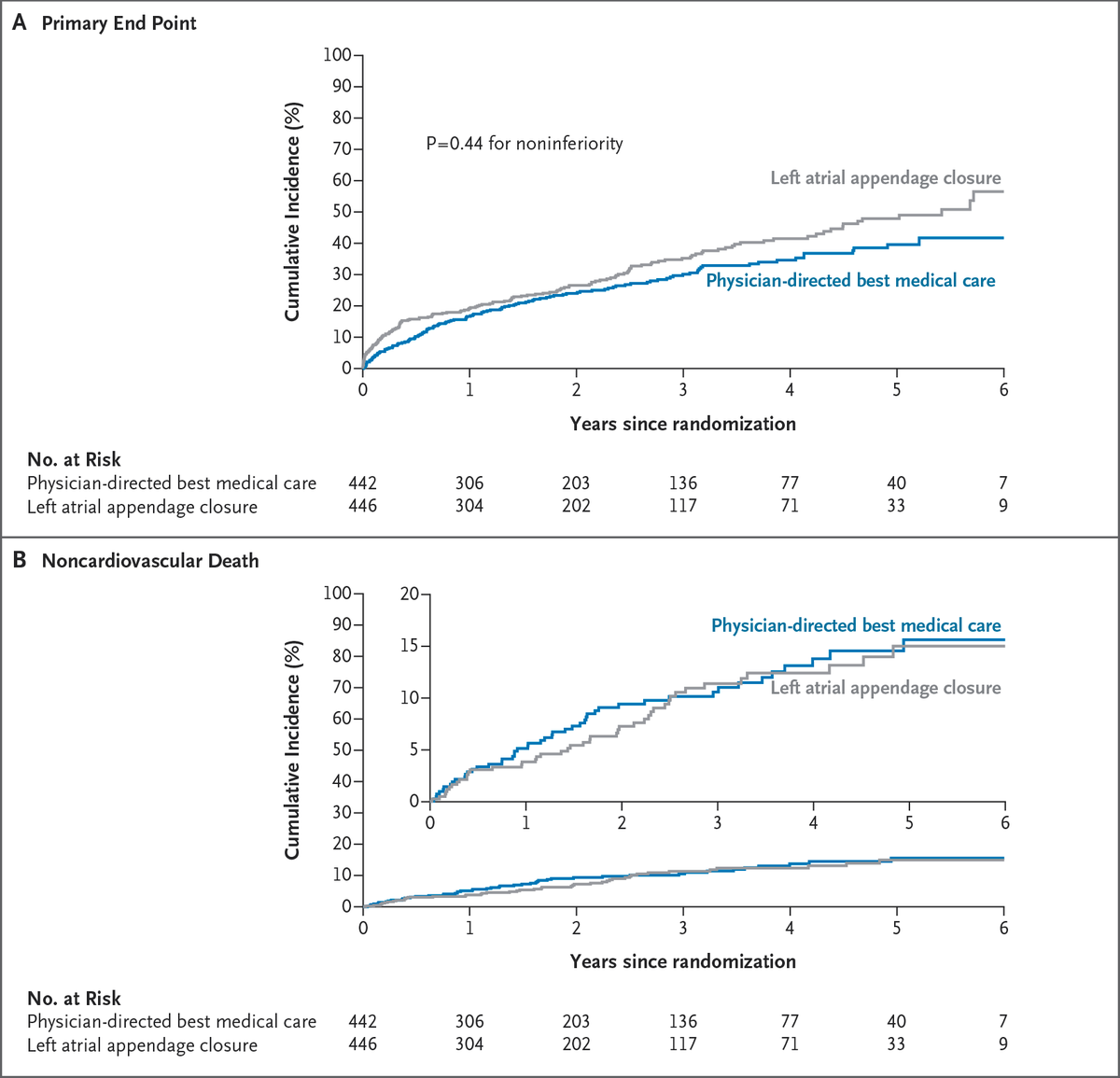
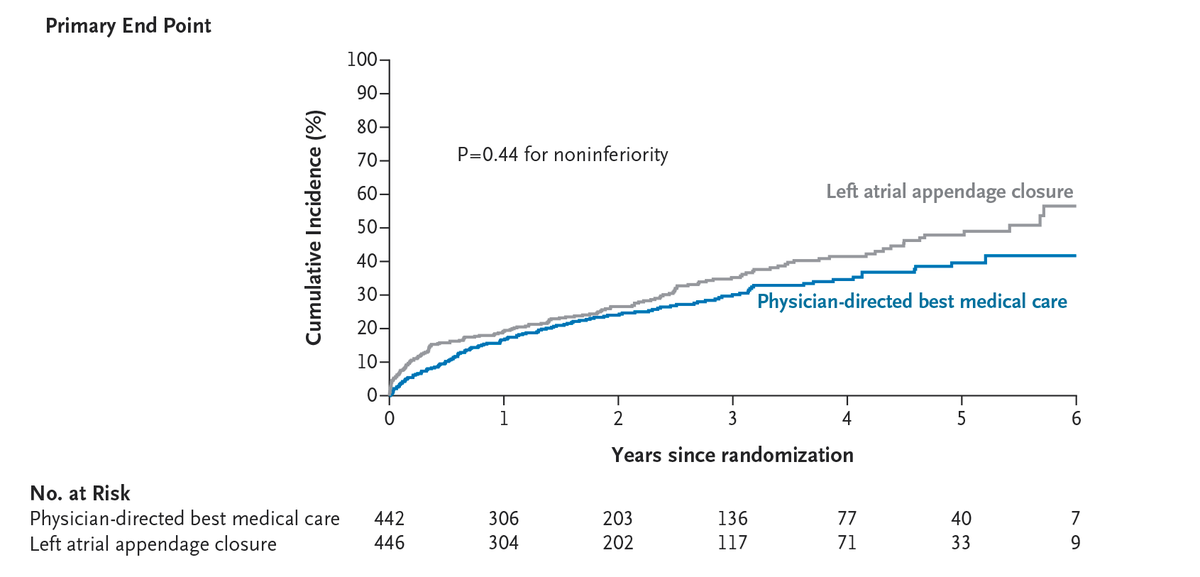
Original Article: Left Atrial Appendage Closure or Medical Therapy in Atrial Fibrillation (CLOSURE-AF trial) https://t.co/ZI5Ml29Dyq
Editorial: Left Atrial Appendage Closure — Another Overused Method in Cardiology? https://t.co/1Mnfv20Z39
#Cardiology
Among patients with atrial fibrillation at high risk for stroke and bleeding, left atrial appendage closure was not noninferior to medical therapy in reducing the risk of stroke, embolism, major bleeding, or death at 3 years. Full CLOSURE-AF trial results: https://t.co/qAMC2o36Mi
Editorial: Left Atrial Appendage Closure — Another Overused Method in Cardiology? https://t.co/KyOWdblUR3
Teaching NeuroImages: Longitudinal Motor Pathway Reorganization After Hemorrhagic Stroke on Diffusion Tensor Tractography https://t.co/F3veHjSYNr
#NeurologyRF
Getting to zero: what will it take to end violence against women? More and better data are needed—but enough evidence already exists to invest in bold action at scale.
Read more in our latest issue: https://t.co/V24bwV0Z4w
This study demonstrated widespread gray matter reductions, increases, and asymmetries in a cohort of patients with late-onset unexplained epilepsy: https://t.co/hNAe1Uf9MY
#NeuroX#NeuroTwitter
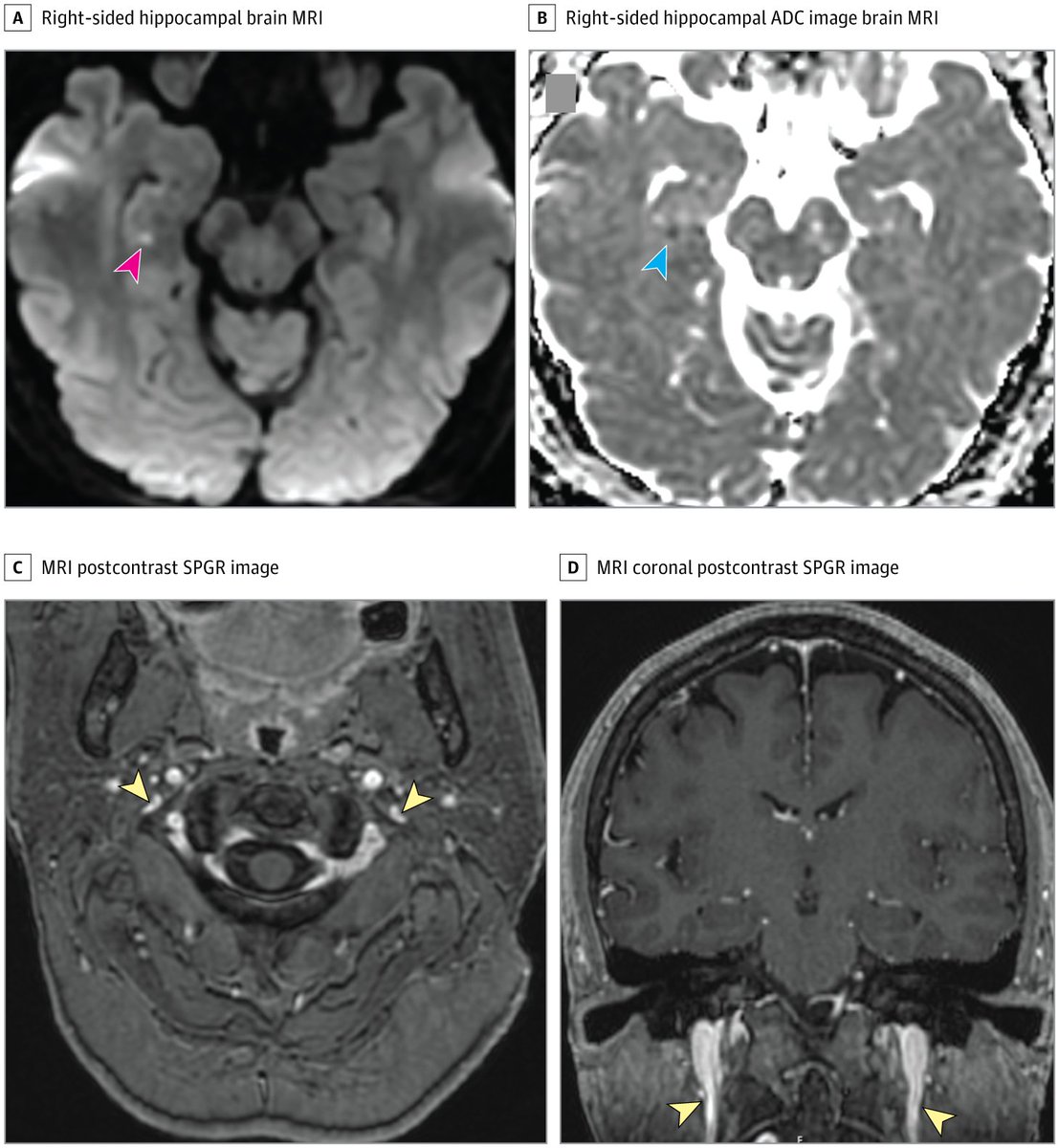
#TransientGlobalAmnesia was associated with high-grade styloidogenic jugular vein compression (~70% stenosis) in patients with small internal jugular veins, suggesting a novel imaging risk factor.
https://t.co/bjoptzYLuu
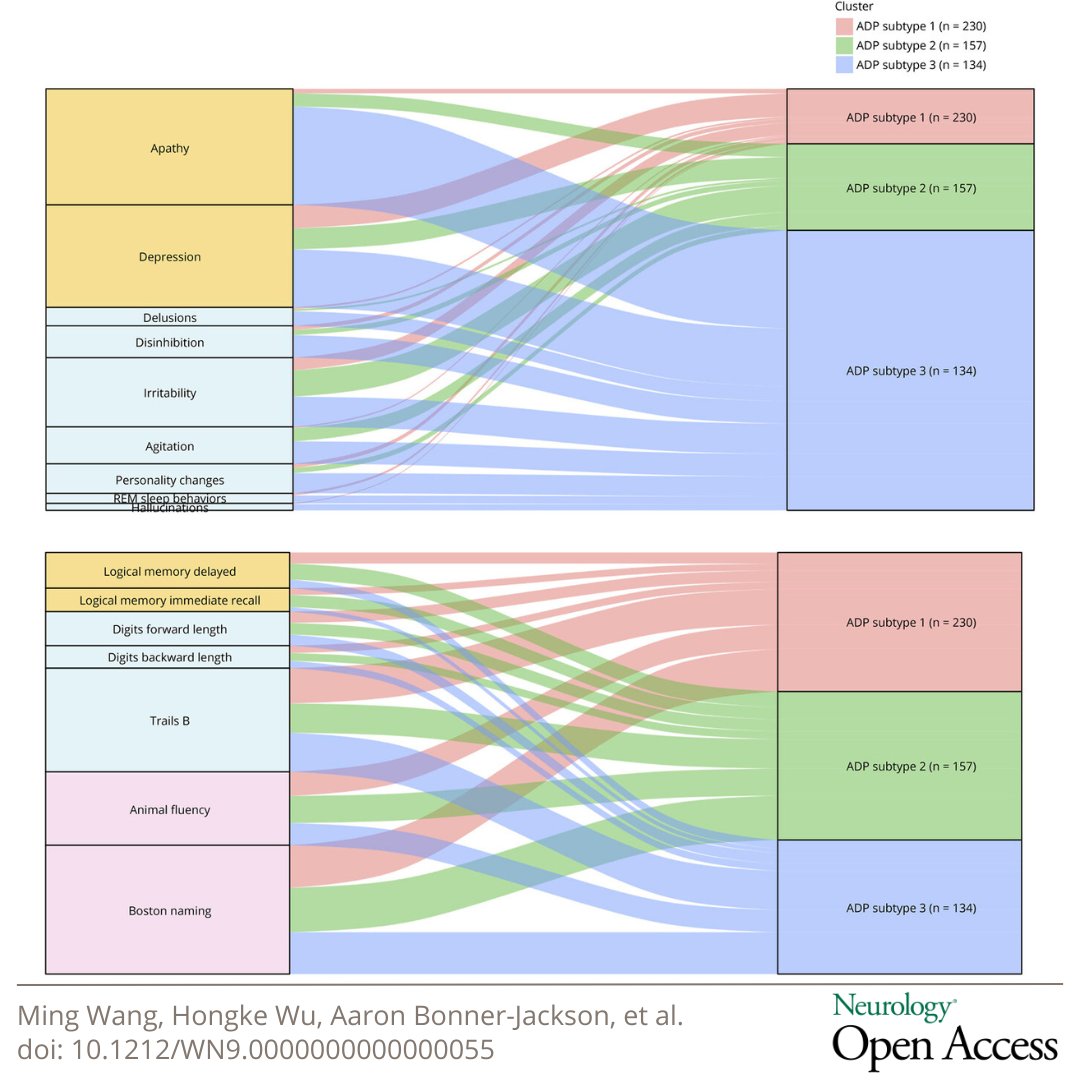
Early Behavioral and Cognitive Changes in Patients With Pathologically Confirmed Alzheimer Disease, Lewy Body Dementia, and Mixed Dementia https://t.co/NWZf5yI3bU
#NeuroTwitter#AlzheimerDisease