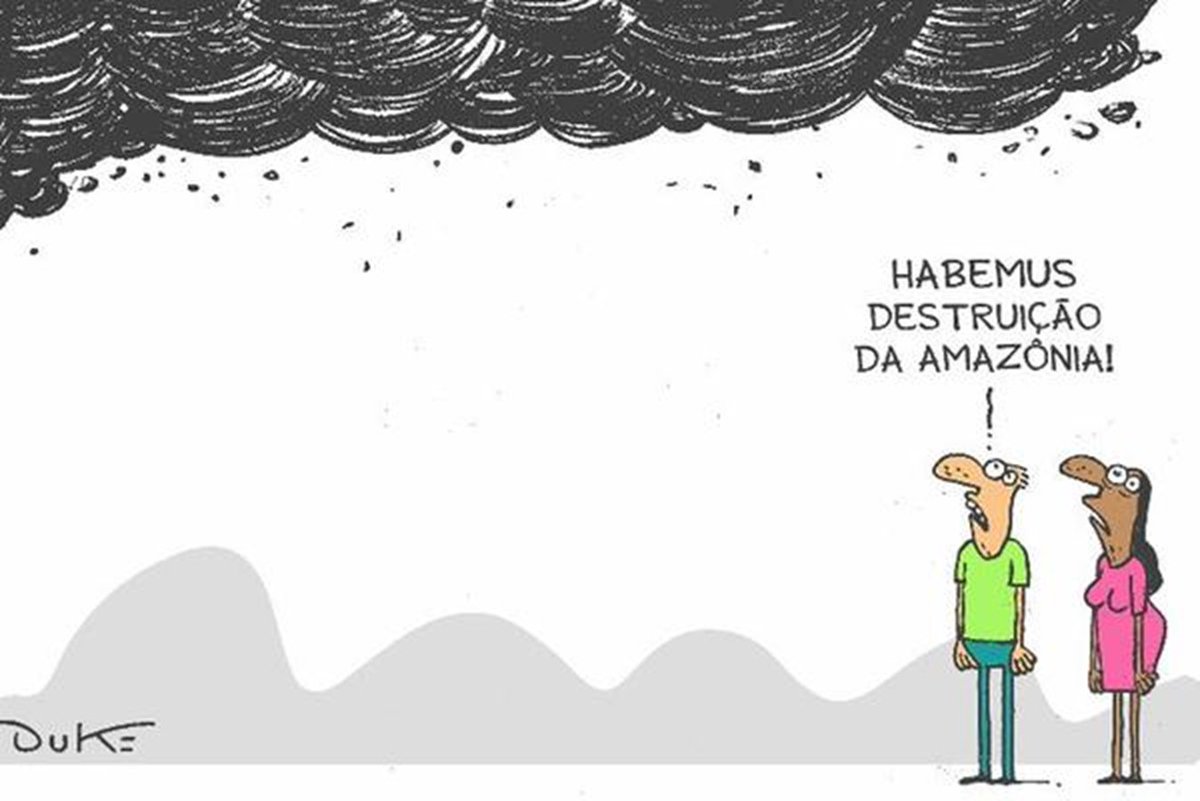
O Cruesp iniciou uma campanha para arrecadar água potável e material de limpeza para a população do Estado do Rio Grande do Sul. A arrecadação poderá ser feita até a próxima quarta-feira, dia 8 de maio. -> Mais informações no Portal da Unesp: https://t.co/s7XLh1GHMN
"Os meteorologistas não conseguem nem prever se vai chover amanhã, que dirá se vai fazer calor em 2100."
Esse argumento deriva de uma confusão comum entre tempo e clima.
Antes de tudo, justiça seja feita aos meteorologistas: as previsões do tempo estão cada vez mais precisas
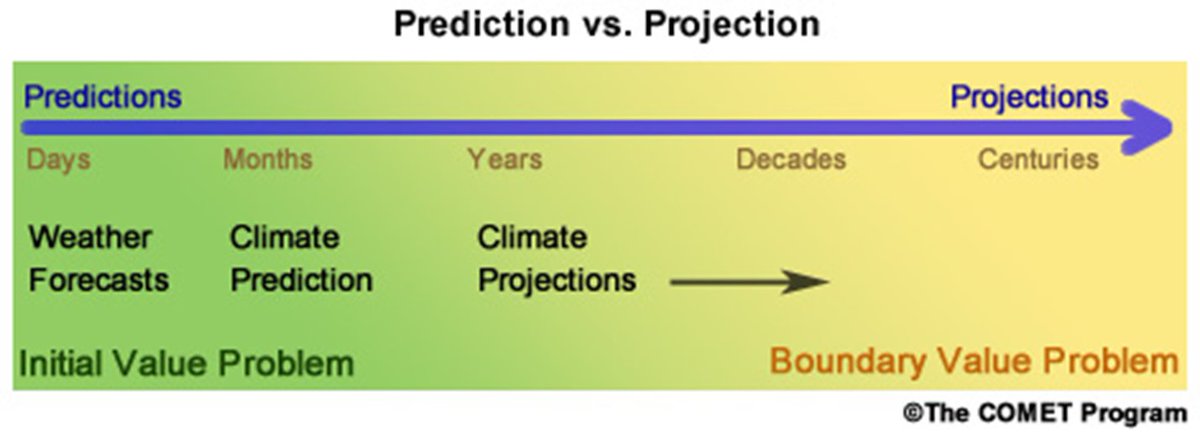
Diferenças entre previsão e projeção:
escala de tempo >> na projeção
previsão pode ser verificada no próximo mês, estação etc.
projeção impõe mudanças nas condições de fronteira e analisa o impacto no clima em um tempo mais longo de difícil verificação.
Passei 14 anos da minha vida desenvolvendo modelos climáticos regionais, e o que vejo em artigos me mata. Ao invés de publicar, fui atrás de bugs, acoplar modelos etc O que vejo: artigos utilizando esses dados errados, muitas vezes por meteorologistas. Dengue dói menos
P: Então, resolvendo estas equações eu posso conhecer qual será a temperatura em 21/01/2080?
R: não, não pode.
Nos modelos climáticos devemos olhar o clima e para isto é necessário considerar valores médios, distribuição de probabilidade, variabilidade, tendências, extremos...
April is #AutismAwarenessMonth and #AutismAcceptanceMonth!
This month we will be amplifying the voices and stories of members of our community to promote inclusivity and better understanding!
#NowHiring
The Technical Support Unit of IPCC’s Working Group I, which assesses the physical science of #climatechange, is hiring a Head of Science Team based in the Paris-Saclay area to provide scientific leadership & management.
👉 https://t.co/0oiTkUjb7u
👉 15 April 2024
#WorldMetDay
This week @WMO confirmed that 2023 was the warmest year on record.
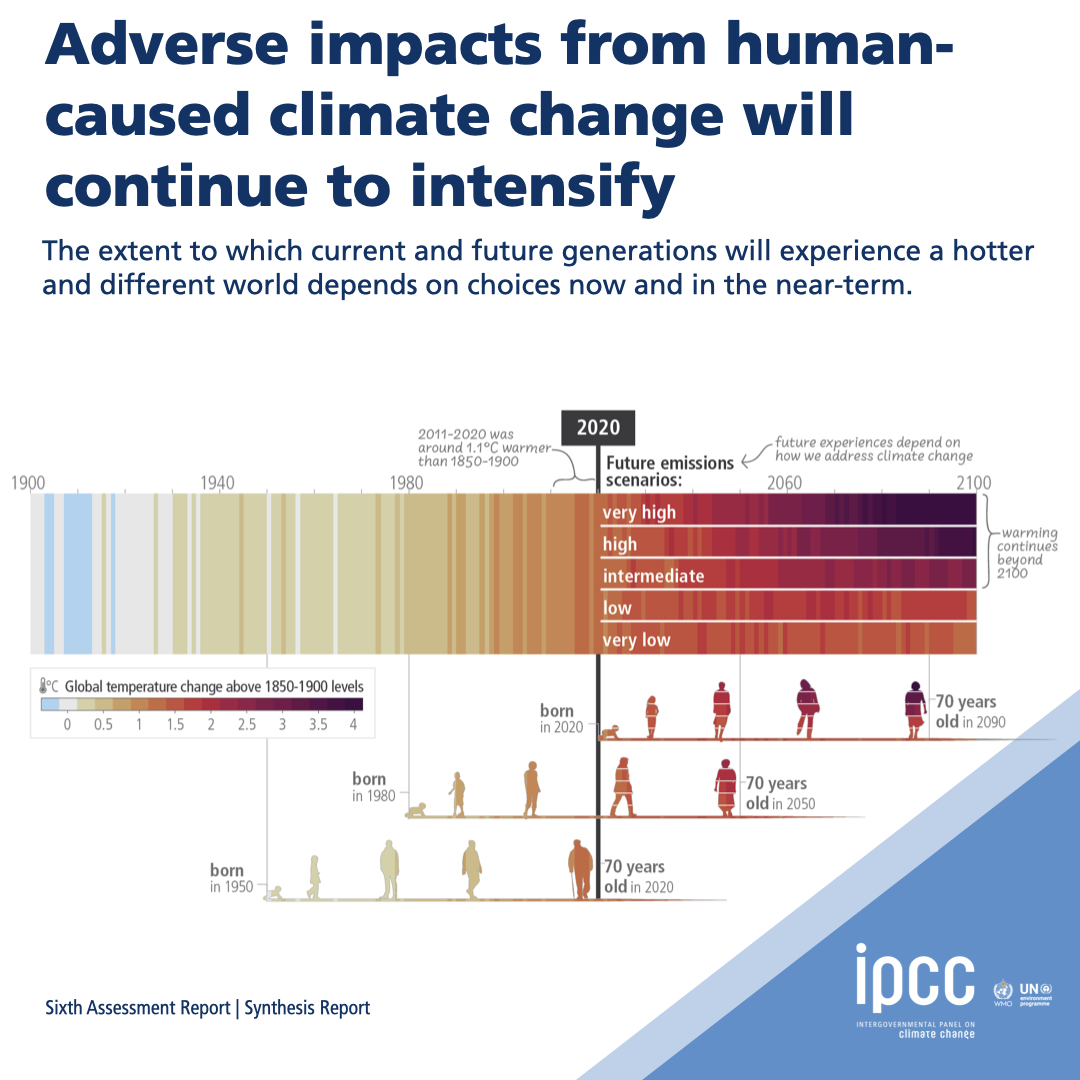
#IPCC’s Synthesis Report shows the extent to which current & future generations will experience a hotter & different world depends on choices now & in the near term.
🔗 https://t.co/zAMzd12TGF
Thrilled to share our new review paper that dives into using extreme event attribution information for improving infrastructure planning, decision-making, and adaptation in a warming world due to climate change.
➡️ Study (#OpenAccess): https://t.co/qdSGA2UryF
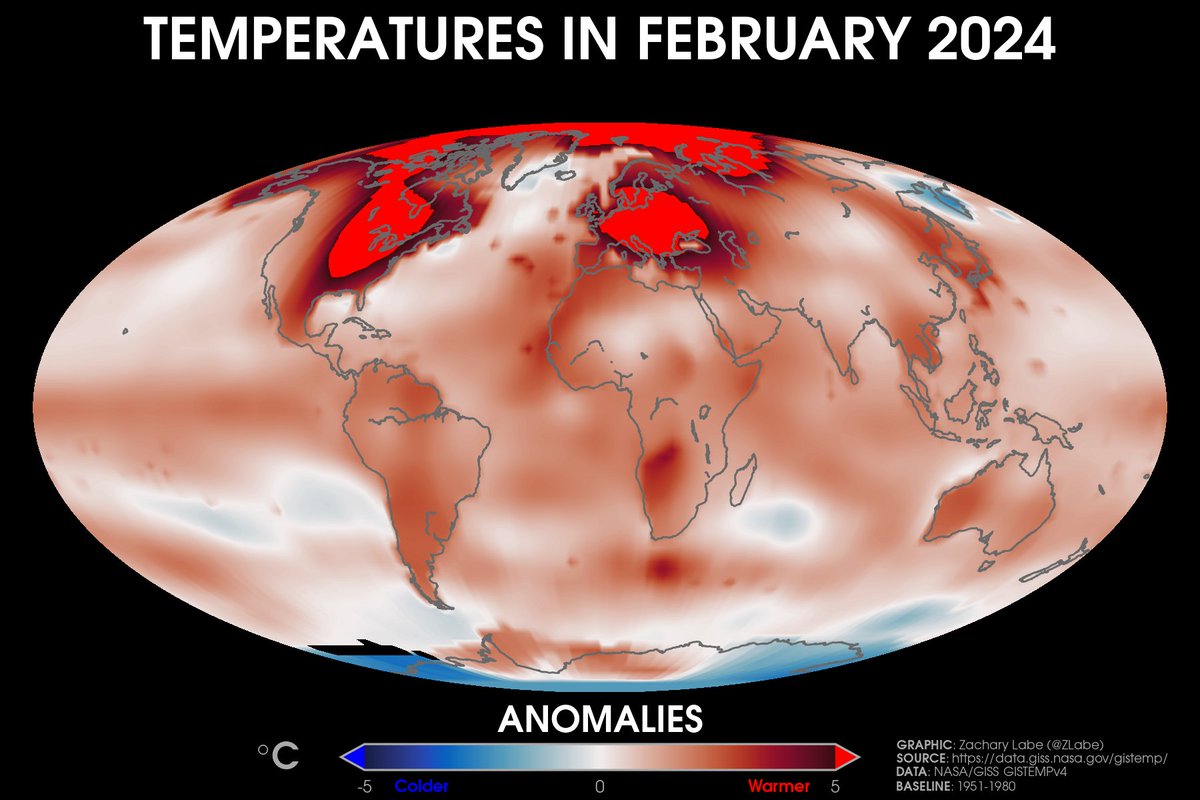
Our ninth consecutive month of record warmth - February 2024
🟥 warmer than average
🟦 colder than average
Overall, the average February global air temperature was +1.44°C above 1951-1980 climate baseline (+1.73°C above the 1880-1920 baseline). Data code https://t.co/DXbFxLLHlC
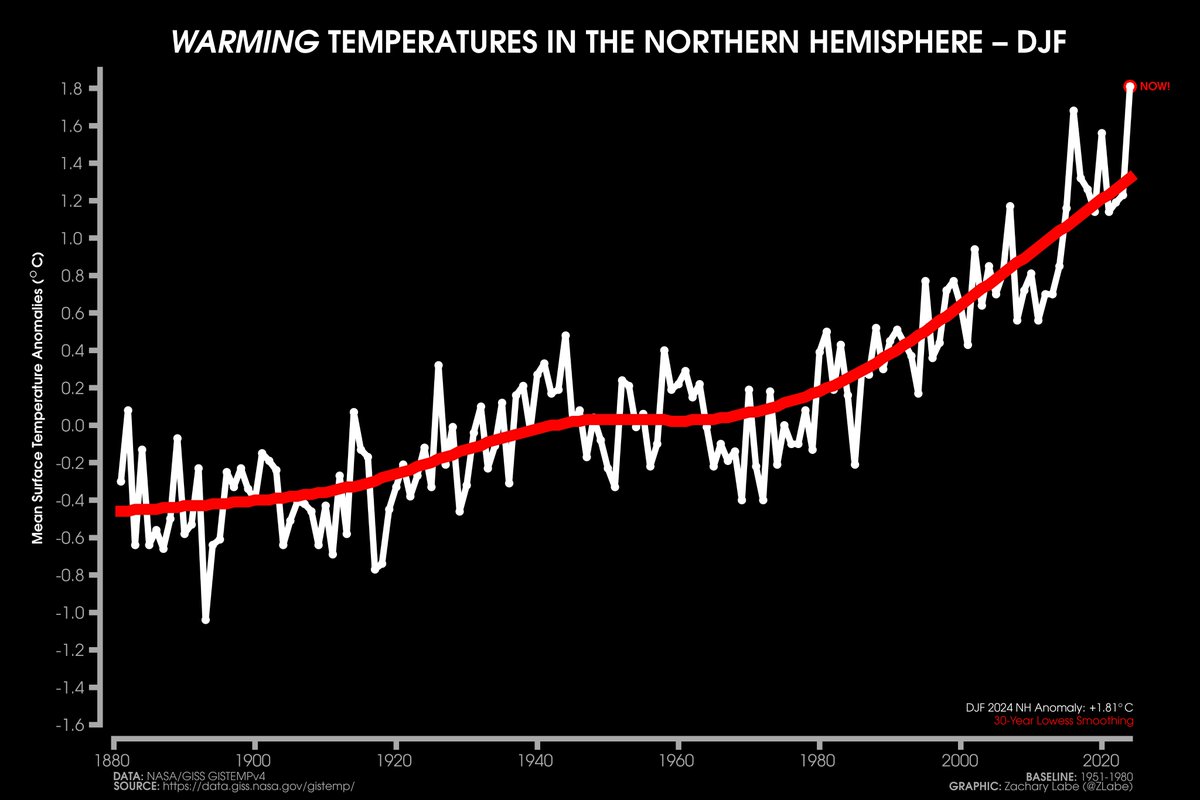
This year was the warmest winter on record in the Northern Hemisphere. At this point, if someone is making a seasonal forecast, you absolutely must take into account the response to the climate change signal.
Data from https://t.co/8pB26JbSzJ