Am excited, delighted and privileged to join @AllianceHPSR@WHO this week. I’m looking forward to working with (and learning from) an outstanding team to support and generate evidence to strengthen health systems and achieve #SDG3! Hope to see you in Geneva soon :)
What does health policy & systems research #HPSR look like in your country? 🌍
We’re asking practitioners globally to share what they see on the ground – relationships, capacities, financing & focus.
Takes ~10 mins. Share your view by 8 Oct 👇 https://t.co/40z4uI9tJU
The #Ebola epidemic in the #DRC is already the second-largest on record, and the fastest-moving we have ever seen.
Today we passed 6000 reported cases and almost 3000 deaths. The epidemic now affects 60 health zones across six provinces, making this an extremely complex emergency involving partners across the @UN system and beyond.
@UNReliefChief Tom Fletcher and I briefed our Member States yesterday on our major concern that most deaths are still happening in communities rather than treatment centres and among people who were not known contacts. That means there are still chains of transmission we don’t know about.
All aspects of the response have been scaled up and will continue to be expanded.
We will end this epidemic. The question is how fast, and how many lives will be lost before we do.
The longer it takes, the higher the cost in lives and resources. The Government-led plan for the next six months requires $1.3 billion. We ask all Member States to increase and accelerate their contributions.
Very much enjoyed my conversation with @AlecuRussell - on the past and future of the United Nations and its next Secretary General. @gideonrachman@FT https://t.co/2yJYo3XNHr
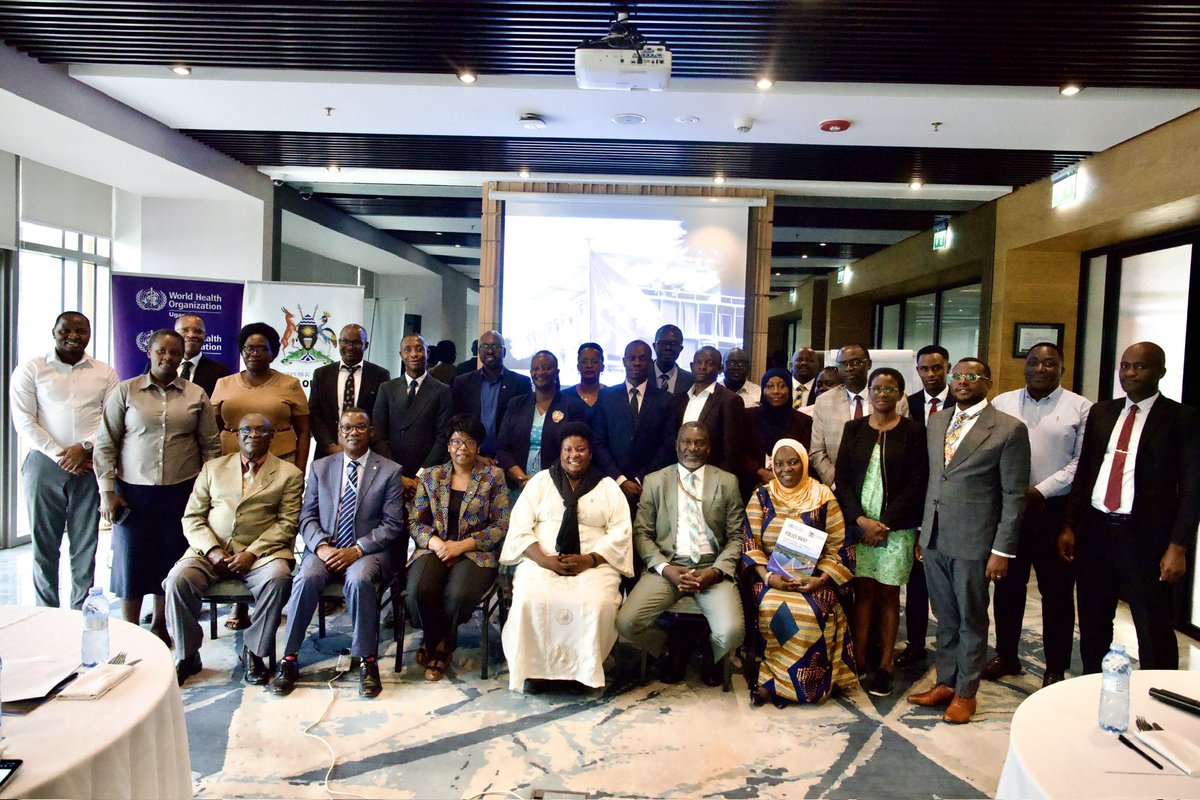
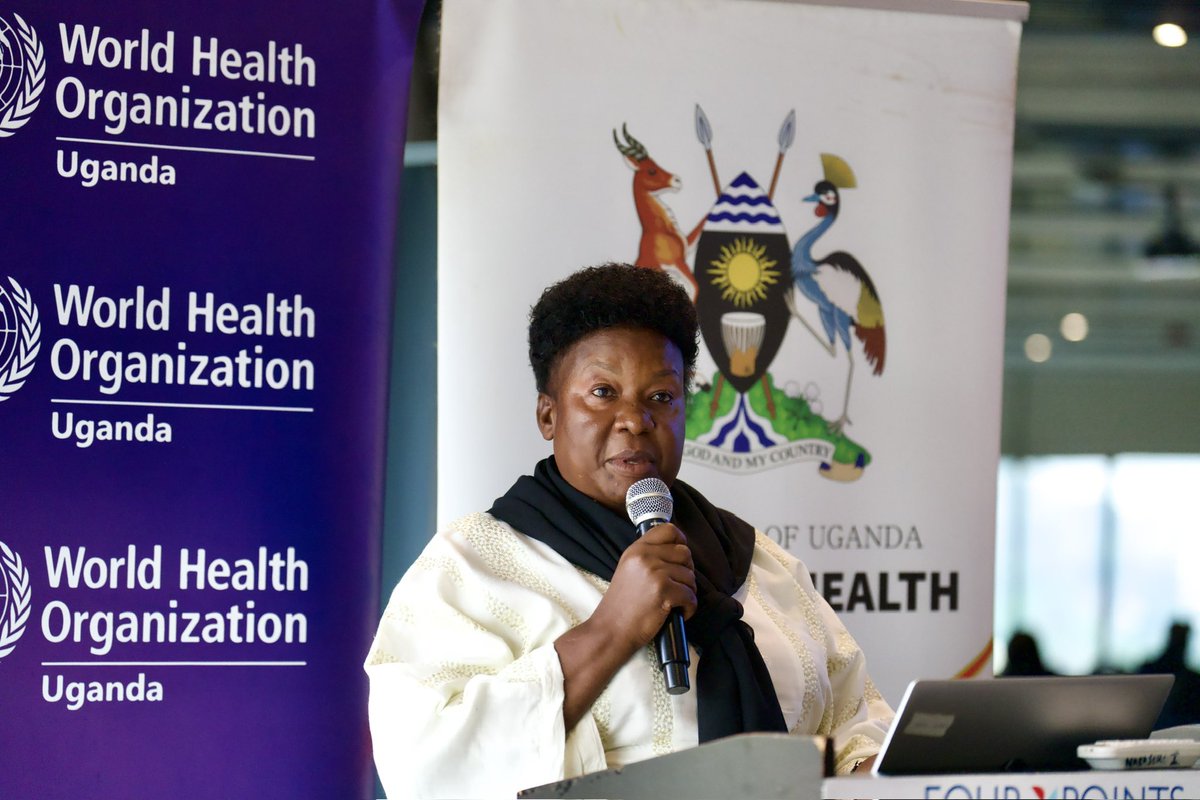
Tobacco use claims more than 5,000 lives annually in Uganda and costs the country over UGX 449 billion in health and economic losses each year. Evidence shows that stronger tobacco taxes are among the most effective tools to reduce tobacco use, prevent disease and increase domestic revenue.
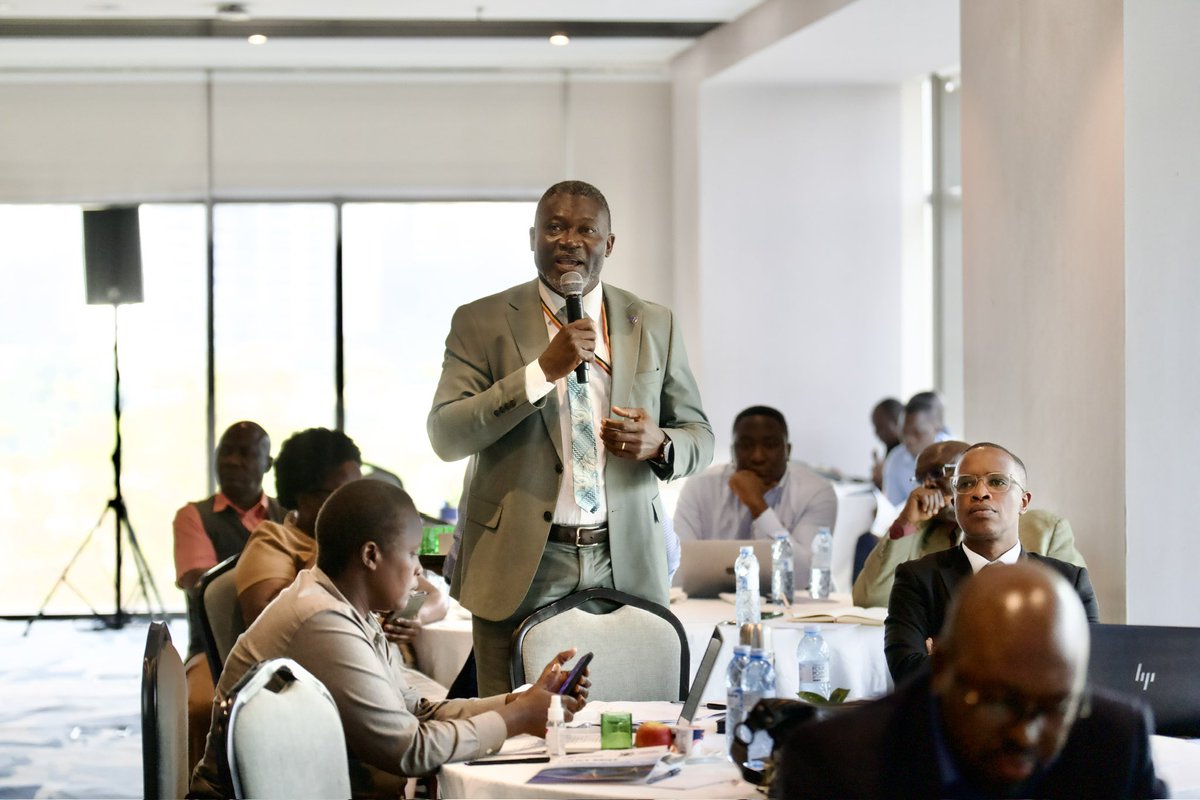
Today, we joined the Government of Uganda and stakeholders at a high-level breakfast meeting to disseminate a new Tobacco Tax Policy Review and Modelling report, supported by @gatesfoundation through @WHO.
The report outlines practical reforms to strengthen public health and domestic resource mobilization.
#TobaccoControl #HealthTaxes #BeatNCDs #HealthForAll
It was a fun surprise run challenge, President @LulaOficial! Good for the heart, and indeed, staying active is important for a healthy life.
I will need to increase my daily steps to keep up with you!
https://t.co/ySd7QSlHVD
The @un Charter remains humanity’s best hope for peace.
Amid geopolitical divisions, member countries must uphold it & ensure that the UN lives up to what it was meant to be:
A forum for solutions.
A guardian of international law.
And a force for peace and security.
"What we do here matters. The decisions taken in those rooms shape whether a child receives a vaccination, whether a mother can safely give a birth, whether a community survives an outbreak, whether medicines reach those who need them, whether health workers are supported… (1/3)
For anyone who may be interested, a link below to my essay published today in @ForeignAffairs .
“The long peace of the past eight decades has rested on two revolutionary convictions: that wars of aggression are intolerable and that empires must end. The first principle emerged from the carnage of two world wars, which together killed a hundred million people. The second came from centuries of colonial subjugation and the fight across Asia, Africa, and Latin America for self-determination. The United Nations Charter, signed in San Francisco in June 1945, gave both convictions political form.
Since then, the world has avoided a cataclysmic great-power war. Even more remarkably, global European empires were dismantled and replaced by a new system of nearly 200 sovereign states. Both achievements combined to make possible extraordinary advances in human well-being. To be sure, the world has witnessed many conflicts since the end of World War II, including savage wars of decolonization, and soaring economic growth has come alongside deep inequalities and environmental destruction. But it remains indisputable that for billions of people, the past 80 years have been a time of peace and rising prosperity.
That era is now coming to an end…..”
https://t.co/pBFjdWGw5j
“If you care about the bottom line, budgets & taxes, then you should care about urban biking, because it’s a money saver. It’s ironic when so-called fiscal conservatives attack biking, when their efforts just show a lack of understanding of math.” — my interview with @modacitylife.
https://t.co/1SPv0leazi
Encouraging to see Germany’s continued support for @WHO and global health.
Together with @DrTedros, I met Federal Health Minister @NinaWarken, Berlin’s Mayor and other partners to discuss how we can collectively shape the future of multilateral cooperation in global health.
They circled the Moon while the rest of us stayed glued to screens full of war and outrage.
Humanity can reach farther than ever before, yet still can't reach across a border to shake hands.
We're smart enough to survive space.
When will we be wise enough to survive each other?
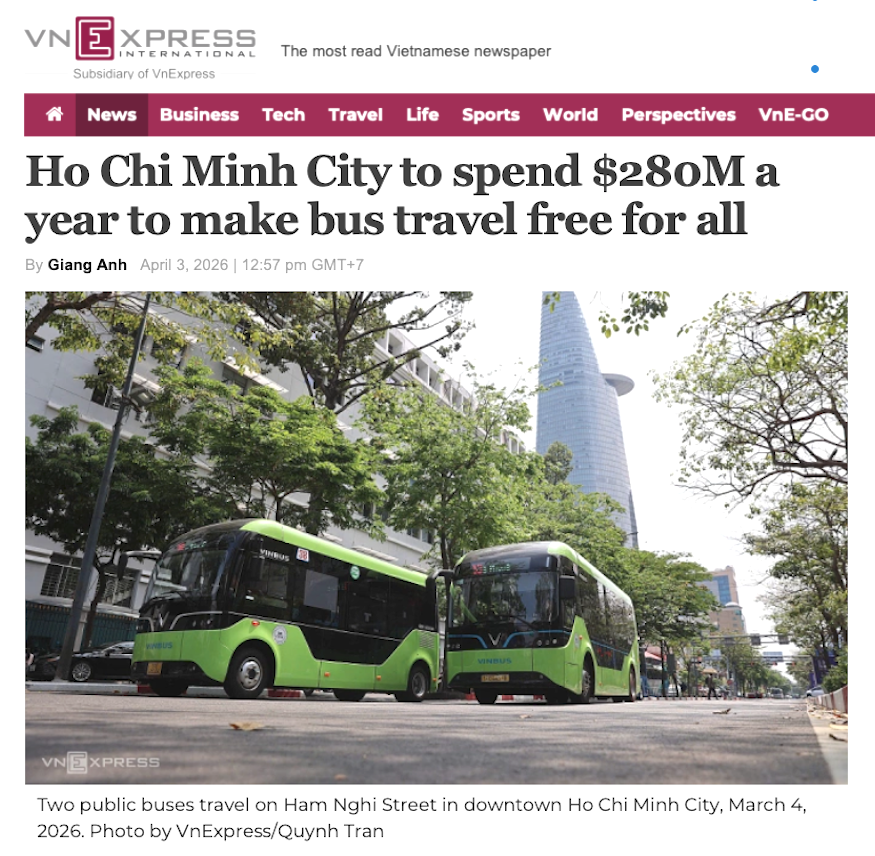
#Vietnam's Ho Chi Minh City to spend $280 Million a year to make bus travel free for all
This is part of a broader push to curb traffic congestion and environmental pollution.
Making bus rides free, will encourage people to shift away from private motorbikes toward public transport, city officials said.
Ho Chi Minh City is preparing to allocate around VND7 trillion (US$280 million) annually to make bus travel free across the city, with authorities aiming to finalize the policy by late April.
The plan, announced by the city's Party chief Tran Luu Quang on Wednesday, would eliminate fares on 135 intra-city bus routes while requiring additional investment in infrastructure and service frequency to accommodate rising demand.
These routes form the backbone of the city's public transport network, while inter-provincial lines would remain excluded due to separate funding mechanisms.
The city now spends about VND1.5 trillion each year subsidizing bus operations, said Bui Hoa An, deputy director of HCMC's Department of Construction.
Even with fares removed, authorities plan to closely track passenger volumes through technology-based monitoring systems.
The data will be used to guide budget allocation and system management, ensuring transparency in how public funds are deployed.
Ridership is projected to increase by about 30% compared to 2025 levels, adding pressure on operational capacity.
While many newer routes are currently underutilized, officials are assessing whether the existing fleet can absorb a sudden surge in demand.
Plans include boosting bus frequency and optimizing high-traffic routes, particularly those linking schools, industrial zones, and residential areas.
The proposal is expected to be finalized and submitted to the city's People's Council for approval at its next session later this month.
Ho Chi Minh City currently operates around 179 bus routes with more than 2,100 vehicles.
Currently, free travel is limited to specific groups, including seniors, young children, and people with disabilities, while standard fares on subsidized routes range from VND5,000 (US$0.19) to VND7,000 per trip.
In 2025, the network carried nearly 97 million passengers, a 6% increase year-on-year, with further growth recorded in early 2026.
Officials say initiatives such as electric bus rollouts, cashless payments, and occasional free-fare campaigns have already helped attract riders, trends they expect to accelerate under a fully subsidized model.
“Human trafficking thrives when moral voices are silent. And the cost of that silence is measured in human lives. An opportune moment is upon us to convert public attention into durable, structural change…”
https://t.co/3F0M2ExEAN
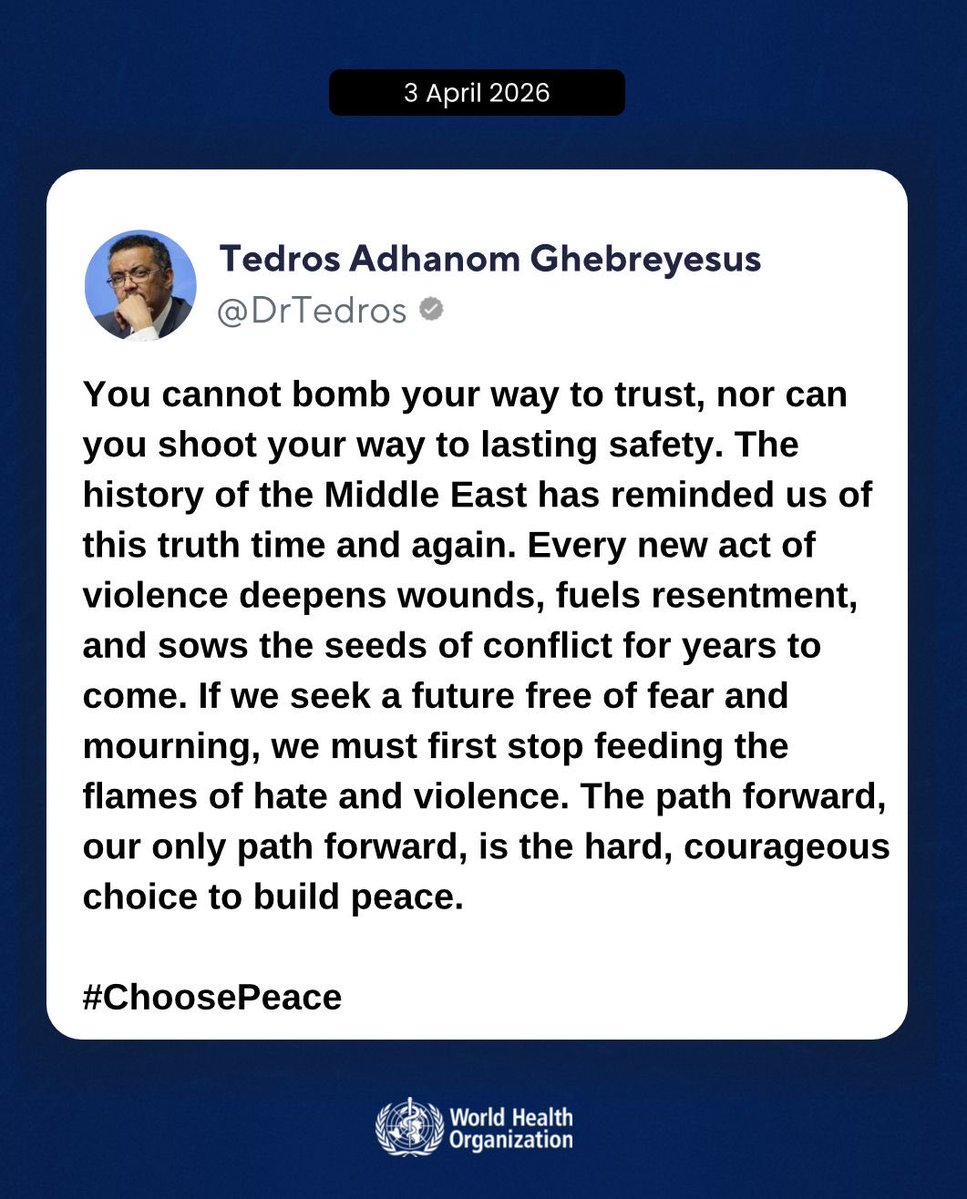
You cannot bomb your way to trust, nor can you shoot your way to lasting safety. The history of the Middle East has reminded us of this truth time and again. Every new act of violence deepens wounds, fuels resentment, and sows the seeds of conflict for years to come. If we seek a future free of fear and mourning, we must first stop feeding the flames of hate and violence. The path forward, our only path forward, is the hard, courageous choice to build peace.
#ChoosePeace
One of the biggest disinformation campaigns ever applied to cities involves the constant claims that “driving pays its way.” It’s actually MASSIVELY subsidized, while things like walking, biking, public transit & supportive housing for the unhoused actually SAVE PUBLIC MONEY. HT to the classic Andy Singer cartoon. #UrbanTruth