America's obsession over craft cocktails has driven up demand for mezcal. Luckily, conservationists are working on ways to make the drink more sustainable for #bats. https://t.co/qGaFAiOn2u @NatGeo
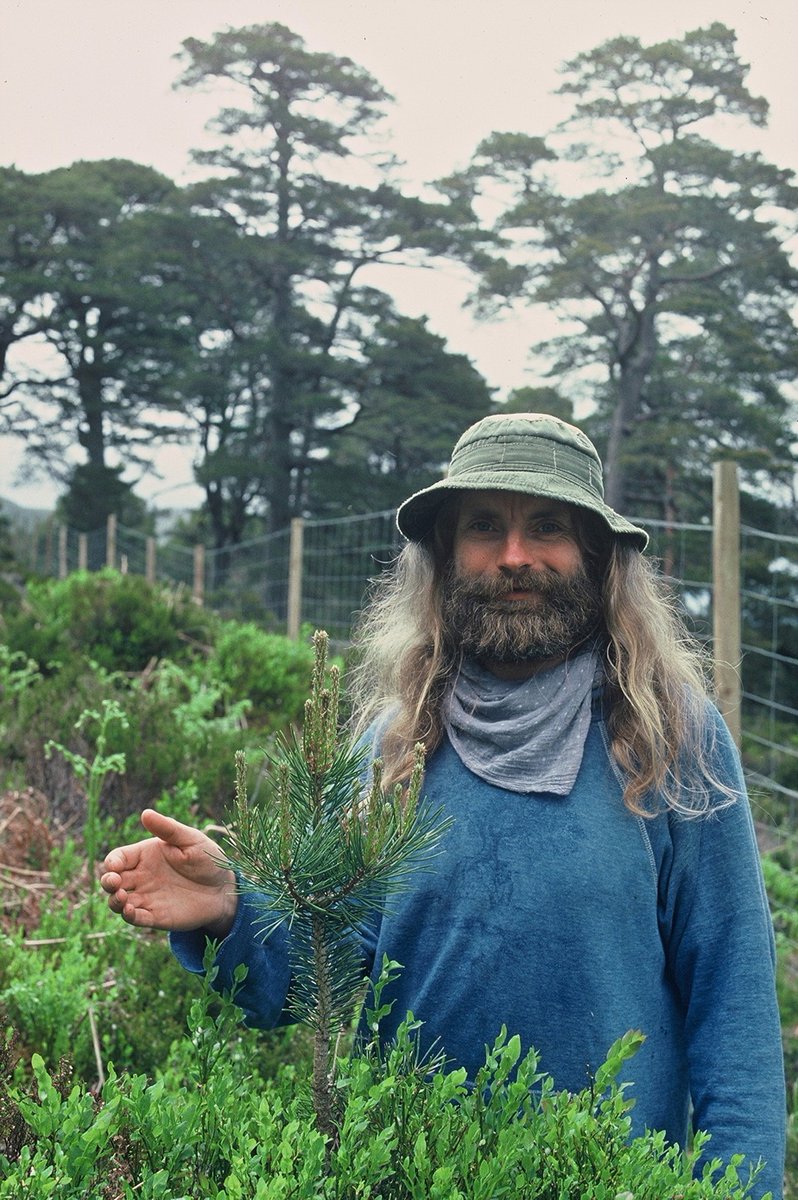
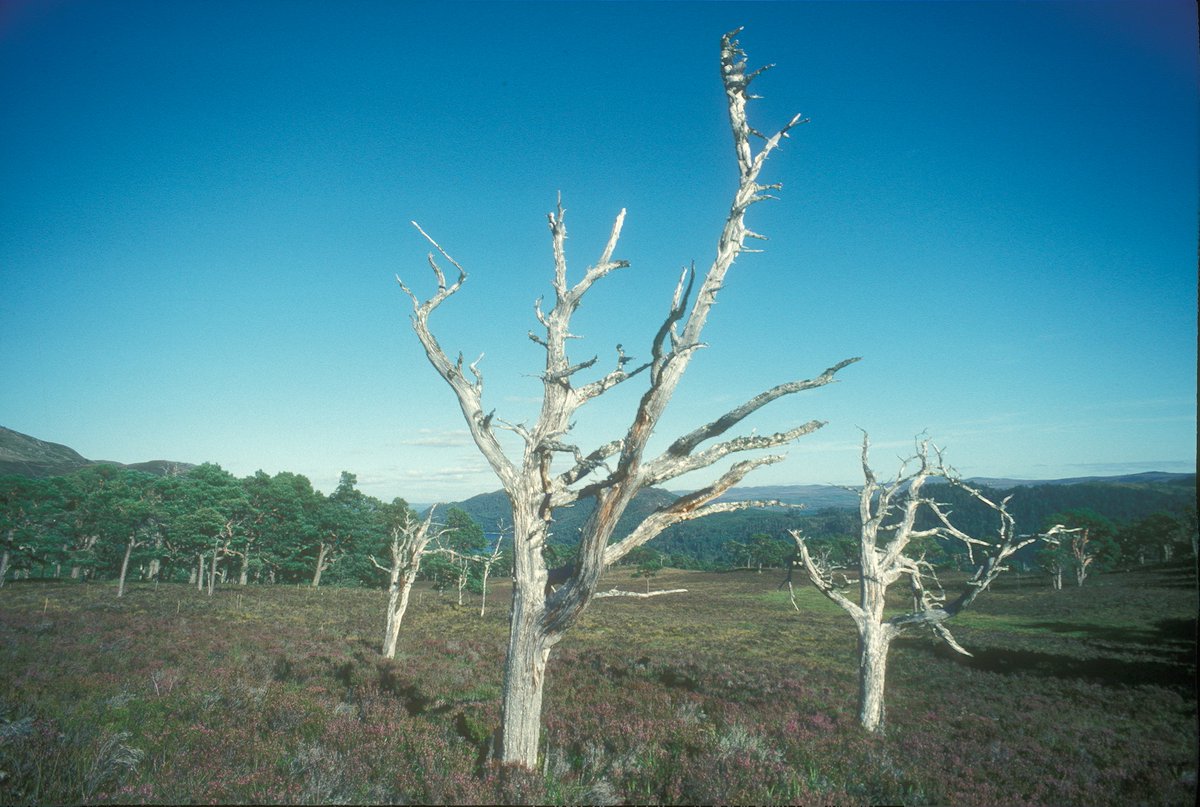
Today is the 30th anniversary of the 50 hectare fence for natural regeneration at Coille Ruigh in Glen Affric. This was the first project I carried out to help restore the Caledonian Forest there - today I'm going out to celebrate & see the recovery that has taken place.
A Sussex University student is trying to find out more about public opinion towards wildflowers in urban greenspaces and gardens in the UK. If you have time, please complete this survey:
https://t.co/p5k9JtbG7p
Thanks!
This is the time for the UK student body to come together. We’ve seen the reports, we’ve seen the racist incedents, We’ve seen the silence. Now it’s time for action
Download the document here: https://t.co/6z1vtxwsAh
...and Nature Reserves built on. But never mind, we’ll provide man made habitats to replace living ones.
1 step forward, 10 back.
Stop the war on nature.
The Netflix documentary Our Planet dedicated more script to threats to nature and conservation than any other recent Attenborough documentary, but the images on screen didn't reflect this according to a new @PaN_BES article
Long-term declines in soil nutrient availability are driven by pedogenic processes, rather than by the effects of plant communities.
Read the full research article by Wardle et al: https://t.co/9VbbMvpXZU
@michael_gundale @PaulKardol@nicolasfanin
'The authors address a range of contexts where management actions are crucial to improve the conservation gains: from new roles for small woodlands in agricultural landscapes, to the innovative restoration strategies' Read our #ForestManagement collection: https://t.co/xUCENjDfK7
“We might already have crossed the threshold for a cascade of interrelated tipping points. The simple version is the schoolkids are right: we are seeing potentially irreversible changes in the climate system under way, or very close.”
https://t.co/iC8eSz1rz4
While you may listen to sounds of nature to help you to relax, natural sound levels cause stress to California ground squirrels. Relying on their acoustic surrounding for signs of predation risk, rise in natural sound levels increases vigilance and alters their normal behaviour
50% of people asked said that garden centres could do more to educate their customers on how to help pollinators in their gardens, suggesting that if they did do more, people would pay attention! Contact your local garden centre to let them know! #2019EBE
@vronwig spoke to us about Garden Centres and their potential for engaging the public in supporting pollinators! Her research found that 97% of people knew that pollinators were beneficial for their garden, but how many people are taking action to support them? #2019EBE
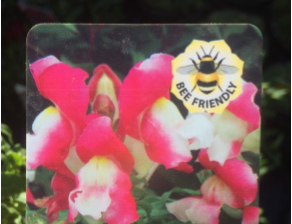
Well, 96% of people asked said they might be more interested in buying a plant if it would help bees! This suggests that garden centres could be a key point for influencing people's actions - especially as 2/3 of British adults visit a garden centre at least once a year.
many bird species flock like this to evade predators - the ‘disappearing’ act of these Sandpipers confuses any bird of prey coming to attack and throws them off target 🤩
Dave argues for a transition to organic farming. 70% of the UK's land is agriculture, so this is a key area where a difference can be made! Concerns around reduced yield can be met by reducing food waste, overproduction, and meat consumption - which all overuse land!
#EBE2019
A new review from @DaveGoulson describes the extreme declines found in studies of insects over the last few decades. Insects support food webs, include important pollinators, and are vital for ecosystem functioning.
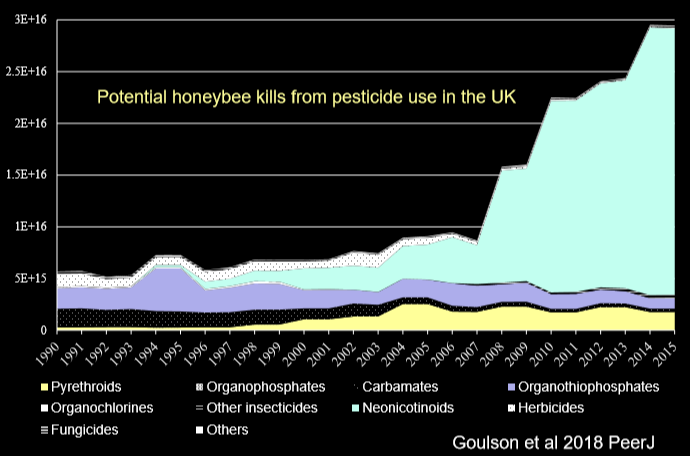
Pesticides are discussed as a driver of this decline, with 16.9 thousand tonnes used per year and each field being sprayed an average of 17 times per year! The number of 'potential bee kills' from pesticides has soared in the 21st century - especially due to Neonicotinoid use