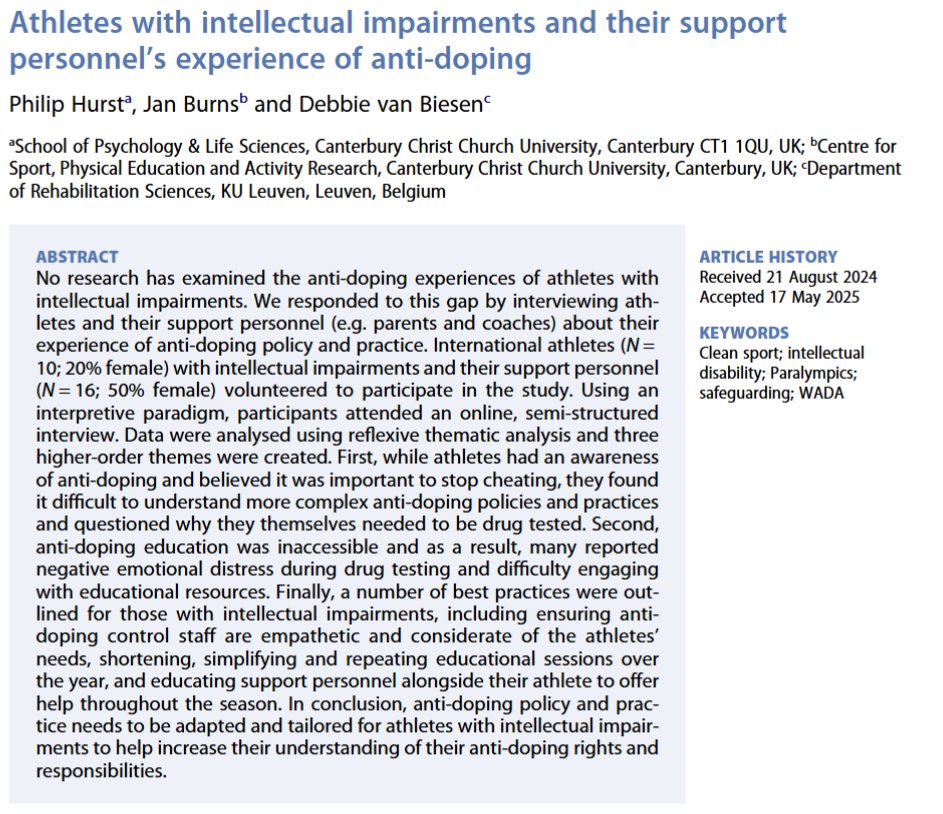
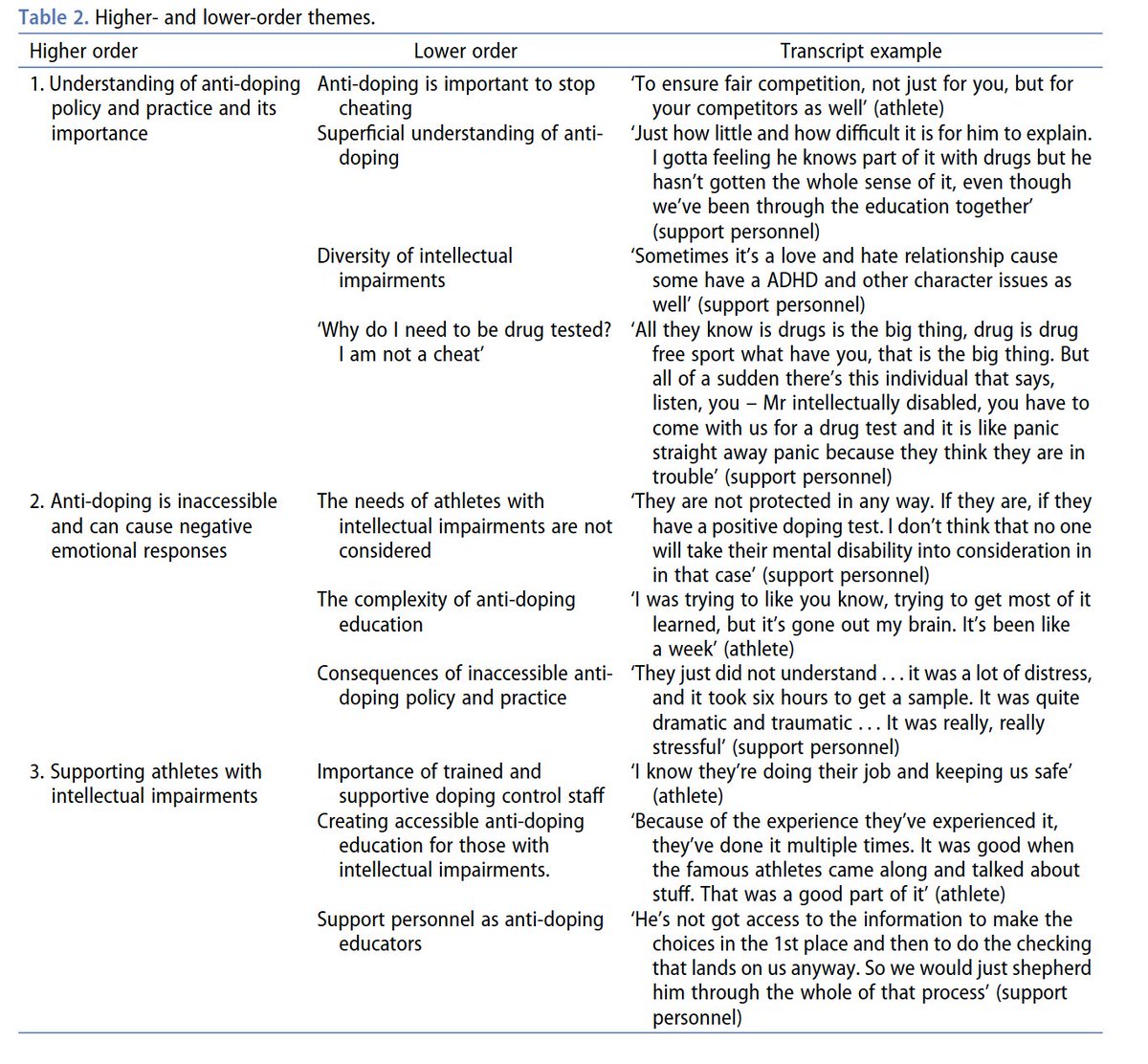
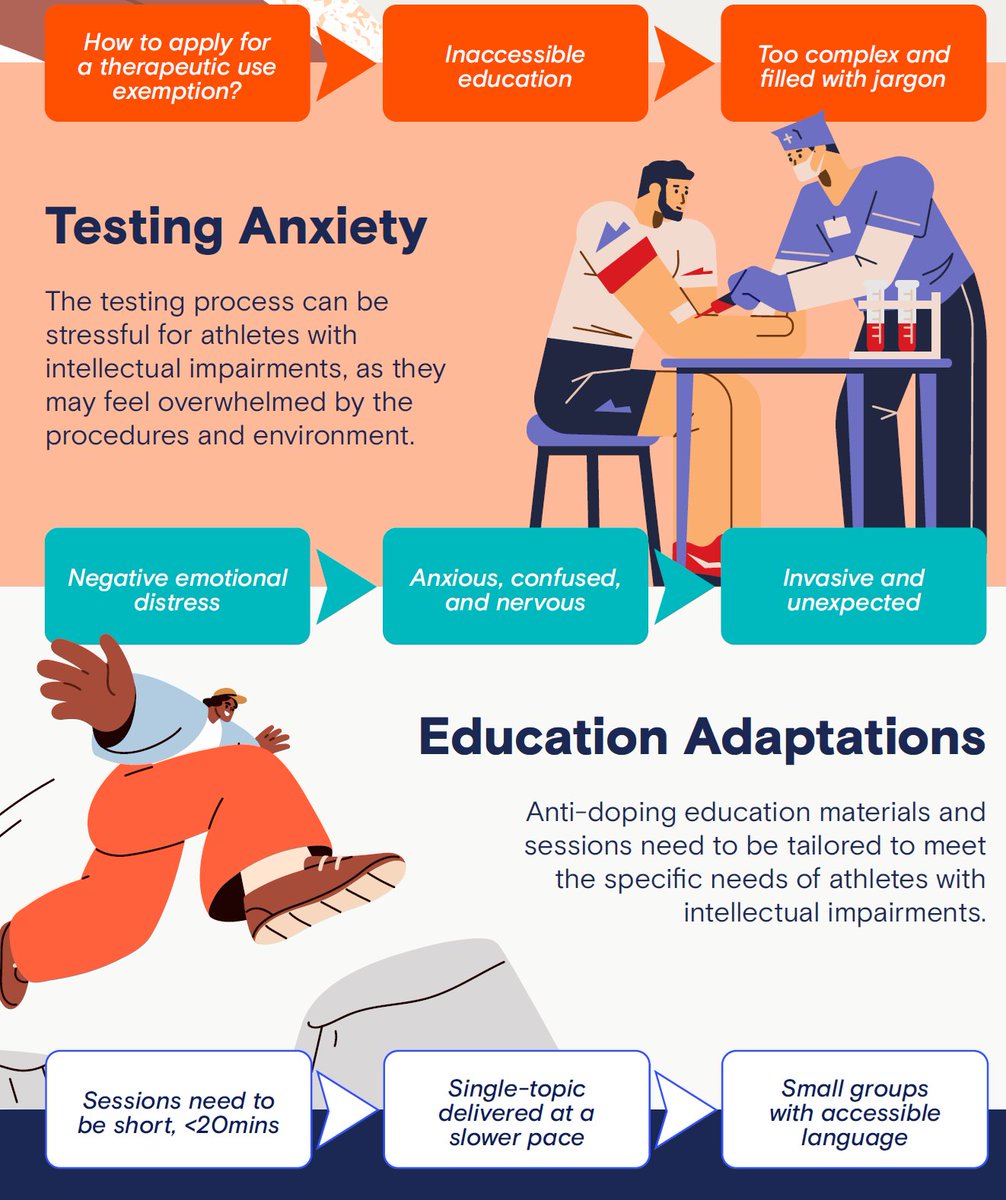
So pleased to see our @wada_ama funded project published! We examined the anti-doping experiences of athletes with intellectual impairments and highlight that changes to policy and practice are needed to help them better understand their rights and responsibilities
Happy to contribute to this one alongside @Ben_dobson98, @sarahrward and Sarah Corden.
Building nicely on work previously completed by authors (@PRISES_Group) and offering plenty of avenues for future insight 🎯 https://t.co/ysEtSTg21q
When predictor variables are too closely related, your regression model struggles to determine which one truly matters. This issue, known as multicollinearity, inflates standard errors, distorts coefficient estimates, and weakens model reliability. Variance Inflation Factor (VIF) helps detect and quantify this problem, ensuring more stable and interpretable results.
✔️ A VIF below 5 suggests low multicollinearity, while values between 5 and 10 indicate moderate correlation that may require attention. A VIF above 10 is considered problematic, as it can significantly distort regression estimates.
✔️ Addressing high VIF values improves model stability. Strategies include removing redundant variables, combining correlated predictors, using Principal Component Analysis (PCA), or applying regularization techniques like ridge regression.
❌ VIF only detects linear relationships, meaning nonlinear dependencies may go unnoticed. Alternative methods, such as Generalized Additive Models (GAMs) or mutual information, can capture nonlinear correlations.
❌ VIF does not indicate whether collinearity affects the target variable, so it should be used alongside domain knowledge and model evaluation techniques. Even if VIF is high, multicollinearity is only a concern if it negatively impacts model predictions or inference.
The image below was created in R and shows a VIF plot categorizing predictor variables into low (green), moderate (blue), and high (red) multicollinearity. Variables X1 and X3 have high VIF values, indicating strong collinearity that should be addressed before interpreting the model.
🔹 In R, vif() from the car package computes VIF, while check_collinearity() from performance provides visualization. Ridge regression with glmnet can mitigate multicollinearity by applying regularization.
🔹 In Python, variance_inflation_factor() from statsmodels.stats.outliers_influence quantifies multicollinearity, and ridge regression with sklearn.linear_model.Ridge() helps stabilize estimates by penalizing large coefficients.
Looking to improve your regression models? Check out my online course on Statistical Methods in R!
Take a look here for more details: https://t.co/7YQCRDKSPO
#Statistical #DataVisualization #RStats #Python #datascienceeducation
So happy to see this published! Our first of a series of papers on psychological safety.
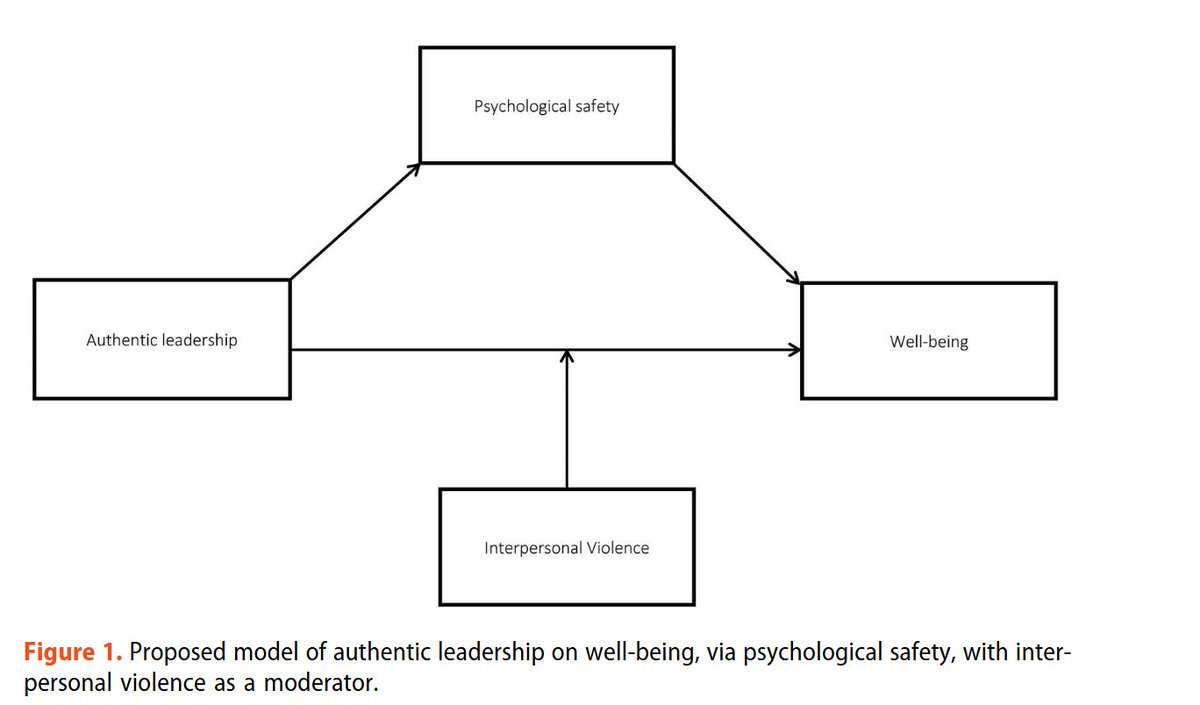
Here, @kavussanu and I show that authentic leaders create psychological safe environments, which is positively related to well-being. However, this can be thwarted by interpersonal violence
🚨Fully funded post-doc position in Brazil 🚨
Another call to come join us in São Paulo @FMUSPoficial to work with caffeine ☕️and brain 🧠with me and @maria_otaduy
2 y position, funded by @AgenciaFAPESP
Details:
https://t.co/t6mkQyi6jM
Apply by 31/01/2025
@eimeardol and @JamesSteeleII are editing a textbook for @STORKinesiology on research methods.
We (@marticorena_sci@Phil_Hurst1@lewisgough) have preprinted our chapter.
Laboratory and Field-Based Data Collection (Quantitative)
https://t.co/qvZ6Mc8kv3
All feedback welcome
I was worried about the graphic quality of our illustrations in the printed version, but they look great! I won’t post them here to avoid spoilers. If you’re interested, go get yours! 😠
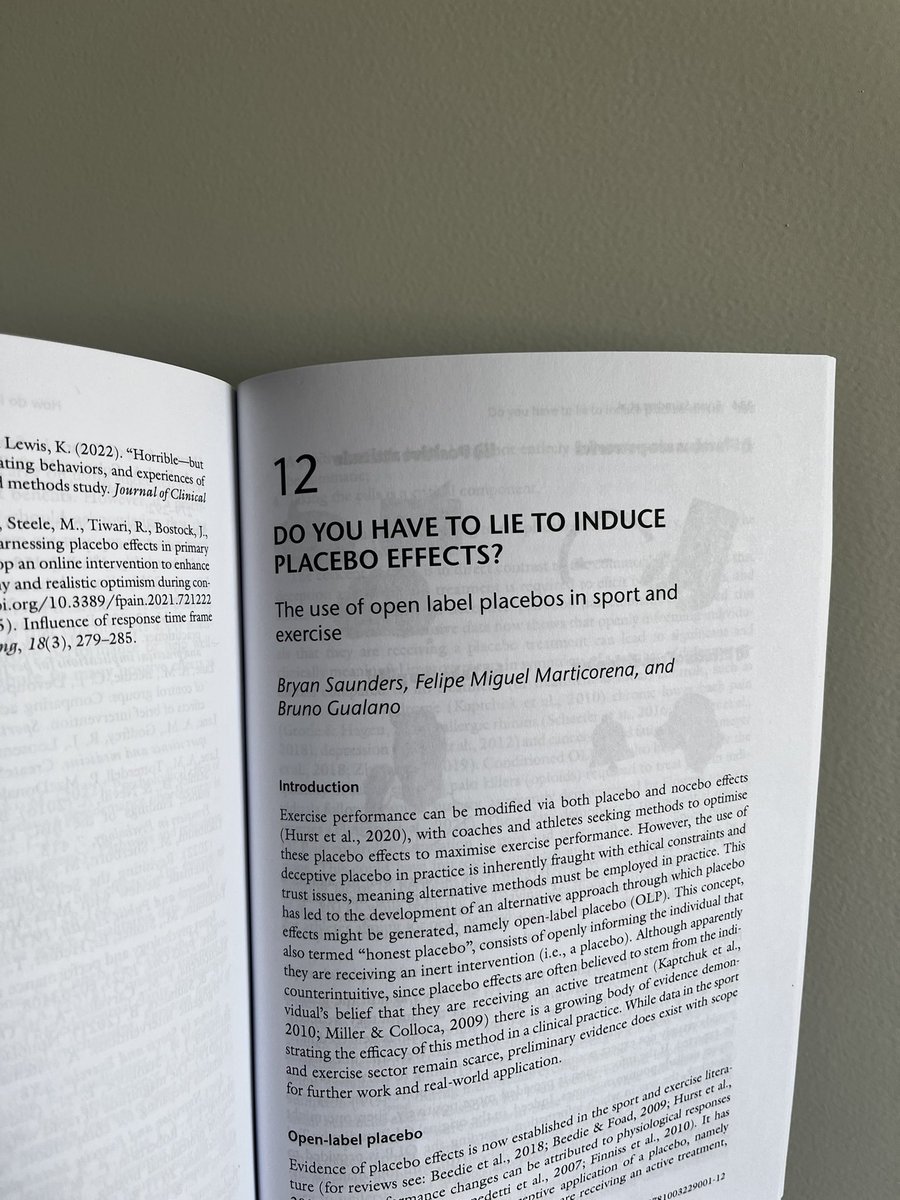
Happy to receive a copy of this book! Honored to have written Chapter 12 at Bryan Saunders' invitation. Feeling like the young grasshopper among all the giant placebo effect experts! Cheers 📚🧠 @Phil_Hurst1@beedie_chris@Bicycle_Bryan @Appl_Phys_Nutr
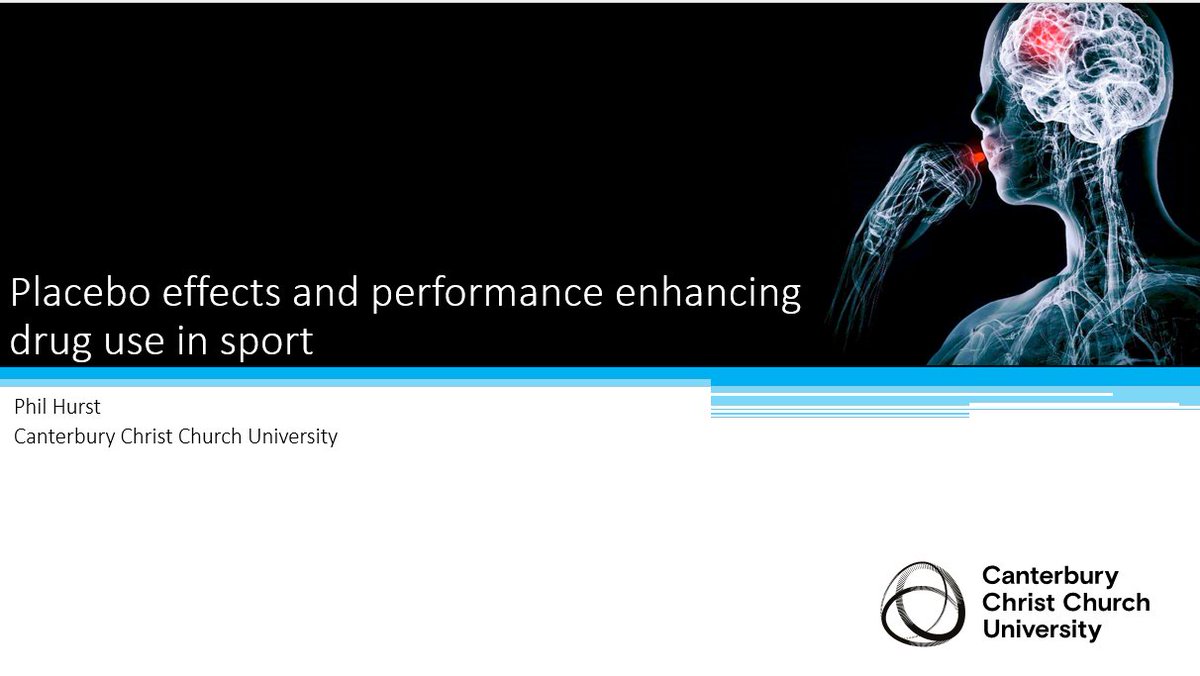
What a fantastic event to speak to over 800 students at @edu_in_action event last week on Placebo Effects and performance enhancing substances. Thanks for having me and @steve_x for hosting and capturing the presentation #placeboeffect#doping
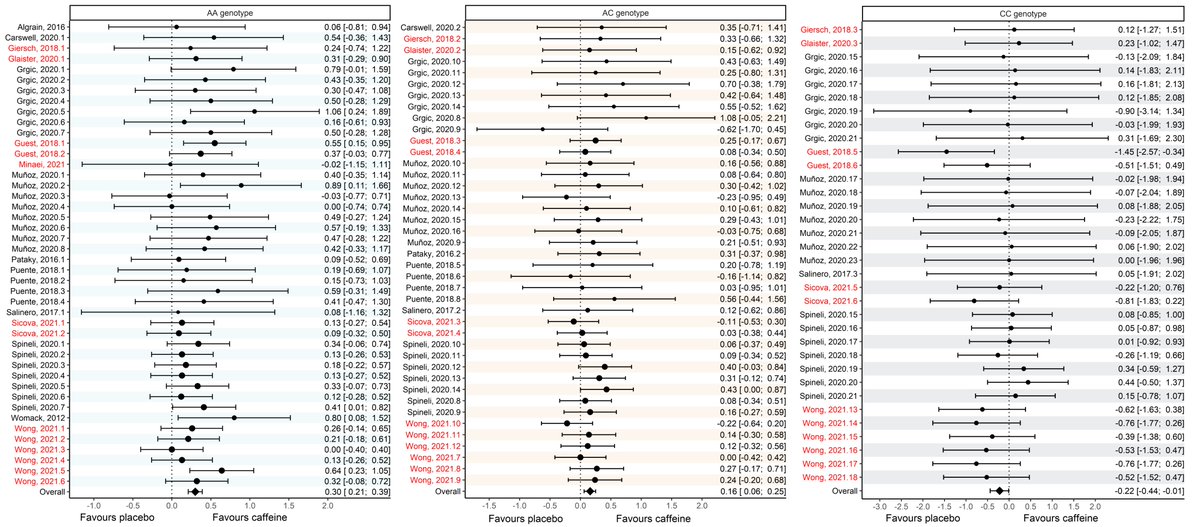
What is the influence of the CYP1A2 genotype on the acute effects of caffeine on exercise?
Caffeine improved performance for AAs and ACs, but worsened for CCs
Still, factors such as caffeine dose, timing, and conflict of interest need to be considered
https://t.co/QpBiG8dyuW
Thanks for the invite on this chapter @Phil_Hurst1 and @beedie_chris Hope it will be read and enjoyed.
Written with @marticorena_sci & Brunaldo Gualano @Appl_Phys_Nutr
We are still testing this model in our lab so more to come hopefully...
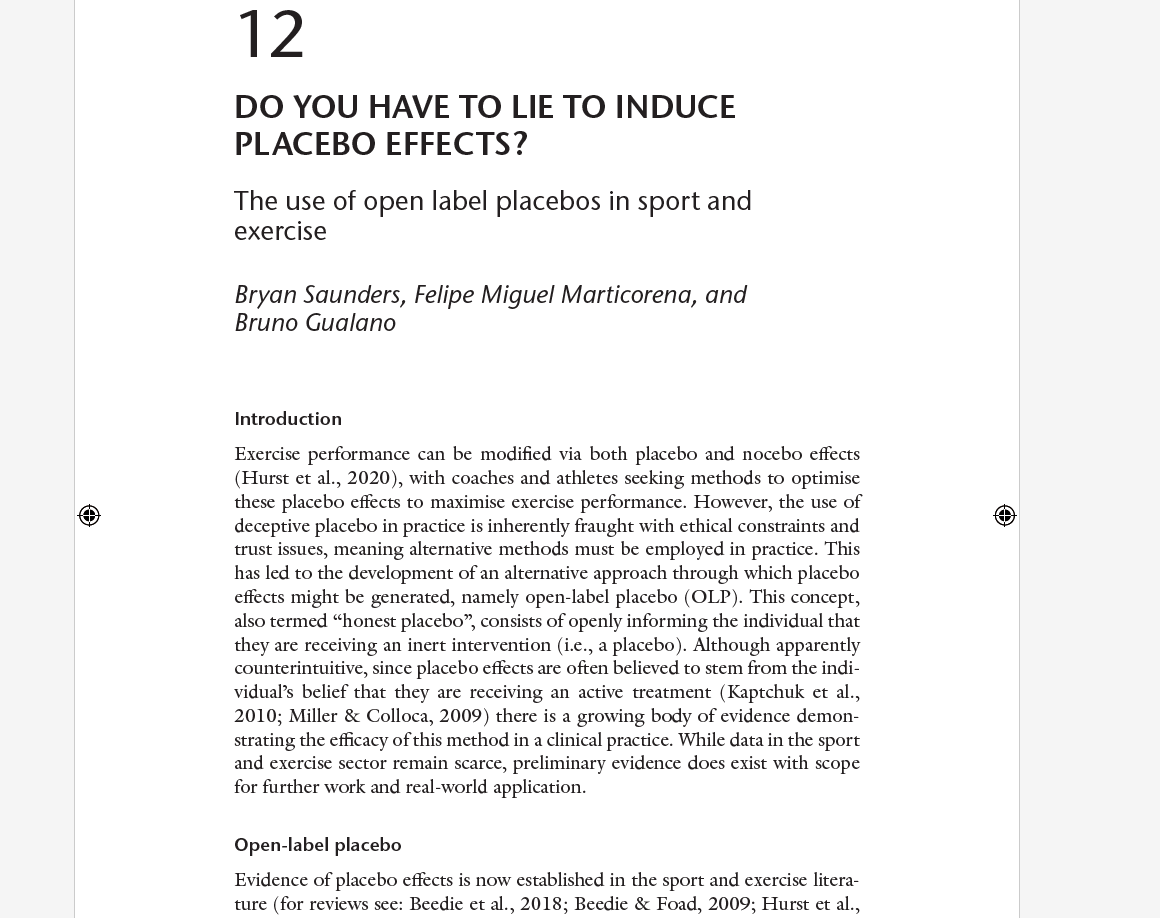
If I give you a placebo and tell you it’s a placebo will it improve your performance? Contrary to the belief you need to deceive to induce placebo effects, @Bicycle_Bryan provides an overview of open-placebo research in sport and why they might make you a better athlete