🚨 New preprint!
DAGs (Directed Acyclic Graphs) help researchers make their causal assumptions explicit and choose the right variables to adjust for.
But how are DAGs being used in physical activity & nutrition research?
📄 See our new preprint here: https://t.co/ihz8pj4uEx
Delighted to see our human trial published in Obesity.
Results suggest that beta-alanine may not improve cardio metabolic health and cardiovascular function in adults with overweight and obesity.
https://t.co/4CrnsMzndv
@toon_alfrink @colin_fraser Axes are meant to highlight differences between groups. Whether an effect is big or small is up for the reader/authors to interpret based on knowledge about the research topic. Starting the y axis at 0 here (and in any case, really) would be terrible for viz.
Interested in a funded PhD advancing the use of Bayesian statistics in sport & exercise science? Please message me for specifics, and can find some general info here: https://t.co/F9SlcZYziq. Application before the 29th of November.
Pre-print showing substantial underpowering of exercise and tendinopathy research. Studies were powered for SMD of 0.85!! (range:0.25 to 1.7) Our analyses show after shrinkage you may expect SMD of ~0.1 to 0.2 depending on similarity of the treatments.
https://t.co/wWfCH343Na
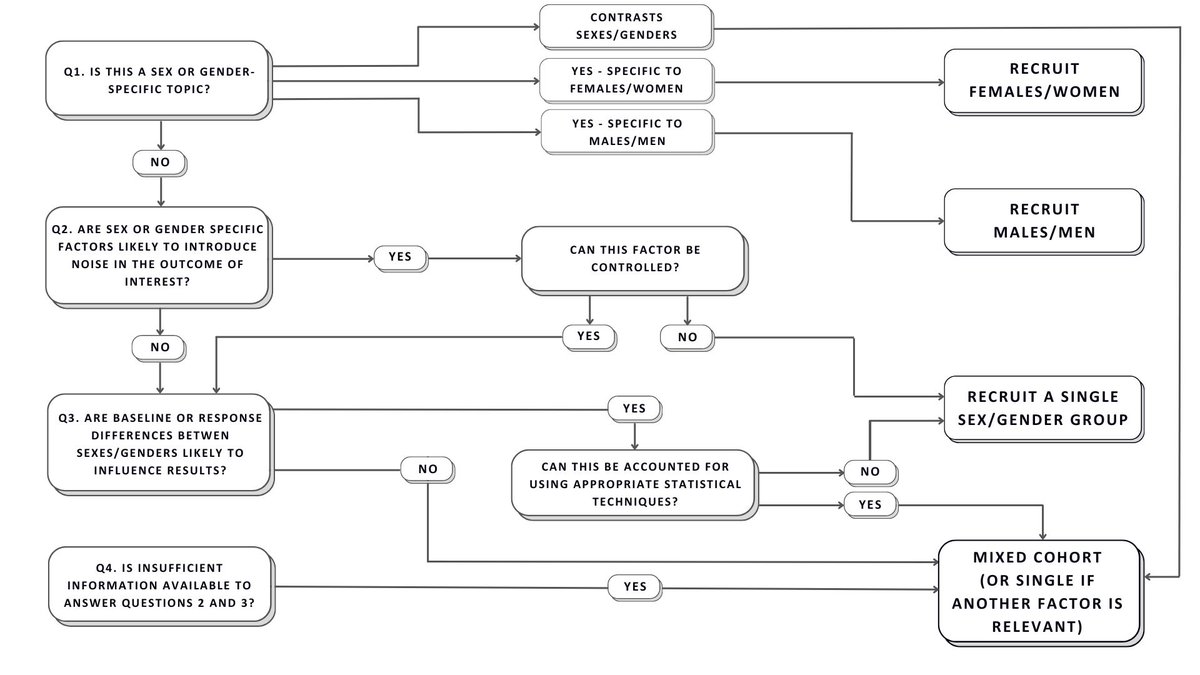
New pre-print of a framework to guide recruitment of males/females in sport and exercise research. Great to get feedback on here or to [email protected].
https://t.co/ug2d1Snmz4
{marginaleffects} for #RStats recently won the 2023-24 Statistical Software Award from the Society for Political Methodology.
It's a massive honor, because I have used and benefited a ton from software by literally all past winners.
A feelings 🧵 1/5
https://t.co/E8OAxmI0l6
@camilarib_crh Oi Camila, tudo bem? Sei que faz um tempinho que você tuitou sobre o estudo, mas sou um dos autores. Se quiser conversar pra entender melhor os resultados, estamos à disposição. Pode me contatar via DM e posso te encaminhar alguns materiais que fizemos sobre o estudo. Abs.
I'm happy to share our recent publication on British Journal of Nutrition:
"Association between ultra-processed food and flavonoid intakes in a nationally representative sample of the US population"
👇🏼Open access
https://t.co/V3X06rm2ug
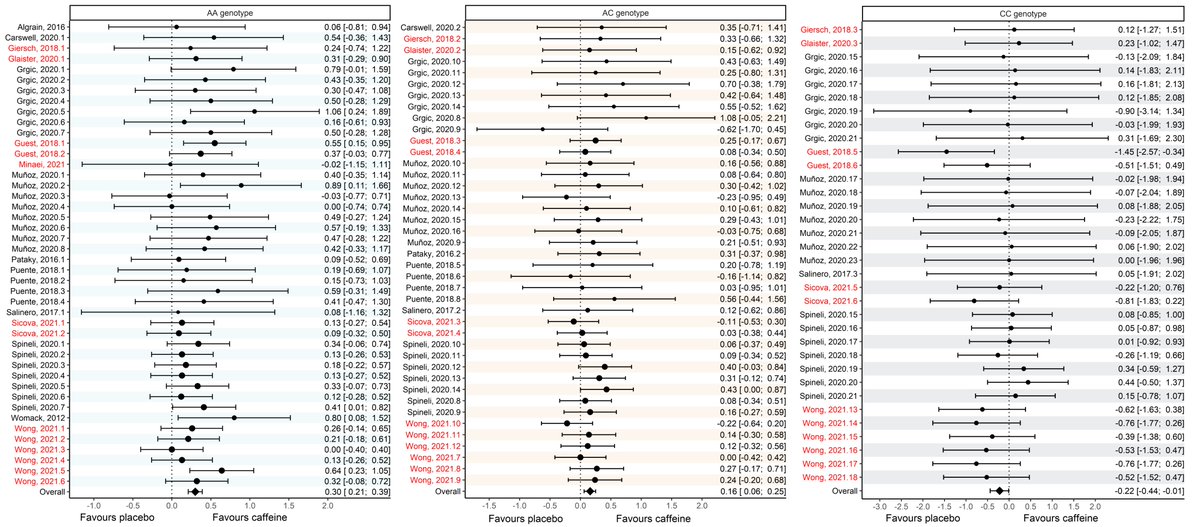
🚀 Exciting findings from our recent meta-analysis on caffeine ☕️, CYP1A2 genotype🧬, and exercise performance 🚴♂️🏃♀️!
Long 🧵👇
🎯 Objective: We delved into how different timings and dosages of caffeine affect exercise performance across CYP1A2 genotypes.
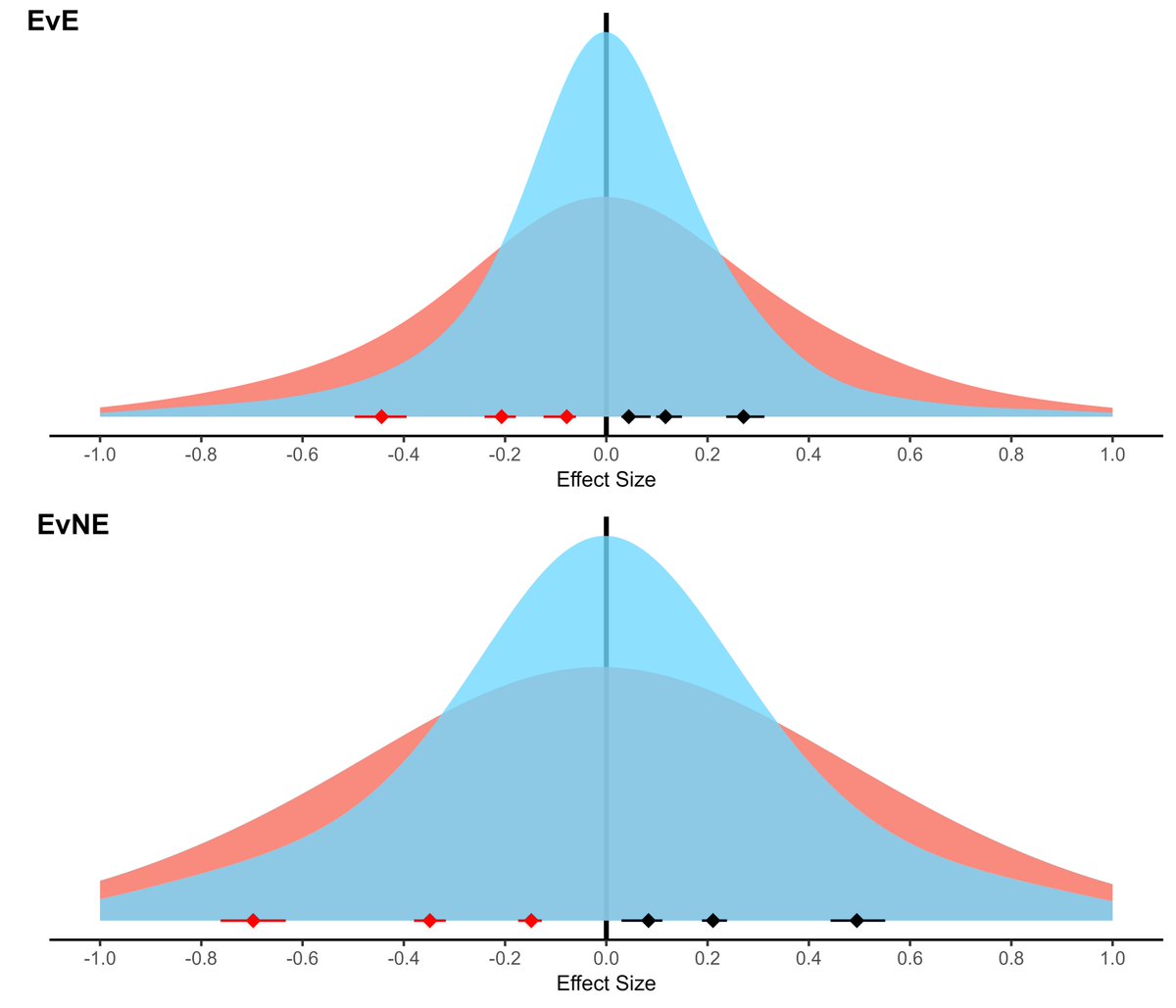
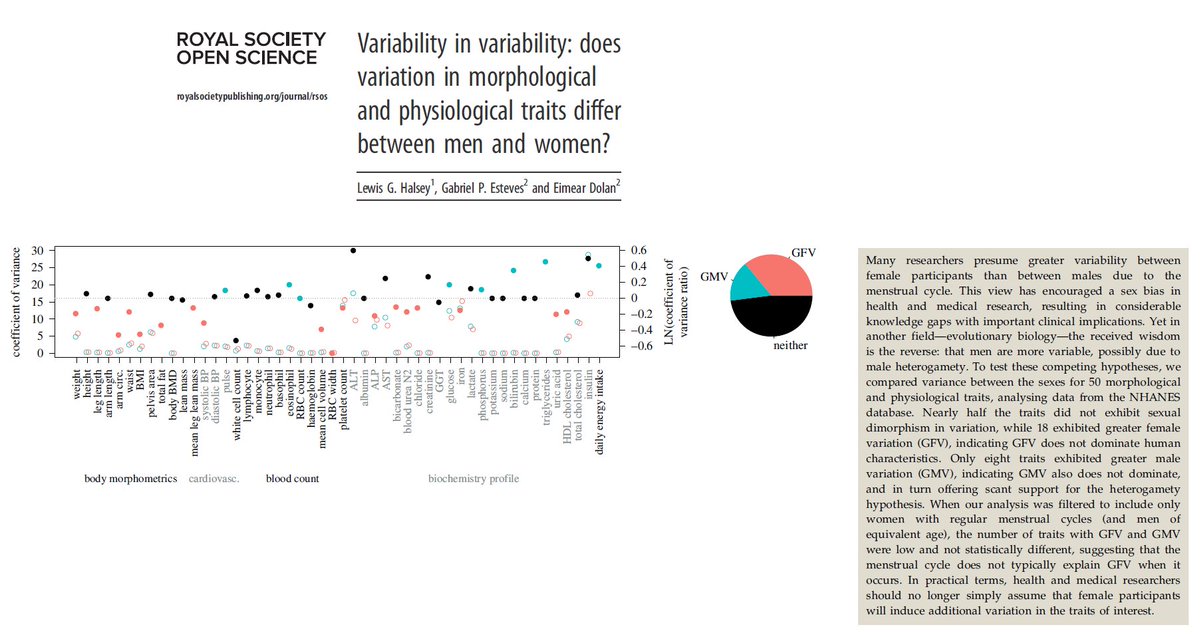
Lovely to see this out! Thank you @lewis_halsey for the invitation to contribute. It seems like neither greater female nor male variation is as ubiquitous as different fields believe! More work to come on this for sure.
There's more variation in energy expenditure between men than women. What about other physiological characteristics? @eimeardol , Gabriel Esteves and I ran analyses on a very large dataset... https://t.co/uvJqvZXBjO
@royalsociety
There's more variation in energy expenditure between men than women. What about other physiological characteristics? @eimeardol , Gabriel Esteves and I ran analyses on a very large dataset... https://t.co/uvJqvZXBjO
@royalsociety
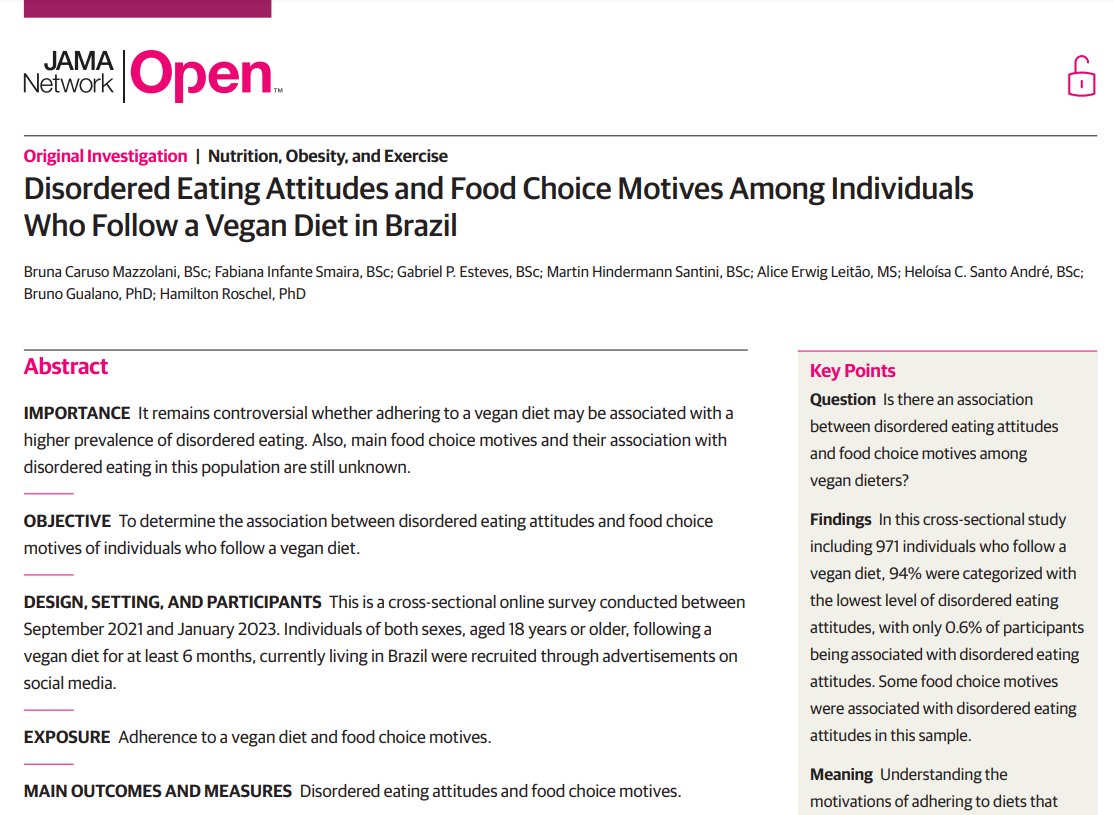
Disordered eating was very low among vegans in Brazil, although certain food choice motives were associated with disordered eating attitudes. Understanding motivations of adhering to restrictive diets may help tailor interventions for disordered eating. https://t.co/VAWnBycVub
I'm happy to share our recent publication on JAMA Network Open @JAMANetworkOpen entitled "Disordered Eating Attitudes and Food Choice Motives Among Individuals Who Follow a Vegan Diet in Brazil", led by great colleagues Bruna Mazzolani and Fabiana Smaira @cienciainforma
🧶1/9
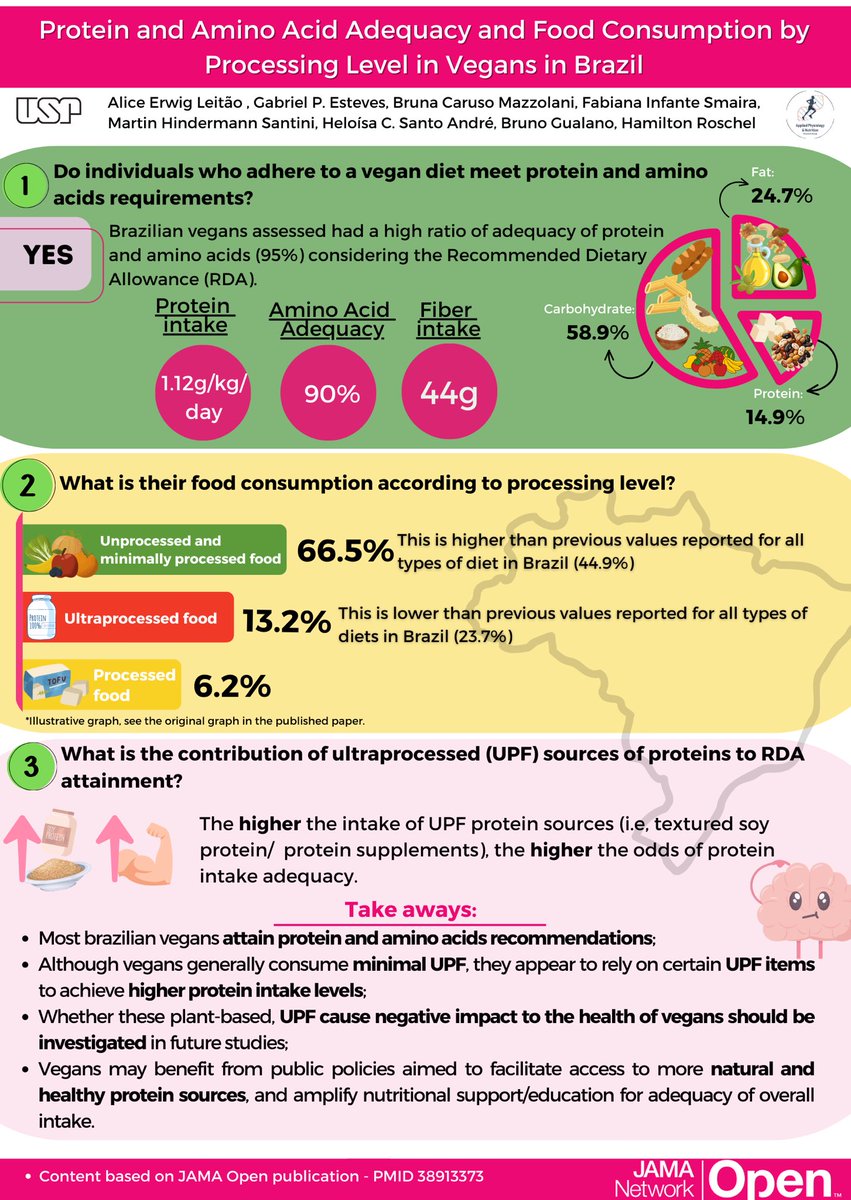
We still have more results to come from this overarching project, including a quantitative analysis on protein, amino acid, and ultra-processed food intake in vegan diets. If you're interested in this subject, please keep in touch!
9/9