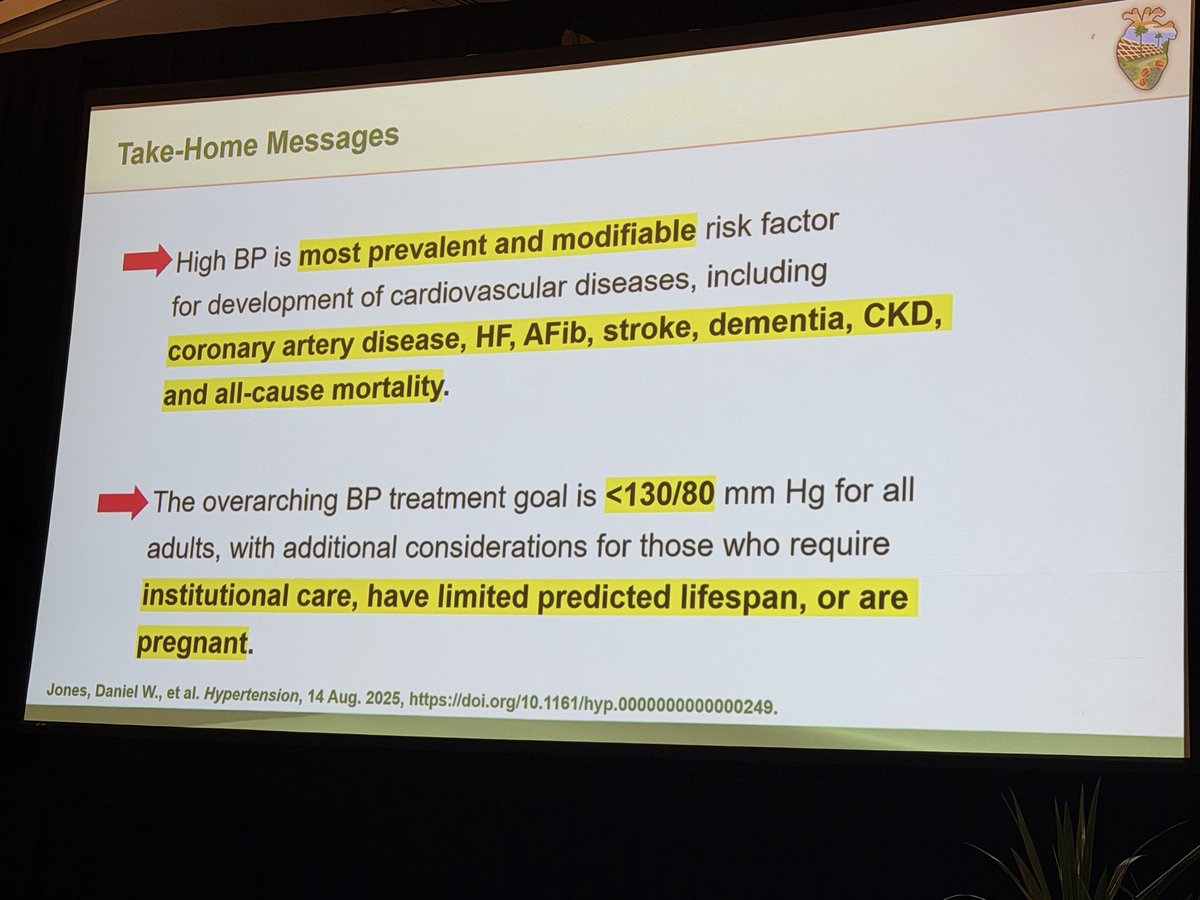
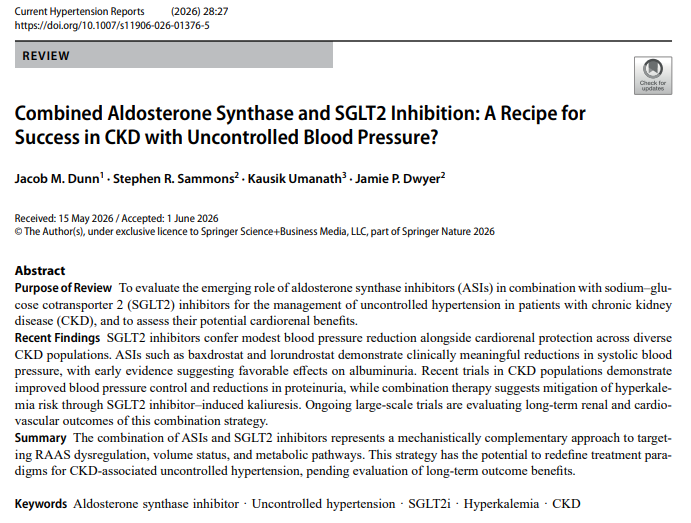
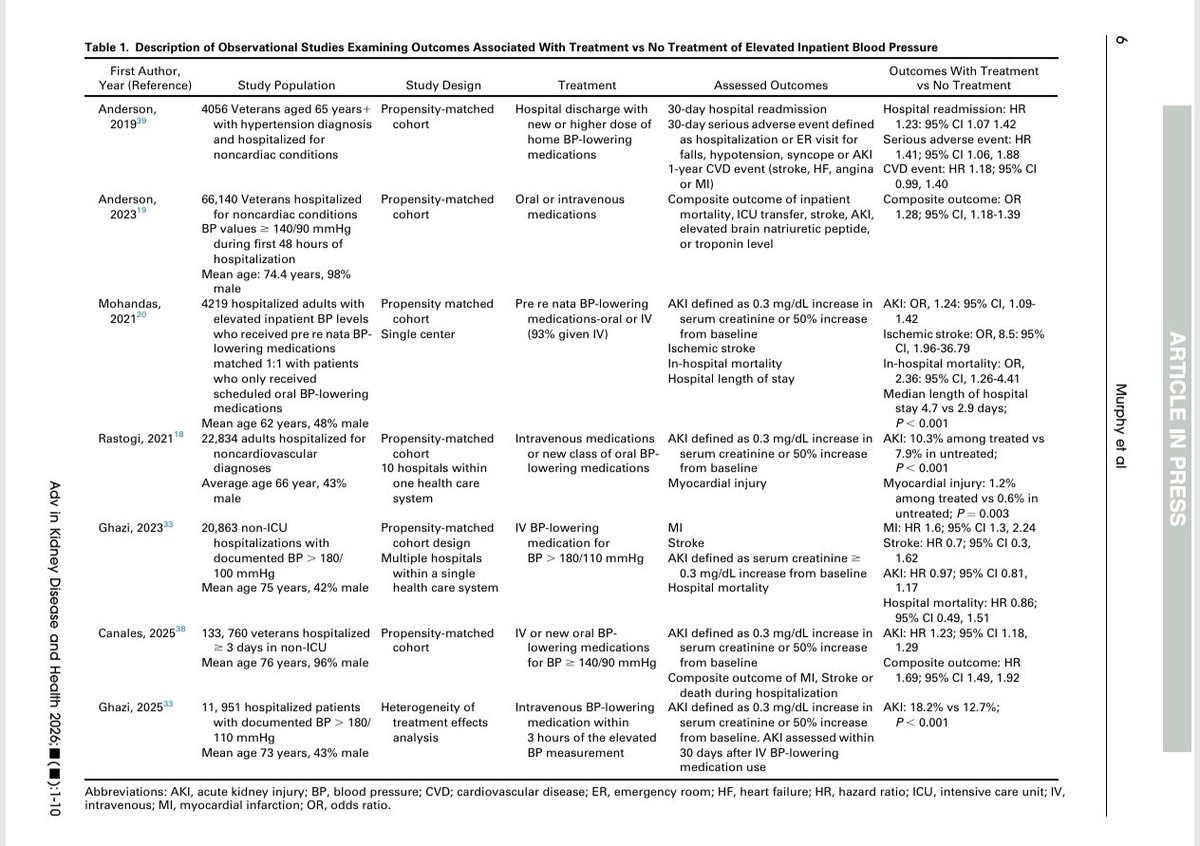
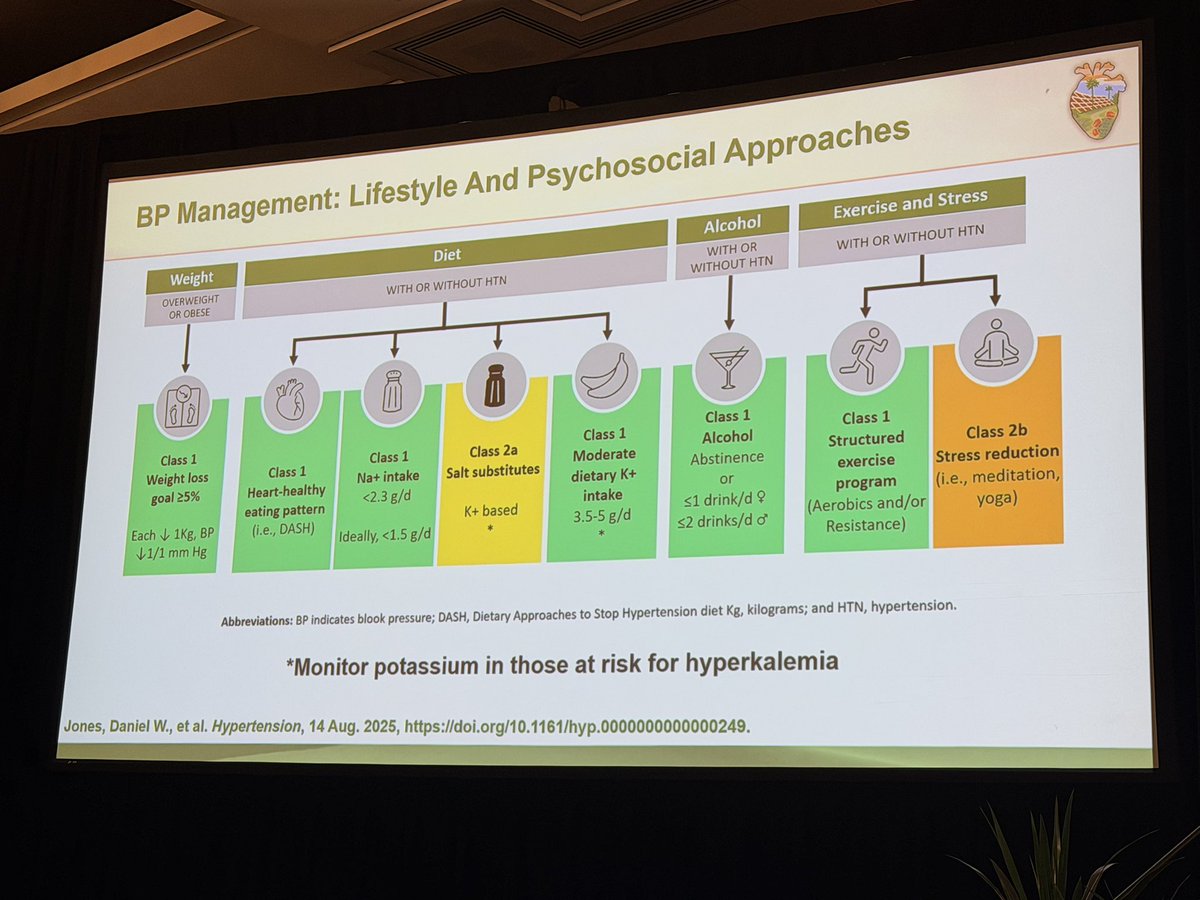
@kcferdmd presents the HTN guidelines at #ASPC2026
🫀no more than”HTN urgency” rather severe HTN or HTN emergency
🫀eGFR: not calculated by race
🫀First guideline to incorporate PREVENT risk calculator (CVD risk: 7.5% or greater)
🫀 BP goal <130/80 but encourage <120
🫀 Single pill combos
🫀Lifestyle is always part of Tx
En este documental no exploramos «1984» como una simple novela sobre vigilancia o dictaduras. Vamos al origen de la obra: al momento en que George Orwell, aislado, enfermo y enfrentado a la degradación política de su tiempo, sintió la necesidad de escribir uno de los libros más inquietantes del siglo XX.
¿Por qué nació 1984? ¿Qué vio Orwell en su época para convertirlo en literatura? ¿Qué relación hubo entre su enfermedad, su retiro en Jura y esa visión devastadora del poder, la mentira y la destrucción de la verdad? Más que contar la trama de 1984, este documental busca revelar por qué Orwell necesitó escribirla… y por qué sigue siendo un libro imposible de ignorar.
#literatura #escritores #georgeorwell #libros
Para leer mas sobre este farmaco, pueden leer.
https://t.co/1Cf8GHdf5M
Flack JM, Azizi M, Brown JM, et al. Efficacy and Safety of Baxdrostat in Uncontrolled and Resistant Hypertension. N Engl J Med. 2025. DOI: 10.1056/NEJMoa2507109.
¿Sabes que ha habido muchos avances en la inmunoterapia contra el cáncer?
Durante más de un siglo se creía imposible.
Hoy, investigadores del área de la inmunoterapia en el cáncer tienen el Premio Nobel y están salvando vidas. En este episodio te platico:
• Por qué el cáncer busca esconderse de tu sistema inmune
• Los anticuerpos monoclonales son como "misiles guiados" que ayudan a eliminar el tumor.
• Los checkpoint inhibitors (Nobel 2018) han aumentado enormemente la supervivencia en melanoma avanzado y otros tumores.
• Las CAR-T son tus células reprogramadas para matar el tumor.
• Y vemos cómo la inteligencia artificial nos empieza a decir qué pacientes sí van a responder a inmunoterapia.
Hay mucho que aprender todavía...pero el camino se ve sólido.
https://t.co/Q7mBH48qPQ
3 aspectos clave antes de prescribir las dos resinas ligadores de potasio intestinal, Lokelma y Patiromer:
•Su contenido de sodio
•Rapidez de su efecto
•Interacción con otros fármacos
CJASN 2026
10.2215/CJN.0000001110
🫀Hypertension in 2026: Five practice changing updates every clinician should know
Hypertension remains the leading modifiable risk factor for cardiovascular disease worldwide, yet recent evidence suggests that many patients continue to be undertreated.
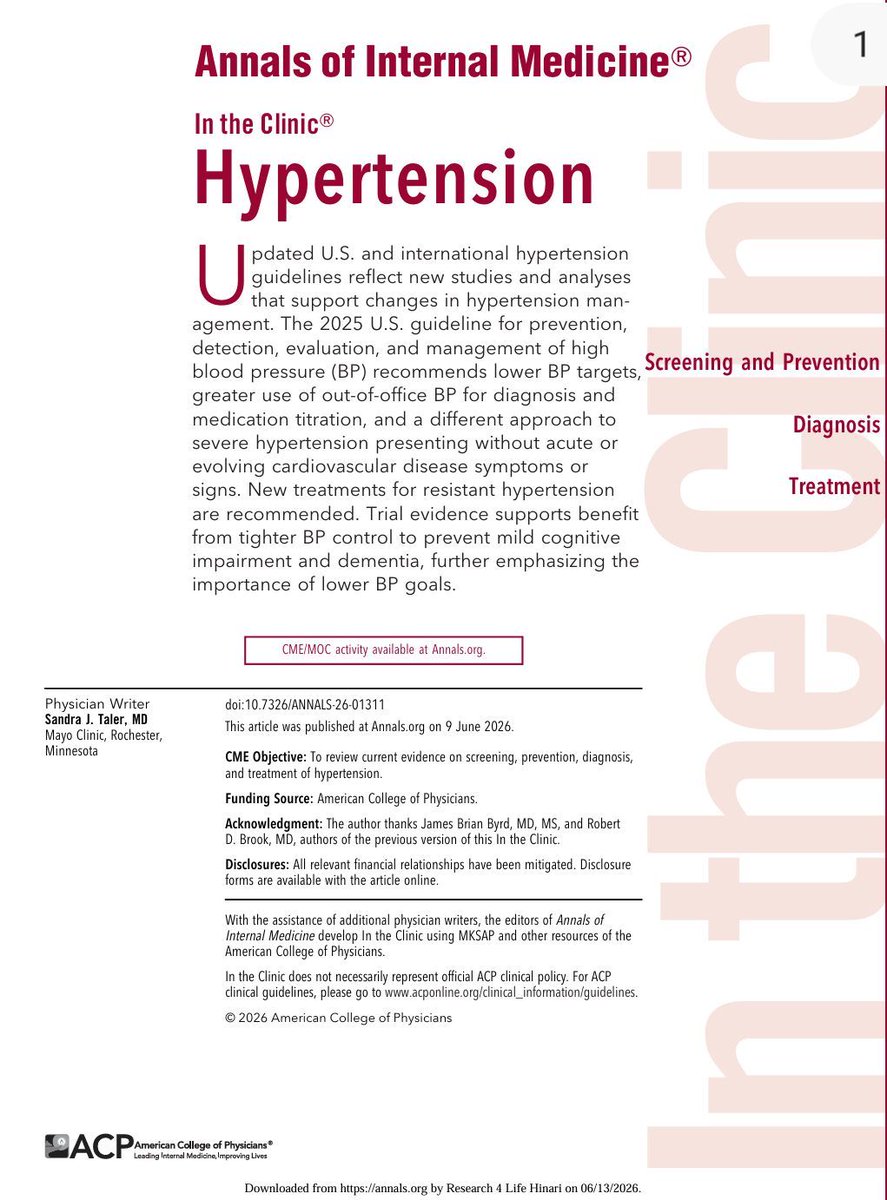
The updated Annals of Internal Medicine "In the Clinic" review summarizes the most important changes introduced by the 2025 AHA/ACC guideline and highlights how hypertension management is evolving.
The first major change is that blood pressure should no longer be judged solely in the clinic.
Out of office blood pressure monitoring is now strongly recommended not only to confirm the diagnosis, but also to detect white coat hypertension, masked hypertension and guide treatment titration. Ambulatory blood pressure monitoring remains the reference standard whenever available.
The second message is that lower targets matter.
For most patients, the recommended goal remains below 130/80 mmHg, with increasing evidence supporting systolic pressures below 120 mmHg in selected high cardiovascular risk patients when tolerated. Recent trials demonstrated reductions in major cardiovascular events without a significant increase in serious complications.
Third, lifestyle interventions continue to be the foundation of therapy.
Weight reduction, dietary sodium restriction, the DASH diet, regular exercise and potassium enriched salt substitutes remain among the most effective nonpharmacological interventions. Emerging evidence also supports meditation and yoga as useful adjunctive therapies for selected patients.
Fourth, treatment should become increasingly individualized.
The guideline incorporates overall cardiovascular risk into treatment decisions using the new PREVENT risk calculator instead of relying exclusively on blood pressure values. This approach better identifies patients who derive the greatest benefit from earlier pharmacological therapy.
Finally, resistant hypertension is no longer a therapeutic dead end.
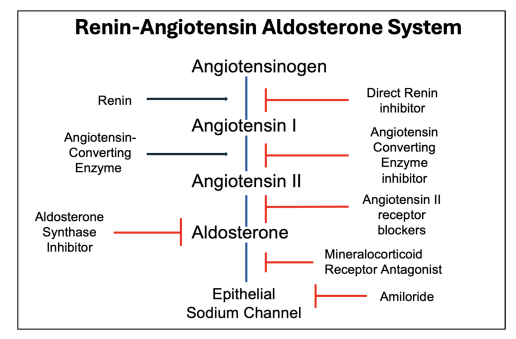
Mineralocorticoid receptor antagonists remain central to treatment, while newer agents such as aprocitentan, a dual endothelin receptor antagonist, expand therapeutic options for carefully selected patients with resistant hypertension.
The most important lesson is simple.
Hypertension management is moving away from isolated office measurements toward precision cardiovascular prevention, integrating accurate blood pressure assessment, global cardiovascular risk, intensive lifestyle intervention and individualized pharmacotherapy.
Better blood pressure control is not simply about preventing myocardial infarction or stroke.
It is increasingly recognized as an investment in preserving kidney function, preventing heart failure and reducing cognitive decline throughout life.
Reference 📚
Taler SJ. In the Clinic: Hypertension. Annals of Internal Medicine. Published June 9, 2026. DOI: 10.7326/ANNALS-26-01311.
🚨 Hypertension treatment is changing fast
✅ New target: <130/80, <120 systolic encouraged.
✅ New tools: Endothelin antagonism, RNA interference, RDN
The era of precision hypertension management has arrived
https://t.co/SY9HSZZRJe
#JACC#Hypertension#HeartHealth#Cardiology
🫀Algoritmo para combinaciones recomendadas de antihipertensivos y otros medicamentos nefroprotectores para el manejo de la hipertensión en la ERC de acuerdo al grado de proteinuria y TFGe
CLINMED26 #CKD
https://t.co/mJAsRiuVtW
🆕 expert analysis provides a framework for antihypertensive medication selection in pregnancy and the postpartum period. Get the details: https://t.co/olA1uclOsT #Hypertension#CardioObstetrics