Se prendessimo il piovoso triangolo Cambridge-Oxford-Londra e lo spostassimo in centro Italia, attireremmo 10 volte il numero di talenti.
Dato che non si può, l’alternativa è costruirlo.
Lo stile di vita attira i turisti di mezzo mondo. Immaginate se offrissimo anche lavoro.
25 righe per non dire nulla, se non quanto é impegnata a cambiare il mondo conferenza dopo conferenza e foto di gabbiano dopo foto di gabbiano. Ho finito la pausa pranzo, buon pomeriggio a chi torna a lavorare.
‼️Esclusivo‼️ - Andrea Stroppa, advisor di Elon Musk in Italia: "Quello di Vannacci è un programma statalista, retorico e retrogrado" https://t.co/zfJtwh1IVh
The bottleneck for effective cancer treatment is not the science
"It is no longer the science... that is holding back potential cures, but our capacity to try new medicines in clinical trials."
by @RuxandraTeslo@nytopinion
https://t.co/l3TJbPfzxX
Chi fosse vicino a Pisa e interessato al seminario di Riccardo Manzotti sull'intelligenza artificiale (che co-organizzo come Bright Night-notte europea dei ricercatori per @unipisa), è assai benvenuto domani sera alle 21!
Breve storia triste: l’idea era di investire in Calabria, terra che ha bisogno di lavoro e investimenti e alla quale sono legato per ragioni di sangue. Con il Presidente Occhiuto il dialogo era positivo e proficuo. Quando “qualcuno” lo venne a sapere, fece recapitare a Occhiuto il messaggio che un’operazione del genere avrebbe fatto saltare il rinnovo dei call center in Calabria e centinaia di persone sarebbero finite a casa
In 2016, virologist Beata Halassy was diagnosed with invasive triple-negative breast cancer (multiple foci). Treatment involved mastectomy of the left breast plus adjuvant chemotherapy.
In 2020, she found that her breast cancer had come back for the second time in the same place. The tumour had grown into nearby tissue and was considered advanced. She did not want more chemotherapy.
Unwilling to undergo further chemotherapy, she prepared research-grade measles vaccine strain and vesicular stomatitis virus in her laboratory. A colleague injected these viruses directly into the tumour over two months under oncologist supervision.
The tumour shrank a lot and became easier to remove. Doctors then took it out with surgery, and she took trastuzumab ( cancer drug) for one year. She has stayed cancer-free for more than four and a half years.
This was a careful one-person experiment not a standard treatment for others. Her successful self-treatment completely changed the direction of her laboratory. She is now focused on oncolytic virotherapy (using viruses to fight cancer) research.
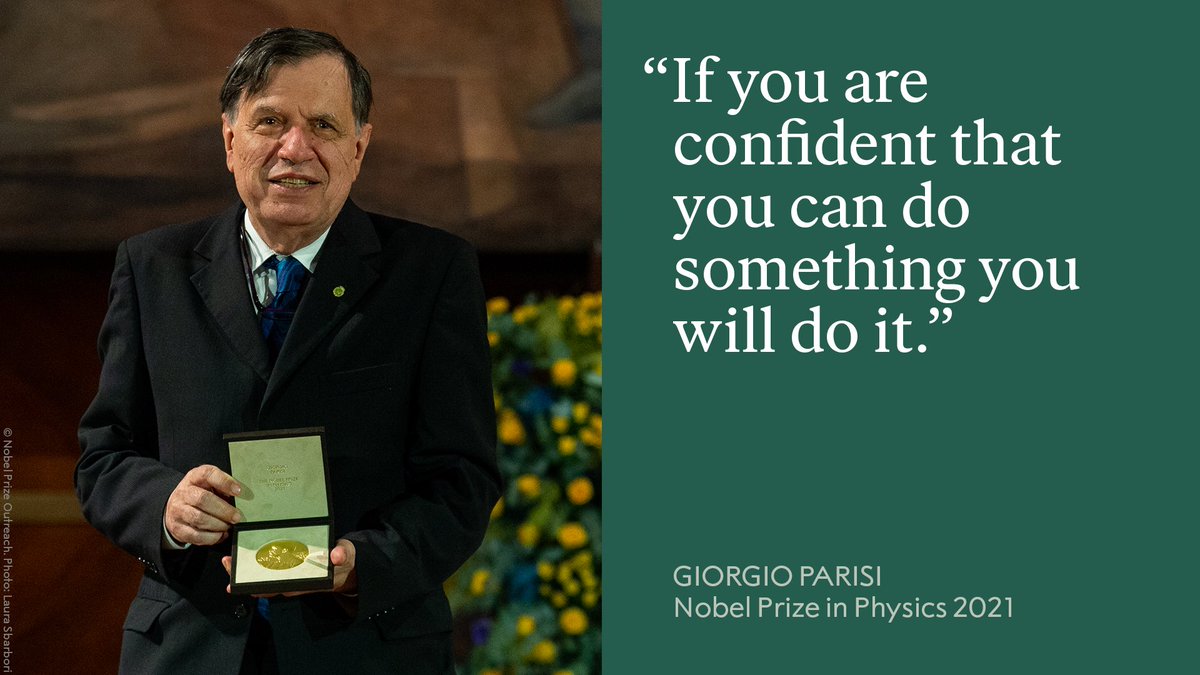
Physics laureate Giorgio Parisi on the importance of self-confidence. Parisi was awarded the 2021 physics prize for discovering hidden patterns in disordered complex materials.
Read our interview with him: https://t.co/2EOZBcM7en
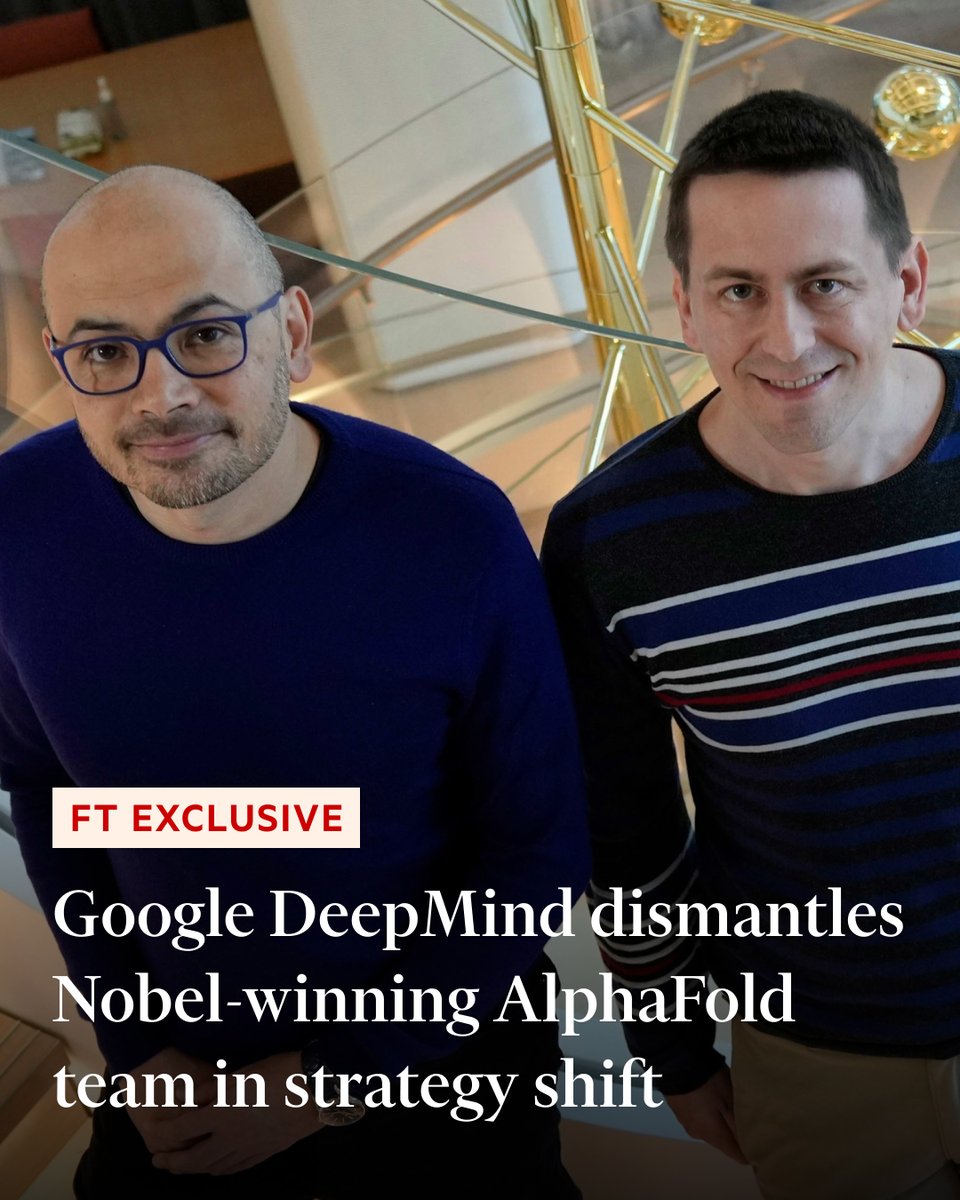
FT exclusive: Google DeepMind has dismantled the team behind AlphaFold, its Nobel Prize-winning AI system for predicting protein structures, as the company overhauls the research strategy that made it one of the world’s leading AI laboratories https://t.co/1oKLq9TdXa
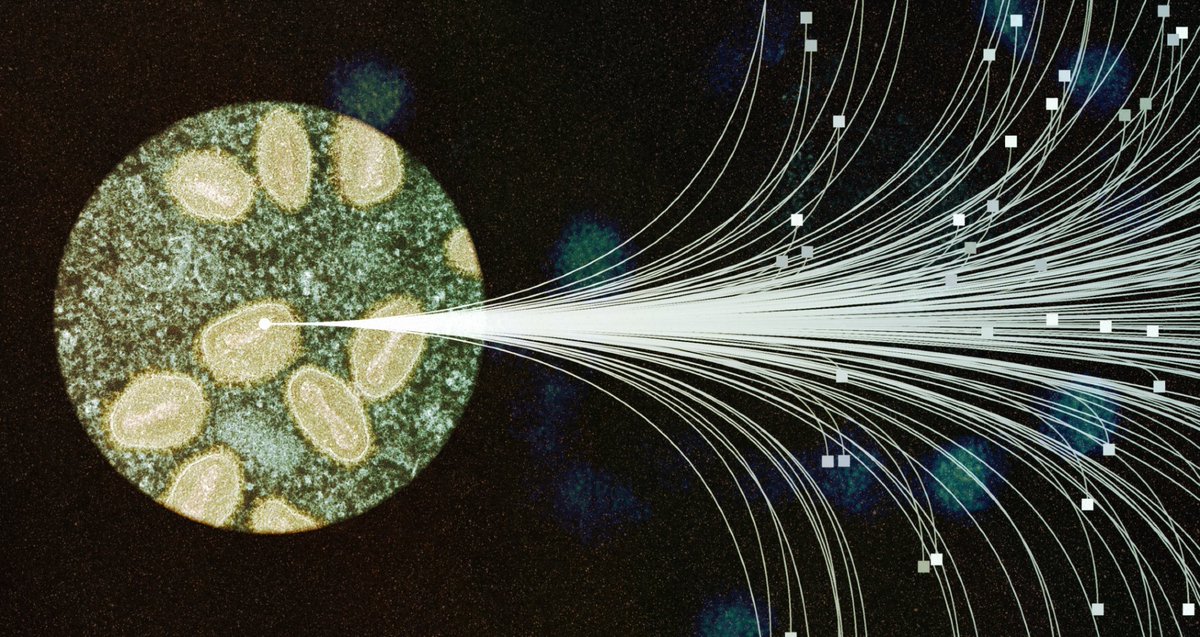
From HIV and hepatitis C to Zika, Ebola, and mpox viruses, the list of pathogens that can be transmitted in more than one way is growing rapidly.
In a Focus article recently published in Science Advances, SFI External Professor Samuel Scarpino (Northeastern University) explains why new modelling techniques are needed to capture the dynamics of multiroute pathogens, since they behave far differently than single-route pathogens.
https://t.co/8M9dXbGqtA