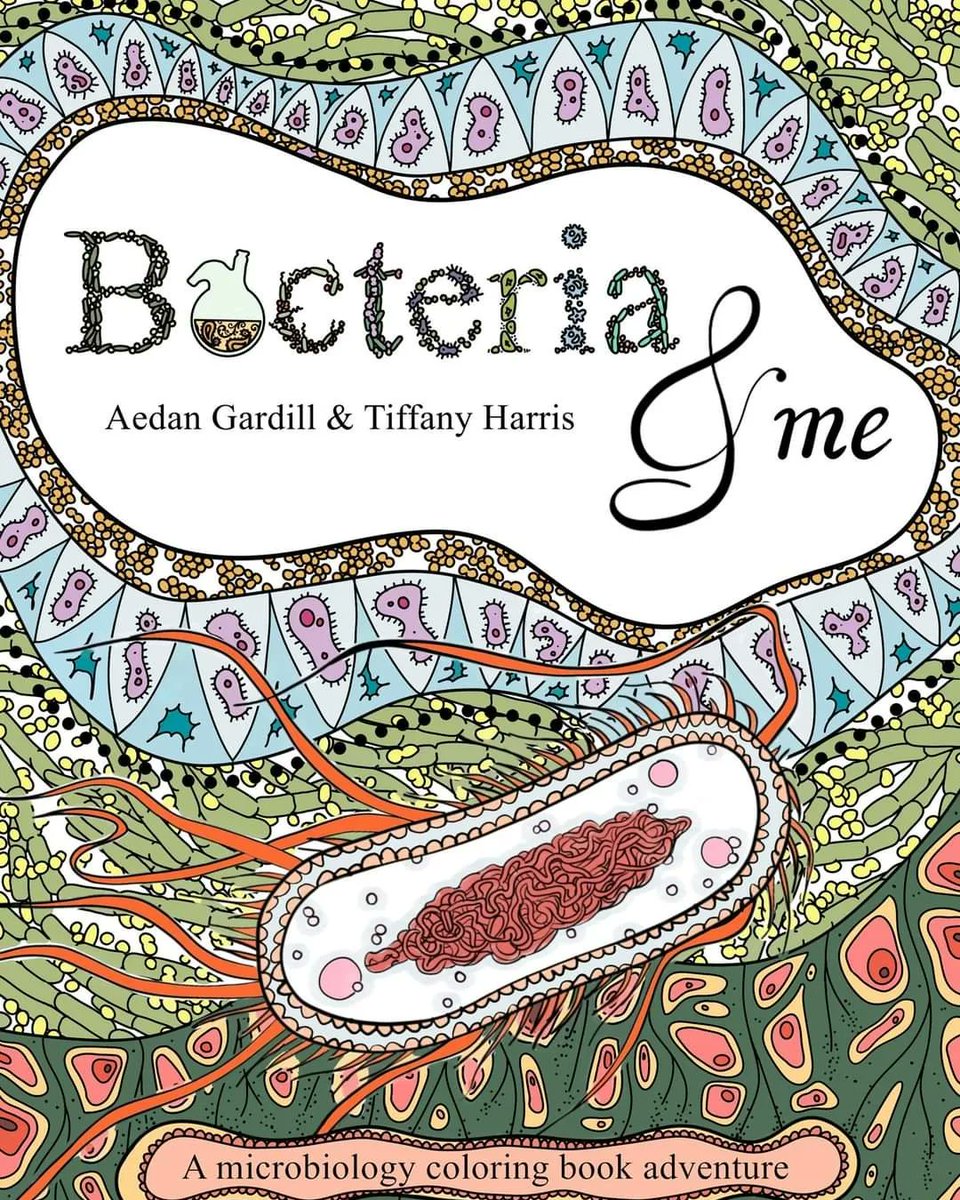
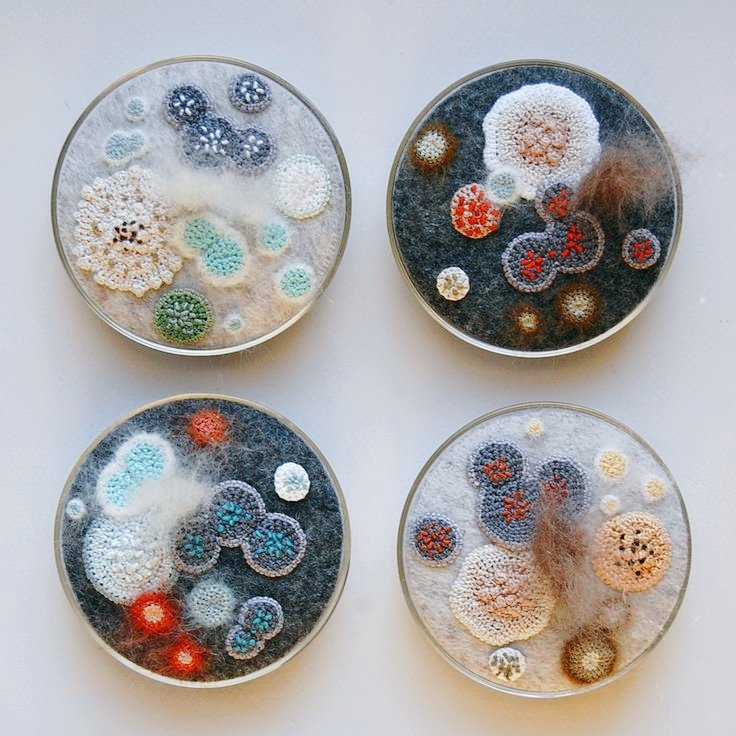
Art has been a great way for me to de-stress recently 🎨 In an attempt to combine art and science, I created this microbiology-themed design representing the human microbiome! 🧬
Super honored that @lindskalan and I’s review article, "Living in Your Skin: Microbes, Molecules and Mechanisms", was highlighted as an @ASMicrobiology Top Cited paper in 2023!
https://t.co/mdo4kd2L7Y
Join us tomorrow for @maryhswaney’s thesis defense seminar! Mary Hannah from the Kalan Lab (@lindskalan) will be presenting her work on “Metabolite-Mediated Interactions in the Human Skin Microbiome”. In person seminar @ 10am in MSB 1420 or Zoom!
#MDTP
Check out our latest! We used a combination of clinical indicators, quantitative microbiology, microscopy, sequencing and proteomics to characterize the “gunk” that forms on top of wounds. Turns out that this “gunk” can be useful to predict healing times! @LizCTown
Had the opportunity to present our recent work from @lindskalan lab on the role of metabolites in the #skinmicrobiome for understanding bacterial-fungal interactions at #cmfi2023. Grateful for the chance to share our work and learn in this space!
Eek so excited for this! Alex is the first PhD graduate from the lab and he will be talking about a little bit of everything #DFU. From polymicrobial #biofilms to model #skinmicrobiome systems and #metatranscriptomics.
#MDTP Student Highlight: Thy Nguyen
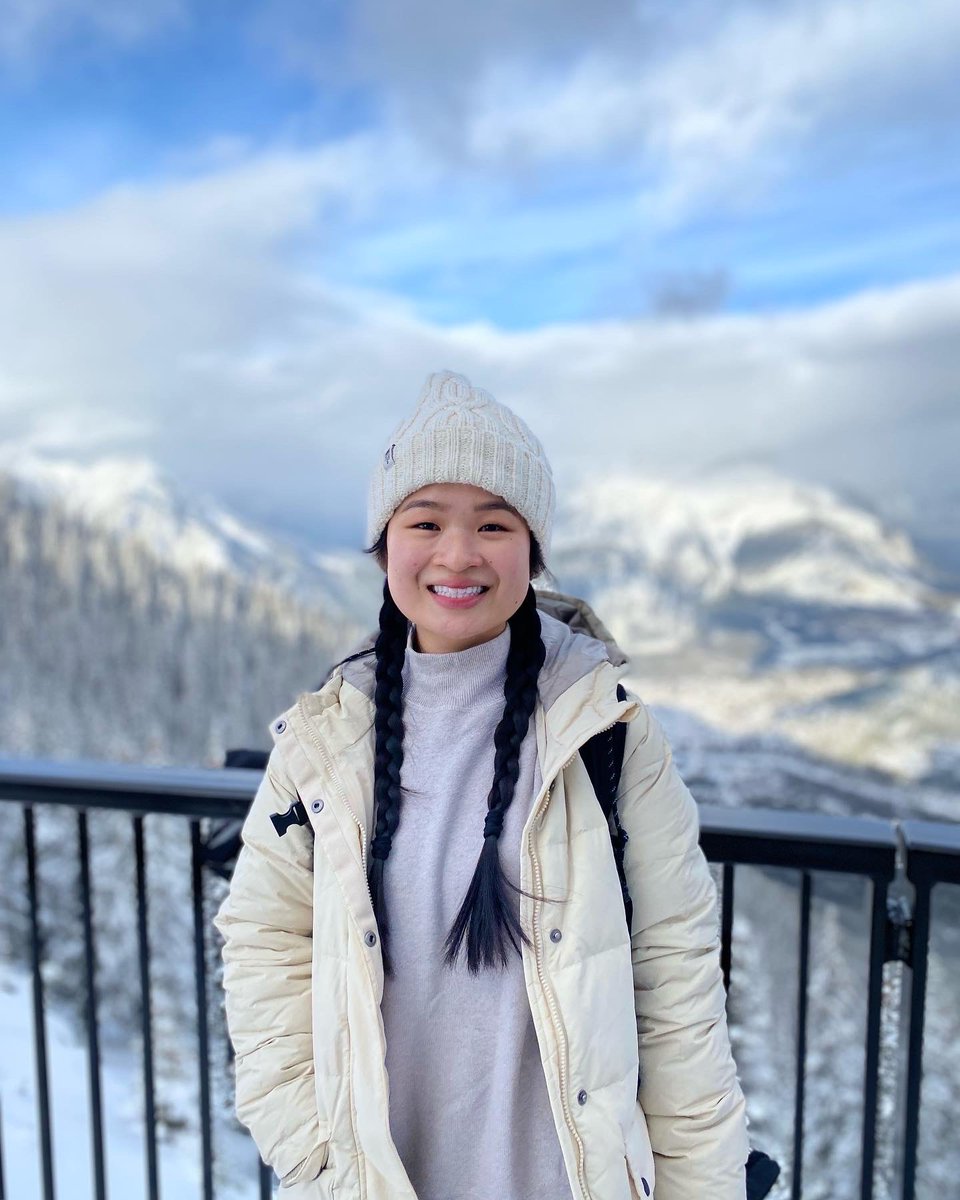
Thy (@uyenthynguyen) is a graduate student working in @lindskalan lab studying skin microbiome.
She is currently in the Toronto area, so she has been exploring the city and trying out new foods.
#UWMadison
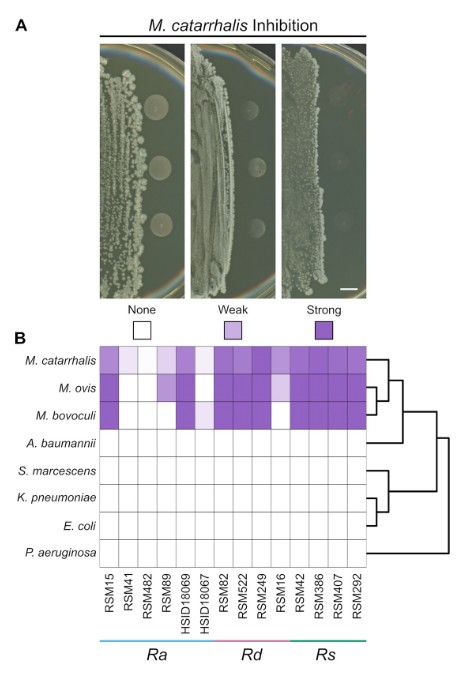
Moraxella catarrhalis causes ear infections & wheezing illnesses in children. An enzyme produced by Rothia bacteria in the nose degrades M. catarrhalis peptidoglycan & inhibits its growth, opening doors for new therapeutics. @mbiojournal: https://t.co/HbgVJX50Gs
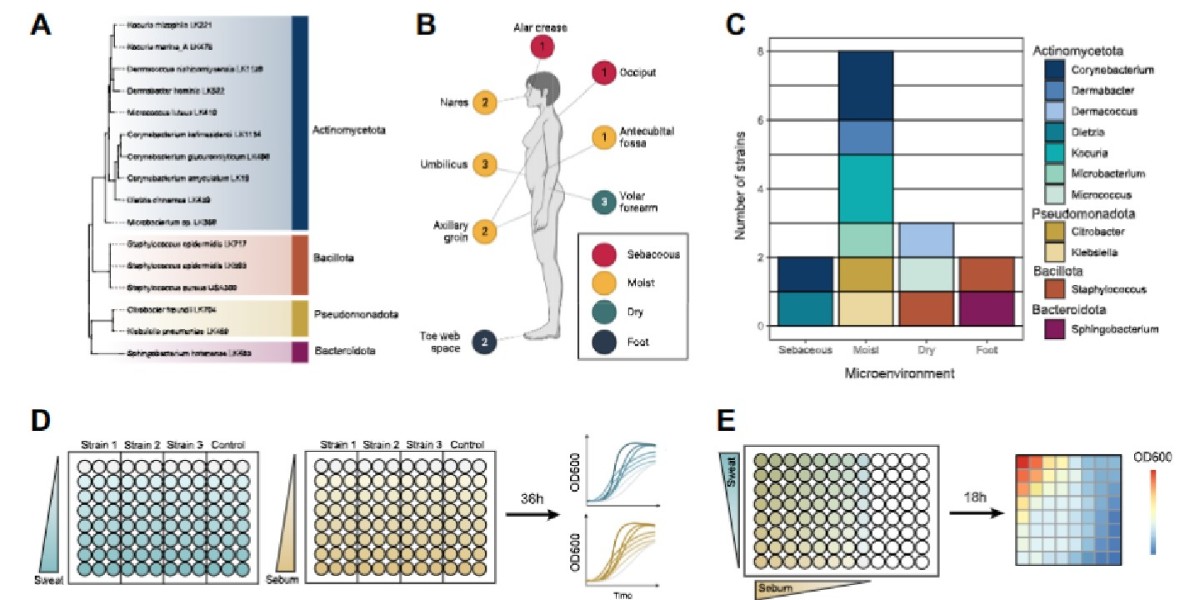
#MicrobiologyMonday: Scientists show that many skin bacteria prefer high sweat concentrations while preferences for sebum levels are variable, indicating it may help regulate skin microbiota composition in regions across the body. @JournalSpectrum: https://t.co/T9d9fMxdsh
Excited to share our new study on skin microbiota growth preferences in artificial sweat and sebum, now published in Microbiology Spectrum! @lindskalan#skinmicrobiome https://t.co/tzh2tj4riL
Can the molecular diversity of cobamides and glycans be explained as encryption of nutrients? Happy to share this collaboration that Michi Taga @PMB_Berkeley and I worked on. https://t.co/8kNgVhh46R
Color palettes accessible to those with color vision deficiency (CVD) are often insufficient for working with #microbiome data...but not anymore! In #MRAJournal, researchers present microshades, an R package for creating CVD-accessible microbiome figures. https://t.co/h5sLJrord4
Happy #HispanicHeritageMonth2020 everyone! I am SO proud to be Latina.
This #HispanicHeritageMonth, I'm sharing one Latinx/Hispanic scientist YOU should be following today if you aren't already...
Follow along & add your name/profession to this thread if you want me to RT you!
#MDTP Student Highlight: Susan Zelasko
@susan_zelasko is an MD/PhD student in the 3rd year of her PhD in the @uwcurrielab and Rey Lab studying the role of specialized metabolites produced by human-associated microbes and their potential as therapeutic drug leads. #Microbiology
Excited to share that I have been awarded an F31 fellowship from @NIH_NIAMS for defining the role of cobamides in skin microbiome dynamics! Huge thank you to my advisor @lindskalan, co-sponsor @jo44atWID, Kalan Lab members, and my committee for all of their support and guidance!