Our solar system may contain records of the emergence of life, we just need to know how to read them. Today in Forbes, Bruce Dorminey writes about work we did at @imperialcollege on “lunar lava sandwiches" and the potential evidence they could contain.
https://t.co/nmIsHR0D9q
🚀 Our researchers Solomon Hirsch & @masephton made an appearance on last night's @itvnews, where they explained their new research on a test that can detect life on #Mars and other planets!
📺 Check it out: https://t.co/qrXqyDfqtV
🔎 Detecting signs of recent life on Mars!
🌱 PhD student Solomon Hirsch and Prof Mark Sephton from ESE have discovered a simple and cheap way to test for active life on #Mars and other planets – using an existing instrument on the #CuriosityRover!
https://t.co/DDrIIMxyZ9
Curious about how Mars Sample Return could revolutionize our search for organic markers of extraterrestrial life? If so, read this paper just published in the Proceedings of the National Academy of Sciences USA. https://t.co/pERCzGfvfw
🙏 A big thank you to the European scientists who picked up their favourite samples for our Mars rocks advent calendar.
🪨 We have learned a lot about the fascinating geology behind each rock collected by @NASAPersevere.
🔗This is what they told us: https://t.co/Hg1okbkzMb
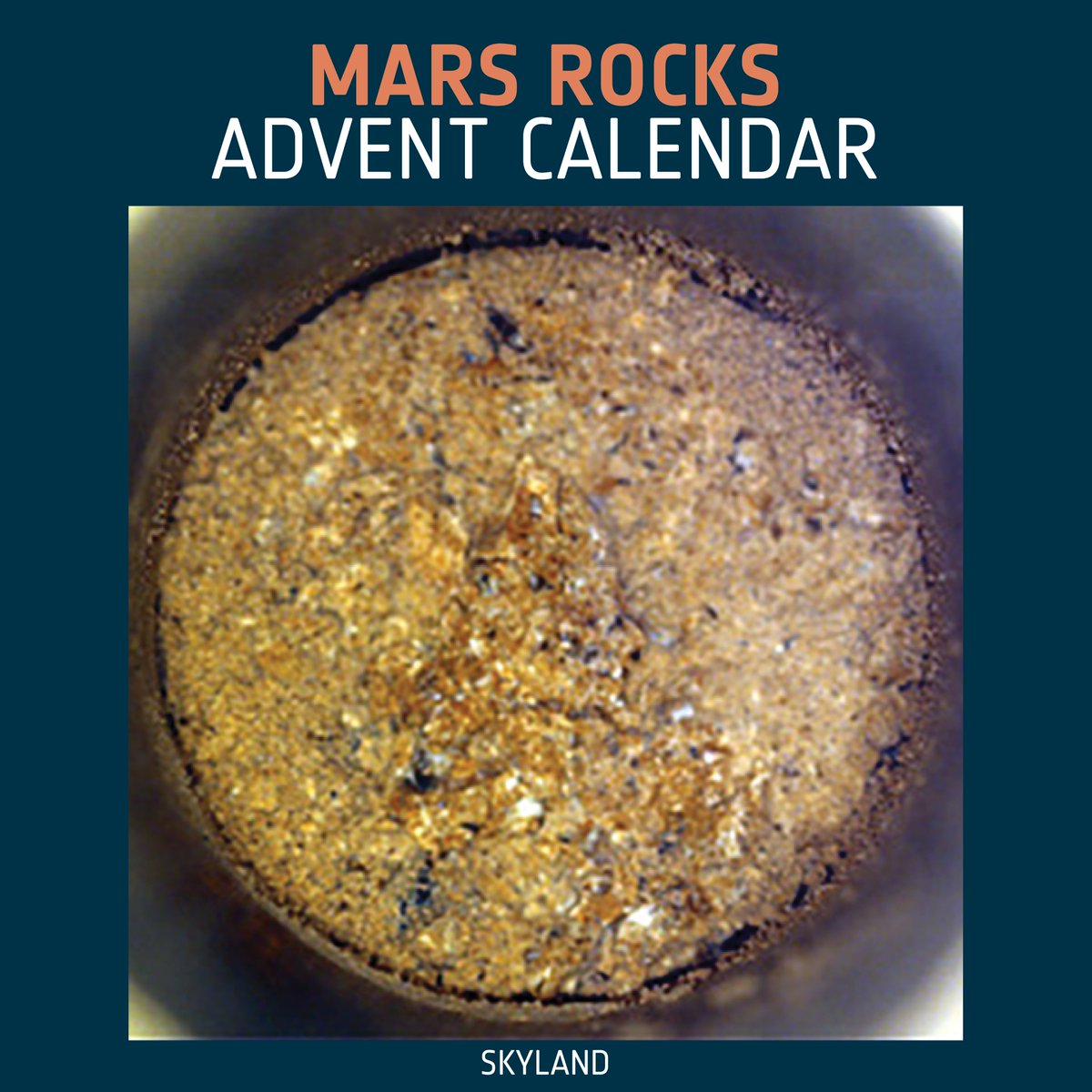
📅 Day 11: Skyland.
🔴 This sedimentary sample is the pair of Swift Run, and also exhibits a very strong carbonate signature, suggesting water presence in Mars' Jezero crater.
"Skyland is part of the first depot, ensuring that the mission was already successful at an early stage," explains Mark Sephton, Professor of organic geochemistry at @imperialcollege.
#AdventCalendar #ToMarsAndBack
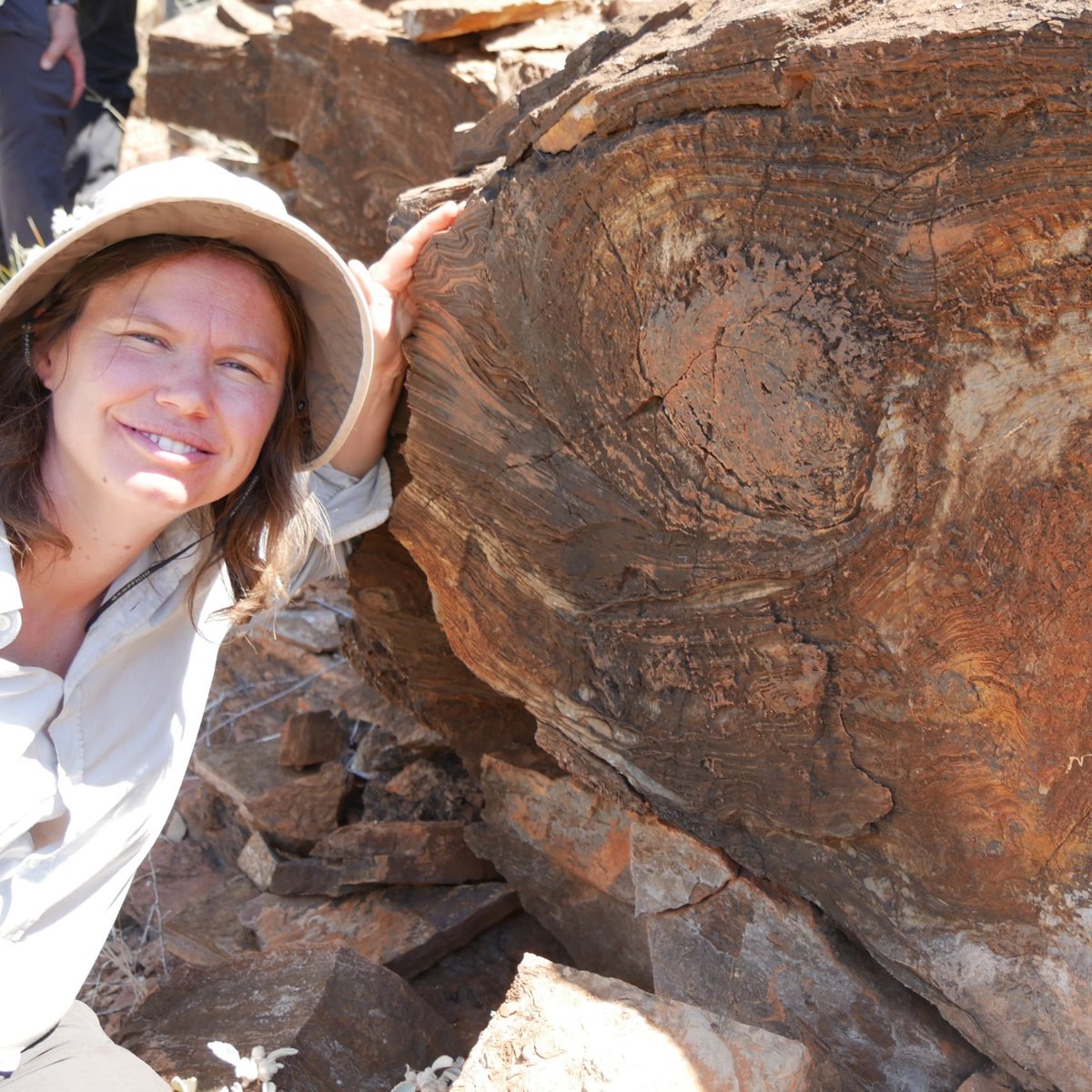
They won’t “be home for Christmas”, well maybe only in our dreams, but we hope to see them eventually. ESA’s advent calendar uses Mars rocks as a countdown. Today was my turn to choose.
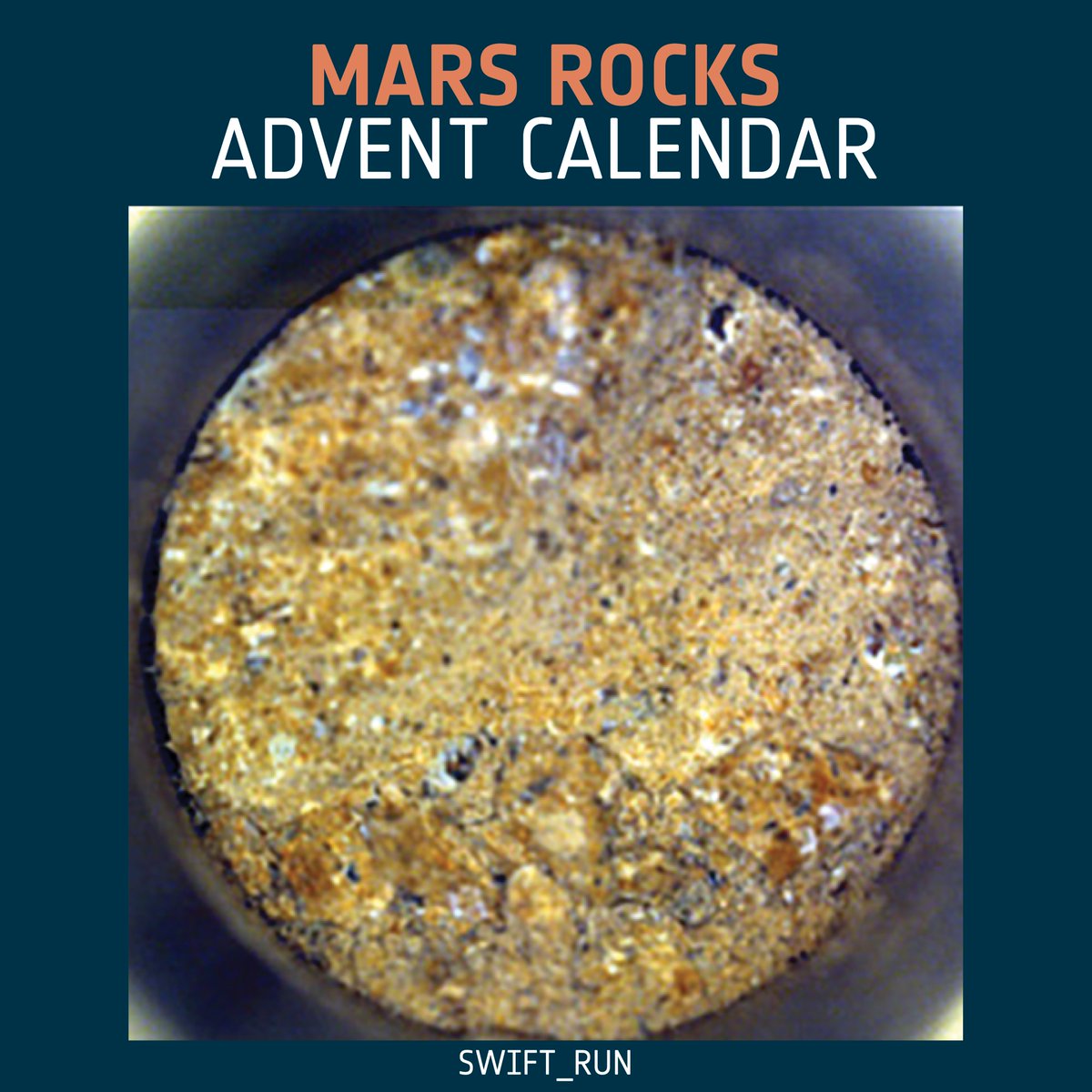
📅 Day 10: Swift Run.
🔴 As the @NASAPersevere rover climbed the ancient river delta, it sparked excitement for our martian Sherlock Holmes, Mark Sephton.
"The Swift Run sample, deposited by liquid water, raised the possibility of habitable conditions and sediments in which evidence of life may be entombed," says this Professor of organic geochemistry and one of the European experts in the @NASAMars 2020 science team.
#AdventCalendar #ToMarsAndBack
Bosak et al. report how the Perseverance Mars rover has collected rocks from the base of the fan in Jezero crater that probably pre-date signs of life on Earth. They may have implications for astrobiology when analysed back on Earth.
https://t.co/jgCAirmk3W
Biochar is important to mitigate climate change by carbon removal. Once produced, biochar must be resistant to degradation. A new paper demonstrates that combining FTIR data with modeling is a promising method for assessing biochar stability. https://t.co/GeCBvndpHn
It was an honor to co-chair the Mars Sample Return Temperature and Time Tiger Team. We examined the effects of heating on samples returning from Mars. Our work is published in a mighty 45-page paper in Astrobiology. Thanks to our excellent team. https://t.co/ljqTo3AJKV
The Europa Clipper mission will carry a mass spectrometer called MASPEX. It will investigate Europa’s plumes to reveal the potential for life in the subsurface ocean of Jupiter's icy moon. Read the latest from Waite et al. at the following link: https://t.co/6DCRU6WaYZ
In a new paper, Zorzano et al. that report measurements on present day environments conditions on Mars made by the Perseverance Rover in Jezero Crater. #astrobiology#space#science#research#Mars
https://t.co/CQdtxzIlgr
In a new Mars2020 paper, Weiss et al. describe how natural and laser-induced markings on rover drill cores are used to retain Mars geographic orientation. This stage of Mars Sample Return is now even more like Earth-based field work.
https://t.co/PFQHMxGAow
In a new paper, Siljeström, Czaja et al. describe how sulfate minerals provide a record of fluid alteration of the floor rocks of Jezero crater, Mars https://t.co/s29kT5BAN2
Well done Michael Sims on a new paper that examines evidence of anoxic conditions during deposition of Carboniferous sediments in the UK. https://t.co/tUGFwcXW4h
Atmospheric particles can affect human health. Kalaiarasan et al. have studied environments in London to understand their pollution characteristics. https://t.co/u2PTI2QIuC
Icy moons of the outer solar system are thought to contain subsurface oceans and possible conditions for life. Vance et al. look into the habitability of Jupiter's icy moon Europa and expected future investigations by the Europa Clipper mission.
https://t.co/YohJhzUHJ2