“Money won’t matter in 2036,” claims @elonmusk on the latest episode of The Insider. He tells @zannymb, The Economist’s editor-in-chief, how people will live when AI and robots can do every job and why he expects deflation, not inflation: https://t.co/IQwRnHXAXM
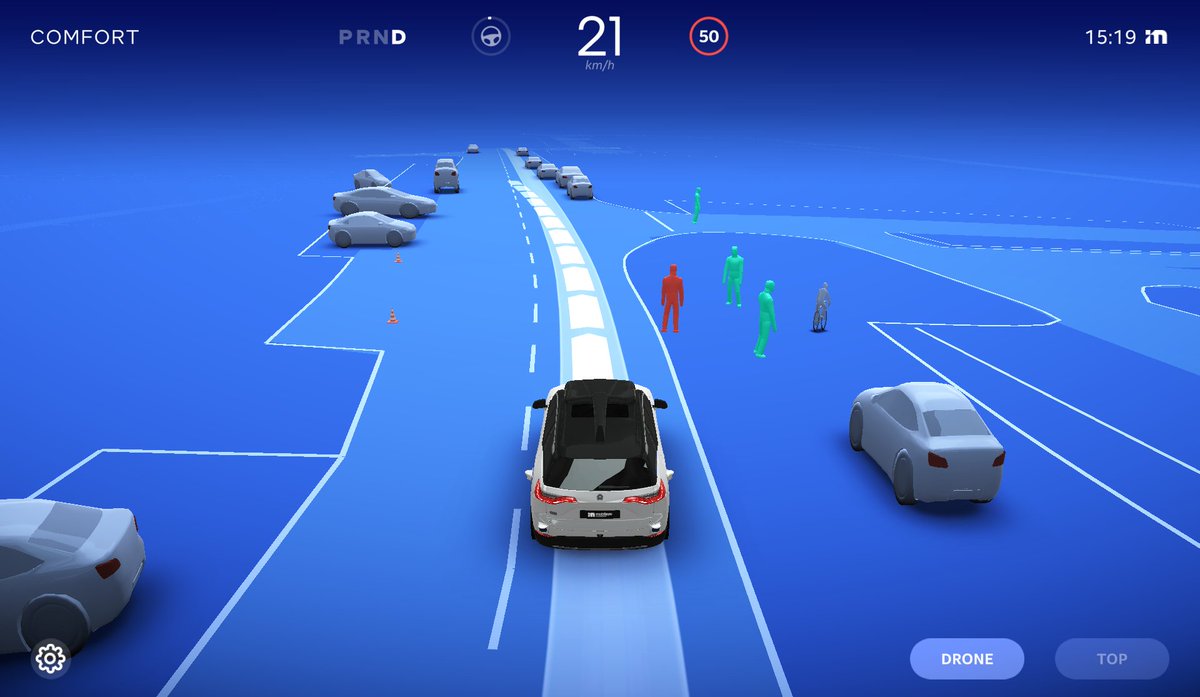
We just published a scientific paper on the safety of autonomous vehicles. What makes this particular paper interesting is that there are non-obvious considerations that evolved over a number of years while building AVs for production.
We started the “safety” journey back in 2017 when @shai_s_shwartz and I focused on the problem of how to guarantee “no lapse of judgment” in AV decision-making resulting in the RSS paper (which later became the core of many standards).
In other words, how to make sure the planning engine balances safety and usefulness with guarantees. At the time, the problem of validating the Planner (aka Driving Policy) was the toughest problem because it is a closed-loop so offline validation is not very useful and any change to the Driving Policy code necessitates revalidating the software online. So it did not make sense to perform validation using the statistical approach of collecting miles driven.
Over the years we focused on other sources of errors which stem from HW and SW failures to “AI bugs” since the Perception engine (fusing cameras and other sensors) is based on machine learning principles.
Simply requiring that the “mean time between failures” will be above some threshold (say, human driving crash statistics) is not sufficient because (i) human driving errors are dominated by illegal activities (like DUI), and (ii) Humans are subject to a “duty of care” principle which means they should avoid taking “unreasonable” risks even if those are very rare.
For example, a baby lying on the highway is an extremely rare event and might not appear in any validation set, yet a Human driver will take action to prevent a collision because this event constitutes an “unreasonable risk”.
In our latest paper, we combine both miles driven and the notion of unreasonable risk into a theoretical framework while also tackling the “fusion” problem in a novel manner. Read it here: https://t.co/GmMBuS6vDE
@Mobileye
Huge news: Revolut is piloting a new standalone investment app in Greece, Denmark and the Czech Republic.
From the images it looks very slick and will include loads of functionality - including leveraged trading and an AI robot advisor.
Currently available on iOS store.
The more one-dimensional your focus, the more other areas of life suffer. It's like the four burners theory: turning up one burner risks others burning out. Excellence in one area can lead to misery in others.
https://t.co/BF6vDJVKk8 https://t.co/IAQhvxM5Ri
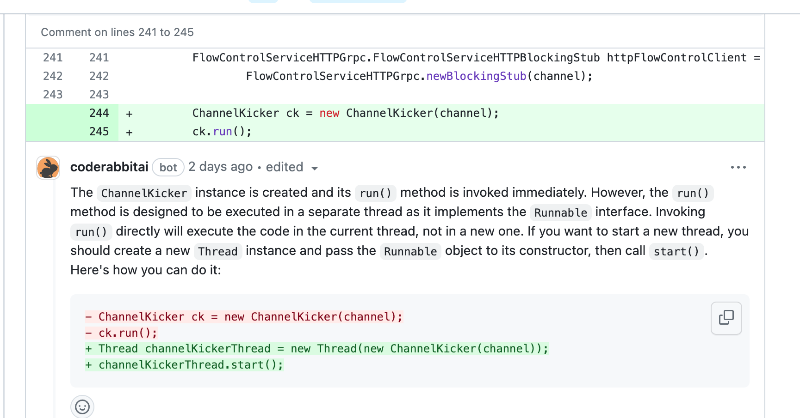
The recent changes to VSCode for .NET developers are a perfect example of enshitification.
To learn more about what this means and why companies do it, see this post by Cory:
https://t.co/EWkyRLFSCm
We must be proactive in addressing the risks of generative AI while embracing its potential. It's our responsibility to steer its development in a direction that benefits everyone. Something like handling "a knife so sharp you don'…https://t.co/gMiJ3Sv3JW https://t.co/sxex9w4wIh
Technological innovation is happening at such a rapid pace that it is difficult to keep up (exponentially increased difficulty coming up just round the corner).
However, it encourages continued innovation and progress in the tech industry or the upcomin…https://t.co/SJaNSmBgmA
I really was appalled at Trudeau's words & conduct around COVID safety a few weeks ago.
Not sure if he's ever been accused of understanding science or even being smart. But he *used* to get good advice, and for a politician that's good enough, IMO.
https://t.co/GkpzRodf6X
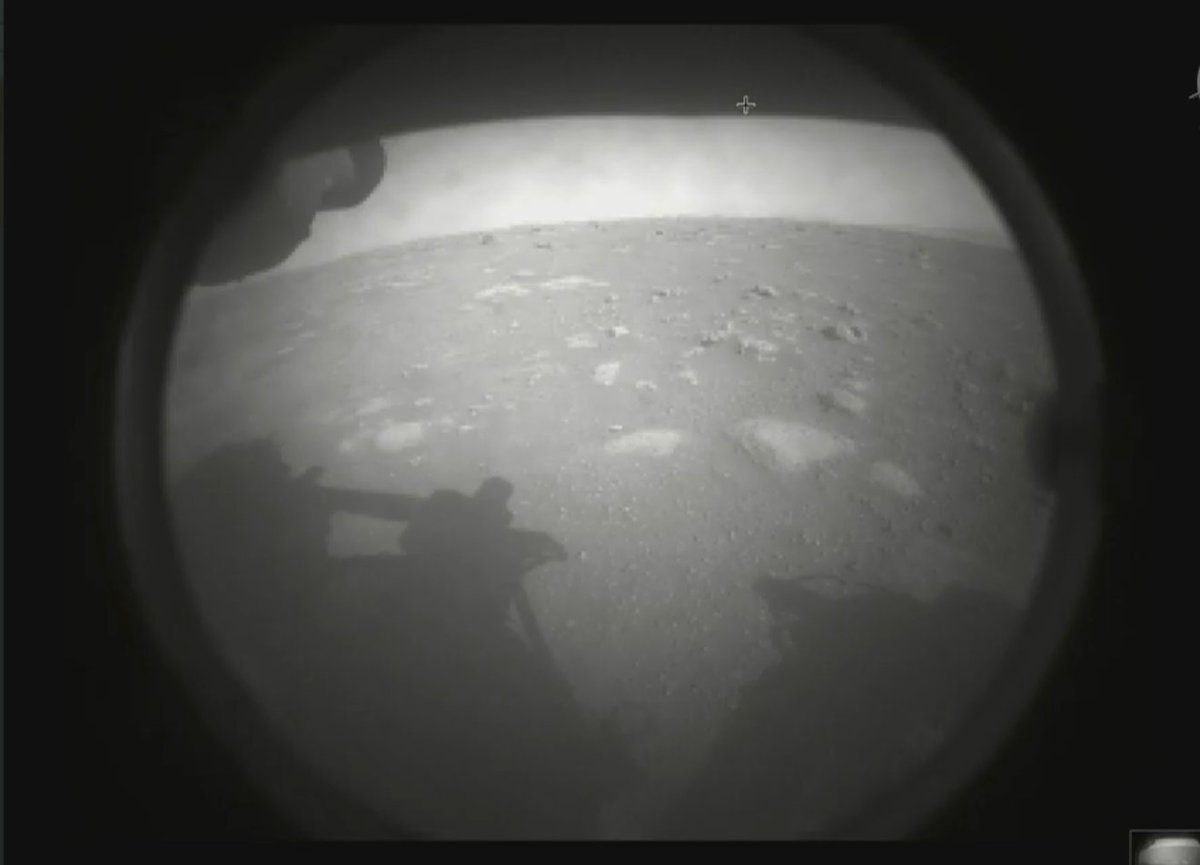
Mars from the air is amazing.
These images were taken by #Ingenuity on July 5, 2021 (sol 133), during the #MarsHelicopter's 9th flight on Mars. Check out those amazing rover tracks and rock formations!
📸: NASA/JPL-Caltech
A year ago I called for governments, companies & citizens to come together to protect the web as a force for good.
Today, we launch the Contract for the Web — the first global plan of action to build the #WebWeWant.
Join us. @webfoundation#IGF2019
https://t.co/CeLuSzKtqB