Working on building the lessons and content right now. Coming along, but a lot of info to get right and then the UI/UX of the quizzes is another to-do item
Really rethinking this design and thinking I bit off more I should chew right now. Going back to the complete basics
Simple learning rewards building. Your village shows how much you have learned. No economies, nothing. Just how fun and engaging can I make the lessons, that's the goal for now
@mannay I'm inspired lol. Never been good at drawing but maybe I can put some janky doodles together. They look sweet though, like some cool comic or cartoon vibes
Here's what the UI/game in general looks like right now... still not polished but good enough and I am going to start focusing on gameplay, mechanics, and most importantly, the lessons!
This is what a village can look like!
Pretty simple but the idea is you pass lessons, earn money, and build your village!
Within your village, you can invest or take loans to expand quicker, but that's about it.
Make it exist first, then make it good.
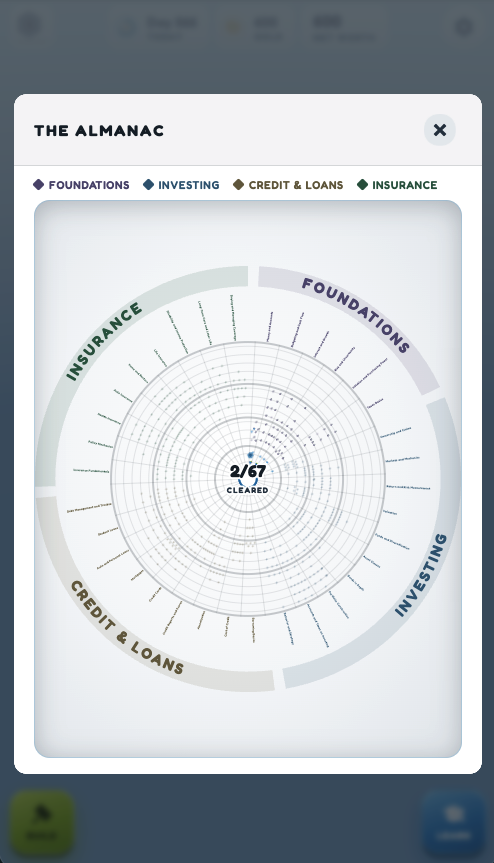
Here is the topics map!
Thinking of making it look more like the floating islands that the game is centered around, but it's a start for now.
The topics are also basic to start, but will expand.
I'm redesigning the learning game into a mobile experience, and figured I'd document progress here.
Financial literacy should be fun, and hopefully we get there with this... to Fortune Valley!
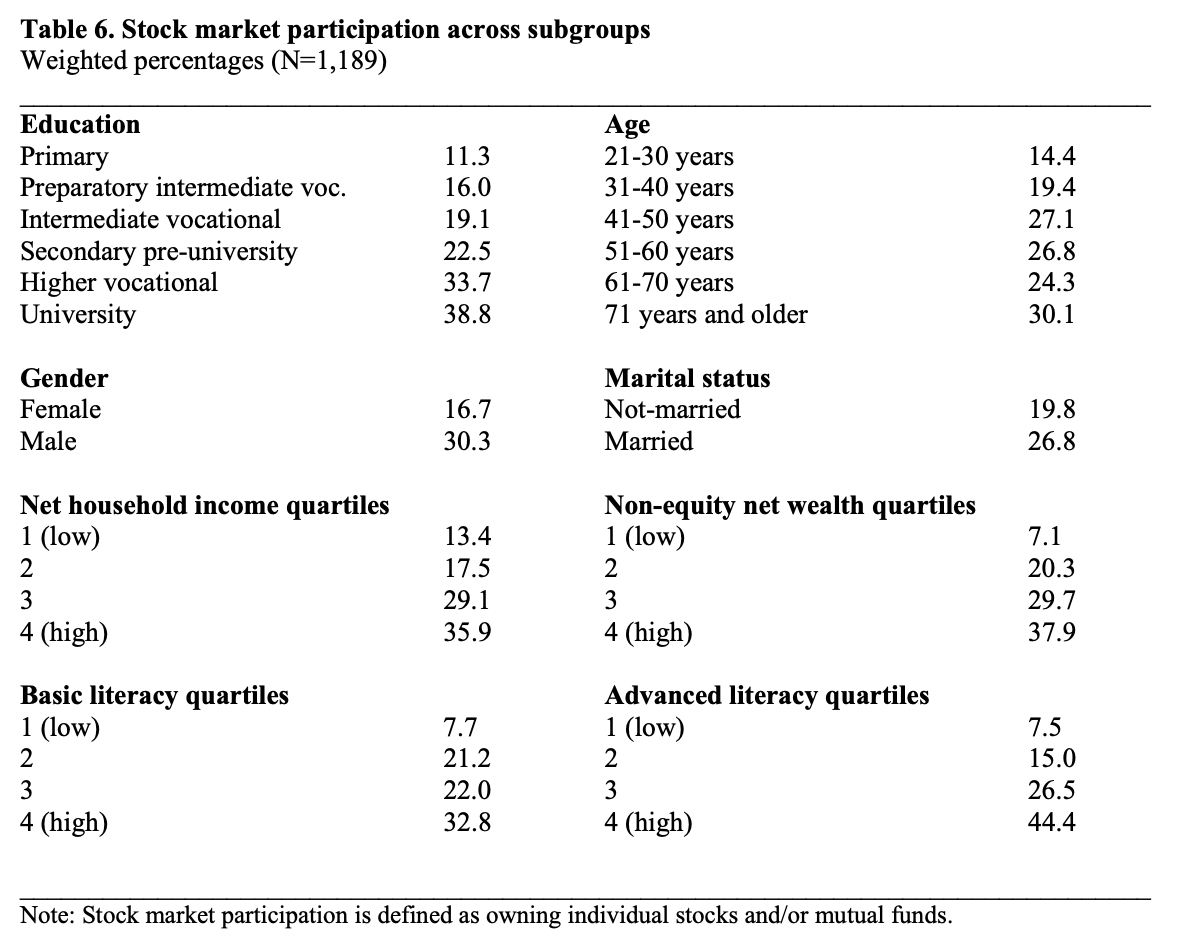
van Rooij et al. (2011) find that "financial literacy affects financial decision-making: Those with low literacy are much less likely to invest in stocks." Read more here:
https://t.co/E2lMNbpcWb
Moving from the bottom to the top quartile of financial knowledge increases stock market participation by nearly 6x.
The ability to save, invest, and compound earnings is reserved for those who have the knowledge of the opportunity itself.
Great read! You strike a seemingly common experience of AI replacing the struggle of learning, especially in school, right on the head.
You mention how video games are great for instant feedback, and I agree. Gonna be interesting to see how world building/immersive environments change individual learning moving forward.
@ItaiYanai Yes. If answers are now cheap, education must shift from recall to question formation. Best way to do it is by providing experiences to learn from and develop your own questions along the way. Learn by doing.
@zarazhangrui This is especially true for financial literacy.
You don��t learn money by studying money, you learn it by budgeting, investing, making mistakes, and asking questions after.
Action creates the real understanding.
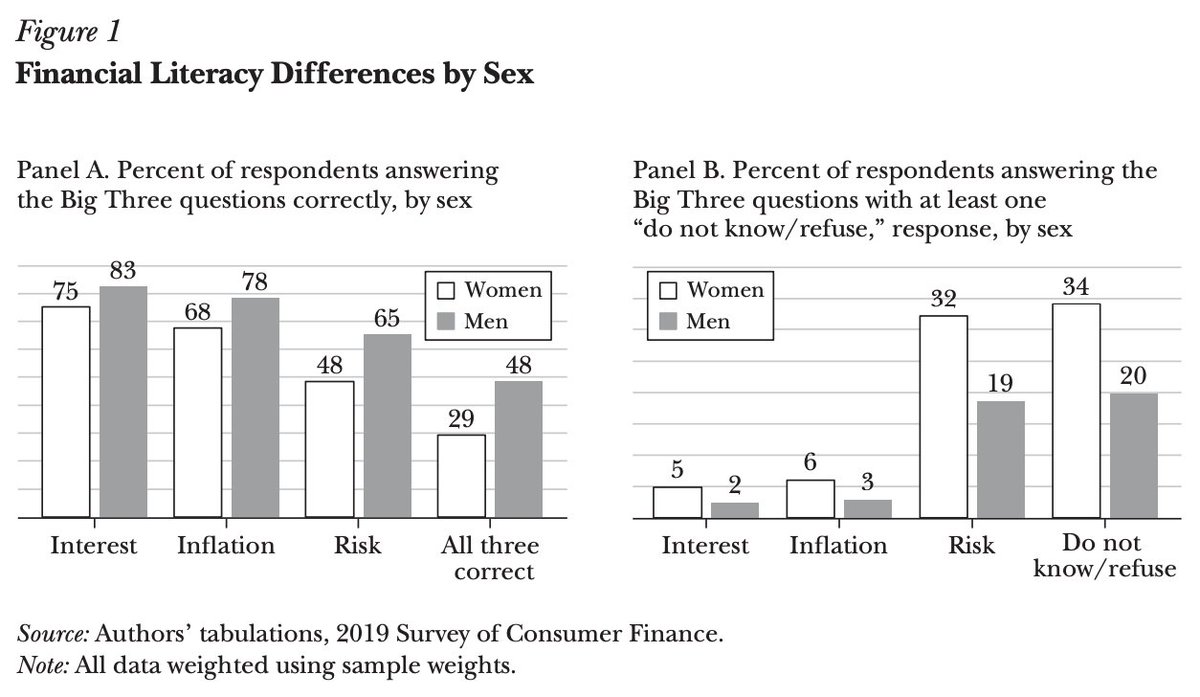
Only 43% of Americans can answer all 3 big financial literacy questions questions (2013).
1. Suppose you had $100 in a savings account and the interest rate was 2% per year. After 5 years, how much do you think you would have in the account if you left the money to grow?
( More than $102 | Exactly $102 | Less than | $102 | Do not know | Refuse to answer )
2. Imagine that the interest rate on your savings account was 1% per year and inflation was 2% per year. After 1 year, how much would you be able to buy with the money in this account?
( More than today | Exactly the same | Less than today | Do not know | Refuse to answer )
3. Please tell me whether this statement is true or false. “Buying a single company’s stock usually provides a safer return than a stock mutual fund.”
( True | False | Do not know | Refuse to answer )
Additional breakdowns of the responses from 2013 respondents can be found in the figures below.
"Do first learn later" could be a solution to the problem of students using AI for everything
Why should students grind worksheets without a goal directly in sight when AI can answer anything and you can go back to having fun?
Goals bring agency to the learning process. Something now lost with AI
@patrickjenkins_@FT Would love to see some commentary on how personal finance education helps with the very real concerns expressed in the article below
https://t.co/0NqMXvOXvu