@DanNeidle@shakygobbo1981 Also SEIS/EIS schemes allow this loss crediting to CGT/IT, thus HMRC has the processes in place already to implement it more widely.
@StevenSalzberg1@simonmaechling I only read "following" where I get a feed curated by me, of sources such as yourself, that I value reading. That largely frees you from the algorithm's dross. I'll miss your input if you leave, try ignoring the "for you" stream if you haven't tried already.
@Dowellenough@JohnFingleton1 Yes and it caused a tsunami. BTW a 3.3 is like a lorry driving past your house. UK nuclear power stations are designed for at least a 7.1 (1000x stronger). My point is scale matters e.g. a grain of rice or anvil dropping on you.
Happy to report that our @richardmleggett MARTi (Metagenome Analysis in Real Time) paper is published. We find it a useful front and backend for metagenomics (HPC or laptop). For nanopore it can pipe new reads into analysis and give live graphic results https://t.co/0NSIezliOA
@ACC_IanDS@nathankw@BTP@Emmabarnett@BBCr4today@BBCMoreOrLess The BTP spokesman was clearly suggesting that if there was 10 hours of footage it took 10 hours to watch - but it takes minutes using binomial search. To your point if there are no cameras capturing the bike area (or really badly) then that can also be established quickly.
New BBSRC Transformative Research Technologies grant funded postdoc, combining CRISPR and nanopore sequencing. Based @NHM_Science ideal for a super molecular biologist, with coI @richardmleggett bringing additional nanopore bioinformatics expertise. Apply https://t.co/m1bvixGwAM
NEW PAPER: UKCropDiversity-HPC: A collaborative high-performance computing resource approach for sustainable agriculture and biodiversity conservation. Read open access paper ➡️
https://t.co/KUE7DuLh6j
NEW PAPER: UKCropDiversity-HPC: A collaborative high-performance computing resource approach for sustainable agriculture and biodiversity conservation. Read open access paper ➡️
https://t.co/KUE7DuLh6j
Very happy to see @annaliisalaine's & my article out in @ScienceMagazine today! We reveal that the more a plant species invests in defense, the less potential it has for growth. All made possible by lots of public data & amazing open science contributions! https://t.co/Cs2zdVN1kS
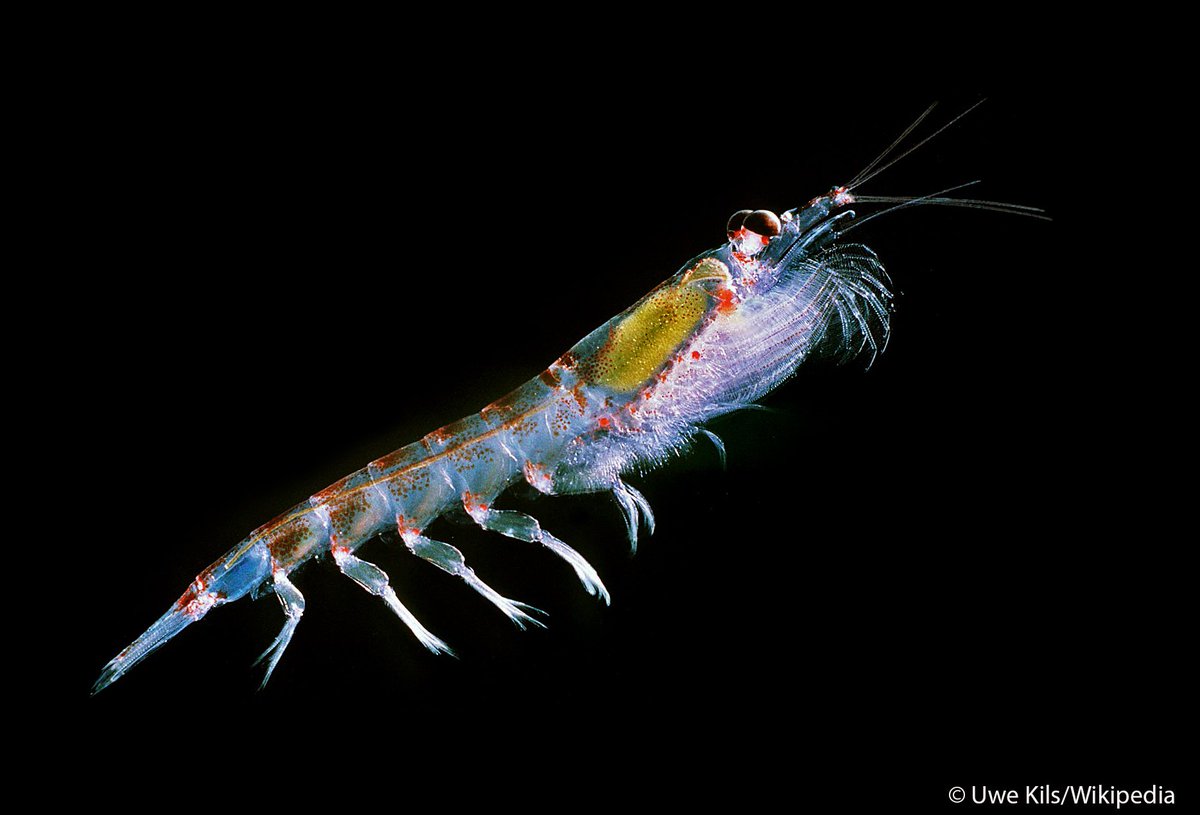
KRILLGUARD is a @NERCscience funded project that uses genome sequencing of krill and comparisons with historic specimens at the Museum to investigate the impact of climate change on this keystone species. @matholomoo with @BAS_News and Uni of East Anglia
https://t.co/QaSxYpxrKt
The code can be found here https://t.co/aUNHVUqmzf, https://t.co/CxrgAsfGLd, https://t.co/jcrKo6ST9C which is ready to go with all dependencies managed by Snakemake. Pease do try it out on your own data and let me know how it goes!
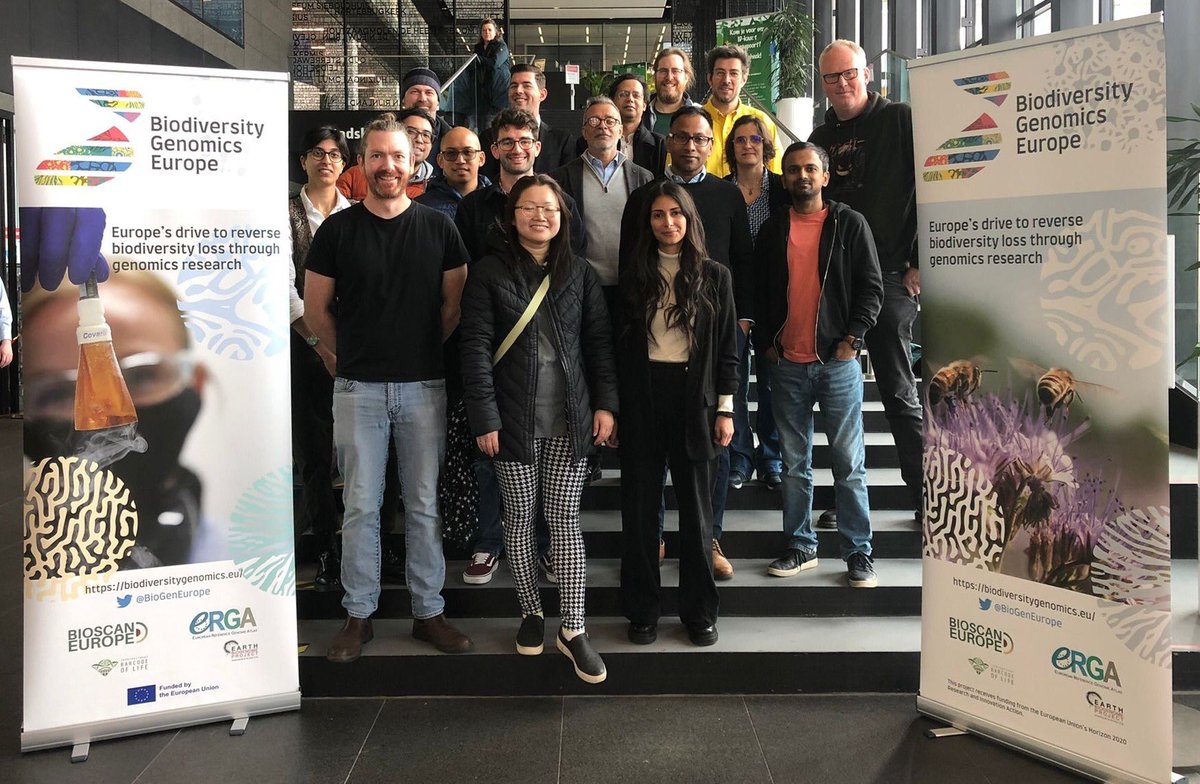
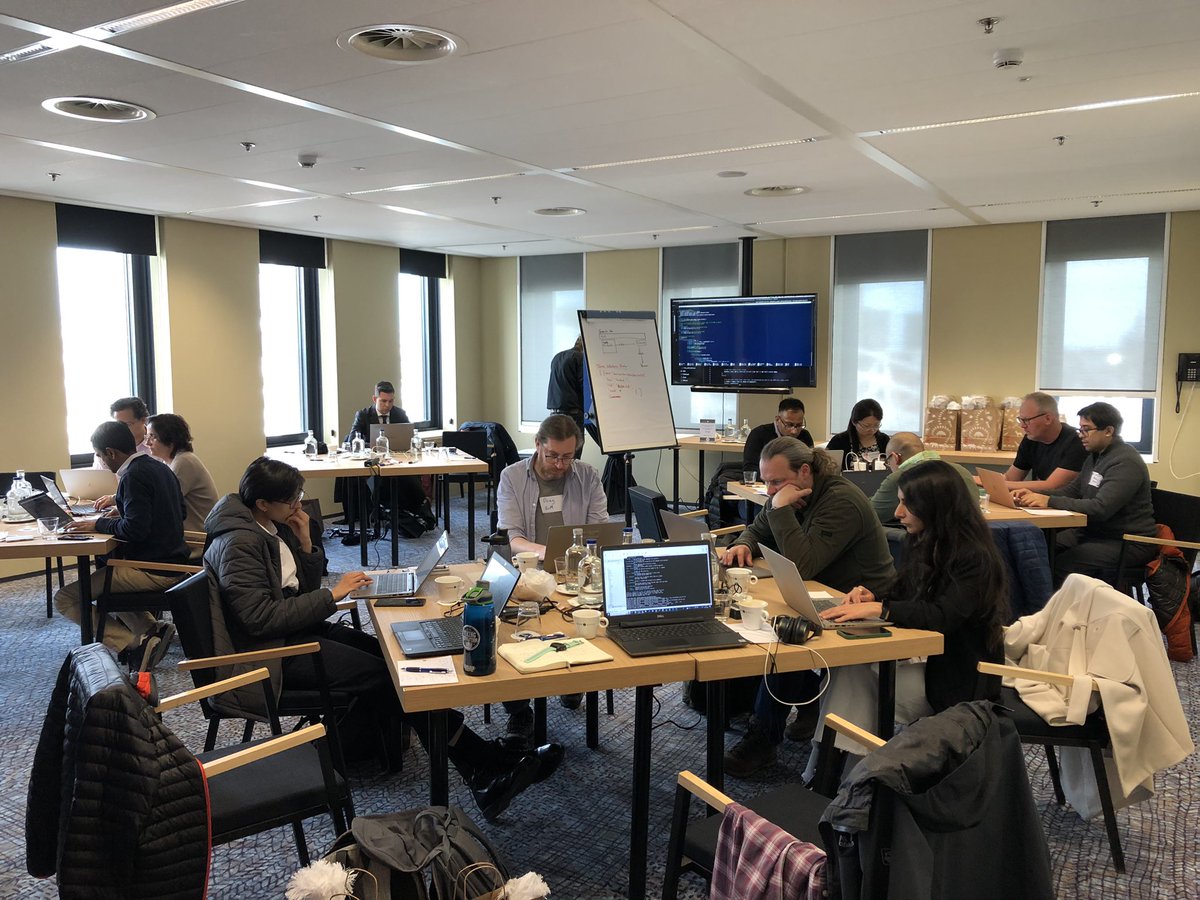
A special thank you to everyone who attended the @BioGenEurope hackathon in Leiden, testing the pipeline to help their efforts to barcode over 30,000 museum collections.
The pipelines perform the batch assembly, annotation and phylogenetic analysis of mitochondrial genomes and nuclear ribosomal genes in a robust and scalable way using snakemake.