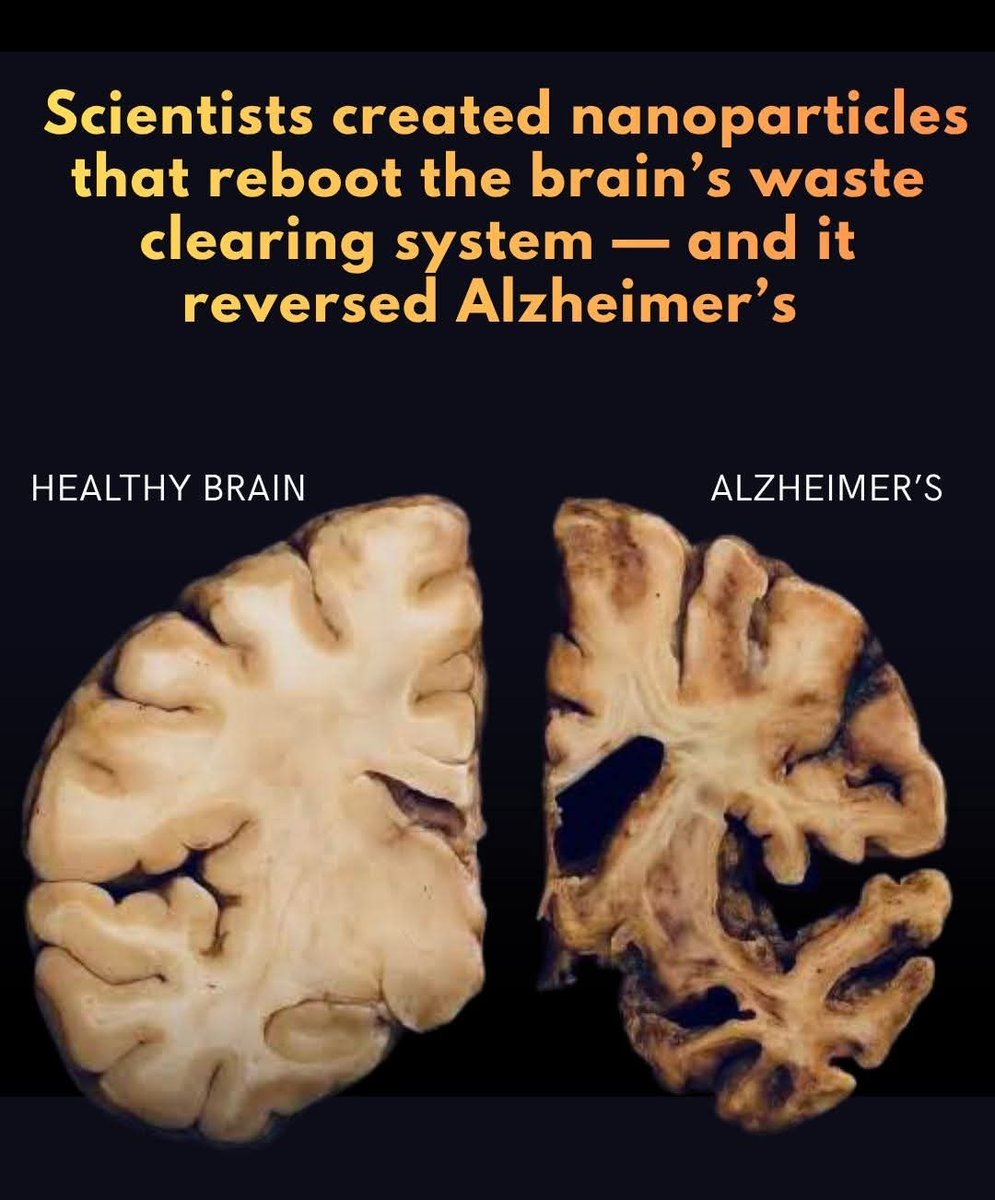
🚨 A new drug stops dementia, restoring the brain’s natural cleanup system.
An international research team led by the Institute for Bioengineering of Catalonia has unveiled a nanotechnology breakthrough that reverses Alzheimer’s symptoms by rebooting the brain’s waste-clearing system.
These "supramolecular drugs" are tiny, engineered particles that repair the blood-brain barrier—the protective shield that often breaks down as dementia progresses. Rather than simply delivering medicine, the nanoparticles themselves act as agents to reset transport proteins, enabling the brain to naturally flush out the toxic amyloid-beta plaques that cause cognitive decline.
The experimental results were staggering: toxic protein levels dropped by up to 60% within just one hour of treatment. In long-term tests, elderly mice equivalent to 90-year-old humans regained the cognitive performance of healthy young adults after receiving just three doses. By shifting the focus from attacking brain plaques to repairing the brain's vascular plumbing, this approach offers a radical new strategy that could potentially move beyond slowing Alzheimer's to actively restoring lost mental function.
source: Chen, J., Battaglia, G., et al. (2026). Nanotechnology Reverses Alzheimer’s in Mice via Blood-Brain Barrier Restoration. Signal Transduction and Targeted Therapy.
Scientists have discovered that the fungus Aspergillus tubingensis, isolated from a landfill in Islamabad, Pakistan, can rapidly break down polyurethane, one of the world’s most durable plastics. This material is widely used in insulation, furniture, footwear, coatings, and synthetic leather, and it typically persists in the environment for hundreds of years.
In laboratory tests, the fungus colonizes the surface of polyurethane films, secreting enzymes that disrupt its chemical bonds. Scanning electron microscopy revealed clear signs of degradation, including cracks, pits, and surface erosion. Within just two months in liquid culture, the plastic films were broken down into smaller fragments, with near-complete degradation observed.
This represents the first reported case of A. tubingensis degrading polyurethane. The process is an example of mycoremediation, the use of fungi to clean up environmental pollutants. Other fungi have also shown the ability to use plastics as a primary food source, even in low-oxygen landfill conditions.
Researchers are now exploring the potential of fungal enzymes for large-scale applications, such as bioreactors, to help address the global plastic waste crisis. If scaled effectively, these biological approaches could offer a practical, low-cost method to reduce the billions of tons of persistent plastic accumulating worldwide.
[Khan, S., et al. (2017). Biodegradation of polyester polyurethane by Aspergillus tubingensis. Environmental Pollution, 225, 469–480. DOI: 10.1016/j.envpol.2017.03.012]
🚨 WHAT IF YOUR BODY COULD REBUILD ITS IMMUNE SYSTEM IN JUST 72 HOURS?
Imagine pressing a reset button on your body's defenses. Scientists discovered that prolonged fasting may trigger a remarkable process where old, damaged immune cells are cleared away and stem cells are activated to help generate new ones.
Even more intriguing, researchers observed changes linked to aging and cellular repair, suggesting the body may have powerful self-renewal abilities hidden beneath the surface.
Could one of the most advanced repair systems already be built into us?
While more research is still needed, this discovery has sparked excitement about how fasting might influence health, recovery, and the aging process.
Source: Longo, V. D., et al. Cell Stem Cell. University of Southern California Longevity Institute.
🩺 Canadian Scientists Build a Rice-Sized Robot That Breaks Kidney Stones — With Almost No Pain
Canadian researchers have developed a tiny magnetic robot—no bigger than a grain of rice—that can travel inside the body and break kidney stones safely, gently, and without surgery.
Instead of shock waves or invasive tools, this mini-robot uses precise magnetic guidance from outside the body. Doctors can steer it through the urinary system in real time, allowing it to reach tight areas normal instruments can’t. Once it reaches the stone, it delivers focused micro-vibrations that shatter it into fine pieces the body can pass naturally.
💡 Why this matters:
◽ Minimal pain
◽ No cuts, no incisions
◽ Faster recovery
◽ Avoids healthy tissue entirely
◽ More precision than traditional treatments
Early tests show patients experience far less discomfort because the robot targets only the stone—and nothing around it. This approach could transform kidney-stone treatment and open the door to a new era of soft, gentle, internal robotic medicine.
If upcoming trials confirm the early success, this tiny device could help millions of people avoid painful procedures every year.
🚨 SCIENTISTS JUST CREATED A MINI PANCREAS THAT MAKES INSULIN ON ITS OWN
What if people with diabetes no longer needed daily insulin injections in the future?
Scientists have now developed a tiny lab-grown “mini pancreas” that can naturally produce insulin just like a real human organ. The bioengineered cells can actually sense rising sugar levels and respond by releasing insulin automatically.
Researchers say this breakthrough could completely change the future of diabetes treatment. While it’s still being tested in laboratories and not yet ready for public use, experts believe this technology may one day help replace damaged organs with living lab-grown tissues.
A future where the body heals itself instead of depending on constant medication may be closer than we think… and this could be one of the biggest medical breakthroughs of our time.
Source:
National Institute of Diabetes and Digestive and Kidney Diseases. Bioartificial pancreas and regenerative medicine research.
May is closing with one of the most captivating celestial events visible to the naked eye. On the night of May 30–31, the second full moon of the month will rise, creating what is known as a Blue Moon.
This will be the first Blue Moon since August 2023, with the next not occurring until December 2028. But this year’s event is especially memorable because it coincides with a beautiful alignment of planets.
As the Blue Moon shines, all four of the brightest planets visible from Earth, Venus, Jupiter, Mars, and Saturn, will also be on display. Before sunrise on May 31, Mars and Saturn will glow low in the eastern sky. After sunset, Venus and Jupiter will shine brightly in the western sky, with the full moon dominating the night.
Despite the name, a Blue Moon is not actually blue in color. The term simply describes the second full moon within a single calendar month. Because the lunar cycle is approximately 29.5 days, two full moons rarely fit inside the same month. On average, a Blue Moon occurs only once every 2.5 years.
The planetary “lineup” is an impressive sight created by perspective. While the planets are separated by hundreds of millions of miles in space, from our viewpoint on Earth they appear to line up across the sky alongside the brilliant Blue Moon.
A perfect opportunity to look up this weekend and enjoy one of nature’s rarest sky shows.
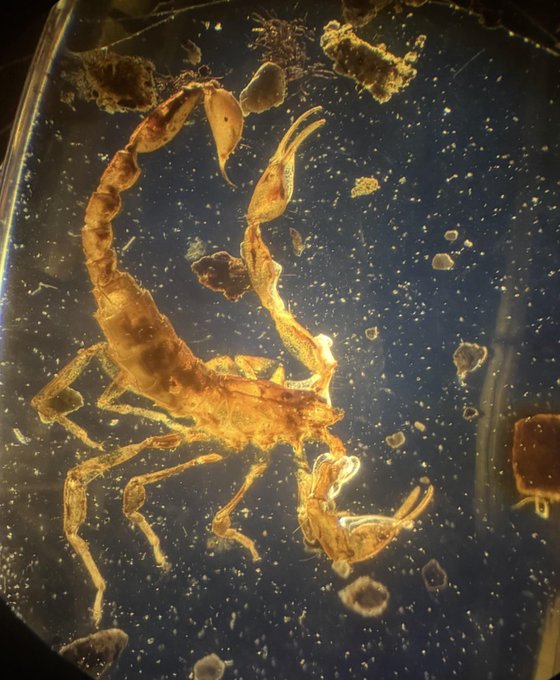
This whole scorpion trapped in 100million year old Burmese amber.
Scorpions trapped in Burmese amber are incredibly rare and highly prized fossil discoveries. These ancient pieces of gemstone come from Myanmar, which used to be called Burma. They show us exactly what life looked like during the age of the dinosaurs.
🧠 What if a simple vitamin could help fight one of the deadliest brain cancers?
Scientists are exploring a powerful new therapy using Vitamin B12 to secretly deliver cancer-fighting treatment directly into brain tumors like glioblastoma. Since tumor cells absorb large amounts of B12, researchers hope to use it as a “Trojan horse” to target cancer while reducing damage to healthy brain tissue.
The research is still in early stages, but the results are already creating excitement around the world. A tiny vitamin may one day help unlock a huge breakthrough in brain cancer treatment.
Source : National Cancer Institute.
🦷 Your Wisdom Teeth May Be More Valuable Than You Think
Scientists discovered that wisdom teeth contain powerful stem cells that may one day help repair the heart, brain, nerves, and bones. Instead of being useless, these teeth could become a future source of life-saving treatments.
Researchers believe the stem cells inside wisdom teeth may help heal damage from strokes, heart attacks, and spinal injuries. The most surprising part? These cells can be stored for years and potentially used later in life.
What we once threw away as medical waste may actually hold the key to future regenerative medicine.
Source:
National Institute of Dental and Craniofacial Research. Stem Cell Research. U.S. Department of Health & Human Services.
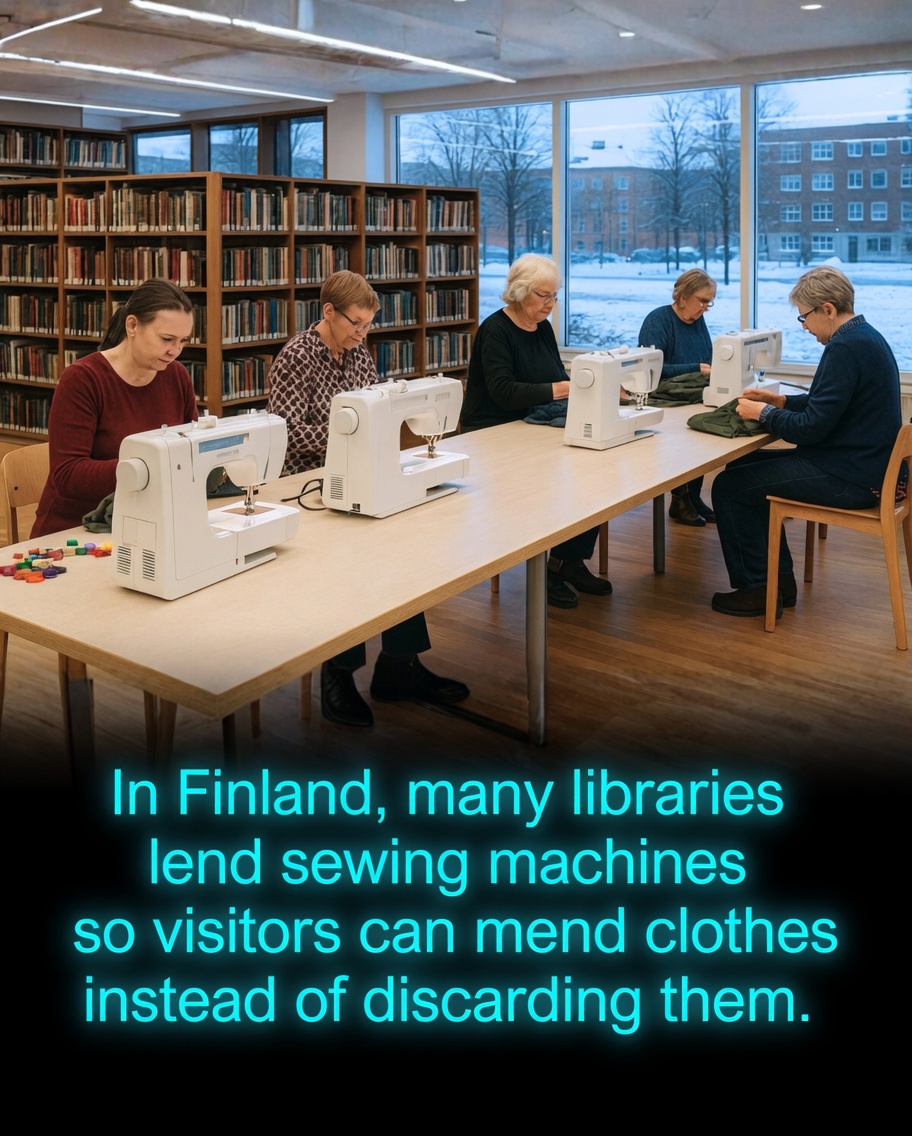
Finnish libraries have evolved far beyond traditional book lending, becoming vibrant community hubs that offer a wide range of practical services.
Many public libraries across Finland now lend sewing machines, 3D printers, and other tools to the public at no cost. Helsinki’s iconic Central Library Oodi, for example, provides access to over 100,000 books alongside sewing machines, recording studios, and digital fabrication equipment.
These services are fully funded by municipalities and protected by law, ensuring everyone, regardless of income, can use them. The initiative reflects Finland’s strong values of equality and sustainability. By lending sewing machines, libraries encourage people to repair their clothes instead of throwing them away, helping to reduce waste and promote a circular economy.
This innovative model highlights how Finnish libraries are redefining themselves as modern centers of community support, creativity, and lifelong learning.
A virus that infects billions of people is being turned into a weapon against cancer.
Herpes simplex virus type 1, best known for causing cold sores, is now being genetically modified into a targeted cancer treatment. Instead of damaging healthy tissue, scientists are reprogramming it to seek out and eliminate tumour cells.
These modified viruses are known as oncolytic viruses. Once they enter a tumour, they multiply until the cancer cell ruptures, effectively destroying it from the inside.
But the process doesn’t stop there. When the cancer cells break apart, they release signals that activate the immune system. This helps the body start recognising cancer as a threat and attacking it throughout the body, including tumours the virus never directly reached.
Early clinical trials have shown encouraging results. In some patients with advanced cancers such as melanoma and other solid tumours, around one in four have responded to treatment. In certain studies, tumours have shrunk in about a third of patients, and in a smaller number of cases, the cancer has disappeared entirely. These results are particularly significant for people who had already exhausted standard treatment options.
Side effects have generally been mild to moderate, most commonly flu-like symptoms such as fatigue and fever. Larger phase 3 trials are now underway to better understand how effective and widely applicable the therapy may be.
Although still in its early stages, this approach represents a new direction in cancer treatment. A once-feared virus is being reshaped into a precise tool that helps the immune system do what it is designed to do.
Learn more
Genetically modified herpes virus delivers one two punch against advanced cancers ICR
Denmark has introduced a wonderful initiative that converts old buses into mobile grocery stores, specially designed to serve elderly residents in rural and remote areas.
These repurposed buses are fully equipped with wheelchair ramps, heating and air-conditioning systems, refrigerators, and shelves stocked with fresh local produce, dairy, and baked goods. They follow fixed routes and schedules, bringing essential groceries directly to seniors who may find it difficult to travel to regular supermarkets.
Beyond providing practical access to food, the service helps older adults maintain their independence while offering valuable social interaction for those who might otherwise feel isolated. The mobile stores have become a thoughtful and effective solution for supporting aging communities.
A los 30 años, borracho y sin trabajo, me senté en el borde de la cama y pensé: "Anthony, no puedes seguir así".
Había llegado a Londres desde Gales con un sueño: ser actor. Pero el sueño se convirtió en pesadilla. El alcohol me controlaba. Perdía papeles, mi mujer me dejó, mis amigos me abandonaron. Pasaba los días en bares oscuros y las noches en camerinos vacíos.
Una noche, en 1967, entré en una reunión de Alcohólicos Anónimos. Tenía miedo. No del alcohol, sino de mí mismo. De la debilidad que sentía al pedir ayuda.
No bebí un solo trago en 57 años.
Después llegó la sobriedad. Y con ella, el trabajo. "El hombre elefante", "Los restos del día", "El Silencio de los Corderos... un Oscar y muchos premios. Una carrera que todavía hoy continúa.
Pero la fama no curó las heridas. Tuve que aprender a vivir conmigo mismo a aceptar mi pasado y a perdonarme.
Hace unos años, durante la pandemia, grabé un video que se hizo viral. Hablaba de no rendirse. Hablaba de la vejez, de la soledad, del valor de seguir adelante. No lo hice por fama. Lo hice porque aquel chico de 30 años necesitaba oír esas palabras.
Si hoy te sientes perdido, si el alcohol o cualquier otra droga te está destruyendo, pide ayuda. Yo lo hice. Y aquí estoy, medio siglo después, sobrio y contándotelo.
No hay vergüenza en caer. La hay en no levantarse.
Anthony Hopkins🇬🇧
A Japanese company hired 11 full-time office cats to reduce workplace stress, and it’s working.
Tokyo-based Qnote Inc. first adopted a cat in 2004 and has since grown its feline staff to 11 permanent office residents. Employees say the cats boost morale, encourage short breaks, and create a much more relaxed and pleasant work environment.
Each cat even has an official job title, such as “office clerk,” “manager,” or “auditor”, making them fully integrated into the company culture. The company loves cats so much that “cat lover” is now listed as a requirement for human job applicants.
To accommodate its furry employees, Qnote renovated the office with 12 cat toilets, climbing shelves, and scratch-resistant walls, allowing the cats to roam freely without causing damage. The result? Lower stress levels and stronger team bonding among staff.
A purr-fect workplace solution.
According to recent studies in biomechanics and neuroscience, cats are nearly flawless examples of biological engineering. From their precision movements to their unique balance and energy efficiency, scientists call cats “nature’s perfect predators.”
A cat’s muscles and skeletal structure allow it to jump six times its body length, land silently, and always stay upright due to an inner-ear reflex called the “righting reflex.” Their night vision surpasses humans by sixfold, while their whiskers detect even the faintest air movements, helping them navigate in complete darkness.
Even their purring serves a purpose — the vibration frequency (25–150 Hz) stimulates tissue regeneration and bone healing, which might explain why cats recover from injuries faster than many animals. Their compact efficiency and self-sustaining hunting instincts have made them evolutionary masterpieces.
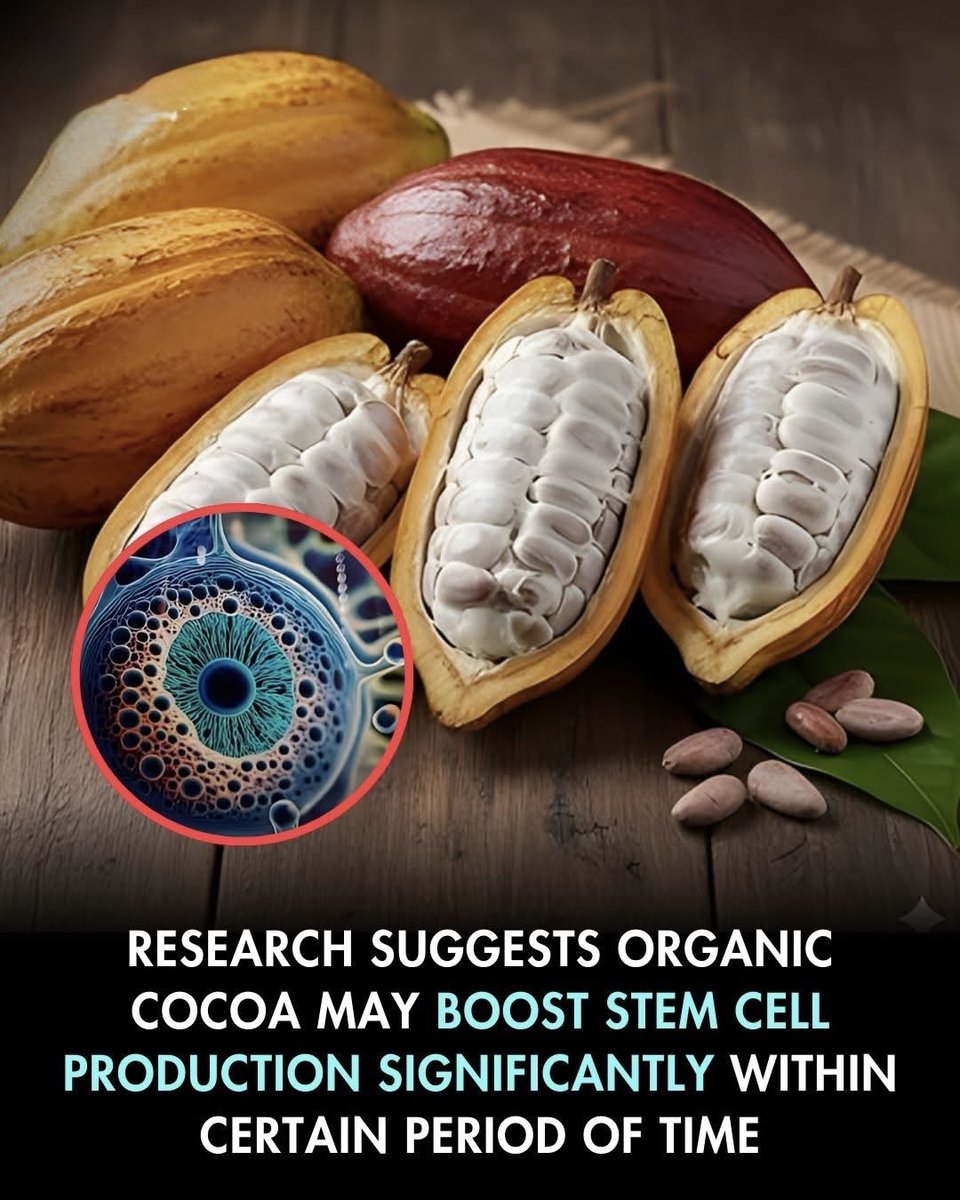
🚨 Chocolate May Hack Your Body’s Healing Powers!
What if the chocolate you love secretly supercharged your cells—making your body repair itself faster than you ever imagined? Early research shows that compounds in organic cocoa could trigger your stem cells, the hidden repair crew inside you that fixes damage and keeps you alive and strong.
This isn’t a fantasy—tiny molecules in chocolate might be whispering to your cells, telling them to wake up, regenerate, and fight off wear and tear. Could every bite of chocolate actually be a secret boost for your body’s own healing system?
The science is new. The results are shocking. And the possibility… could change the way you look at chocolate forever
Cultivating healthy self-esteem in early childhood can start with a simple nighttime routine. Encouraging toddlers to reflect on their small daily wins helps them focus on their own efforts and builds intrinsic motivation, rather than relying on constant praise.
Child psychologists suggest that this habit strengthens the brain pathways linked to self-worth and emotional resilience. When children regularly recognize their own value, they become better prepared to handle academic challenges and social situations as they grow.
This calm reflection at bedtime also helps the body unwind after a busy day, supporting deeper sleep and a more balanced emotional state the next morning.
Over time, children begin to internalize their achievements, turning everyday moments into lasting confidence. They learn to self-soothe and approach challenges with a steady, positive mindset.
Creating these small, intentional moments each night is a powerful way to support lifelong emotional strength and self-belief.
Only in Japan.
Without the station, she would have faced a grueling hour-long walk just to reach the nearest express train.
In rural Hokkaido, Japan, the small Kyu-Shirataki Station gained worldwide attention for an extraordinary act of compassion. The station was slated for permanent closure due to declining passenger numbers — until officials discovered that a single high school student depended on it to get to school every day.
In response, Japan Railways made a heartfelt decision: they kept the station open exclusively for her. They adjusted the timetable so trains stopped only a few times a day — just enough to match her school schedule. There were only four trains daily (two in the morning and two in the evening), and only two of them aligned with her classes, often forcing her to rush to catch the last train home.
The station remained operational until March 2016, when the student graduated. Its closure marked the end of a touching chapter — a rare example of public infrastructure being maintained not for profit or efficiency, but purely for the sake of one young girl.


![Rainmaker1973's tweet photo. Scientists have discovered that the fungus Aspergillus tubingensis, isolated from a landfill in Islamabad, Pakistan, can rapidly break down polyurethane, one of the world’s most durable plastics. This material is widely used in insulation, furniture, footwear, coatings, and synthetic leather, and it typically persists in the environment for hundreds of years.
In laboratory tests, the fungus colonizes the surface of polyurethane films, secreting enzymes that disrupt its chemical bonds. Scanning electron microscopy revealed clear signs of degradation, including cracks, pits, and surface erosion. Within just two months in liquid culture, the plastic films were broken down into smaller fragments, with near-complete degradation observed.
This represents the first reported case of A. tubingensis degrading polyurethane. The process is an example of mycoremediation, the use of fungi to clean up environmental pollutants. Other fungi have also shown the ability to use plastics as a primary food source, even in low-oxygen landfill conditions.
Researchers are now exploring the potential of fungal enzymes for large-scale applications, such as bioreactors, to help address the global plastic waste crisis. If scaled effectively, these biological approaches could offer a practical, low-cost method to reduce the billions of tons of persistent plastic accumulating worldwide.
[Khan, S., et al. (2017). Biodegradation of polyester polyurethane by Aspergillus tubingensis. Environmental Pollution, 225, 469–480. DOI: 10.1016/j.envpol.2017.03.012]](https://pbs.twimg.com/media/HJurGt2XAAEXzYg.jpg)