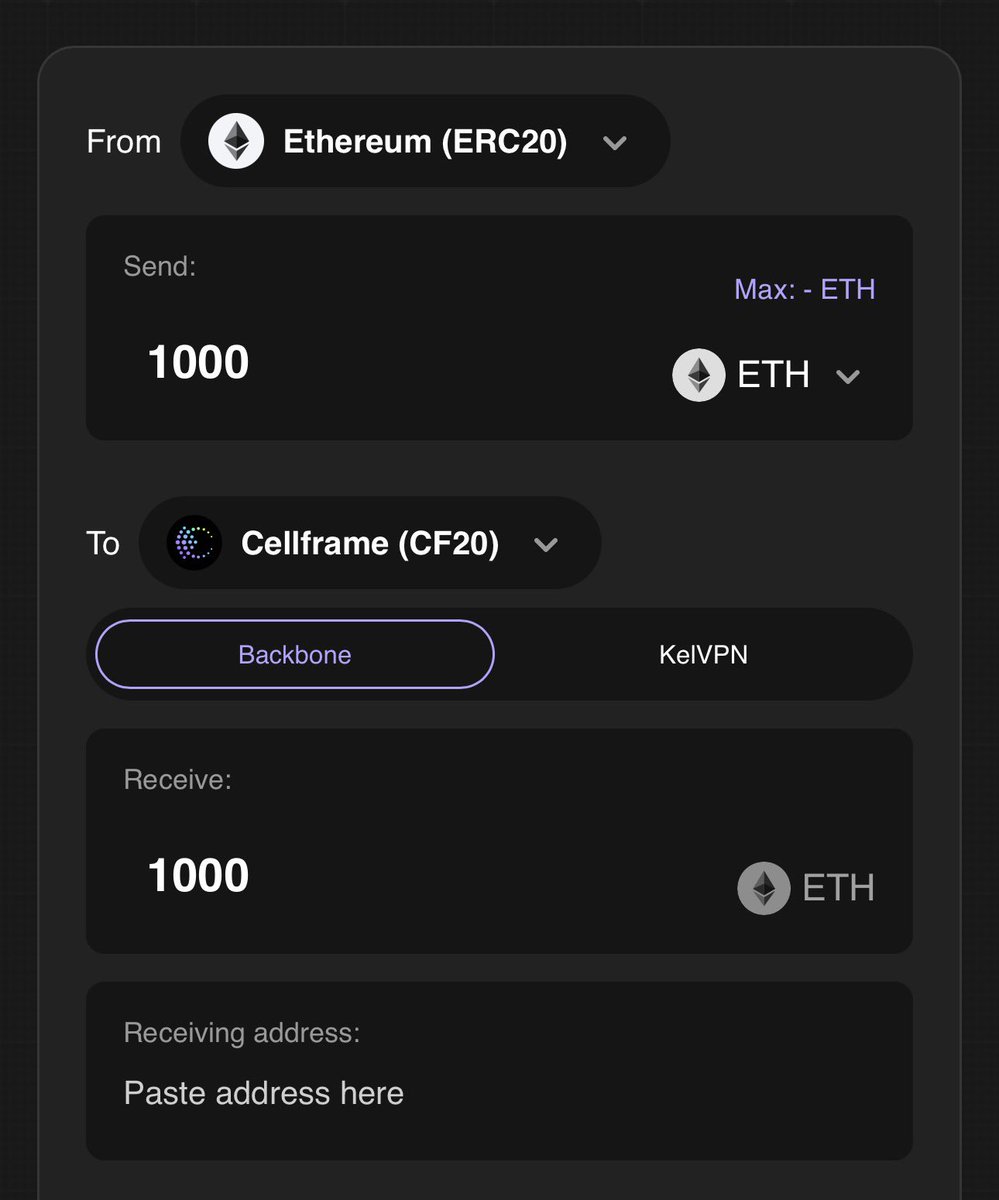
✨ Great news! The cBTC project — a quantum‑resistant hedge for Bitcoin on the Cellframe platform — is gaining momentum.
New details are now available on the project website: https://t.co/kJi3QzgGYD. Here we’ll briefly highlight the main points.
Bitcoin is only preparing for the post‑quantum transition, but Cellframe is already running quantum‑resistant cryptography here and now. For those who want to be confident in the security of their funds, we offer a solution built on Cellframe. cBTC is a 1:1 backed copy of your Bitcoin in a quantum‑safe environment.
• How it will work?
You transfer Bitcoin via a bridge into a shared quantum‑resistant pool on the Bitcoin protocol – and receive cBTC 1:1 on Cellframe. Your Bitcoin become the collateral, and cBTC becomes your protected asset.
No matter how Bitcoin’s future unfolds, cBTC holders stay ahead:
— If Bitcoin fails to upgrade before Q‑day, your funds are already in a quantum‑safe hedge.
— If Bitcoin upgrades to PQC, its throughput will drop by 60–70%, while Cellframe maintains full performance – making cBTC a natural high‑speed L2 for Bitcoin liquidity.
And as long as the quantum threat hasn’t become reality yet, you retain maximum flexibility: the bridge will allow you to return to your original Bitcoin at any moment.
You are not locked into the new asset. cBTC is a safe haven for Bitcoin – with transparent backing and a reversible exit.
👉 Go to https://t.co/kJi3QzgGYD and learn all the details.
#cellframe #cBTC #pqc #post_quantum
Continuing to share the outcomes from the Blockchain Forum in Moscow! 🩶
One of the key values of the forum was not only the talks and panel discussions, but also direct professional networking. It is exactly these kinds of conversations that open up new opportunities, and today we’re ready to share one of the results of that networking.
During a discussion with representatives from the banking sector, we explored potential use cases for the Cellframe blockchain infrastructure as a foundation for a possible BRICS countries’ payment system.
✨ BRICS (Brazil, Russia, India, China, South Africa) is an association of emerging economies created to expand economic, technological, and financial cooperation between its members. Under the rotating presidency system, India is coordinating the BRICS agenda in 2026, taking over from Brazil. This year’s BRICS summit will take place on September 12–13 in New Delhi.
One of the most actively discussed areas within the group is the development of independent infrastructure for cross-border settlements between member countries. Such infrastructure could significantly improve the efficiency of mutual payments and reduce reliance on traditional global financial channels. Various technological approaches are being considered for this purpose, with blockchain platforms among the leading options. In this context, the Cellframe platform could potentially become one of the candidates.
We are currently preparing materials and working on the submission format in order to present our solution to relevant BRICS stakeholders. The application is expected to be submitted via the Indian side, as the current chair of the group.
This is an important and responsible step for our team. Potential participation in infrastructure at this level opens up significant opportunities — both in terms of scaling the technology and its real-world application in the global economy.
At the same time, we remain grounded: there is a serious selection process ahead, and at this stage we are speaking only about entering the “long list”, with a potentially long path ahead. What matters most is that the process has already begun, and we will continue to share updates as it develops.
Stay with us so you don’t miss what comes next!
#partnership_cellframe #Cellframe #BRICS
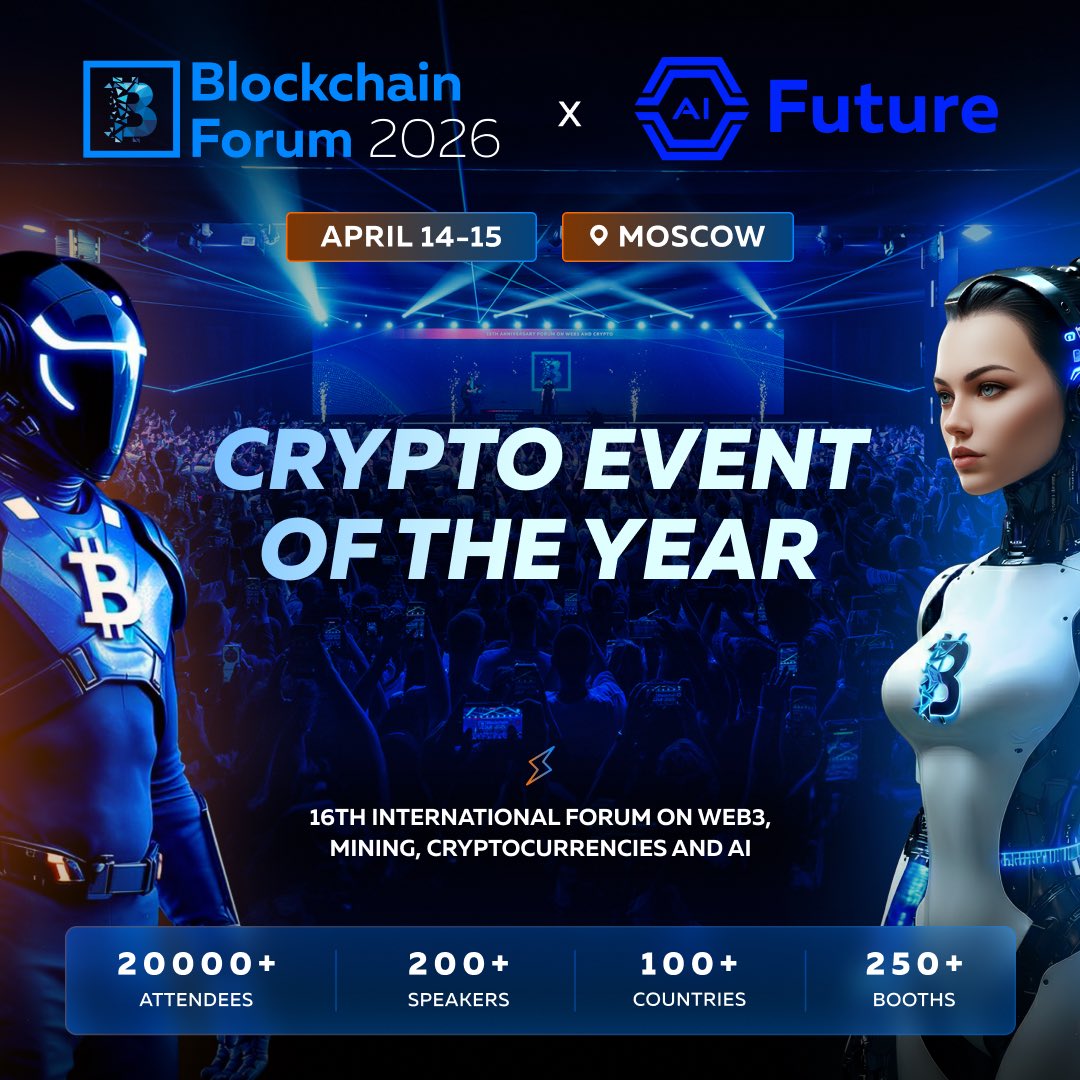
The future of blockchain begins at Blockchain Forum!
Blockchain Forum 2026 – the 16th international forum on Web3, cryptocurrencies, and AI – is launching very soon! Join us on April 14–15 in Moscow!
• Insights from experts on the future of the crypto market and Web3 technologies.
• Panel discussions with top-tier invited speakers.
• Trends and innovations in mining, DeFi, AI, and crypto security in 2026.
• The largest networking platform with industry leaders, government representatives, and crypto investors.
Especially for you: use promo code cellframe and get 10% off your tickets!
Don’t miss the opportunity to attend the biggest crypto event of the year!
Tickets and details are available on the website.
See you at the forum!
https://t.co/i1H9n0QRhq
#blockchainforum
⚠️ ICH RIECHE EINEN NEUEN HYPE 👇
Du sitzt morgens am Rechner. Wallet öffnen, Portfolio checken — wie jeden Tag. Bis du merkst, dass dein gesamter Bestand auf Null steht.
Kein Phishing-Link. Kein Seed Phrase Leak. Kein Hacker im klassischen Sinn.
Ein Quantencomputer hat deine Private Keys in unter einer Stunde berechnet.
Science Fiction? Google hat am 30. März ein Research Paper veröffentlicht, das genau dieses Szenario in greifbare Nähe rückt. Die zentrale Erkenntnis: Es braucht nur noch 1.200 bis 1.450 logische Qubits, um die elliptische Kurven-Kryptografie zu knacken — das Fundament von #Bitcoin, #Ethereum und praktisch jeder Blockchain. Bisherige Schätzungen lagen bei Millionen. Google hat die Anforderung massiv nach unten korrigiert.
Deadline laut Paper: 2029.
Die deutsche Krypto-Szene hat reagiert. @blocktrainer hat darüber gepostet. @julianhosp ebenso. @RobynHD hat den stärksten Take geliefert, obwohl sie die kleinste Reichweite der drei hat.
Alle haben über die Gefahr gesprochen. Google, Quantencomputer, Bitcoin — die Gleichung für maximale Aufmerksamkeit.
Aber keiner hat die Frage beantwortet, die mich seit Tagen nicht loslässt: Welche Projekte haben bereits eine Lösung gebaut?
Auf der Bitcoin-Blockchain existieren zwei grundlegende Wallet-Typen. P2PKH — der Standard seit 2012. Deine Public Keys sind gehasht. Ein Quantencomputer müsste erst den Hash brechen und DANN den Schlüssel berechnen. Doppelte Hürde.
Dann P2PK. Das alte Format von 2009. Hier liegt dein Public Key offen auf der Blockchain. Komplett ungeschützt. Ein Quantencomputer bräuchte nur ECDSA zu knacken — eine einzige Hürde.
Rund 1,8 Millionen Bitcoin liegen in P2PK-Adressen. Aktueller Wert: über 124 Milliarden Dollar.
Darunter: Satoshis Coins.
Die geschätzten 1,1 Millionen BTC des Bitcoin-Erfinders stecken alle im P2PK-Format. Weil es 2009 kein anderes gab. Niemand kennt die Private Keys. Niemand kann die Coins bewegen. Seit über 15 Jahren liegen sie unberührt auf der Chain.
Ein Quantencomputer könnte das ändern.
1,1 Millionen BTC. Rund 75 Milliarden Dollar zum aktuellen Kurs. Plötzlich bewegbar. Der psychologische Schock wäre brutaler als jeder ETF-Abfluss, jede SEC-Klage, jede Rezession. Nicht wegen dem Geld allein — sondern weil ein Grundpfeiler des Vertrauens wegbricht: Wenn Satoshis Keys nicht sicher sind, sind deine es auch nicht.
Frag dich, wie der Markt auf eine solche Nachricht reagieren würde.
Genau deshalb solltest du dir vier Altcoins anschauen, die eine Antwort auf dieses Problem gebaut haben. In den letzten sieben Tagen, während $BTC seitwärts bei $68.900 lief, sind sie explodiert:
$ALGO — #Algorand — plus 47% in einer Woche. Google hat Algorand im Paper als eines der quantenresistentesten Protokolle benannt. Die Blockchain nutzt Falcon-Signaturen, einen der vier vom US-amerikanischen NIST zertifizierten Post-Quanten-Algorithmen. Die US-Regierung hat diesen Verschlüsselungsstandard offiziell für die Zukunft abgesegnet. Market Cap 1,07 Milliarden Dollar, Rang 66. Kein Microcap-Gambling. Ein Tier-1-Protokoll mit staatlich zertifiziertem Schutz.
$QRL — #QuantumResistantLedger — plus 39%. Die einzige Blockchain, die von Grund auf für Quantensicherheit gebaut wurde. Nutzt XMSS-Signaturen, ebenfalls NIST-zertifiziert. Version 2.0 bringt ML-DSA — besser bekannt als Dilithium — den Algorithmus, den das NIST als primären Standard für digitale Signaturen im Post-Quanten-Zeitalter empfiehlt. Google hat QRL als eine von nur drei wirklich post-quantensicheren Blockchains namentlich gelistet. Market Cap 121 Millionen Dollar. Das Original dieses Sektors.
$CELL — #Cellframe — plus 46%. Eine Layer-1 mit Post-Quanten-Kryptografie direkt im Kern. Der Gedanke dahinter: Bestehende Chains nachzurüsten ist wie ein Sicherheitsgurt, den du erst im Crash anlegst. Cellframe hat den Airbag eingebaut, bevor das Auto losgefahren ist. Market Cap 2,7 Millionen Dollar — Microcap mit entsprechendem Risiko, aber technisch fundiert und bereits funktionsfähig.
$ABEL — #Abelian — plus 40%. Kombiniert Quantenresistenz mit Privacy auf Basis von Lattice-Kryptografie. Deine Transaktionen sind nicht nur quantensicher, sondern auch privat. Google hat Abelian neben QRL und Mochimo als eine der drei post-quantensicheren Blockchains im Paper aufgeführt. Market Cap 12 Millionen Dollar. Frühphase mit maximalem Risiko-Rendite-Verhältnis.
Erinnerst du dich an 2017? $XMR, $ZEC, $DASH — Privacy Coins. Ein einziges Narrativ hat den Markt getrieben: Deine Transaktionen sind nicht sicher. Die Coins sind um das Zehn- bis Zwanzigfache gestiegen. Dann kam der Bärenmarkt, und die meisten haben 90% verloren.
Das Quanten-Narrativ hat das Potenzial für dieselbe Dynamik. Nur geht es diesmal nicht um Privatsphäre. Es geht um die Existenz deiner Private Keys. Das Upside ist real. Das Risiko genauso. Narrativ-Plays sind schnell — in beide Richtungen.
Proaktive Infrastruktur schlägt reaktive Panik, wenn die Quantenbedrohung real wird. Adam Back, Cypherpunk und im Bitcoin-Whitepaper zitiert, fordert, dass die Migration zu Post-Quanten-Signaturen jetzt beginnt. Nicht in fünf Jahren.
Wie komplex das wird, zeigt Solana. Die Foundation hat quantum-resistente Signaturen auf einem Testnet getestet. Ergebnis: 40-mal größere Signaturen. 90% weniger Durchsatz. Die Chain war praktisch unbenutzbar. Quantensicherheit nachzurüsten ist kein Software-Update. Die gesamte Architektur muss dafür gebaut sein.
Das deutsche CT diskutiert, OB Quantencomputer eine Gefahr für Bitcoin sind. Die vier Coins oben zeigen dir, WER bereits eine Antwort hat.
$ALGO, $QRL, $CELL, $ABEL — hast du die auf dem Schirm? Wenn nicht, jetzt ist der Moment, dich einzulesen.
Bitte denkt daran, als Content Creator sind Altcoins immer ein schwieriges Thema - Es ist KEINE Empfehlung aber die Story ist groß genug, dass ich mich damit beschäftigen musste.
Das hier war über eine Stunde Recherche in drei Minuten Lesezeit. Wenn dir das was gebracht hat ��� Like und Repost. Kostet dich zwei Sekunden.
Speicher dir den Post. 👇
https://t.co/z83Wtpo9iy
It’s coming, guys, it’s coming.
And ONLY production ready and well tested PQ protocol is #cellframe
I wasn’t going to push forward #cBTC but looks I have to do it.
Stay tuned.
❄️ Fresh Worklog & February Highlights!
February was a busy month for the Cellframe team. We continued active development of key ecosystem components, improved user experience, and prepared the infrastructure for major updates.
Here’s what we accomplished in February:
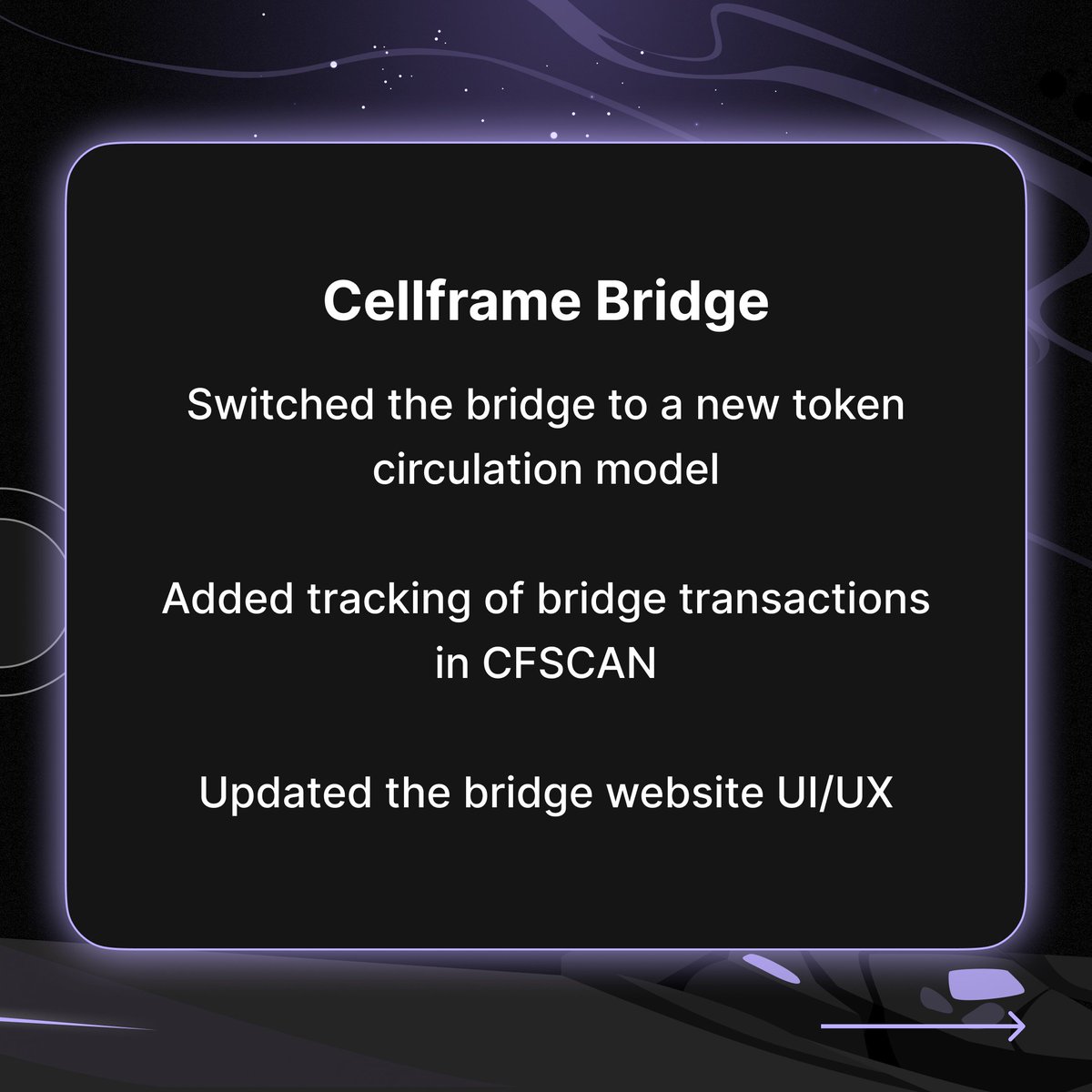
• Cellframe Bridge: integrated with Cellframe DEX, enhanced bridge security, and sped up transaction processing.
• DEX: completed a major overhaul of architecture and interface. Added new trading and analytics tools, improved order management, and updated the UI.
• Cellframe Wallet: official iOS release on the App Store, along with UI improvements and feature enhancements.
• Cellframe SDK: replaced external libraries in DAP SDK, optimized key components and GDB, prepared changes for v6.0, and implemented a plugin system.
• Other activities: participated in Consensus Hong Kong 2026, wrapped up the first season of the Ambassador Program, and held the first AMA of 2026 with Dmitry Gerasimov.
Full details are available in the extended worklog https://t.co/tnKJ13sH06! 💜
The team continues to actively grow the ecosystem: more updates and major releases are coming soon.
#cellframe_worklog_text
Dmitriy just dropped the latest Cellframe progress report! 🛠️. The ecosystem is evolving fast.
Why you have to watch to know:
🔹 DEX 2.0: Updates coming to Wallet
🔹 Hard Fork: Launching in the next few weeks
🔹 KelVPN: Shared Mode & exciting updates
🔹 WASM & Sharding: Full focus on v6.1
🔹 Performance: Built for the post-quantum era
Watch the AMA fam!
$CELL
$CELL is heading into one of its most important milestone phases 🚀
From the last AMA, here are the key updates shaping the ecosystem:
🔹 DEX 2.0 – Wallet updates incoming
🔹 Hard Fork – Launching in the next few weeks
🔹 KelVPN – Shared Mode + new upgrades
🔹 WASM & Sharding – Full focus on v6.1
🔹 Performance – Built for the post-quantum era
The world is waking up to the #quantum thread… and Cellframe has been building for it all along.
Is this the year $CELL becomes a billion-dollar ecosystem?
Sooner than later.
Why risk complex, disruptive upgrades on Ethereum for quantum resistance?
Just switch to the ready and user-friendly structure of @cellframenet - simple step, and you’re fully protected (and you could have done it since 2023, before all this started, saving massive time and resources).
Post-quantum cryptography built-in from day one, crypto-agile design for instant algorithm swaps if ever needed, and scalable multi-shard architecture.
Quantum-proof today. Done.
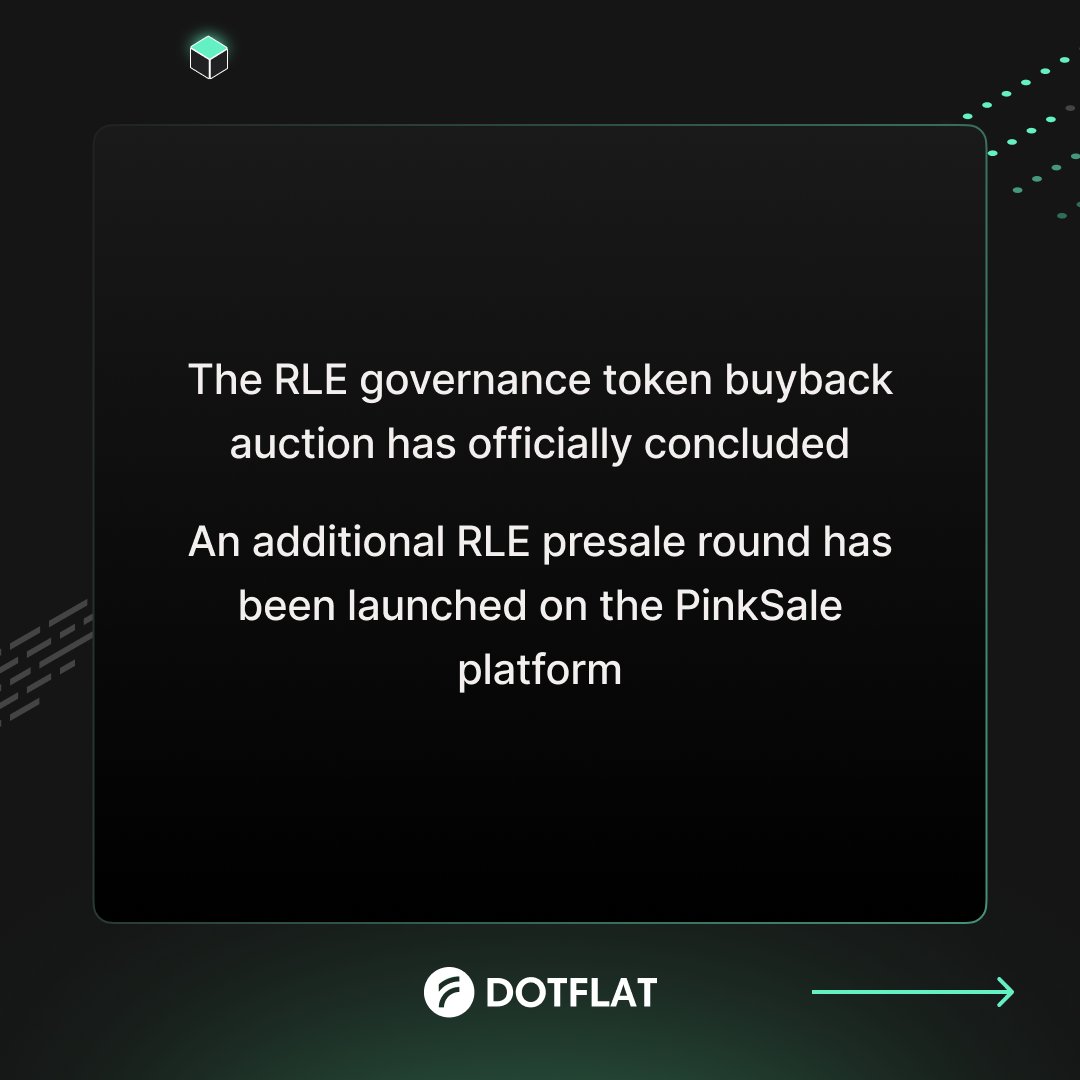
✨ January 2026 in the Cellframe Ecosystem: Major Updates & Breakthroughs!
Node.sys, Dotflat, KelVPN, QEVM, and CPUNK deliver fresh momentum with new partnerships, protocol upgrades, and product launches.
Stay ahead of the curve, here’s what happened this month!
🔖 Full recap and insights: https://t.co/s0o20geX1B
#ecosystem_news_cellframe
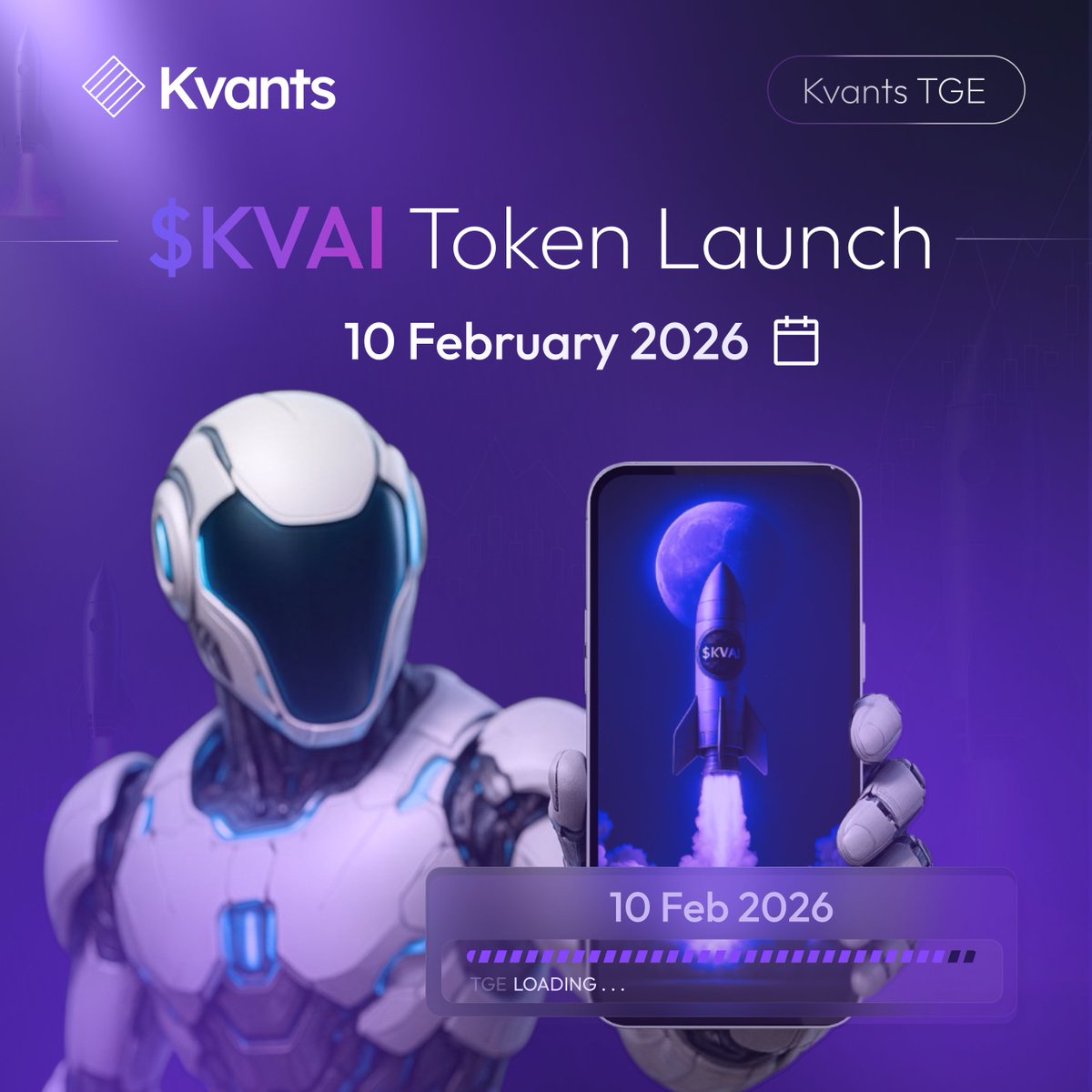
IMPORTANT ANOUNCEMENT🚨
We are thrilled to announce that $KVAI TGE is officially on February 10th, 2026
Not "soon." Not "TBA."
February 10th, mark the calendar🗓️
And unlike most launches, @KvantsAI already has a working product, real users, and real yield being generated from DAY 1 via #Kvants Vault powered by $KVAI token
Check out why $KVAI matters👇
⚡Hey fam! With all the recent news about quantum breakthroughs, it is more important than ever to stay active as a community. The Cellframe Hub- our community HQ for content and action- is now upgraded:
- It now shows every tweet and comment about $CELL separately, so you can target replies, main posts, or raid all fronts at once. No need to hunt manually.
This is how we grow stronger together - faster, louder, smarter. 🚀
https://t.co/TEEIGWCKfQ
Cellframe is built in pure C for max performance but also to run easily on all ARM devices
Game devs like to build for consoles to make sure their games will run without any issues
Cellframe is built to be resilient across a diverse network of devices running truly P2P dApps 🐿️
🎥 We invite developers and tech enthusiasts to join the Cellframe Network Dev YouTube channel (https://t.co/bbnolJDEVs)!
Here you’ll find tutorials and overview videos on using Cellframe development tools.
The channel already features a presentation of the Cellframe platform’s capabilities featuring an overview of the development tools and a workshop by Cellframe project lead Dmitry Gerasimov. We prepared it especially for the participants of the Quantum-Safe Hackathon (https://t.co/6roWA4FLgj).
More videos, guides, and live demos are coming soon, stay tuned!
Subscribe to the channel to keep up with the latest updates and innovations 💜
#CellframeSDK #QuantumSafe
Here’s a reminder. The world won’t burn. It’ll dissolve, quietly, under the quantum tide. One system at a time. Hold tight. Keep the sight. Don’t wait for it to happen. @cellframenet -the only one ready, the fortress for you and what you build. $CELL
Follow the countdown: https://t.co/SkNOxE1VWV
⚡️ Wrapping up September!
We’ve compiled the key events and development updates into handy cards.
Swipe through the slider to catch all the important highlights!
Find details in our post: https://t.co/lIWVKvniTI
#worklog_cards_cellframe
💥Let's discuss this exciting news! Not everyone knows: What is a hackathon? It's an innovation marathon where teams have limited time to build functional prototypes. It validates ideas and shows which projects have potential. For $CELL, it's the gateway to transformative Web3 solutions. There is room for dozens of prototypes to emerge! (1/5)