I do not think that the government's formula is an appropriate way to think about reciprocal tariffs. And it is unclear what the note references or doesn’t from my research with Cavallo et al. But I believe our work suggests the value for the “elasticity of import prices to tariffs” should be close to 1. If that value were used, rather than 0.25, I believe their calculation of reciprocal tariffs would be lower by a factor of four.
#OpenAccess from our new issue -
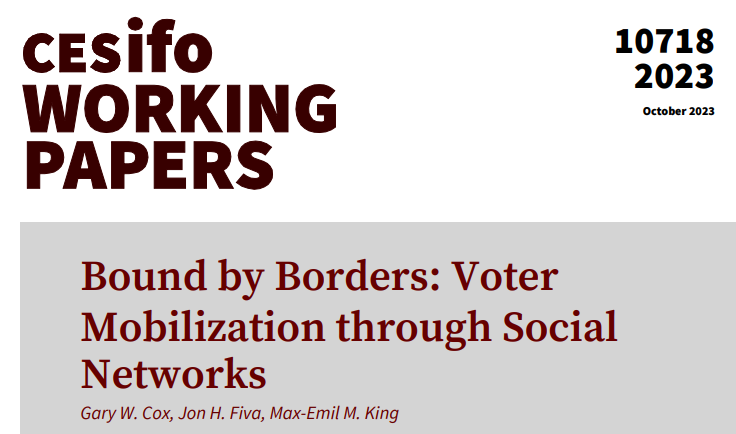
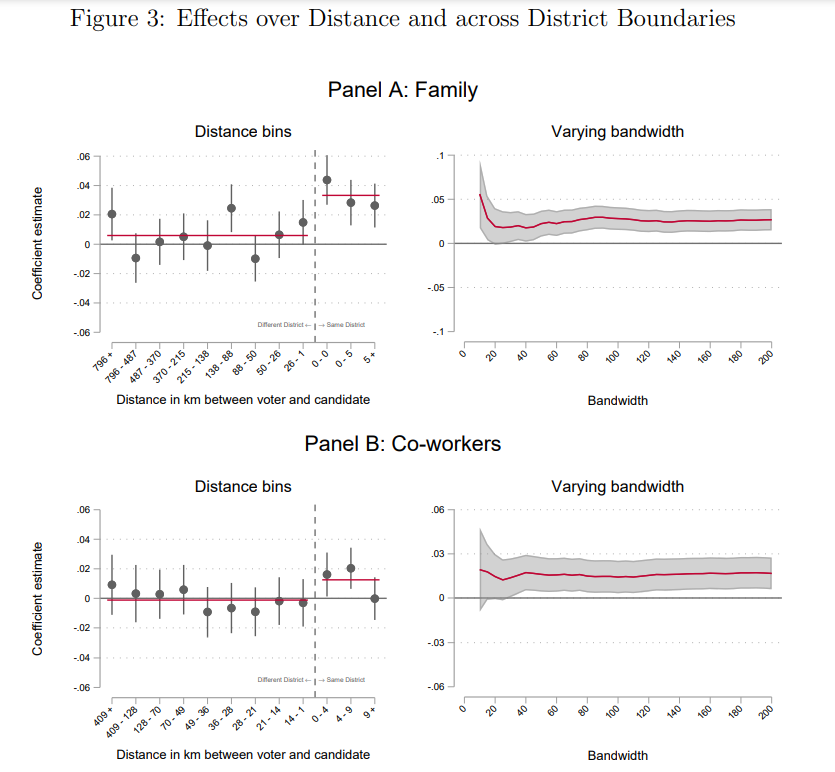
Bound by Borders: Voter Mobilization Through Social Networks - https://t.co/x4Byue15ii
- Gary W. Cox (@Stanford), @JFiva & @maxemilking
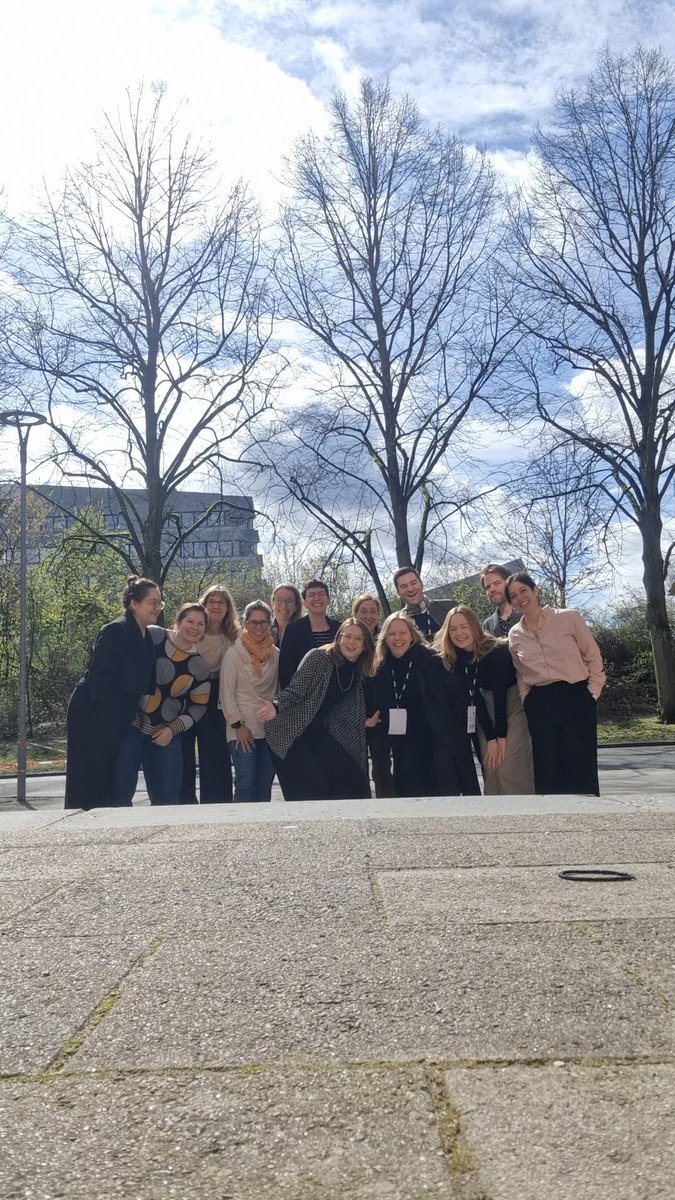
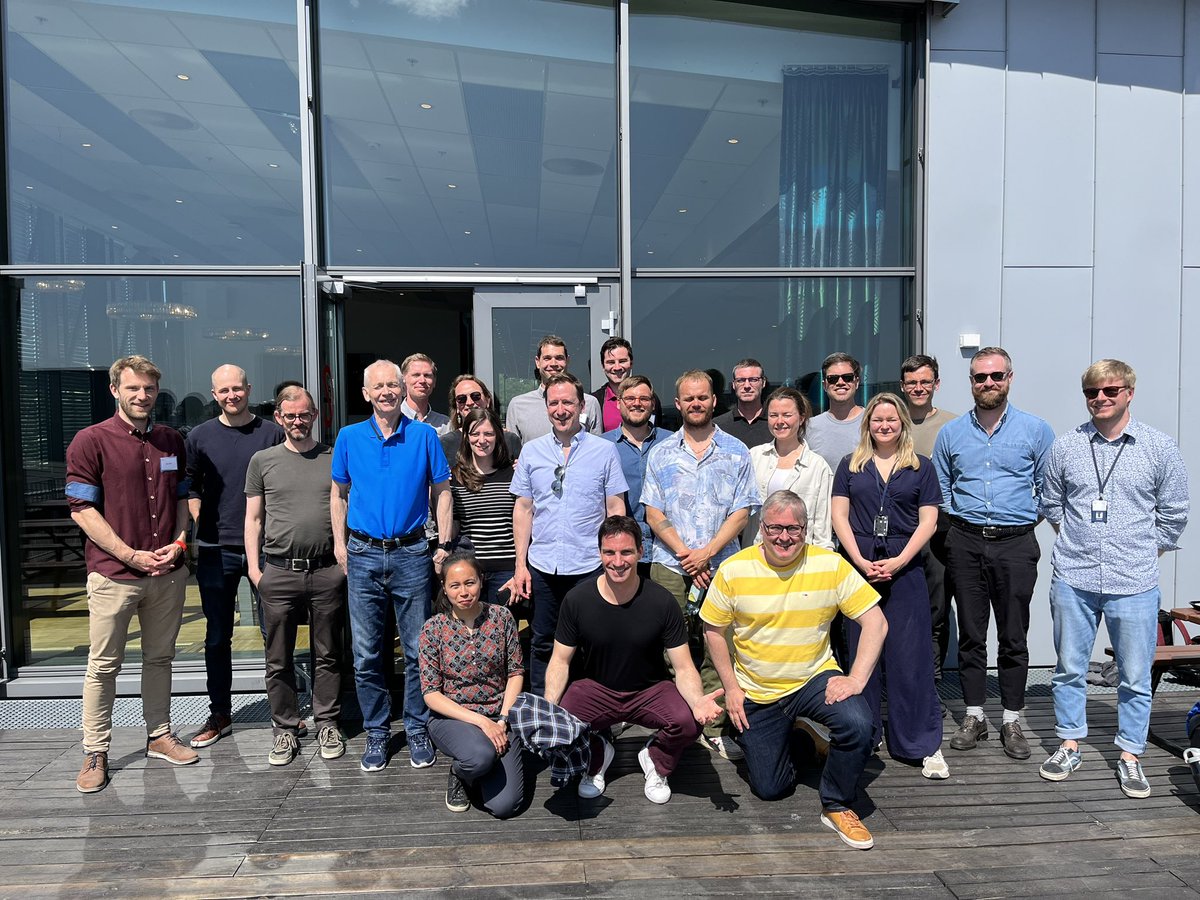
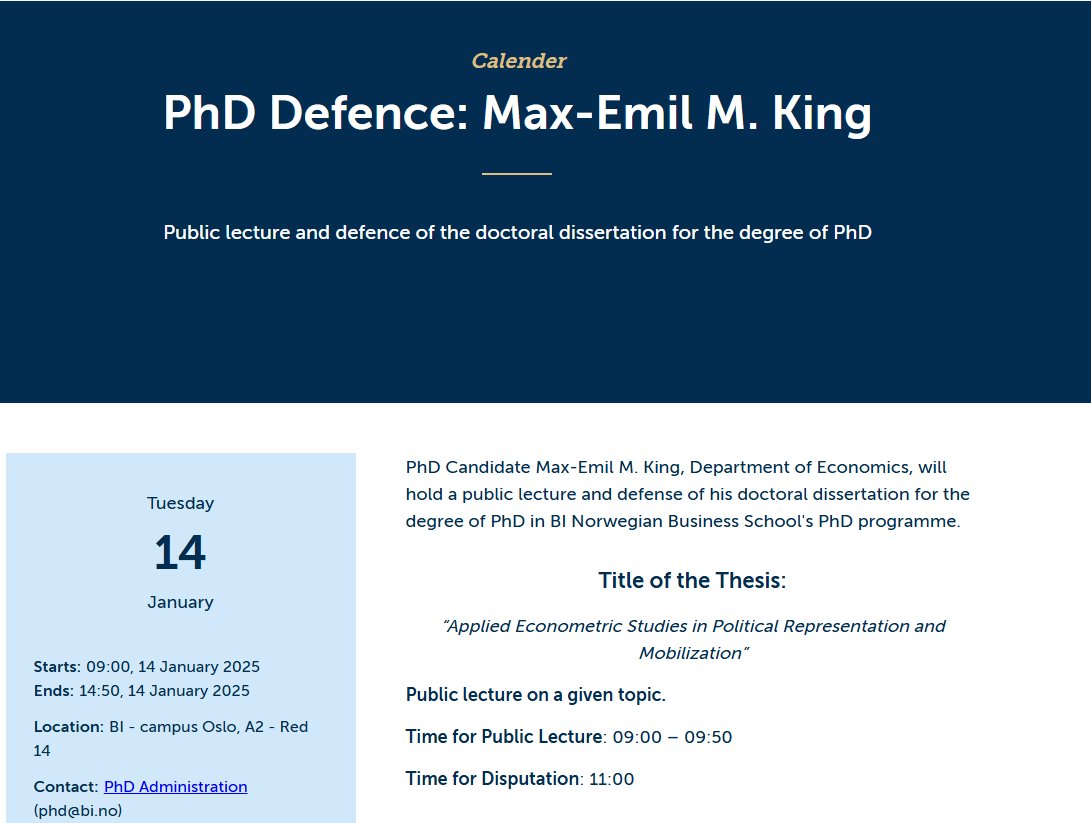
Yesterday we congratulated @maxemilking with the successful defense of his PhD thesis at @HandelshoyskBI, titled ‘Applied Econometric Studies in Political Representation and Mobilization’.
Many congratulations from all of us at BI Department of Economics!🌟
Politikerne er mer lovlydige enn folk flest. @siggi_econ, @RuneJSorensen og jeg skriver om vårt siste paper i dagens @Aftenposten.
https://t.co/Lf55x5bRGO
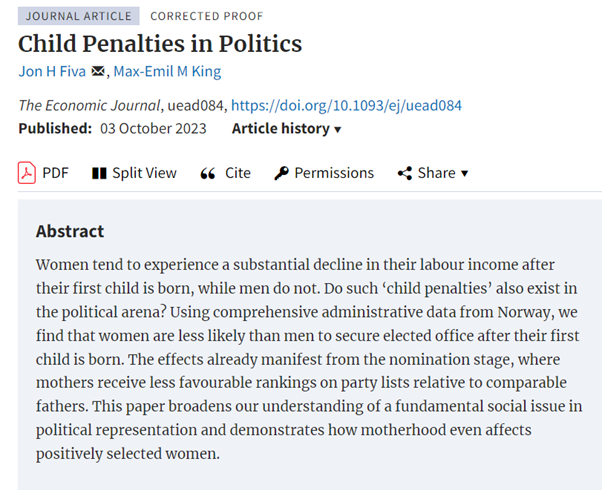
Had brilliant week convening @ECPR Joint Session on Gender, Parenthood and Political Representation with @sufranceschet & @anacweeks. Fantastic papers by brilliant scholars. 👏
The Norwegian Centre Party (SP) is an extreme outlier on Huijsmans-Rodden`s urban-rural divide score. The party has almost exclusively rural electoral support.
During the Workshop on Lobbying at @USE_UU , I enjoyed the opportunity to discuss @maxemilking 's paper (with G. Cox and Jon Fiva) on the role of networks for the voter turnout in Norway.
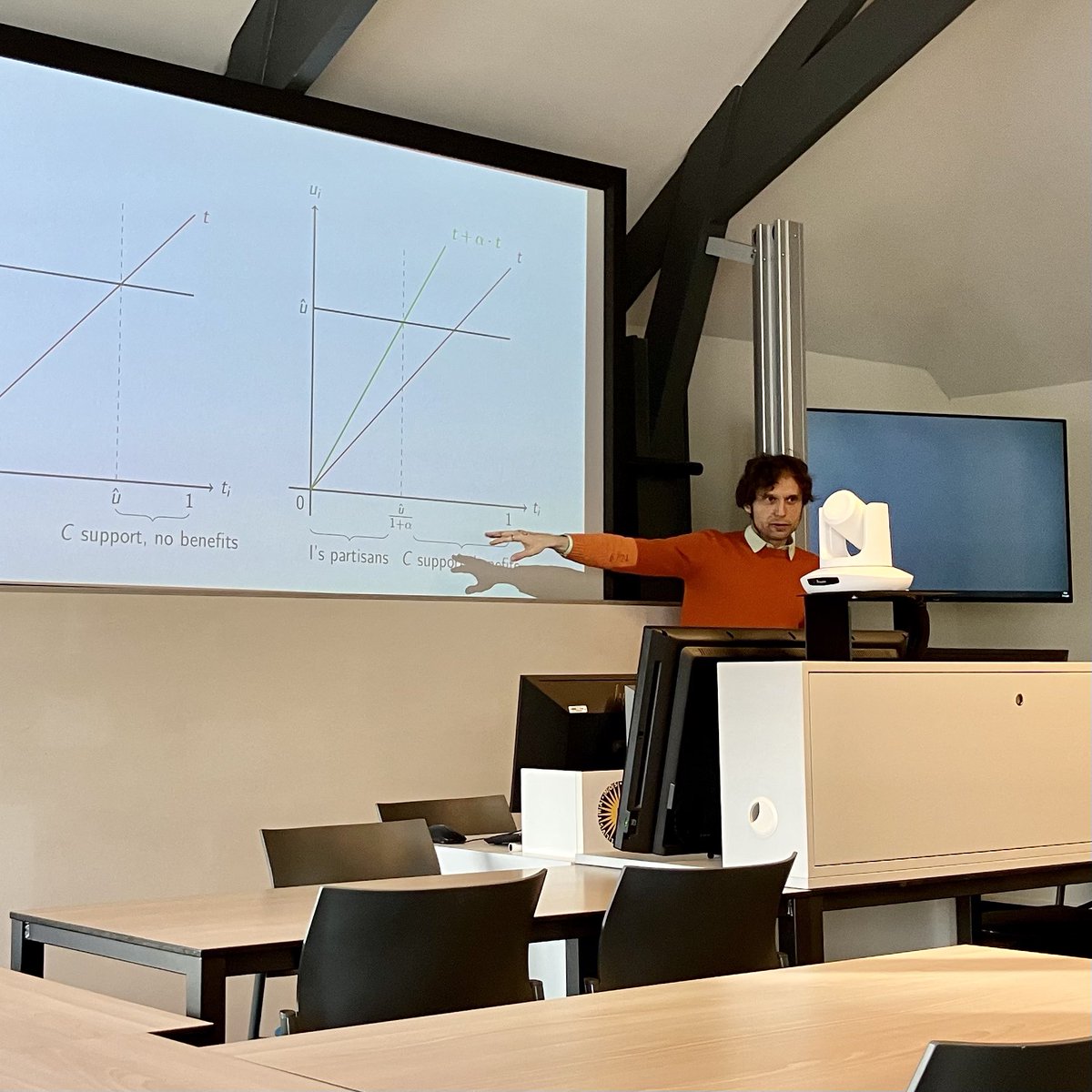
Had the pleasure of discussing a great paper by Samsonov and @senkovmx at the @DemoTrans workshop today in Utrecht🇳🇱 Their novel model suggests that allowing the use of microtargeting in political campaigns may have positive effects on welfare👍💰
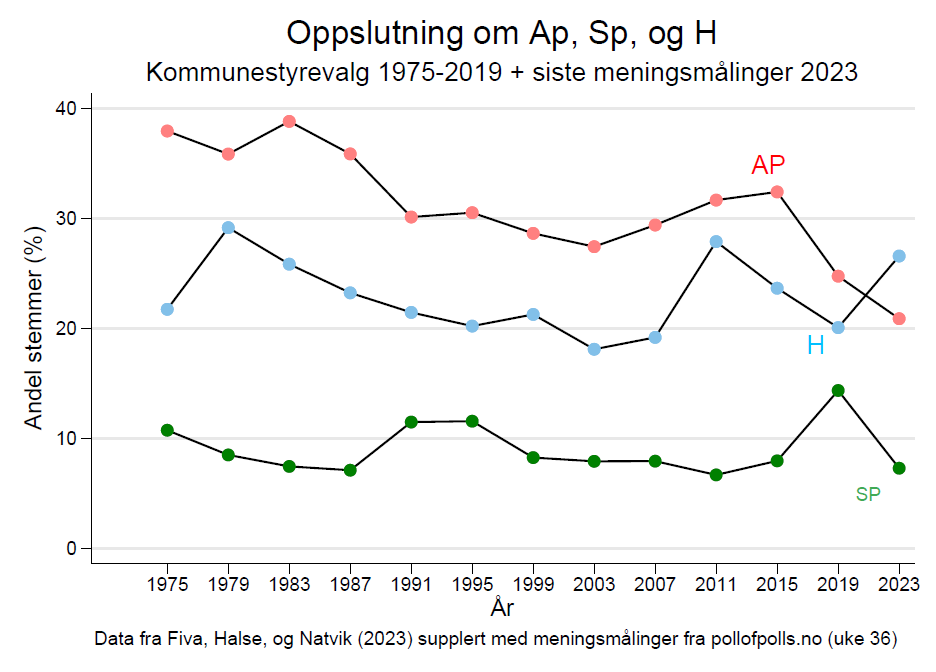
Høyre ligger an til å bli største parti for første gang i moderne tid. Arbeiderpartiet er på all-time-low. Oppslutningen om Senterpartiet er tilbake på normalnivå.


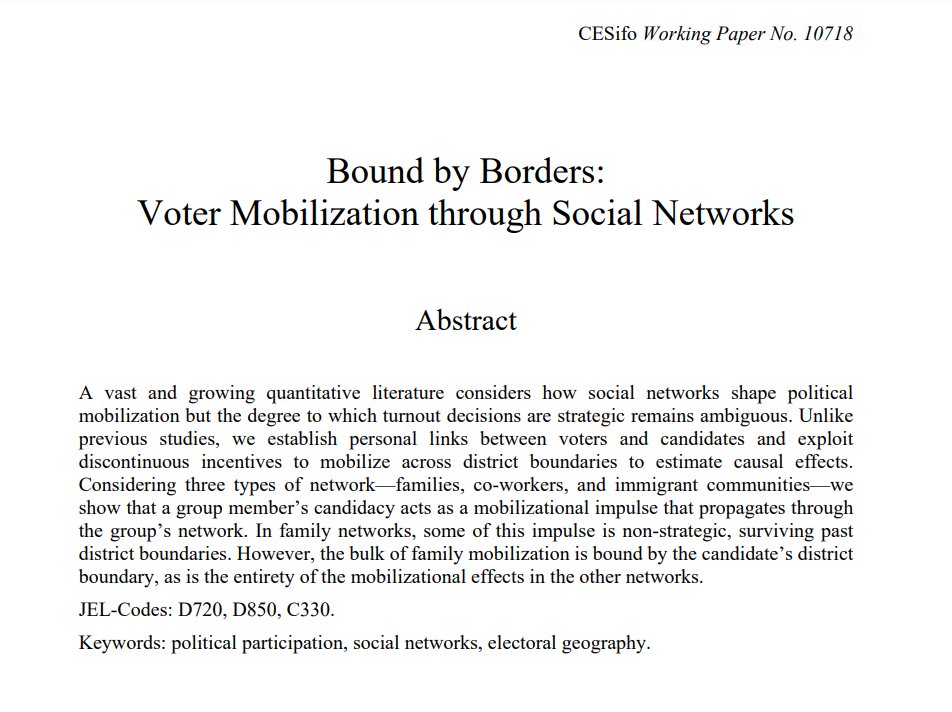


![JFiva's tweet photo. Bound by Borders: Voter Mobilization Through Social Networks, with Gary Cox and @maxemilking, is just out in @BJPolS.
https://t.co/rmh1mGZLAv
[1/5] https://t.co/8WaRlB6CNJ](https://pbs.twimg.com/media/GMaKd0yXgAAmy0v.jpg)