In today's world, skills are the foundation of progress, but Islam teaches that skills cannot be separated from ethics. Skills provide a person with employment, while honesty, integrity, trustworthiness, justice, and responsibility transform those skills into a source of dignity, credibility, and lasting success. Islamic teachings emphasize that knowledge and skills become a true means of progress only when they are accompanied by strong character, responsibility, and service to humanity. Such skills not only lead to an individual's success but also contribute to economic stability, public trust, and the collective prosperity of society.
#WorldYouthSkillsDay #YouthSkills #SkillsForTheFuture #IslamicValues
Behind every command of #Islam lies a vision of ease for the individual, goodness for society, and mercy for all #humanity. Likewise, the very essence of the Prophethood and Messengership of the Holy Prophet Muhammad ﷺ is founded on mercy, #love, compassion, and sincere concern for humanity. His blessed mission, teachings, noble character, and exemplary way of life embody mercy, kindness, and goodwill for all people. For this reason, the fundamental spirit of all Islamic teachings is rooted in mercy, peace, love, and the welfare of humanity.
@AmerSharifOFCL A government servant retired in April 2026. From mid April till 30 June 2026, he received his gratuity and pension. How shall he select the options at the start?
@AmerSharifOFCL Some people get the shares of the inherited property from their siblings through surrender of their shares in their name and become sole owner. Will the applicable law be in place in their case?
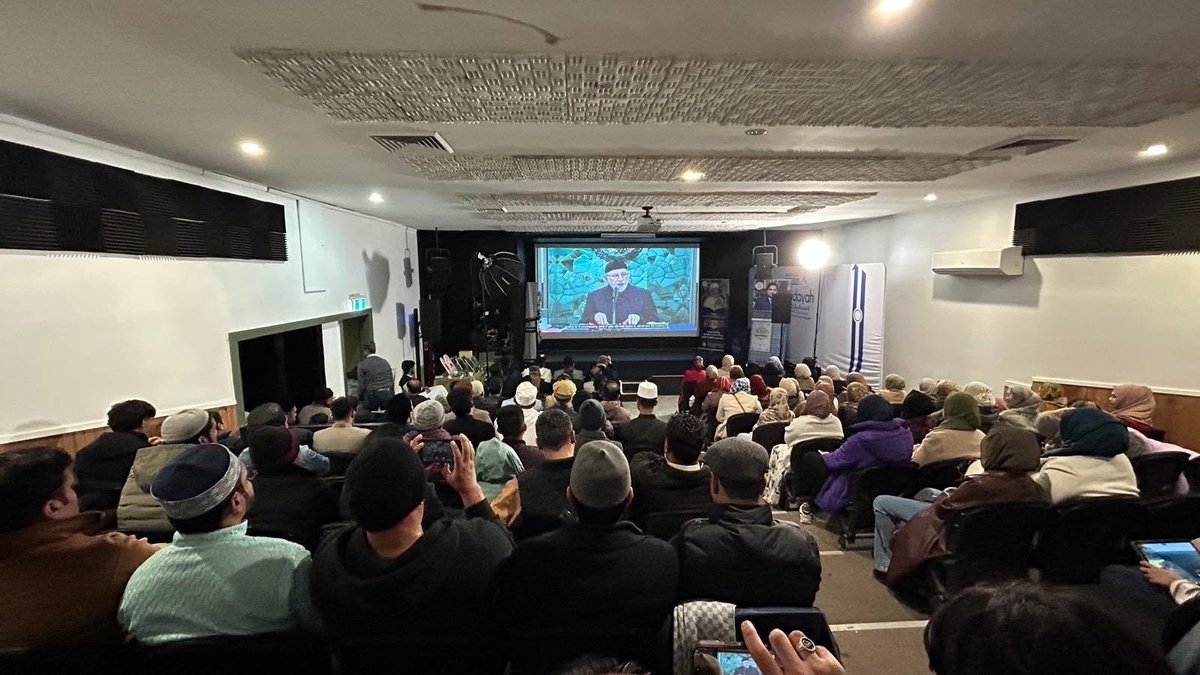
al-Hidayah Australia 2026 📷 | Day 2: Shaykh-ul-Islam Dr Muhammad Tahir-ul-Qadri Delivers Landmark Keynote Address on Language, Identity and the Future of Faith
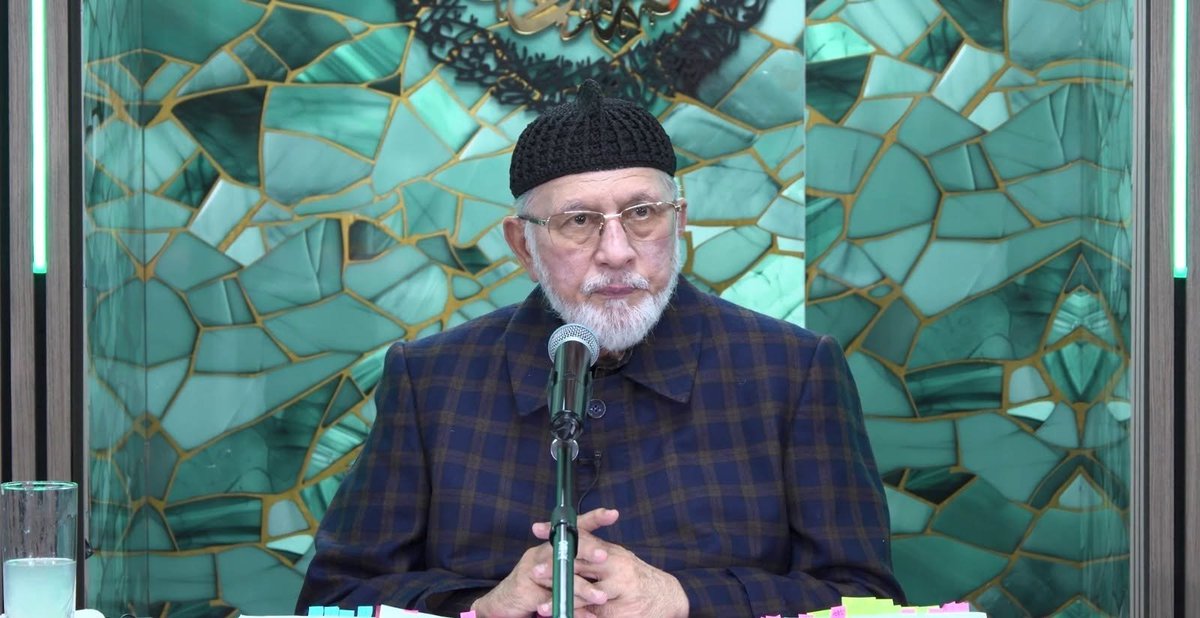
Australia: On the second day of Al-Hidayah Australia 2026, His Eminence Shaykh-ul-Islam Dr Muhammad Tahir-ul-Qadri delivered a landmark keynote address exploring the profound relationship between language, faith, identity, and the preservation of Islam among future generations living in the English-speaking world.
The lecture formed the third and concluding instalment of his international series addressing the challenges confronting Muslim families raising children in Western societies. Drawing upon theology, sociology, history, linguistics, and contemporary academic research, Shaykh-ul-Islam examined what he described as one of the most pressing issues facing the Ummah today: the growing phenomenon of "English-only dependence" and its implications for the transmission of faith.
At the outset of his address, Shaykh-ul-Islam congratulated the organisers, volunteers, speakers, and participants of Al-Hidayah Australia 2026, appreciating the collective efforts of Minhaj-ul-Quran Australia, Minhaj Welfare Foundation Australia, Minhaj Women League Australia, Eagles Australia, Minhaj Youth League, and all those who contributed to making the educational retreat a success. He also announced that the next phase of this important series would continue at Al-Hidayah Canada 2026 at McMaster University later this year.
English is Not the Problem
A central theme of the keynote address was Shaykh-ul-Islam's clarification that the English language itself is not a threat to Islam or Muslim identity.
He explained that English has become indispensable in today's world, serving as the language of education, professional advancement, public engagement, communication, and intellectual discourse. Muslim youth, he stressed, must master English in order to excel academically, contribute positively to society, and confidently articulate Islamic perspectives in response to modern ideological challenges such as atheism, secularism, and liberalism.
However, he warned that the real challenge arises when English becomes the only language through which Muslim children understand religion, identity, and meaning.
According to Shaykh-ul-Islam, when religious understanding becomes confined solely to English, future generations gradually lose access to the vast inherited reservoirs of Islamic scholarship, spirituality, and civilisation that have sustained Muslim communities for centuries.
The Three-Language Model
Presenting what he described as the "Three-Language Ideal Model" for Muslim families living in the West, Shaykh-ul-Islam proposed a balanced framework for preserving both faith and identity.
He explained that English should remain the language of education, communication, and engagement with the modern world; the heritage language—whether Urdu, Turkish, Persian, or another inherited Muslim language—should serve as the bridge to religious, spiritual, and cultural inheritance; while Arabic remains the gateway to the original sources of Islam, including the Holy Qur'an, Hadith, Sunnah, and classical Islamic scholarship.
He emphasised that the solution is not to replace one language with another, but to ensure that each language fulfils its unique role.
Summarising this model, Shaykh-ul-Islam stated:
"Keep English strong, keep the heritage language alive, and connect with Arabic."
Language Shapes Thought and Identity
Shaykh-ul-Islam explained that language is far more than a means of communication—it shapes thought, perception, worldview, and moral understanding.
Children, he said, do not merely speak through language; they think through it, interpret reality through it, and develop their intellectual and ethical frameworks through it.
He warned that when Muslim children become exclusively dependent upon English, they often begin to understand religion through the assumptions and categories of the secular environment in which English predominantly functions. As a result, their understanding of Islam can gradually become detached from the civilisational, spiritual, and intellectual traditions that originally nurtured the faith, contributing to the growing identity crisis experienced by many Muslim youth in Western societies.
Heritage Languages Preserve Islamic Civilisation
Highlighting the importance of heritage languages, Shaykh-ul-Islam described them as vital carriers of Islamic civilisation and religious knowledge.
Using Urdu as an example, he explained how it developed through centuries of interaction between Arabic, Persian, and Turkish traditions, becoming a powerful vehicle for Islamic scholarship, spirituality, and culture.
He noted that heritage languages preserve not only knowledge but also emotional memory, inherited values, manners, etiquette, and essential religious vocabulary. Expressions such as Insha'Allah, Masha'Allah, SubhanAllah, Tawakkul, Sabr, and Shukr carry profound spiritual meanings that become deeply rooted within a child's subconscious understanding of faith.
When such expressions disappear from daily life, he observed, the concepts they represent gradually disappear as well.
Access to Authentic Islamic Scholarship
A significant portion of the keynote focused on the relationship between language and access to authentic Islamic knowledge.
Shaykh-ul-Islam explained that the original sources of Islam—including the Holy Qur'an, Hadith, Islamic jurisprudence, theology, spirituality, and classical scholarship—are preserved in the Arabic language. He further noted that vast portions of Islamic intellectual heritage have also been transmitted through Turkish and Persian scholarly traditions, with Urdu serving as an important bridge connecting later generations to this rich legacy.
Without access to these linguistic traditions, he cautioned, Muslim youth become increasingly dependent upon translations and secondary interpretations, limiting their ability to engage deeply with the richness and depth of Islamic scholarship.
The Rise of "Algorithmic Religion"
One of the most significant themes of the address was Shaykh-ul-Islam's warning against what he termed "algorithmic religion."
He observed that many young Muslims today no longer acquire religious understanding primarily through scholars, books, families, or established institutions. Instead, they increasingly receive religious information through platforms such as TikTok, YouTube, Reddit, podcasts, social media influencers, AI-generated responses, and algorithm-driven digital feeds.
In such an environment, young people encounter atheist critiques, secular liberal perspectives, hyper-literalist interpretations, ultra-modern ideologies, influencer-based religion, and countless conflicting viewpoints simultaneously.
Without grounding in authentic scholarship and inherited religious traditions, Shaykh-ul-Islam warned, many lack the ability to distinguish between sound Islamic knowledge and misinformation.
He described this phenomenon as "algorithmic religion"—a personalised version of faith assembled from random digital fragments selected by algorithms rather than guided by authentic scholarship, tradition, or religious authority.
According to Shaykh-ul-Islam, this trend contributes to religious confusion, weakening family transmission of faith, inconsistent religious practice, identity instability, and spiritual uncertainty.
Faith is Transmitted Through the Heart
Throughout the lecture, Shaykh-ul-Islam repeatedly emphasised that faith is not transmitted through intellectual reasoning alone.
While rational understanding remains essential, religion is also conveyed through love, belonging, emotional attachment, memory, spiritual experience, family traditions, and inherited religious culture.
He explained that many dimensions of Islamic life continue through sentimental and spiritual connections that exist beyond intellectual explanations. These connections are preserved through language, family practices, and cultural expressions that ultimately connect believers to the Prophetic tradition itself.
Without these channels of transmission, future generations may retain information about Islam while gradually losing their emotional and spiritual attachment to it.
Culture as a System of Meaning
Shaykh-ul-Islam challenged the common misconception that culture is merely a collection of local customs or ethnic traditions.
Instead, he defined culture as a comprehensive system of meaning, consisting of values, beliefs, concepts, norms, manners, habits, and traditions rooted in faith.
Islamic culture, he explained, transcends geography and ethnicity. It is formed through the shared meanings transmitted by the Holy Qur'an, the Sunnah, Islamic scholarship, and the rich spiritual heritage of Islam.
Language, he stressed, plays a central role in preserving and transmitting this system of meaning across generations.
Research Supporting Faith Transmission
Supporting his arguments with contemporary academic research, Shaykh-ul-Islam referred to studies demonstrating that retention of heritage languages strengthens religious continuity, reinforces family bonds, and contributes significantly to preserving faith among immigrant Muslim communities living in Western societies.
These findings, he observed, confirm what religious communities have understood for generations—that faith is sustained not only through doctrine but also through family, language, culture, and emotional belonging.
A Powerful Call to Muslim Families
Concluding his keynote address, Shaykh-ul-Islam delivered a heartfelt appeal to Muslim parents, educators, and community leaders.
He urged families not to see language as a choice between modern success and religious commitment. Instead, they should equip future generations with all three essential dimensions:
Strong English for success in the contemporary world.
Strong heritage language for preserving identity and religious continuity.
Strong Arabic connection for direct access to the original sources of Islam.
Shaykh-ul-Islam warned that neglecting heritage transmission risks disconnecting future generations from the religious, moral, and spiritual foundations that sustain faith.
Bringing his address to a close, he reminded participants that preserving Islam is not merely an intellectual exercise but a holistic process encompassing knowledge, identity, family, language, culture, spirituality, and the heart. For Muslim communities living in the English-speaking world, he concluded, the challenge is not English itself—but ensuring that English does not become the only lens through which future generations encounter their faith.
#AlHidayah2026 #ShaykhulIslam #TahirulQadri #Australia #MinhajulQuran
The Highest Expression of Moral Excellence: Attaining the Pleasure of Allah Almighty
The ultimate objective of an individual's life is moral excellence. True moral excellence is embodied in complete servitude to Allah Almighty, and its highest expression is attaining His pleasure (Riḍā' al-Ilāhī). Accordingly, the actual purpose of human life is to seek the pleasure of Allah Almighty. In other words, on an individual level, the purpose of life is to become insān-e-murtaḍā—a person with whom his Lord is pleased.
#FIFAWWC The nail-biting finish to the match between England and Mexico made the day for soccer fans across the globe, leaving them happy and sad in equal measure. These players are more than just players. In fact, they are absolute beasts having phenomenal talents.
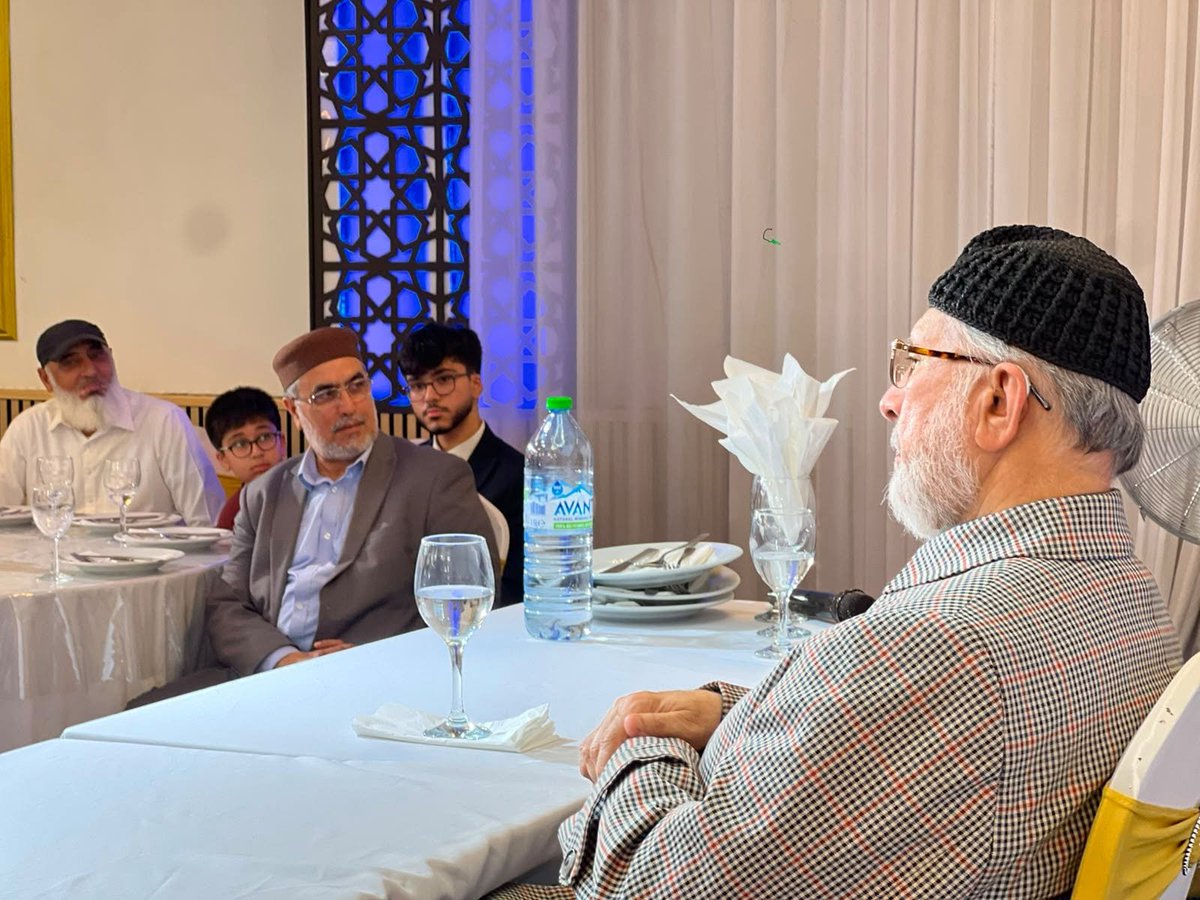
Manchester, UK: His Eminence Shaykh ul Islam Dr Muhammad Tahir-ul-Qadri graced a dinner hosted by Dr Masroor Diwan.
The gathering brought together politicians, lawyers, business leaders, medical specialists, academics and other respected professionals from across their respective fields. Guests had the valuable opportunity to benefit from the company and guidance of Shaykh-ul-Islam through an open and engaging question-and-answer session.
Those in attendance included cardiologists, nephrologists, general practitioners, surgeons, psychiatrists, oncologists, gastroenterologists, educators and business professionals.
The dinner provided an intimate setting for meaningful discussion, reflection and personal guidance.
#ShaykhulIslam #DrMuhammadTahirulQadri #MQIUK #Manchester #PrivateDinner #ScholarsAndProfessionals #Leadership #Guidance #CommunityEngagement
Economic stability is essential for the progress and prosperity of any society. Islamic economic principles emphasize fairness, balance, trustworthiness, and equal opportunity. Micro, small, and medium-sized enterprises play a crucial role in driving economic growth, generating employment, and fostering social well-being. Economic empowerment is closely linked to human dignity, self-reliance, and social stability. There is a need to promote economic systems that value justice, transparency, respect for work, and shared prosperity, ensuring that the benefits of development are accessible to all segments of society.
#MSMEDay #SmallBusiness #Entrepreneurship #EconomicGrowth #FinancialInclusion #SustainableDevelopment
The sacrifices of Imam Hussain (A.S.) and the Ahl al-Bayt (A.S.) stand as a lasting testimony that although the path of truth is often marked by trials and hardships, it is ultimately the path that leads to success, honour, dignity, and eternal salvation.
#ImamHussain#Karbala #Ashura #Muharram #AhlulBayt
Bradford, UK: His Eminence Shaykh-ul-Islam Dr Muhammad Tahir-ul-Qadri Delivers Landmark Address on Language, Identity and the Future of Faith
A special Suhbah gathering was held at Madinat al-Zahra, Bradford, where His Eminence Shaykh-ul-Islam Dr Muhammad Tahir-ul-Qadri delivered a profound and far-reaching address examining the relationship between language, faith, identity and religious continuity in the modern English-speaking world.
The lecture formed the third and concluding instalment of an international series addressing the challenges facing Muslim families raising children in Western societies. Drawing upon theology, sociology, history, linguistics and contemporary research, Shaykh-ul-Islam presented what he described as one of the most critical issues affecting future generations: the growing phenomenon of “English-only dependence” and its impact on the preservation of faith.
At the outset, Shaykh-ul-Islam congratulated the organisers and participants of the three-day educational campaign conducted by Minhaj-ul-Quran Australia, including the teams of Victoria, Queensland, Canberra and New South Wales, along with Minhaj Welfare Foundation Australia, Minhaj Women League Australia, Eagles Australia, Minhaj Youth League, guest speakers Junaid Khan and Quraat Hussain and campaign coordinator Syed Zameen Masood Shah. He also announced that the next phase of the series would continue at McMaster University in Canada later this year.
English is Not the Problem
A central theme of the address was the clarification that English itself is not a threat to Islam or Muslim identity.
Shaykh-ul-Islam stressed that English is indispensable for modern life. It is the language of education, professional development, public engagement, communication and intellectual discourse. Muslim youth must excel in English to succeed academically, participate confidently in society and articulate Islamic perspectives in response to contemporary challenges such as atheism, secularism and liberalism.
However, he argued that the real problem emerges when English becomes the only language through which a Muslim child understands religion, identity and meaning.
According to Shaykh-ul-Islam, when religious understanding becomes confined solely to English, children gradually lose access to the inherited reservoirs of Islamic knowledge, spirituality and culture that have historically sustained Muslim communities for centuries.
The Three-Language Model
To address this challenge, Shaykh-ul-Islam presented what he termed the “Three-Language Ideal Model” for Muslim families living in the West.
Under this framework:
* English serves as the language of survival, education, communication and engagement with the modern world.
* The heritage language (such as Urdu, Turkish, Persian or another inherited Muslim language) serves as the bridge to religious, spiritual and cultural inheritance.
* Arabic serves as the gateway to the original sacred sources of Islam, including the Qur’an, Hadith, Sunnah and classical scholarship.
He emphasised that the solution is not to sacrifice one language for another, but to ensure each language fulfils its proper role.
“Keep English strong, keep the heritage language alive and connect with Arabic” was presented as the complete model for preserving both faith and identity in future generations.
Language Shapes How We Think
One of the most striking themes of the lecture was the assertion that language does far more than facilitate communication.
Shaykh-ul-Islam explained that language shapes thought, perception and worldview. Children do not merely speak in a language; they think through it, interpret reality through it and develop moral and intellectual frameworks through it.
When Muslim children become exclusively dependent upon English, they inevitably begin to conceptualise religion through the assumptions and categories of the secular environment in which English functions.
As a result, their understanding of Islam can gradually become detached from the civilisational, spiritual and intellectual traditions that originally nurtured and transmitted the faith.
This, Shaykh-ul-Islam argued, contributes directly to the identity crises increasingly experienced by Muslim youth in Western societies.
Heritage Languages as Carriers of Islamic Legacy
Shaykh-ul-Islam highlighted the unique role played by heritage languages in preserving Islamic civilisation and transmitting religious knowledge across generations.
Using Urdu as a case study, he explained how the language emerged through centuries of interaction between Arabic, Persian and Turkish traditions, becoming a vehicle for Islamic scholarship, spirituality and culture.
He noted that heritage languages provide access not only to texts and knowledge but also to emotional memory, inherited values, manners, etiquette and religious vocabulary.
Words such as Insha’Allah, Masha’Allah, SubhanAllah, Tawakkul, Sabr and Shukr carry layers of spiritual meaning that become embedded within a child’s subconscious understanding of faith.
When these words disappear from everyday life, he argued, the concepts they embody gradually disappear as well.
Access to Islamic Knowledge
A significant portion of the lecture focused on the relationship between language and access to authentic Islamic scholarship.
Shaykh-ul-Islam explained that all original Islamic sources are preserved in Arabic. The Qur’an, Hadith literature, jurisprudence, theology, spirituality and classical scholarship remain rooted in the Arabic language.
He further argued that substantial portions of Islamic intellectual history were also preserved and transmitted through Turkish and Persian scholarly traditions, with Urdu serving as a major bridge connecting subsequent generations to that heritage.
Without access to these linguistic traditions, Muslim youth become increasingly dependent on translations and secondary interpretations, limiting their ability to engage deeply with the richness of Islamic knowledge.
He reiterated that translation can assist understanding but can never fully replace the original language of revelation.
The Rise of “Algorithmic Religion”
Perhaps the most memorable and contemporary concept introduced during the lecture was Shaykh-ul-Islam’s warning against what he termed “algorithmic religion.”
He observed that many young Muslims today no longer receive religious understanding primarily through scholars, books, families or established institutions.
Instead, they increasingly encounter religion through:
* TikTok
* YouTube
* Reddit
* Podcasts
* Social media influencers
* AI-generated responses
* Algorithm-driven content feeds
In this environment, children are exposed simultaneously to atheist critiques, secular liberal perspectives, hyper-literalist interpretations, ultra-modern ideologies, influencer-based religion and countless conflicting viewpoints.
Without grounding in authentic sources or inherited religious traditions, they often lack the tools necessary to distinguish between sound scholarship and misinformation.
Shaykh-ul-Islam described the result as “algorithmic religion” — a personalised version of faith assembled from random digital fragments selected by algorithms rather than guided by scholarship, tradition or religious authority.
He warned that this phenomenon contributes to:
* Religious confusion
* Broken continuity of faith
* Weakening family transmission
* Inconsistent religious practice
* Identity instability
* Spiritual uncertainty
Faith is Transmitted Through the Heart as Well as the Mind
Shaykh-ul-Islam repeatedly emphasised that faith is not transmitted solely through logic, argument and intellectual reasoning.
While rational understanding remains important, religion is also transmitted through love, belonging, emotional attachment, memory, spiritual experience and inherited tradition.
He explained that many aspects of Islamic life are sustained through sentimental and spiritual connections that exist beyond purely intellectual explanations.
This emotional continuity is often carried through language, family practices and cultural expressions that connect individuals to previous generations and ultimately to the Prophetic tradition itself.
Without these channels of transmission, future generations may retain information about religion whilst losing their deeper connection to it.
Culture as a System of Meaning
Challenging common assumptions, Shaykh-ul-Islam argued that culture should not be understood merely as local customs or ethnic traditions.
Instead, he defined culture as a “system of meaning” comprising values, beliefs, concepts, norms, habits, manners and traditions rooted in faith.
Islamic culture, therefore, is not confined to geography or ethnicity but emerges from the shared meanings transmitted through the Qur’an, Sunnah, scholarship and spiritual heritage.
Language plays a critical role in preserving and transmitting this system of meaning across generations.
Research Supporting Religious Transmission
To reinforce his arguments, Shaykh-ul-Islam referenced contemporary academic research examining the relationship between language, culture and faith transmission.
He cited studies indicating that heritage language retention strengthens religious continuity, supports family bonds and contributes to the preservation of belief among immigrant communities living in Western societies.
These findings, he noted, increasingly confirm what religious communities have intuitively understood for generations: that faith is sustained not only through doctrine but through family, culture, language and emotional belonging.
A Call to Muslim Families
Concluding the lecture, Shaykh-ul-Islam delivered a powerful appeal to Muslim parents, educators and community leaders.
He urged families not to frame language as a choice between modern success and religious commitment. Rather, they should ensure that future generations are equipped with all three dimensions necessary for success:
* Strong English for life in the modern world.
* Strong heritage language for continuity of identity and tradition.
* Strong Arabic connection for access to the original sources of Islam.
Shaykh-ul-Islam warned that if heritage transmission is neglected, future generations risk becoming disconnected from the religious, moral and spiritual foundations that sustain faith.
The lecture concluded with a reminder that the preservation of Islam is not merely an intellectual exercise but a holistic process involving knowledge, identity, family, culture, language and the heart.
For Muslim communities living in the English-speaking world, the challenge is not English itself, but ensuring that English does not become the only lens through which future generations encounter their faith.
Melbourne, Australia: Minhaj-ul-Quran International Victoria hosted the “Zikr-e-Imam Hussain (A.S.) Conference 2026” at Melton Community Hall, where Prof. Dr Hussain Mohi-ud-Din Qadri delivered a keynote on the eternal message of Karbala, sacrifice, truth, and resilience.
#ZikrEHussain #DrHussainQadri #ImamHussain #Karbala #Melbourne
A father is not merely the provider of a household; he is the first and most fundamental institution of character building, moral upbringing, and spiritual guidance. His silent sacrifices shape the values and character of generations.
The rights of a father extend beyond respect alone. They include serving him with love, remembering him in our prayers, and embodying the principles and upbringing he has imparted in our daily lives.
May Allah Almighty bless every father with good health, honour, dignity, and His special mercy and protection.
#FathersDay #Fatherhood #FamilyValues #RespectParents #IslamicValues
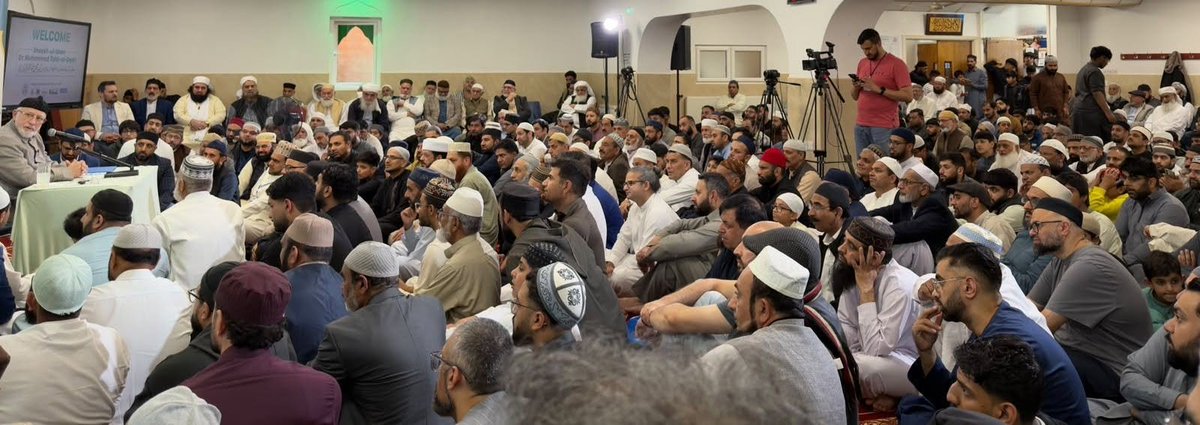
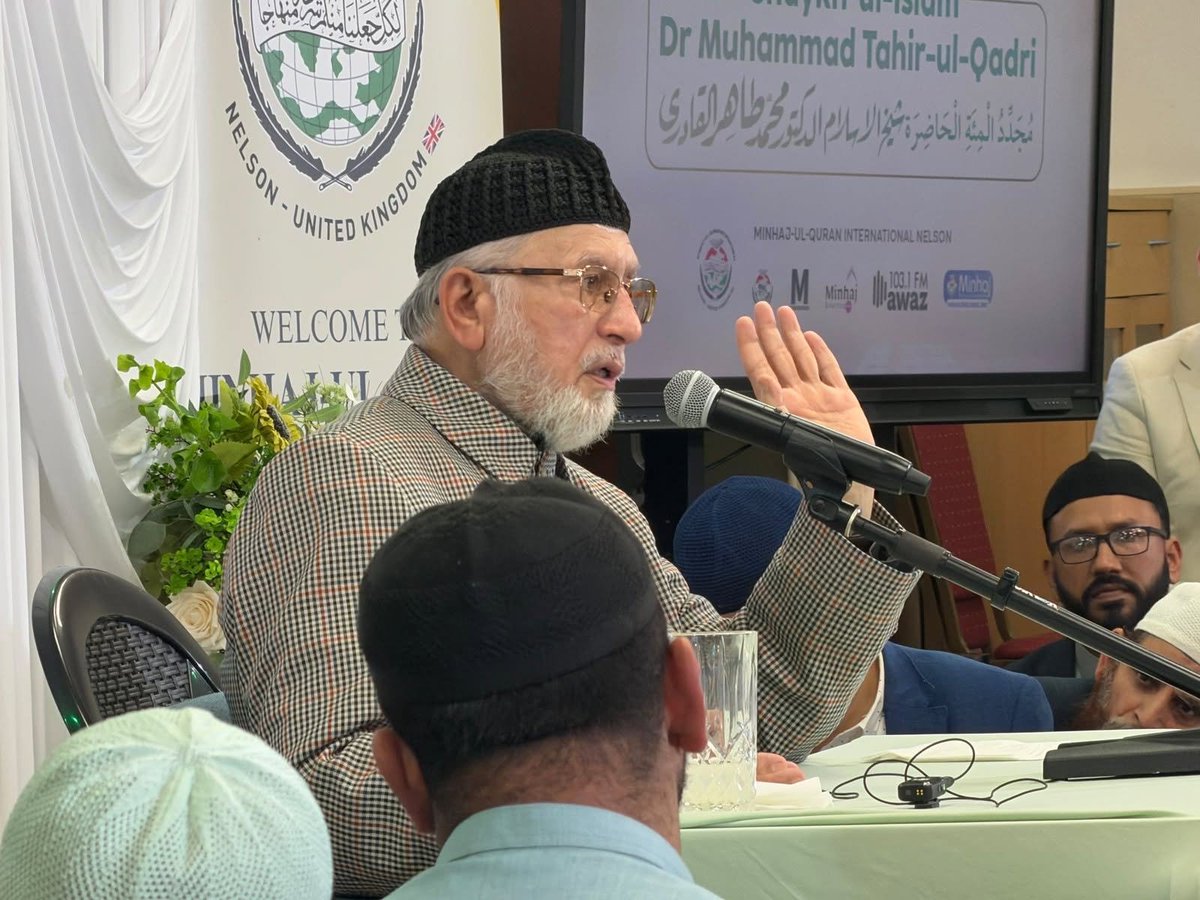
Nelson, UK: Shaykh-ul-Islam Calls for Mandatory Urdu Education to Safeguard Future Generations at Suhbah Gathering
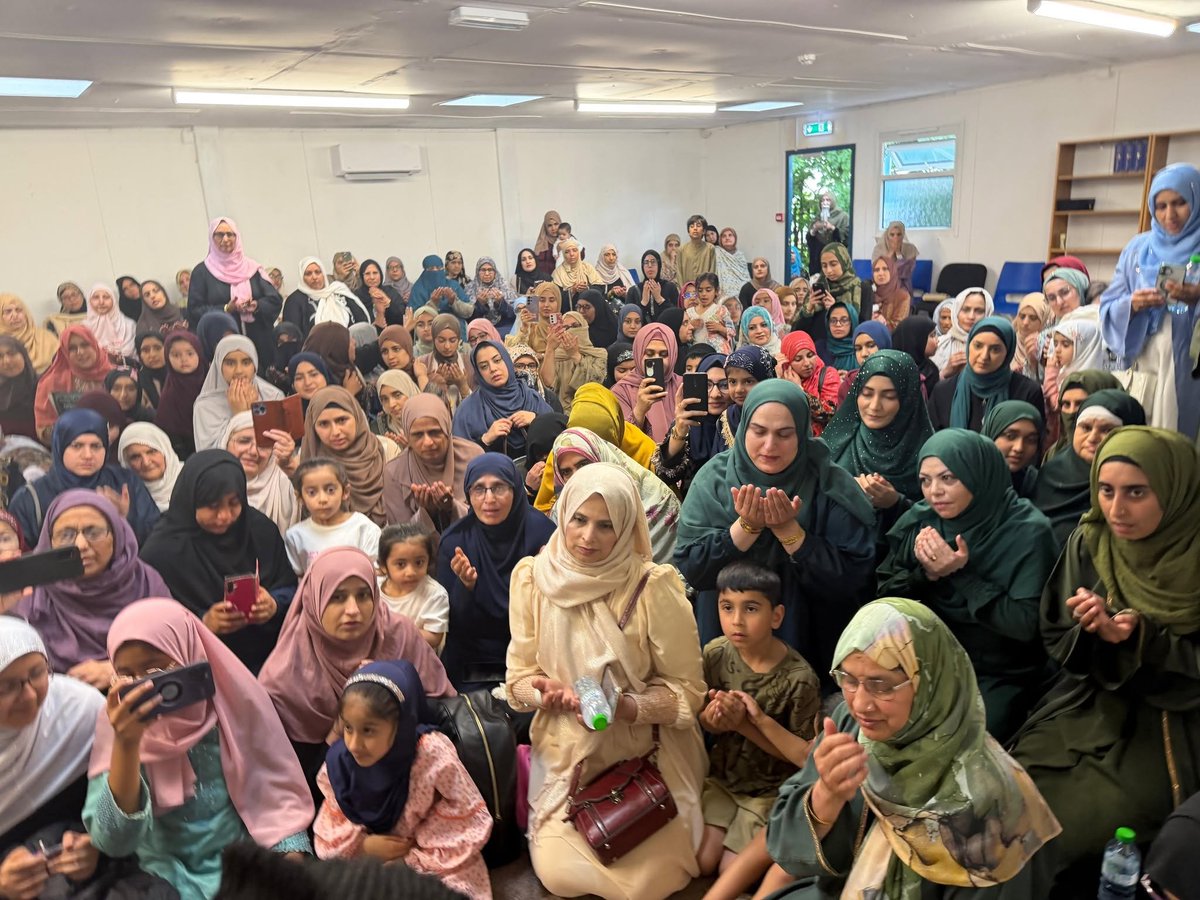
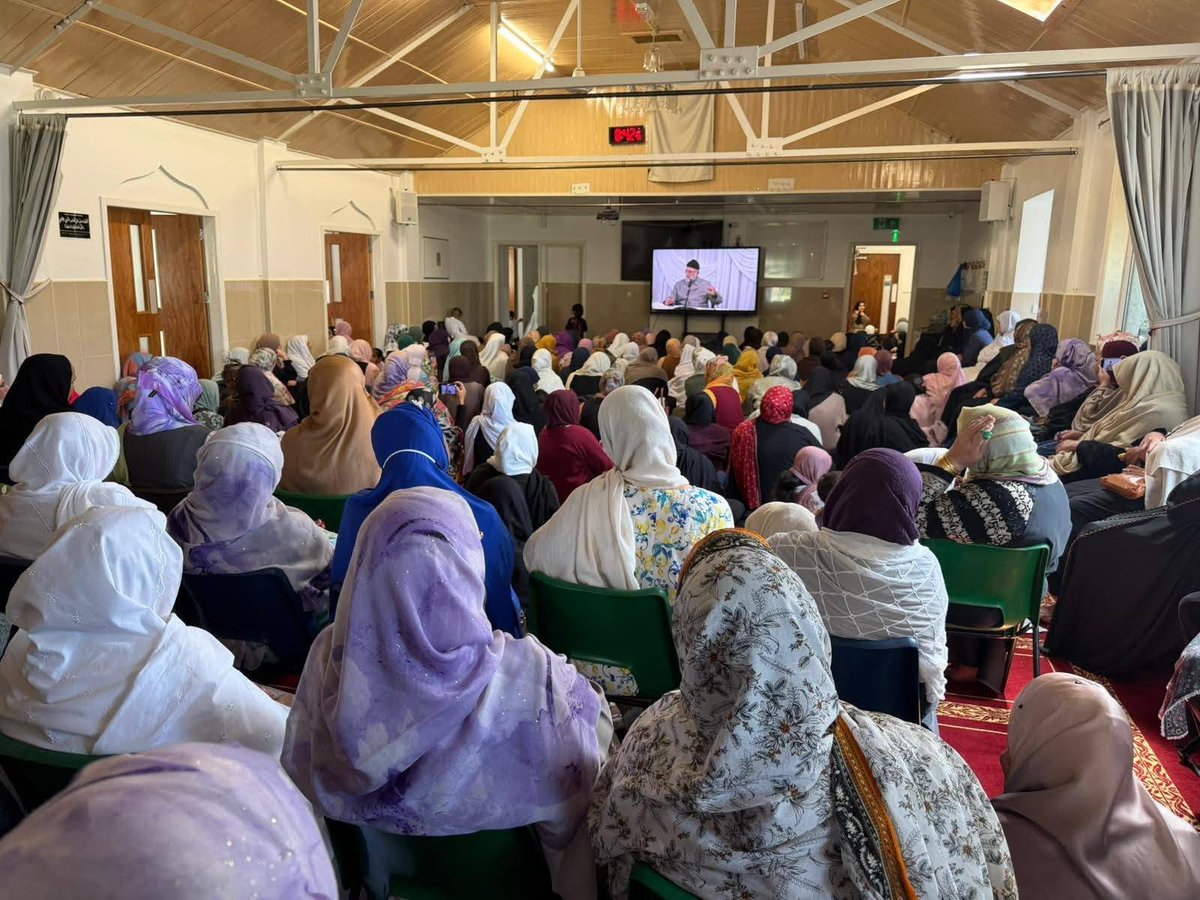
A spiritually uplifting Suhbah gathering was held at Jamia Masjid Minhaj-ul-Quran Nelson in the blessed company of His Eminence Shaykh-ul-Islam Dr Muhammad Tahir-ul-Qadri. Families, elders, youth and community members gathered for Zuhr Salah followed by a profound Naseeha addressing one of the most pressing challenges facing Muslim communities in the West: preserving faith, identity and Islamic knowledge for future generations.
Opening his address with a clear policy statement, Shaykh-ul-Islam declared that Urdu should be established as a mandatory second language across Islamic centres and mosques without delay. His Eminence emphasised that this was not simply a matter of language, but a strategic necessity for preserving access to Islamic scholarship, religious understanding, spiritual etiquette and cultural continuity.
Shaykh-ul-Islam informed attendees that Minhaj Education Society has already developed educational programmes and learning resources specifically designed for Muslim children growing up in Western and European societies. These include Islamic stories, educational content and structured language programmes which centres can immediately adopt and implement.
Explaining the significance of language, His Eminence distinguished between its two primary functions: communication and transmission. Communication facilitates the short-term exchange of information between people, whilst transmission enables knowledge, values, traditions and identity to be passed from one generation to the next.
Shaykh-ul-Islam stressed that the issue of Urdu is not merely linguistic. Rather, it concerns access to religious knowledge, Islamic heritage, spiritual etiquette and the accumulated scholarly legacy of the Muslim Ummah. Whilst losing Urdu does not remove a person from Islam, His Eminence warned that it significantly weakens the transmission of faith, emotional attachment to religion and access to deeper Islamic learning.
Presenting a detailed overview of Islamic scholarship across languages, Shaykh-ul-Islam explained that Arabic contains 100% of the original Islamic sources, including the Holy Qur’an, Hadith, Tafseer and Fiqh.
His Eminence further noted that approximately 25% to 35% of Islamic literature is available in Turkish due to centuries of Seljuk and Ottoman patronage. A similar 25% to 35% is available in Persian owing to the contributions of major Muhadditheen, Mufassireen, scholars and Awliya, including figures such as Imam al-Ghazali.
Shaykh-ul-Islam stated that Urdu possesses an equally rich scholarly heritage, containing approximately 25% to 35% of the wider Islamic corpus. As a result, Urdu serves as a unique bridge through which Muslims of South Asian heritage can access a vast reservoir of religious knowledge.
By contrast, His Eminence explained that German, Spanish and French collectively contain only around 3% to 4% of translated Islamic content, whilst most other European languages contain between 1% and 2%.
Regarding English, Shaykh-ul-Islam explained that only approximately 10% to 18% of Islamic literature is available, with an average of around 14% to 15%. This means that an English-only reader remains disconnected from approximately 85% of the wider Islamic scholarly tradition.
His Eminence further cautioned that the issue is not merely one of quantity but also quality. Whilst translations of certain texts are available, many classical commentaries, scholarly explanations, methodologies, jurisprudential principles and advanced works remain inaccessible in English. Consequently, reliance upon English alone can leave students of knowledge disconnected from the depth and breadth of the Islamic intellectual tradition.
Shaykh-ul-Islam drew attention to the increasing influence of social media and online platforms, warning that many young Muslims are receiving religious guidance from unqualified individuals who possess neither scholarly training nor recognised authority. His Eminence stressed that Islamic knowledge cannot be acquired through isolated reading or internet content alone, just as a person cannot become a doctor, engineer or lawyer merely by purchasing textbooks.
A significant portion of the address focused on the relationship between language, culture and adab. Shaykh-ul-Islam explained that every language carries within it a system of manners, values and social conduct. Urdu, in particular, preserves concepts of respect, honour and reverence through its vocabulary and modes of expression.
His Eminence illustrated how language shapes behaviour towards parents, elders, teachers and scholars. When heritage languages are lost, the culture of respect and refinement carried within those languages gradually weakens. As a result, future generations may retain the name of Islam whilst losing much of its spiritual taste, inherited etiquette and emotional connection.
Shaykh-ul-Islam explained that faith, language, culture and society are reciprocally interconnected. Each reinforces the other and collectively contributes to the preservation of religious identity. When one element weakens, the others are affected.
Expressing deep concern for the future, His Eminence warned that within two generations many Muslim communities in the West risk losing meaningful connection with their faith unless urgent action is taken. He observed that parents often dedicate immense effort towards their children’s worldly education and careers whilst comparatively little attention is given to preserving religious identity, knowledge and spirituality.
Using powerful examples, Shaykh-ul-Islam reminded attendees that the true protection of children lies not in seeking solutions after problems emerge, but in investing in their tarbiyyah from an early age. Religious upbringing, Islamic knowledge, a strong home environment and access to authentic scholarship remain the greatest safeguards for future generations.
His Eminence also announced that this subject forms part of a wider series of seven lectures addressing different aspects of the challenge facing Muslims in the West. Future discussions will examine the responsibilities of parents, homes, mosques, scholars and wider society in preserving faith and identity.
Concluding his address, Shaykh-ul-Islam reminded attendees that investing two or three years in learning Urdu can yield benefits for generations to come. Preserving Urdu, His Eminence explained, is not about language alone; it is about maintaining access to knowledge, adab, spiritual heritage, scholarly depth and a living connection to the faith.
The gathering concluded with a renewed commitment amongst attendees to prioritise the religious upbringing of future generations and to strengthen the means through which Islamic knowledge, values and identity are transmitted in the modern world.
#ShaykhUlIslam #DrTahirUlQadri #MinhajUlQuran #MQINelson #MQIUK #Suhbah #Urdu #IslamicKnowledge #IslamicEducation #Tarbiyyah #Adab #FaithPreservation #MuslimYouth #BritishMuslims #MinhajEducationSociety #PreservingFaith #IslamicHeritage
Birmingham, UK: A private meet-and-greet gathering was hosted by Pir Munawar Hussain Jamati in honour of His Eminence Shaykh-ul-Islam Dr Muhammad Tahir-ul-Qadri.
The gathering brought together a distinguished group of prominent Mashaikh and Ulama, including Pir Niaz-ul-Hassan, Pir Syed Lakhte Hassanain, Pir Syed Bilal Hussain Chishti, Qazi Abdul Aziz Chishti and Dr Musharraf Hussain, among many others.
Representatives of the MQI UK leadership were also present, including Seerat Ali Khan, Shaykh Abu Adam Ahmed Al-Shiraazi, Ahsan Khan and Abdul Raheem.
The gathering provided an opportunity for respected scholars and spiritual leaders to meet His Eminence and benefit from his company, guidance and scholarly insight in an intimate setting.