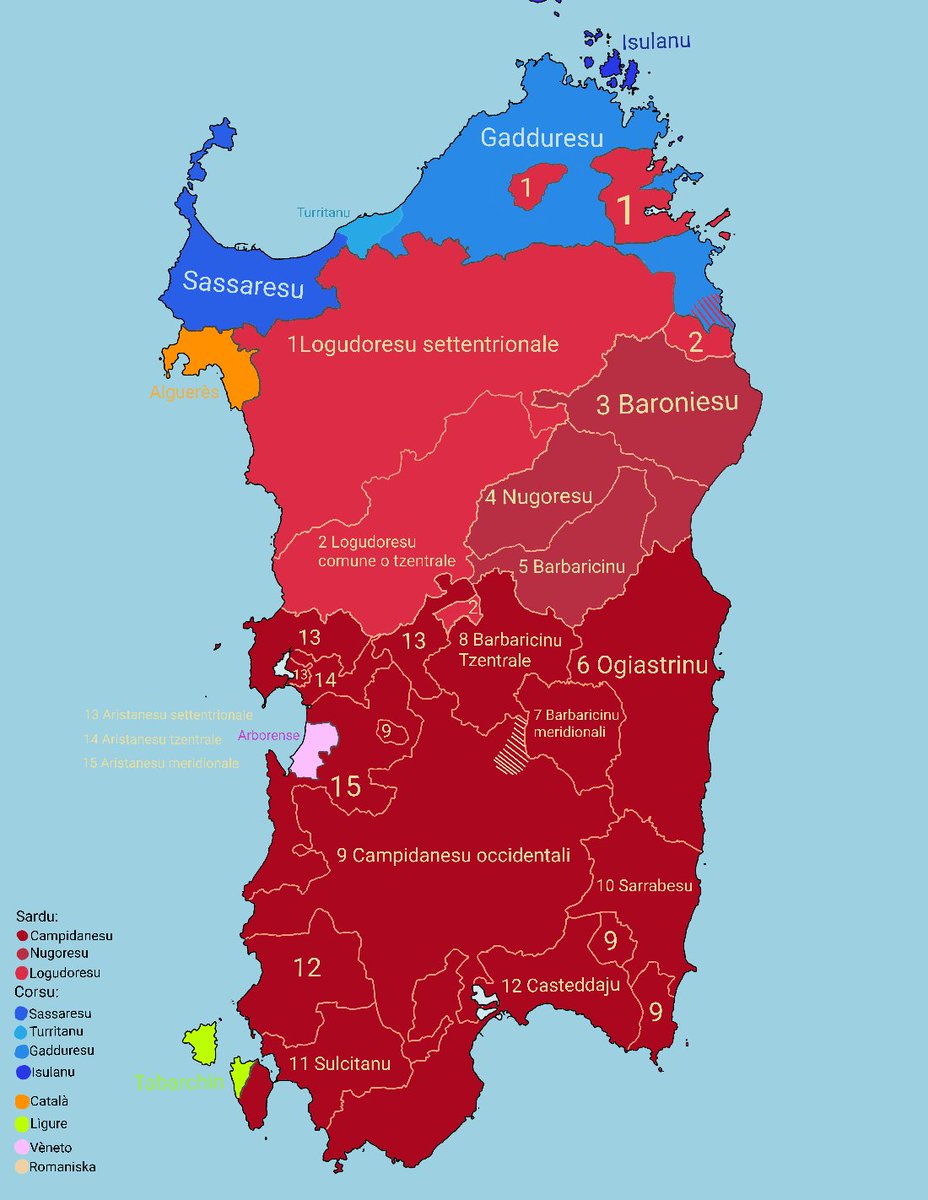
🗣️Sardinia boasts the highest linguistic diversity among the 20 Italian regions.
Recognized languages by Italy include Sardinian and Algherese (a variant of Catalan).
The Autonomous Region of Sardinia also grants official recognition to Ligurian (a Gallo-Italic language from Northwest Italy) and the Corsican-influenced varieties spoken in the north of the island, namely Gallurese and Sassarese.
Additionally, at a local level, the Venetian dialect—a language variety from Northeast Italy—is also recognized.
The Balkans weren’t always this Slavic. Before the 6th century, the region was mostly Roman provinces with Latin-speaking populations mixed with Illyrians and Thracians.
Then everything changed. Starting in the 500s, Slavic tribes began crossing the Danube. At first they came as raiders with the Avars, but soon entire families started settling. They moved into the mountains and depopulated countryside, avoiding the big coastal cities.
Over the next 200 years, they slowly took over most of the inland Balkans. The locals who survived either retreated to the highlands or were gradually absorbed.
By the early Middle Ages, much of the peninsula had become what the Byzantines called “Sclavinia” — Slavic land.
Apollonius of Perga (c. 240 BC – c. 190 BC) was an ancient Greek mathematician known for defining the circle, ellipse, parabola, and hyperbola through the intersection of a plane and a cone at varying angles. The medieval rediscovery of his work, "Conics", contributed to the birth of analytic geometry.
Linear B is now dating at 1480 BC, while until recently it was believed that this system was dating at 1390 BC. Iklaina is believed that it was the capital of an independent state. Which overturns the theory, that the Palace of Nestor dominated throughout the Mycenaean period
Deutsche Lügen über Russland
Teil 1 “Billiges russisches Gas”
Deutsche Politik, Wirtschaft und Medien kollaborierten bei zentralen Kreml-Propagandalügen.
Die öffentliche Meinung wurde so geprägt-
nicht zur zum Schaden Mittel-Osteuropas, sondern auch zum Schaden Deutschlands:
1/7
The Basque language (~1 million speakers) is Europe’s oldest indigenous tongue. It was already spoken in what is now France and Spain when Indo-European languages arrived around 2000BC.
There are approximately 7,000 Basque monoglots (a good indicator of a language’s health).
Unfortunately I don’t believe the U.K. has any true monoglot speakers of Celtic languages, unless anyone knows differently.
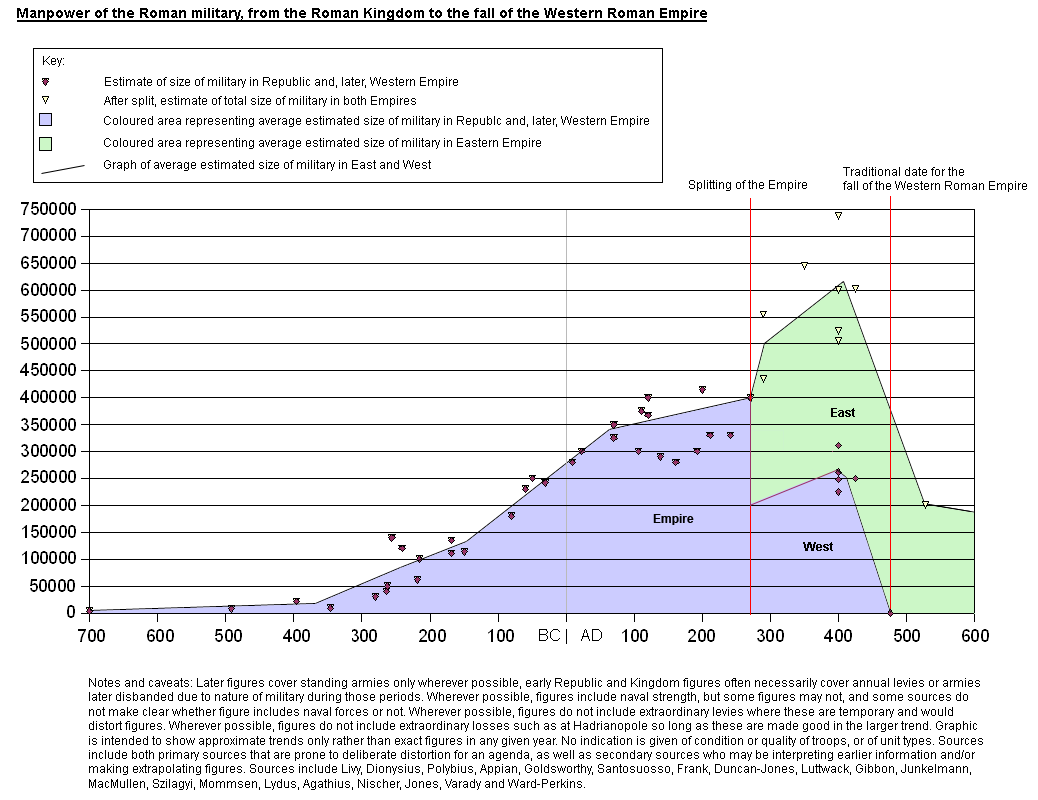
One bizarre question that arises from reading about the fall of the Roman Empire is: "Where the hell are all the soldiers?"
On paper, from documents such as the Notitia Dignitatum, the late Roman army was supposed to have had around half a million troops. Larger than ever before.
Yet time and time again we see barbarian invasions overwhelm Roman defenses, with an unclear military response. And when engagements do happen, the size of the Roman army reported is often smaller than during previous periods in which the total number of troops and manpower available to the empire was supposedly smaller.
So where was this vast Roman army when the Goths spent decades moving throughout the empire, or when the Rhine frontier fell in 406? Or when Rome was sacked and Britain was abandoned in 410? Or when North Africa was overwhelmed and lost? Did it just evaporate?
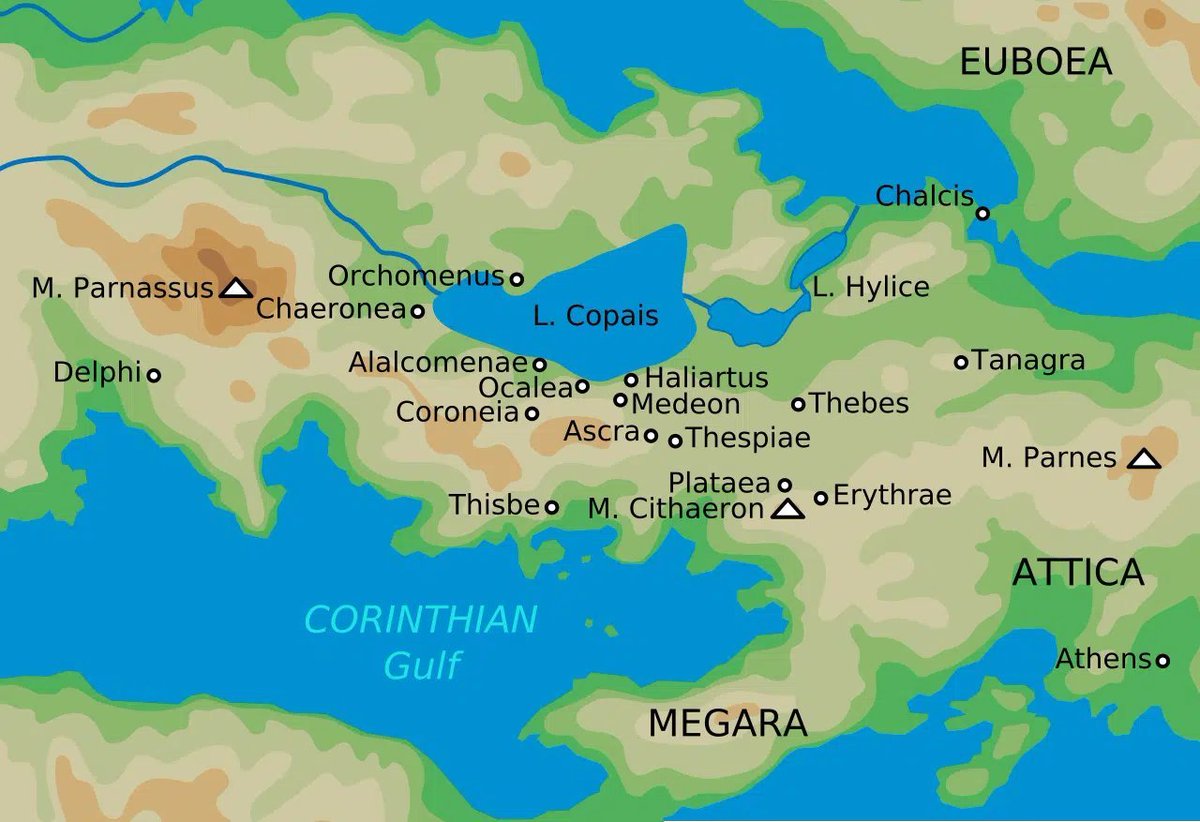
Mycenaean Greeks built a 25km (16 mi) canal system connecting the lake to multiple sinkholes and to the sea to drain it.
This canal system was destroyed during the late bronze age collapse, flooding much of Boeotia. The lake would only be drained again in the 19th century.
194 AD letter of complaint by Petermouthis to the Roman stratēgos about how Dionysios, the police chief of his district, physically abused him and robbed him of his money and the shirt off his back.
People keep calling the Odyssey and ancient Greece “Western heritage” as if they emerged from a western European or even European world.
But the modern “West vs East” divide did not even exist yet.
Ancient Greeks did not see themselves as “westerners.”
They were one civilization among many in the interconnected eastern Mediterranean world alongside Egyptians, Phoenicians, Anatolians, Cypriots, Levantines and Mesopotamians.
And the evidence for this is everywhere.
How many Roman cities survived the Dark Ages collapse?
Comparing a database of 405 Roman cities to a database of medieval cities, we can see that around 33 Roman cities survived as cities into the 8th century.
The rest — around 372 (92%!) — were destroyed or depopulated to become small towns or settlements.
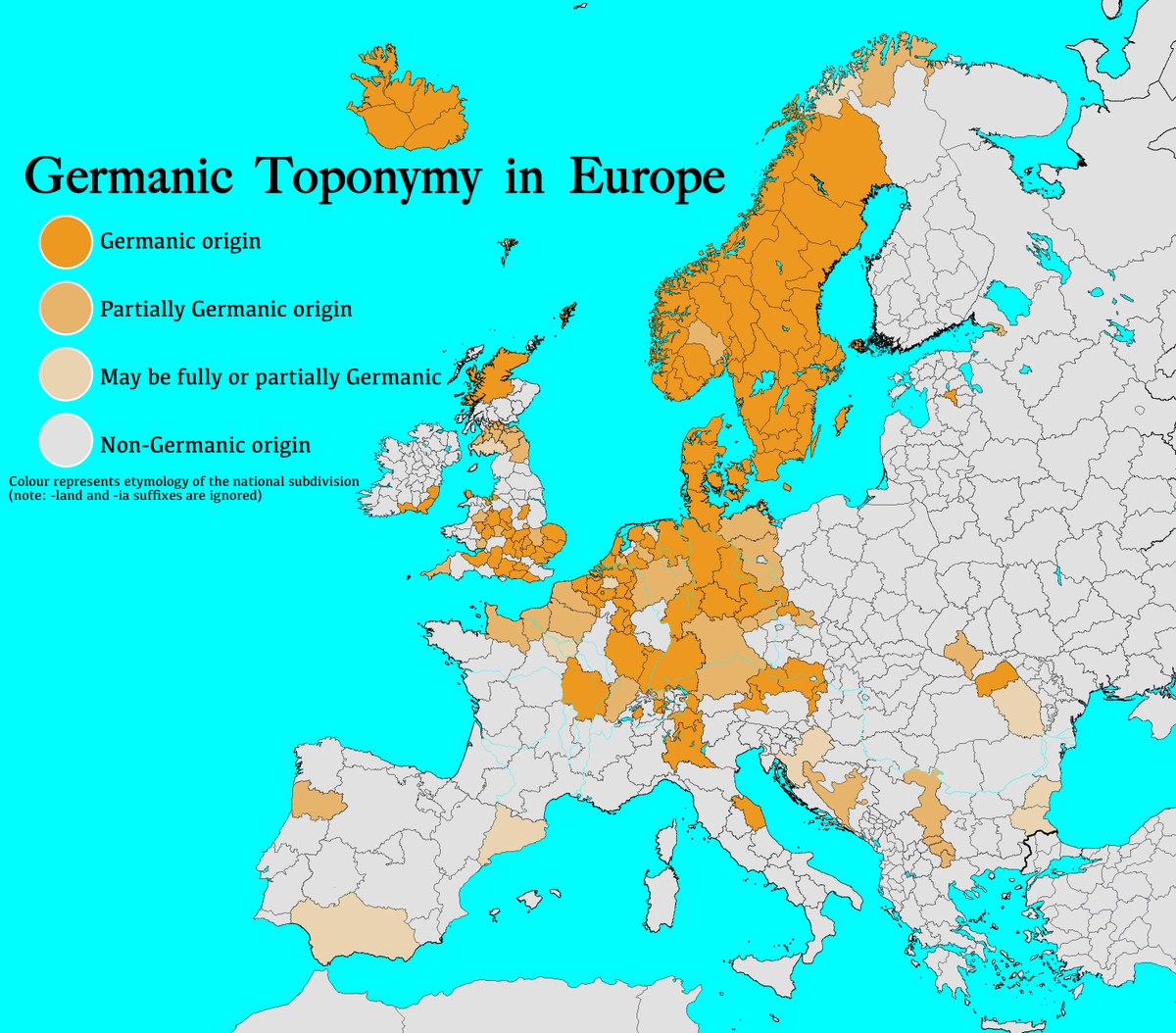
Which European provinces, states, or regions still have a Germanic name today? This map shows the Germanic toponymy of Europe, i.e., the regions still named after Germanic words. You can see it's mostly Central Europe and Scandinavia, but there are some colonies further out.
During the crisis of the third century, the Roman Emperor Carus reigned for one year (282–283), in which he inflicted devastating defeats on Germanic and Sarmatian tribes and on the Sassanid Empire, taking its capital before suddenly dying after being struck by lightning.
At least that is what is reported by the majority of the historical sources, with a general tendency of the earlier and more reliable sources to favor the lightning strike story:
"He died near Ctesiphon by the blow of a lightning bolt." - Epitome de Caesaribus, late 4th century.
"he routed them in the field, and took Seleucia and Ctesiphon, their noblest cities, but, while he was encamped on the Tigris, he was killed by lightning." - Eutropius, c. 369 AD
"Imperator Carus' victory over the Persians seemed too mighty to the Celestial Divinity. For it must be believed to have led to the jealousy of heavenly indignation. For, after he had entered Persia, he devastated it as if no one opposed him and took Coche and Ctesiphon, the noblest cities of the Persians. While, victor over the entire race, he was occupying an encampment beyond the Tigris, he died, having been struck by a bolt of lightning." - Festus, c. 369–370 AD
"he met his death, according to some, by disease, according to others, through a stroke of lightning. Indeed, it cannot be denied that at the time of his death there suddenly occurred such violent thunder that many, it is said, died of sheer fright." - Historia Augusta, late 4th/early 5th Century.
"Carus made war upon the Parthians and captured two of their most famous cities, Coche and Ctesiphon. Afterward, while in his camp on the Tigris, he was struck by lightning and killed." - Orosius, c. 417 AD
"Probus was succeeded by Carus, who marched against the Persians as far as Ctesiphon..but soon afterwards died, according to some, of a disease, though others state, that he was killed by lightning." - Zosimus, New History, early 6th century.
Map of the Vučedol Culture 3000-2500bc
The Vučedol Culture is a poorly understood yet incredibly significant culture, representing the Indo-Europeanization of the balkans, initiation of the bronze age, social stratification, and rise of the warrior caste.
The Vučedol Culture forms first in the Slavonia-Syrmia area between the Danube and Sava around 3000 or 3100bc, formed in the basis of the preceding Kostolac Culture, with influence from the Yamnaya Culture.
You may have noticed that the word for ‘night’ in many languages appears to be that language’s word for ‘eight’ with an ‘N' in front of it.
English: N + eight = Night
German: N + acht = Nacht
French: N + huit = Nuit
Spanish: N + ocho = Noche
Italian: N + otto = Notte
Portuguese: N + oito = Noite
⬇️