Strong communities don't happen by chance. They are built by people who show up, listen, support, and act.
Across the continent, grassroots actors are often the first to identify injustice, support those affected, and connect people to the services they need. Investing in their leadership and knowledge strengthens community responses and helps ensure that rights are not only recognised, but realised.
If you are actively engaged in community work and committed to promoting reproductive justice, we encourage you to apply.
Application deadline: 15 June 2026 | Submit your application here: https://t.co/TiZlaRQsfe
CEHURD is convening a report development retreat for Uganda’s 4th Cycle under the Universal Periodic Review (UPR), ahead of submission to the Office of the United Nations High Commissioner for Human Rights.
This retreat brings together civil society actors to deepen understanding of the #UPR mechanism, reflect on Sexual and Reproductive Health and Rights (SRHR) recommendations from Uganda’s 3rd Cycle, and collaboratively develop a strong, evidence-based submission for the 4th Cycle.
The report will examine a range of human rights issues with direct implications for the right to health, including SRHR, HIV, Female Genital Mutilation (FGM), teenage pregnancies, mental health, disability rights, as well as intersections with education and climate change.
Through this process, partners are contributing technical expertise from their respective areas of focus, strengthening collective advocacy and positioning civil society to more effectively engage duty bearers and advance accountability on Uganda’s SRHR commitments.
𝘛𝘩𝘦 𝘜𝘯𝘪𝘷𝘦𝘳𝘴𝘢𝘭 𝘗𝘦𝘳𝘪𝘰𝘥𝘪𝘤 𝘙𝘦𝘷𝘪𝘦𝘸 (𝘜𝘗𝘙), 𝘭𝘦𝘥 𝘣𝘺 𝘵𝘩𝘦 𝘜𝘯𝘪𝘵𝘦𝘥 𝘕𝘢𝘵𝘪𝘰𝘯𝘴 𝘏𝘶𝘮𝘢𝘯 𝘙𝘪𝘨𝘩𝘵𝘴 𝘊𝘰𝘶𝘯𝘤𝘪𝘭, 𝘪𝘴 𝘢 𝘨𝘭𝘰𝘣𝘢𝘭 𝘱𝘦𝘦𝘳-𝘳𝘦𝘷𝘪𝘦𝘸 𝘱𝘳𝘰𝘤𝘦𝘴𝘴 𝘸𝘩𝘦𝘳𝘦 𝘦𝘷𝘦𝘳𝘺 𝘜𝘕 𝘮𝘦𝘮𝘣𝘦𝘳 𝘤𝘰𝘶𝘯𝘵𝘳𝘺’𝘴 𝘩𝘶𝘮𝘢𝘯 𝘳𝘪𝘨𝘩𝘵𝘴 𝘳𝘦𝘤𝘰𝘳𝘥 𝘪𝘴 𝘳𝘦𝘷𝘪𝘦𝘸𝘦𝘥 𝘦𝘷𝘦𝘳𝘺 𝘧𝘰𝘶𝘳 𝘵𝘰 𝘧𝘪𝘷𝘦 𝘺𝘦𝘢𝘳𝘴. 𝘐𝘵 𝘢𝘭𝘭𝘰𝘸𝘴 𝘨𝘰𝘷𝘦𝘳𝘯𝘮𝘦𝘯𝘵𝘴, 𝘤𝘪𝘷𝘪𝘭 𝘴𝘰𝘤𝘪𝘦𝘵𝘺, 𝘢𝘯𝘥 𝘰𝘵𝘩𝘦𝘳 𝘴𝘵𝘢𝘵𝘦𝘴 𝘵𝘰 𝘢𝘴𝘴𝘦𝘴𝘴 𝘱𝘳𝘰𝘨𝘳𝘦𝘴𝘴, 𝘳𝘢𝘪𝘴𝘦 𝘤𝘰𝘯𝘤𝘦𝘳𝘯𝘴, 𝘢𝘯𝘥 𝘳𝘦𝘤𝘰𝘮𝘮𝘦𝘯𝘥 𝘢𝘤𝘵𝘪𝘰𝘯𝘴 𝘧𝘰𝘳 𝘪𝘮𝘱𝘳𝘰𝘷𝘦𝘮𝘦𝘯𝘵, 𝘩𝘦𝘭𝘱𝘪𝘯𝘨 𝘴𝘵𝘳𝘦𝘯𝘨𝘵𝘩𝘦𝘯 𝘢𝘤𝘤𝘰𝘶𝘯𝘵𝘢𝘣𝘪𝘭𝘪𝘵𝘺 𝘢𝘯𝘥 𝘩𝘶𝘮𝘢𝘯 𝘳𝘪𝘨𝘩𝘵𝘴 𝘱𝘳𝘰𝘵𝘦𝘤𝘵𝘪𝘰𝘯 𝘸𝘰𝘳𝘭𝘥𝘸𝘪𝘥𝘦.
#UPR
#UPR4thCycle
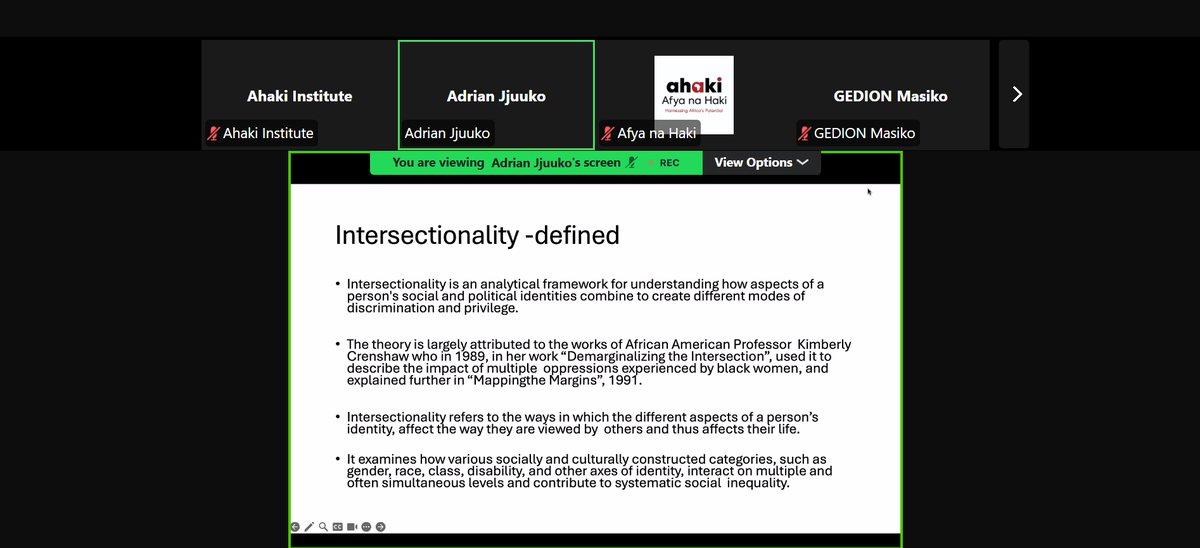
Day 3 of the Advanced Short Course on Advocacy for Reproductive Justice in Africa: Age as a Determinant of SRHR explored intersectionality, examining how overlapping aspects of identity and social positioning interact to influence people’s experiences of power, discrimination, and privilege. Discussions grounded this framework in the theme “Age, Power, and Invisible Struggles,” reflecting on how age intersects with other social and cultural factors to influence whose voices are amplified and whose challenges often remain unseen within the Reproductive Justice movement.
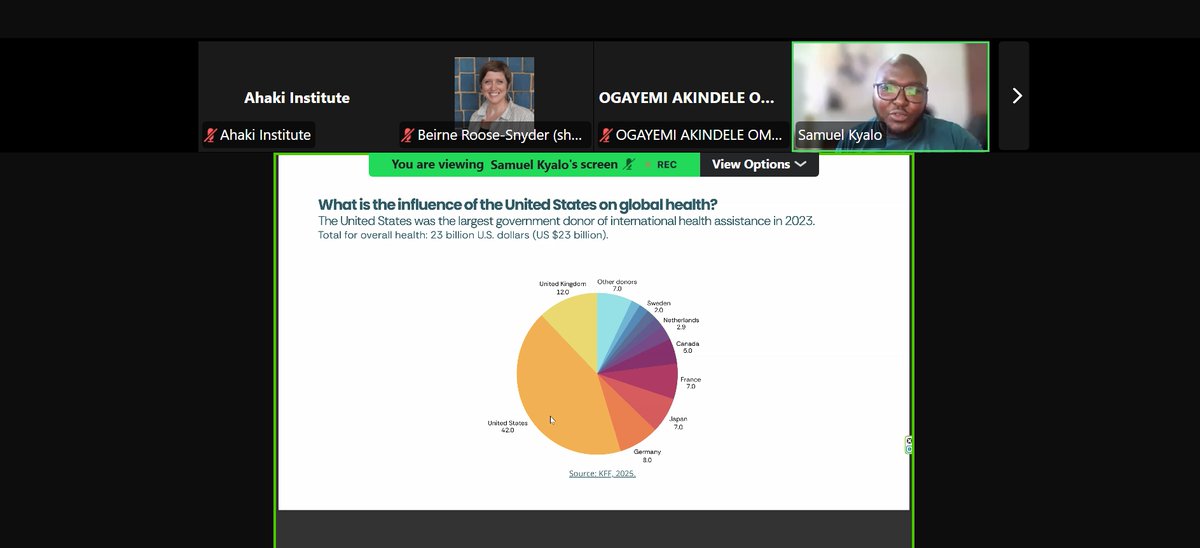
The afternoon session unpacked the Global Gag Rule, examining its implications for organizations, advocacy efforts, and access to reproductive health services across Africa. It was a day of reflection and shared learning as participants continued strengthening advocacy for inclusive and equitable SRHR across the continent.
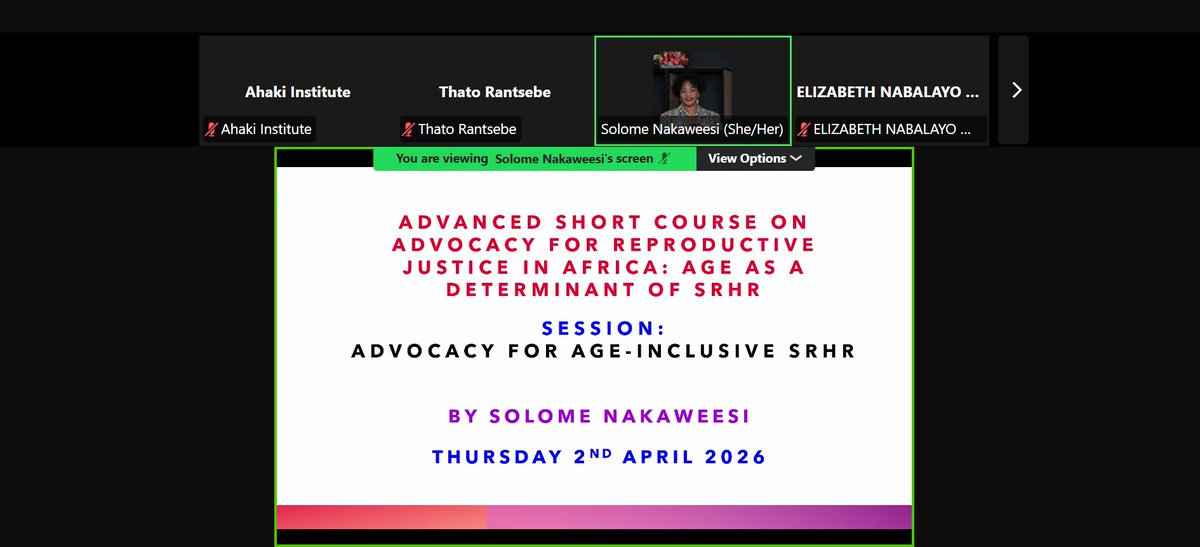
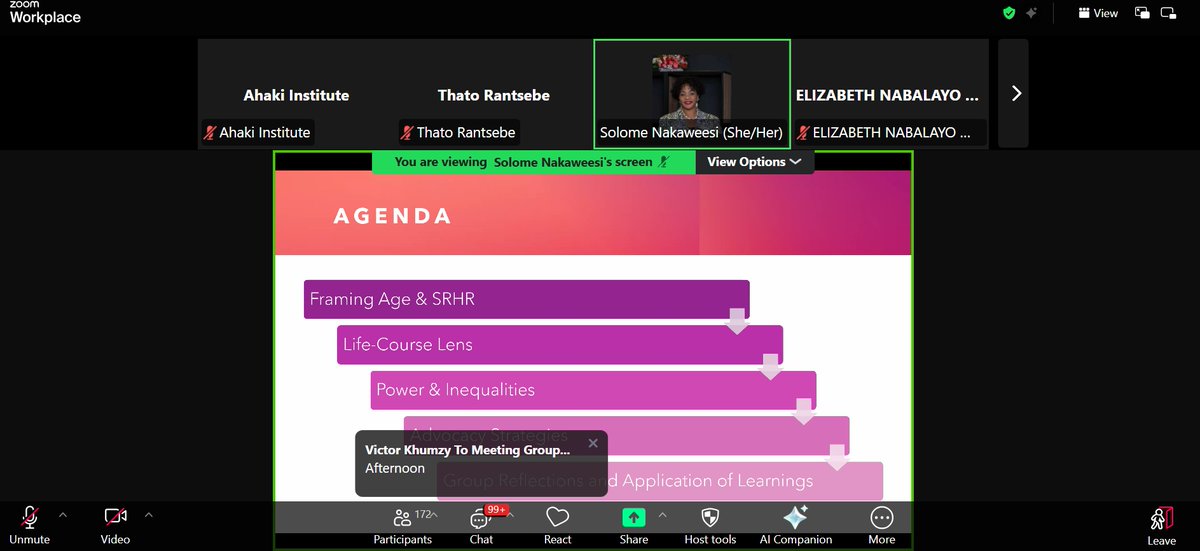
Day 4 of the Advanced Short Course on Advocacy for Reproductive Justice in Africa: Age as a Determinant of SRHR, centered on age-inclusive advocacy and the digital transformation of SRHR, examining how technology, global politics, and policy environments shape access to reproductive health services. Discussions grounded this framework in the theme “Digital Frontlines and Age-Inclusive SRHR,” reflecting on how digital platforms can both amplify marginalized voices and create new barriers to equitable access across different age groups.
The afternoon session explored SRHR in the digital age, highlighting opportunities and challenges for advocacy, information dissemination, and community engagement. It was a day of critical reflection and collaborative learning as participants deepened their strategies for leveraging technology to advance reproductive justice for all ages across Africa.
Days one and two of the Advanced Short Course on Advocacy for Reproductive Justice in Africa: Age as a Determinant of Sexual and Reproductive Health and Rights (SRHR) focused on understanding how age influences access to sexual and reproductive health and rights across the continent. Participants examined the relationship between SRHR, reproductive justice, and age, while reflecting on how Africentric perspectives can reshape how we understand age, reproduction, and autonomy.
The sessions also explored how laws, policies, and power structures affect access to reproductive health services. Discussions considered legal responses to age-based restrictions in SRHR and how age operates as a systemic factor shaping people’s reproductive lives. These conversations are helping participants think more critically about how advocacy, law, and policy can respond to age-related barriers to reproductive justice in Africa.
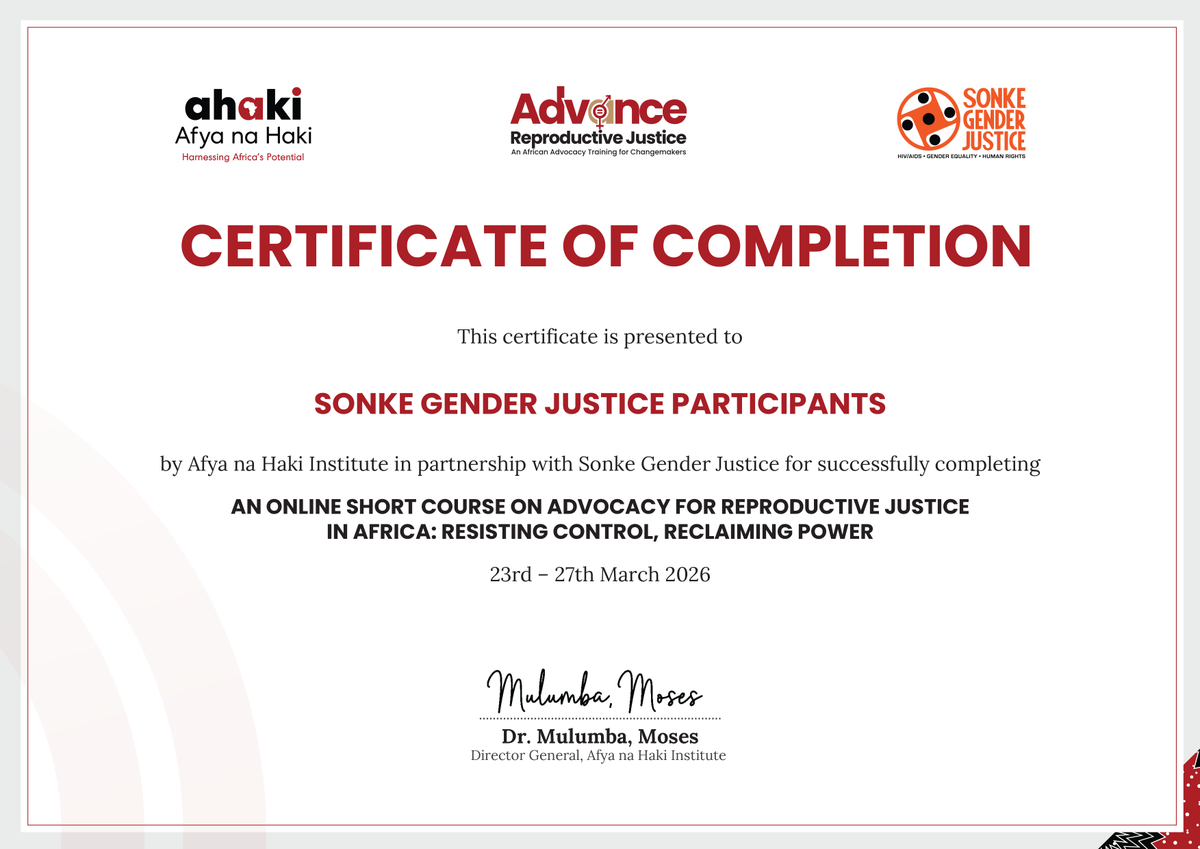
Congratulations to all participants on successfully completing the Advanced Short Course on Advocacy for Reproductive Justice in Africa: Resisting Control, Reclaiming Power! 🎉
Your passion, commitment, and bold advocacy initiatives are inspiring. You are now better equipped to resist control, reclaim power, and advance lasting change for reproductive justice across Africa.
Well done and keep pushing forward! ✊🏾
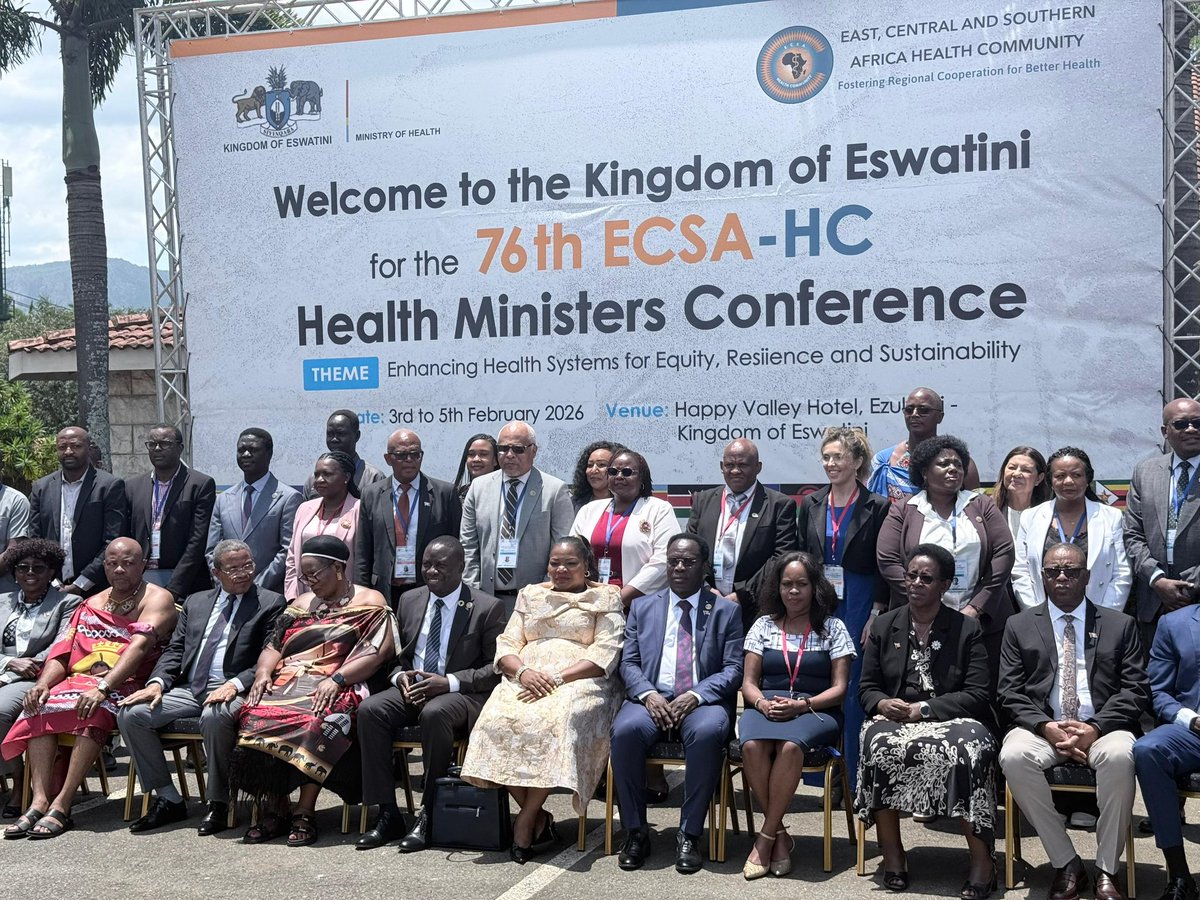
Translate policy commitments into practice to build shock-responsive health systems capable of withstanding future crises. This is the central call emerging from the ongoing ECSA Ministerial Conference in Eswatini, where Health Ministers from Member States have reaffirmed their commitment to advancing health security and health sovereignty across Africa. Discussions have emphasized the power of regional solidarity in strengthening health systems, the urgency of building strong local manufacturing capacity, and the importance of innovative financing to ensure sustainability.
@afyanahakiug is actively participating in the conference, continuing to champion regional solidarity and policy diplomacy to protect health rights and advance resilient health systems. Through regional cooperation and sustained action, we are working toward a healthier and more secure Africa.
#ECSAHC2026
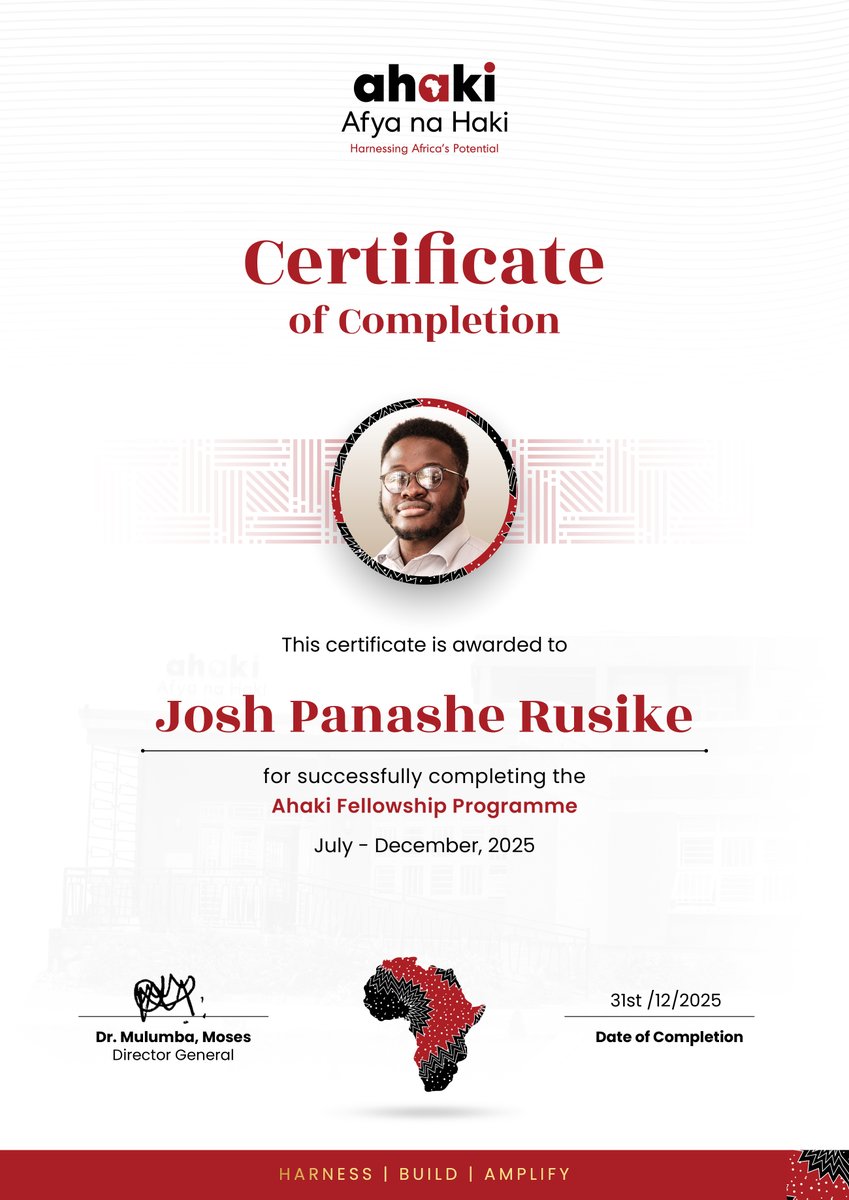
Josh, your contribution to the @afyanahakiug fellowship has been nothing short of transformative. The zeal you bring, the effort you invest, and the conviction you hold for advancing health, human rights, and SRHR have left a meaningful mark. As you step into the next stages of your journey, we trust you’ll continue harnessing Africa’s potential. It has genuinely been a pleasure working alongside you.
Many students at @Ahakiinstitute benefit from the fellowship and #Ahakimentorship programmes, and also have opportunities to participate in the various short courses offered and regional conferences such as the Reproductive Justice Litigation Baraza organized by @afyanahakiug
Meet Elizabeth Nakanjako, a Bachelor of Sexual and Reproductive Health student at @Ahakiinstitute whose experience goes beyond the classroom. In her journey, she has gained more than academic knowledge. She has engaged and participated in the institute's mentorship programmes and other activities, and built confidence through hands-on exposure.
She shares how @Ahakiinstitute has helped her balance school, work, and life, reminding us that education here grows with you and not against you. Her story reflects the kind of supportive learning environment we offer and the opportunities students receive to learn, lead, and show up fully.
If you are looking for holistic learning and real opportunities, @Ahakiinstitute welcomes you.
📩 Applications for the February 2026 intake are now open: https://t.co/SKIQysGjnR
Nomazwe Macebo reflects on how the @afyanahakiug Fellowship Programme deepened her commitment to reproductive justice and strengthened her resolve to continue working in this field. In this short video, she shares what the journey meant to her and why she remains passionate about advancing reproductive justice beyond her community.
Learn more about the Programme on our website: https://t.co/TvJZcucuTp
Deadline Approaching🚨!
Only a few days left to apply for the 2026–2027 Africa Reproductive Justice Litigation Fund.
Indigenous African organisations working to advance reproductive justice are encouraged to apply before 12 December 2025.
Don’t miss the chance to strengthen jurisprudence, catalyse Africentric legal transformation, and be part of advancing Africentric Reproductive justice across the continent.
Apply now: https://t.co/YaSjGyhCuL
-----
La date limite approche🚨 !
Il ne reste que quelques jours pour faire une demande de fonds de litige pour la justice reproductive en Afrique 2026-2027.
Les organisations africaines autochtones qui travaillent à faire progresser la justice reproductive sont encouragées à postuler avant le 12 décembre 2025.
Ne manquez pas l'occasion de renforcer la jurisprudence, de catalyser la transformation juridique africentrique et de faire progresser la justice reproductive africentrique à travers le continent.
Postulez maintenant : https://t.co/YaSjGyhCuL
#AhakiForAfrica
Excited to lead this conversation on navigating the delicate balance between observing personal data protection and providing consumers with a worthwhile experience in the creative sector. Please join us if you can.
Register via: https://t.co/t6BMn4V7U8
Episode 2 Alert!
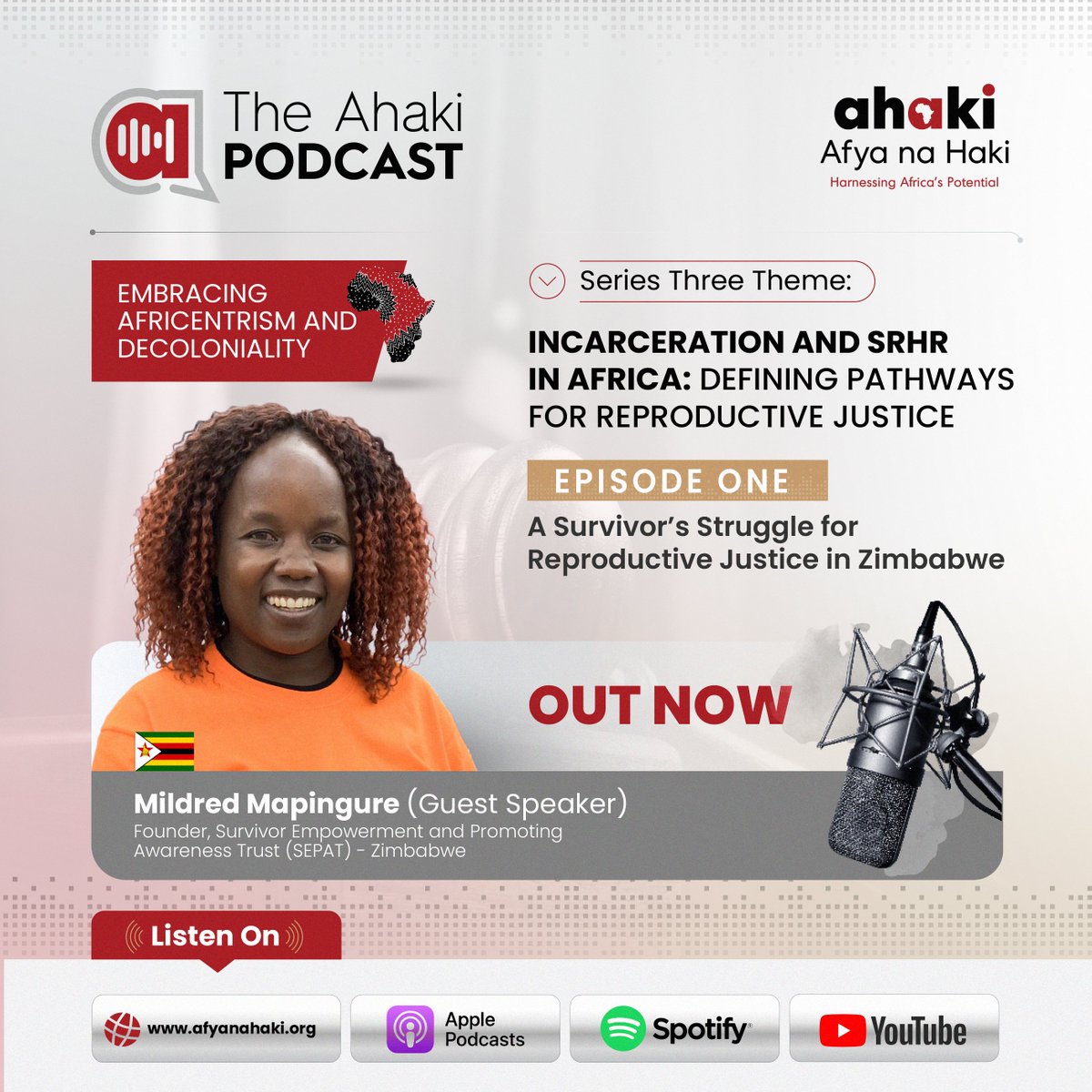
Mildred Mapingure, survivor, advocate, and the woman behind Zimbabwe’s landmark reproductive justice case (Mapingure v Minister of Home Affairs & Others), shares her journey through pain, injustice, and courage. She exposes how justice and health systems can fail those who need them most, revealing the harsh realities of systemic barriers to reproductive healthcare and the fight for bodily autonomy in Africa. Her story confronts violence endured, laws weaponized against her, and the determined courage it takes to demand change. Raw, emotional, and urgent, this episode challenges us to rethink justice and fight for reproductive freedom.
This is a story that refuses to be forgotten, one that will stay with you long after the episode ends, demanding that we reimagine justice.
Tune in and listen now: https://t.co/Gls3sfQkVd
Watch the Episode: https://t.co/FbYU1CHgoo
#TheAhakiPodcast
We’ll be at the International Conference on Family Planning (@the_ICFP) 2025!
Our team can’t wait to join global leaders, researchers, and advocates to share ideas, spark new collaborations, and explore fresh ways to advance reproductive health and rights for all.
We’re excited to bring @afyanahakiug’s voice, experiences, and evidence-driven insights to the conversation.
At the MLS Career Day held today, Dr. Busingye Kabumba, Director-HURIPEC represented the Dean. In his remarks, he welcomed the panelists to @MakerereLaw and thanked them for allocating their precious time to speak to the students. He expressed hope that students learn something from the speakers which will inspire them during their studies and future careers.
"I look forward to being fully mentored. I am ready to learn, unlearn, and relearn. I am eager to dive deeper into complex SRHR policies, legal frameworks, and advocacy approaches through an Africentric lens. I am excited to exchange experiences with other young leaders and apply new insights to strengthen community-based SRHR programmes in Tanzania and beyond." - @Elibarick_
#AhakiMentorship
Hawa Mbabazi shared that the #AhakiMentorship Programme is a chance for her to learn and apply skills that can make a real difference. She believes the experience will shape her career in a meaningful direction and described feeling inspired to take this important step toward building something impactful within the SRHR and social justice space.
As the residential workshop begins on Tuesday, 28 October 2025, marking the start of the six-month mentorship journey, Hawa joins a vibrant cohort of emerging leaders dedicated to advancing reproductive justice across Africa.
Through the #AhakiMentorship Programme, mentors will guide mentees in building practical skills, strengthening critical thinking, and developing impactful ideas that challenge systemic injustices and inspire meaningful change.
They bring together deep experience in litigation, advocacy, innovation, policy, research, technology, and curriculum development, united by a shared commitment to advancing reproductive justice across Africa and beyond.
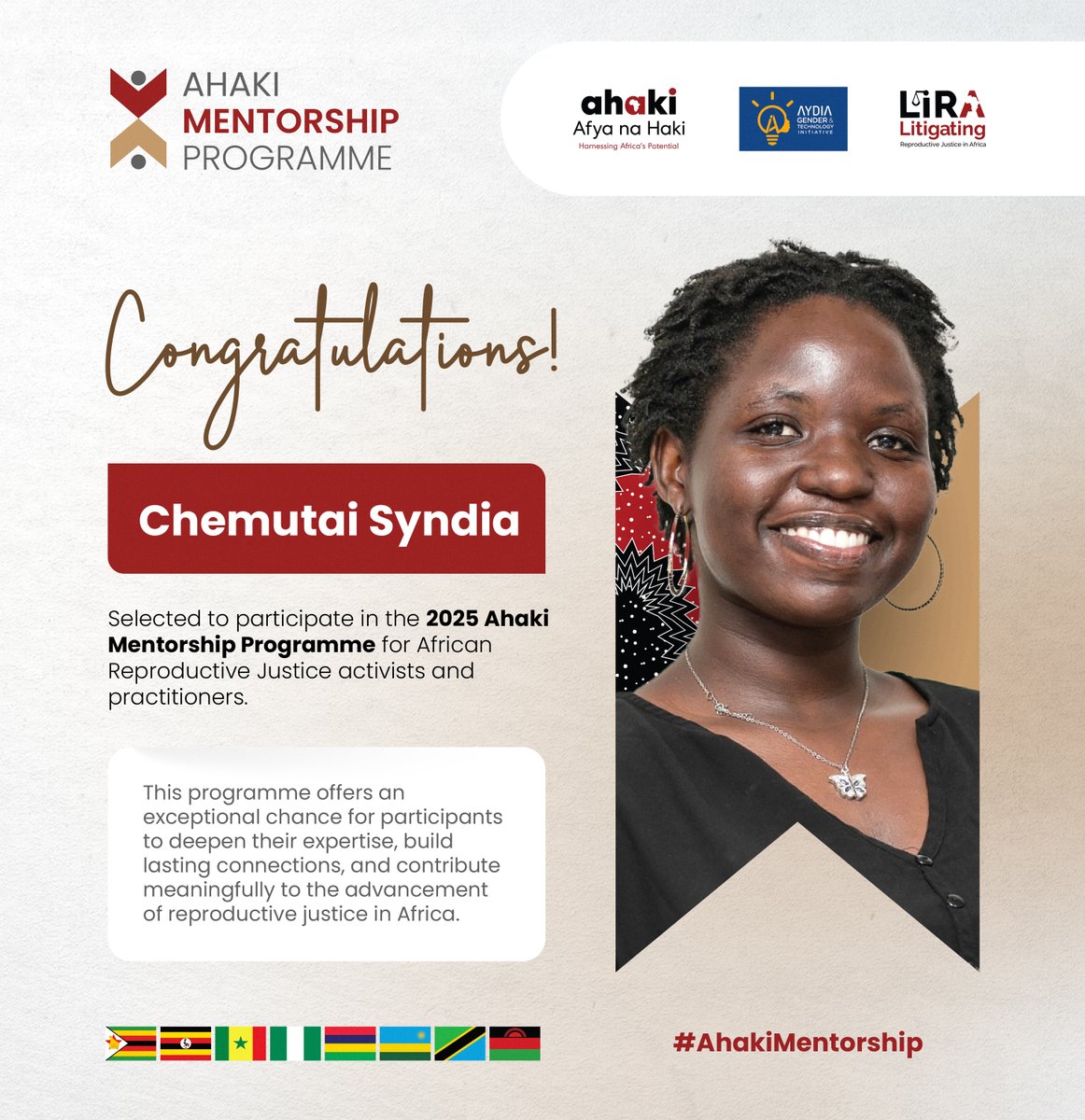
"I am truly honored to be selected for the 2025 #AhakiMentorship Programme. I look forward to receiving personalized guidance that aligns with my goals and addresses my specific areas of development in human rights and development work. I value a mentorship experience built on trust, openness, and honest dialogue with my mentor(s). Through this programme, I hope to enhance my skills, gain fresh perspectives, and grow both personally and professionally. Ultimately, I aspire to emerge from the programme empowered to pursue my aspirations with confidence, wisdom, and meaningful support."
— Syndia Chemutai