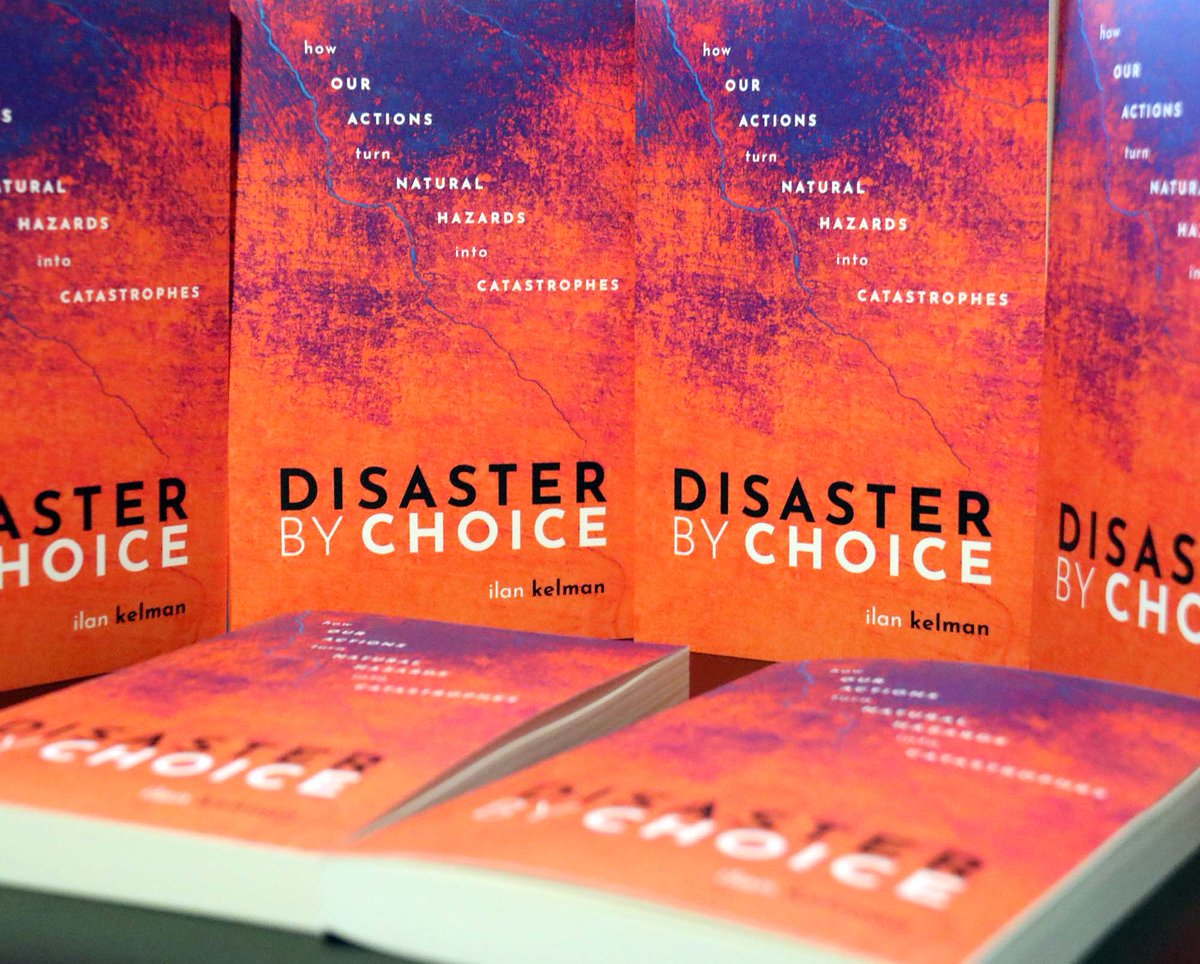
RADIX will shortly share some exciting #teaching materials and resources on #ethics in #disaster studies - thanks to @ltraczy. Watch this space: https://t.co/5QAQInkTiJ
Have a watch at these video interviews with pioneers of #DRR: https://t.co/ihhAJhPUYM. Thank you so much to Bruno Haghebaert for leading this initiatives and helping us learning from the past! @IlanKelman@UNDRR@PreventionWeb
9. Hello again, @akgungor_c continues from where he has left :) So, I tend to think of #disasters as systemic “radiographs”. I’m not sure when I first came up with this analogy but I usually associate this idea with my own experience as a search & rescue volunteer.
1. Hello Radix’ers, @akgungor_c here. I’m glad to be with you this week. It will be a pleasure for me to post here. My thing is to generate and “mobilize” information & knowledge to assist organizations and communities with respect to emergencies & disasters.
How incredibly privileged I was to have these amazing children as co-researchers. Who else would've otherwise taught me that the only way to do research is “fun” and then become DRR champs?
See for yourself https://t.co/uKh1aJpQC2 P. 134-188; 295-313
#CCDRR
In celebration of children’s empowered participation in research, I am introducing you to the groundbreaking masterpiece by my 24 co-researchers:
https://t.co/n4oDi4UxaG P. 134-188; 295-313
If only I could name them all without compromising CQU Human Research Ethics standards!
👏
While speaking with the Child-centred DRR project staff in Bangladesh, I found that the programs were heavily dominated by “Upward Accountability” which imposes strong bureaucratic obligations requiring NGOs to design CC-DRR programs according to the donors’ investment criteria.
My greatest inspiration is “myself when I was a child”. Although as an adult researcher now I have more knowledge and experience than her, when it comes to research designing, I come to her, we have a chat in silence, even loud sometimes: “child me” and “now me”. It always helps!
Let's talk methodology today. How can we design research in a way that is democratic, humanistic, and child-friendly? Please share your views and references that inspired you.
Since the power inequalities between children and adult researchers are inevitable, we should seek their assistance in understanding their views, instead of treating them as research objects. And when you try to do that, the villain appears- Ethics Bureaucracy👿What's your story?
In 2018 I was doing a focus group with kids in Bangladesh to learn from them about their school disaster education curriculum. They said it was all in the textbook and boring. I asked why the textbook was not enough and the rest of it is history 🤭
More in comments
#DRRCurriculum
@DisastersRadix For those who are still thinking I can't ride a bike, here is an update: I came back to Australia from that field trip and the first thing I did was learning to ride. Don't believe? The video is for you 😎
How many ways children can inspire us, hey! What is your inspiration?
We're the Planeteers,
You can be one too!
'Cause saving our planet is the thing to do,
Looting and polluting is not the way,
Hear what Captain Planet has to say:
"THE POWER IS YOURS!!"
#ChildEmpowerment#ClimateEmergency#DRR#CaptainPlanet
Captain Planet! He is our hero!
Being a 90’s kid I remember many occasions while playing with friends and some pretend disaster would occur, we all would be shouting out the special words so he would appear and save the planet. Yes, I am talking about the TV series @CaptainPlanet