@pbakaus /typeset because mostly AI fails on font sizes and colorizations. Can you add a skill for SVG/icon handling? Agents always try to build SVG by themselves, but I want them to stick with certain icon lib or find the SVG on the Internet.
Introducing Claude Opus 4.7, our most capable Opus model yet.
It handles long-running tasks with more rigor, follows instructions more precisely, and verifies its own outputs before reporting back.
You can hand off your hardest work with less supervision.
Want to play around with Ollang's platform?
Sign up at https://t.co/HPIfBWpSPu today and
leave a quick comment on this post.
I'll double your free credits so you can fully test the Ollang Platform.
@OfficialLoganK Gemini 3.1 Flash TTS is now on Ollang, and it feels like a real upgrade. The instruction following is sharper and the stability is way better than 2.5 Flash TTS. Excited to keep playing with it ⚡
@OfficialLoganK Gemini 3.1 Flash TTS is now on Ollang, and it feels like a real upgrade. The instruction following is sharper and the stability is way better than 2.5 Flash TTS. Excited to keep playing with it ⚡
AI agents are here, but...
Multimodal localization infra was still missing.
So we built it👇
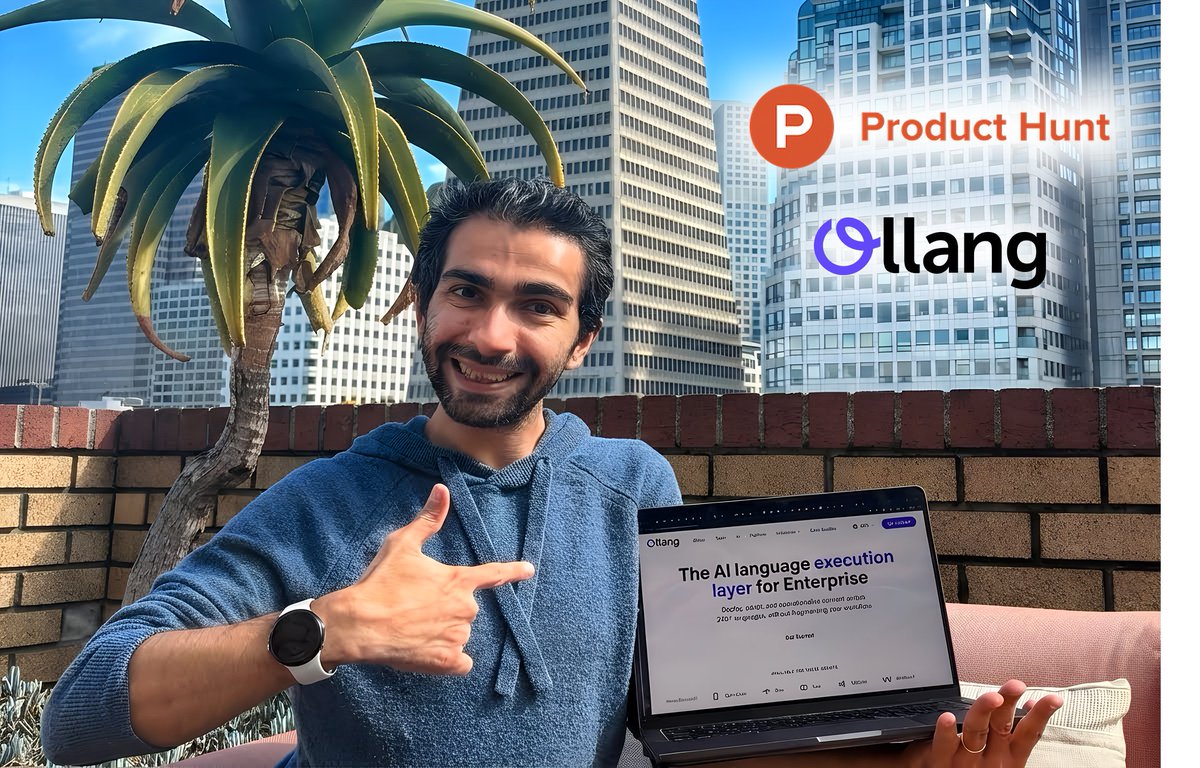
Ollang MCP, Skills, and SDK are now live on Product Hunt to help developers handle localization across file types, formats, and workflows.
Would love your support: https://t.co/qvGisigtb7
Thank you 💜
@Ollang_ai #Ollang #ProductHunt #AI #Localization #Developers #MCP #SKILLS
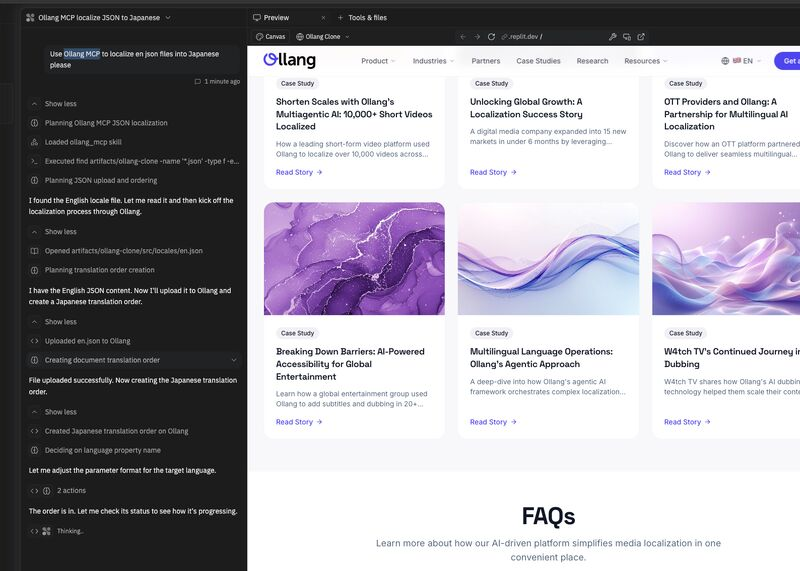
We’ve refreshed our landing page as part of our migration to Replit, leveraging Replit Agent 4 to accelerate development and iteration.
Ollang MCP served as the localization infrastructure layer, enabling seamless translation and a consistent multilingual experience across the site.
We’ll be sharing more details on our approach and learnings soon.
Explore the new experience: https://t.co/a2gCEwCv3M
#Ollang #MCP #Replit #Localization
Software horror: litellm PyPI supply chain attack.
Simple `pip install litellm` was enough to exfiltrate SSH keys, AWS/GCP/Azure creds, Kubernetes configs, git credentials, env vars (all your API keys), shell history, crypto wallets, SSL private keys, CI/CD secrets, database passwords.
LiteLLM itself has 97 million downloads per month which is already terrible, but much worse, the contagion spreads to any project that depends on litellm. For example, if you did `pip install dspy` (which depended on litellm>=1.64.0), you'd also be pwnd. Same for any other large project that depended on litellm.
Afaict the poisoned version was up for only less than ~1 hour. The attack had a bug which led to its discovery - Callum McMahon was using an MCP plugin inside Cursor that pulled in litellm as a transitive dependency. When litellm 1.82.8 installed, their machine ran out of RAM and crashed. So if the attacker didn't vibe code this attack it could have been undetected for many days or weeks.
Supply chain attacks like this are basically the scariest thing imaginable in modern software. Every time you install any depedency you could be pulling in a poisoned package anywhere deep inside its entire depedency tree. This is especially risky with large projects that might have lots and lots of dependencies. The credentials that do get stolen in each attack can then be used to take over more accounts and compromise more packages.
Classical software engineering would have you believe that dependencies are good (we're building pyramids from bricks), but imo this has to be re-evaluated, and it's why I've been so growingly averse to them, preferring to use LLMs to "yoink" functionality when it's simple enough and possible.
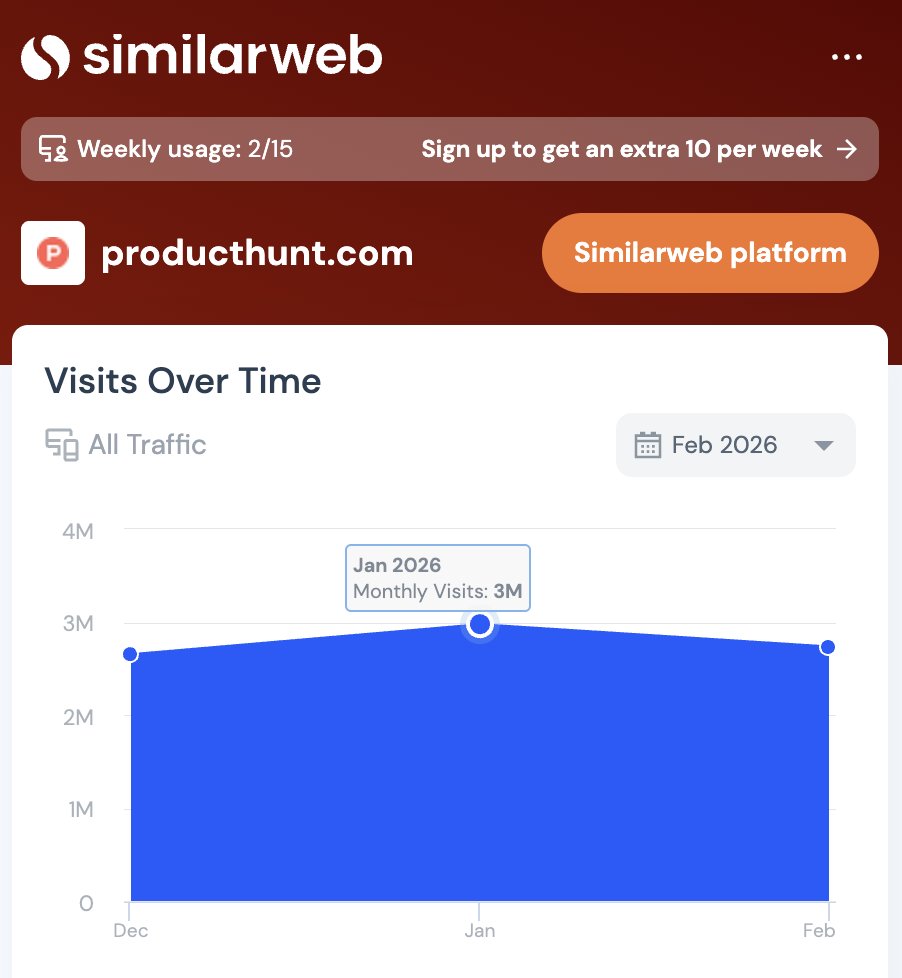
@fmerian I agree, 3M monthly visits is massive, and the secondary impact from resharing across other platforms is also valuable. Grateful to everyone who has built and nurtured this community.
Ollang Skills is now live!
https://t.co/3aLvp3wC4X
Install with one command:
npx skills add ollang/skills
It can handle:
• Video subtitles and dubbing
• i18n files (JSON, YAML, etc.)
• Any JSON structure
• HTML pages
• Full app strings (mobile / backend / desktop)
• Bulk docs, markdown, and more...
If you’ve ever struggled with traditional translation workflows, this is worth trying on a branch.
Curious to hear feedback. Tag someone still fighting legacy localization tools.
@Ollang_ai #Ollang #skills #i18n #localization #AITools
AI QC Eval for Document Localization
Confidently review and refine AI-generated translations before delivery. Improve accuracy, and ensure every document meets your quality standards seamlessly within the Ollang Dashboard.
Smarter quality control. Better localization. Every time. ✨
#Localization #GlobalContent #AIQuality #OllangAI
We are looking for a Founding Engineer to join us at @Ollang_ai in San Francisco (in-person).
If you’ve ever shipped AI to production, you know the truth: models are only a small part of the work. The hard part is everything around them, designing systems that are reliable, scalable, observable, secure, and actually usable by enterprise customers.
That’s exactly what we’re building. Ollang is an enterprise platform for multi-modal localization across video, audio, images, documents, and text, powered by Agentic AI workflows and strong infrastructure. It’s already in production with demanding customers, and this role will shape the backbone.
If you want real ownership and enjoy building end-to-end, I’d love to talk. If you know a great fit, please connect us.
Apply here: https://t.co/luMBvdTURO
@sawyerhood This is such a powerful feature! Being able to test code directly in the browser and see console errors instantly eliminates so much back-and-forth debugging. The real-time validation in the browser context is a game changer for development workflows.