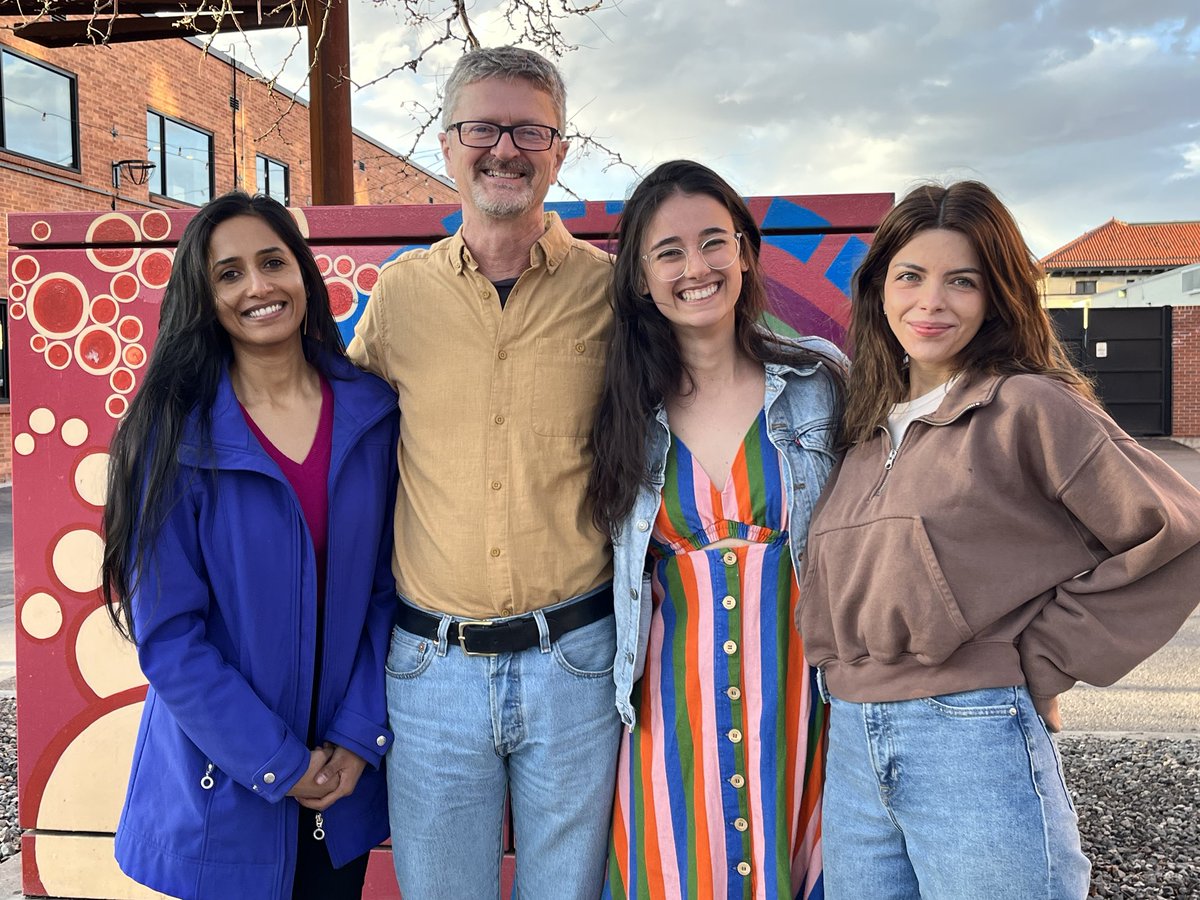
To close out #TeacherAppreciationWeek, we want to give one last shout out to all of the phenomenal Noyce Scholars, Fellows, and Alumni out there. Thank you for your work and uplifting the mission of Noyce! #ThanksNoyceTeachers
New #SNRJournal article by @DaniLinHunter1, Callan A. Knebel, Gregory J. Newman & @MBalgopal. #CitizenScience expands the scale of research & enhances learning and civic engagement. Yet unequal prioritization of goals complicates achieving such outcomes.
https://t.co/8nkYAOfpuR
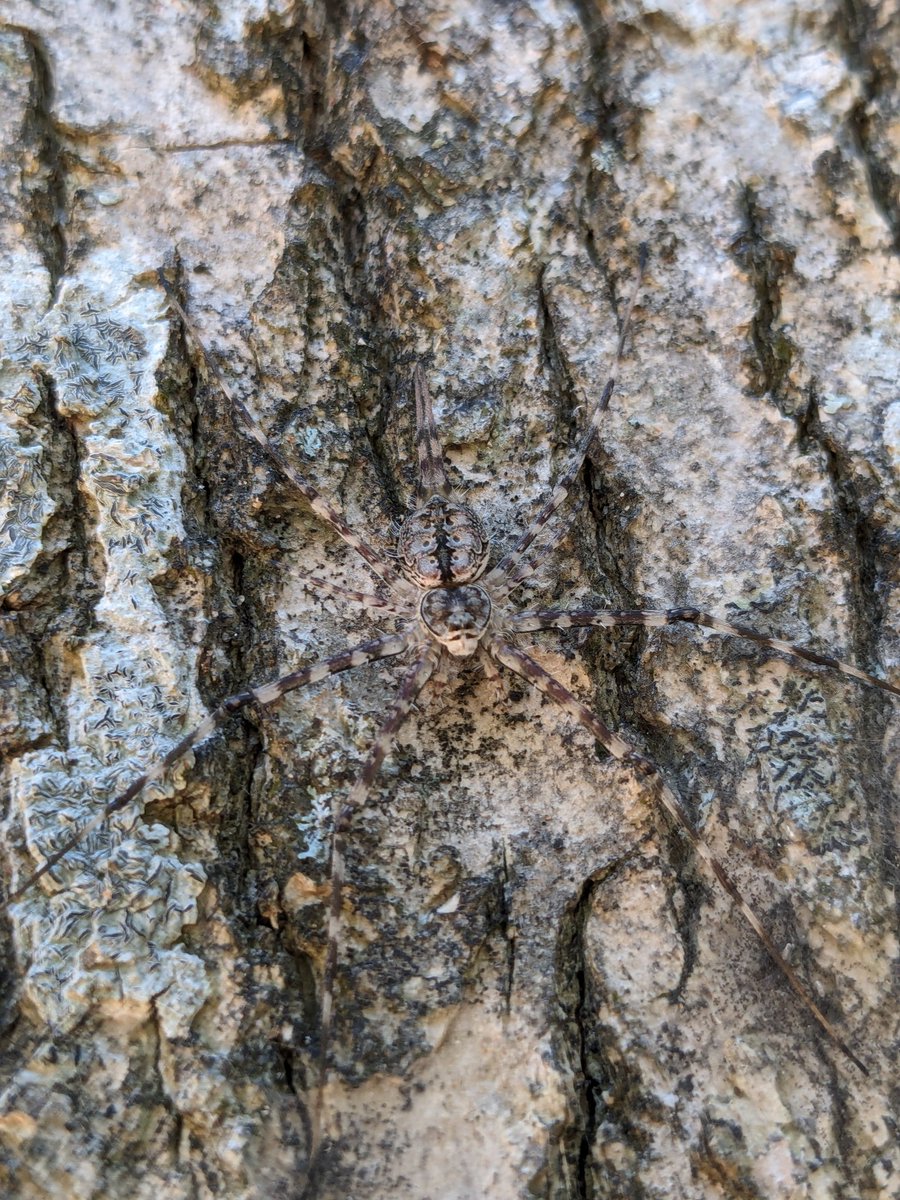
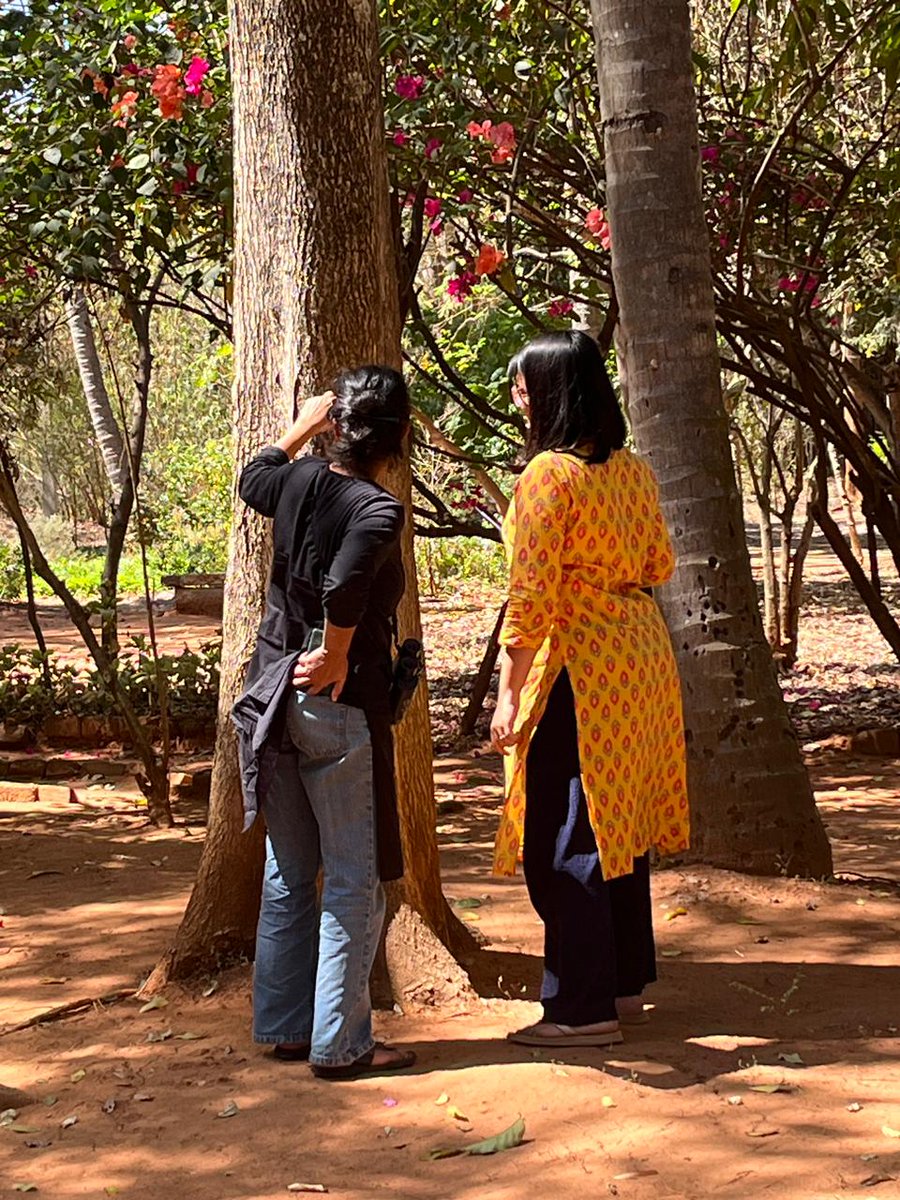
Your camouflage guise is perfectly perfect but I'm sorry buddy, we still managed to spot you.
We are not your predators though... so I guess that's Ok?
New seminar class just dropped: Academia for Ecologists (ECOL 592-006). What the hell do 'vice provosts of research' even do? How do I negotiate salary? Why do I have to pay a journal to publish?? Let's find out together!! (course starts Mar 19 but gotta register now)
Seeking scientist volunteers! Want to practice science communication and help author a ✨comic✨ about your research? I need collaborators for this spring's cohort of SciComm & Comics art students! Please share widely. #STEMeducation#Science#sciart
Remembering the trailblazer of Indian ornithology, Salim Ali, on his birth anniversary. ✨ Salim Ali's contributions to the field of ornithology are immeasurable, and he still continues to inspire bird lovers and conservationists worldwide.
#salimali#birdmanofindia
Sobering news: The @USFWS declared 10 bird species extinct yesterday. With 1 in 8 birds in the world today threatened, and many more in decline, we must redouble our efforts to protect species and habitats to ensure they never become as imperiled. https://t.co/q18zfwb5ev
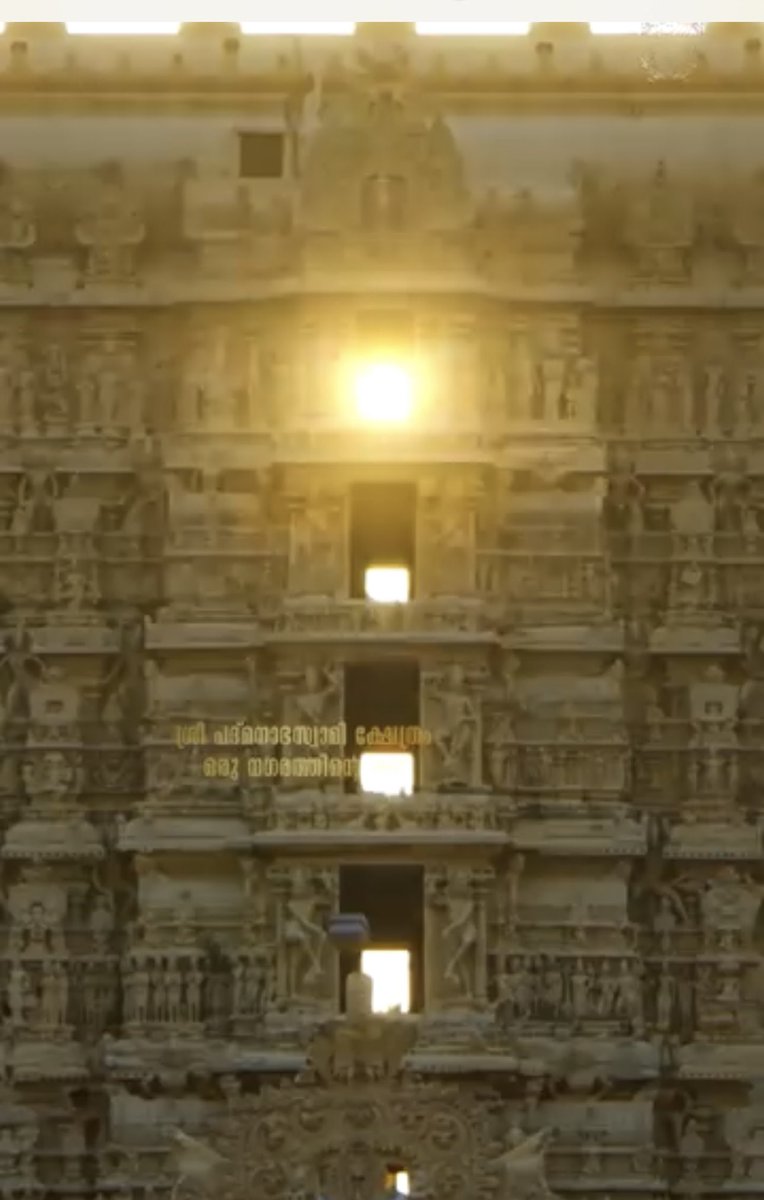
Landed in Thiruvananthapuram on a special day — September 23, the autumnal equinox, is one of the two days of the year when the sun appears sequentially in each of the windows of the Gopuram of the Sree Padmanabhaswamy temple. Just amazing to think the Gopuram was rebuilt 260 years ago with none of today’s technology available, and they got it perfectly aligned with the sun’s course. This pic was at sunrise. The sun will appear in the fourth window at dusk, as it sinks into the horizon. 🙏
I was explaining to a student recently how we did literature searches in the 1980s and 1990s.
We had to look up articles in a printed copy of Index Medicus, and then pushed a trolley around the library to collect the journals so we could photocopy the articles.
We also had to pay for the photocopies, which made us very selective about the articles we used in our literature reviews. There was an incredulous look in her eyes.
And when we got to the photocopier, we had to hope that it had not broken down or that the queue to use it was too long. Arriving well before library closing time was also important. Online articles did not exist then and sometimes we had to wait for weeks for articles to arrive using the Inter-Library Loan Service if they were not in the library’s own collection.
Eventually, printed copies of Index Medicus were replaced by a CD-ROM version (which you have to book a slot in advance to use) and then eventually by online bibliographic databases. And now, we have immediate access to online journal articles.
I then went onto explain that the terms 'cut' and 'paste' in modern computer programs are there because that is once what we had to do. We cut out graphs and diagrams with scissors and then pasted them into documents using glue. More incredulous looks followed.
When we presented our work, we used hand written acetates on an overhead projector. Moving to printed acetates was a big step forwards (or so it seemed at the time). Presenting at professional conferences meant using (expensive) slides. Errors that you couldn't correct were common. Eventually acetates and slides were replaced by PowerPoint projectors.
When I was a student in the 1980s, all our course work was hand-written. Most of us did not have typewriters and very few of us could type. When word processing software became common later in the decade, it meant no more Tippex or retyping whole documents to correct errors.
My first printer was a 9-pin dot matrix. It was noisy, slow and the quality of the print was poor. But it produced much more legible output than hand-written documents. Moving to 24 pin dot matrix printers was a big advance in the quality of printed documents. Eventually, affordable ink jet and laser printers became common.
Moving from cassettes to floppy disks and then hard disks for storage were big advances. My first hard disk was 20MB in capacity. Such was the small size of computer programs and their data files in the 1980s, I couldn’t come close to filling it. Now a word document with some embedded images can often be larger than 20MB.
My student clearly thought I had grown up in a technological stone age. In many ways, her reaction was like mine when older people used to tell me what life was like in the 1930s and 1940s during the Great Depression and World War Two.
But although the 1980s and early 1990s were a more technologically-backwards era than now, there were benefits in being a student then. We had our course fees paid and received a grant to cover our living costs, so we did not graduate with the vast debts that current students have.