A former boda boda rider at MM Pub, Kabuusu, Lubaga, sold his bike (when he heard me say that coffee growing gave better returns than the motor bike) and started a three-acre farm in Bukomansimbi. His farm grew to 17 acres by the time I visited him. He lives decently by any account.
A well-looked after acre of coffee yields at least 800,000/- per month. #WorkAndProsper
KIND REQUEST🙏🏾
Whoever has any video frames of the rugby guy being beaten, kindly share them via the email in my bio or my DMs. I am trying to analyze them frame by frame and maybe try to identify some faces!
Kindly retweet for awareness!
Visited a young entrepreneur in one of the suburbs of Kampala.
Jeff produces silage for sale but also keeps upto 150 dairy cows 🐄 on approx. quarter an acre.
I’m super impressed 🤩🤩🤩🤩
#RaisedByCows
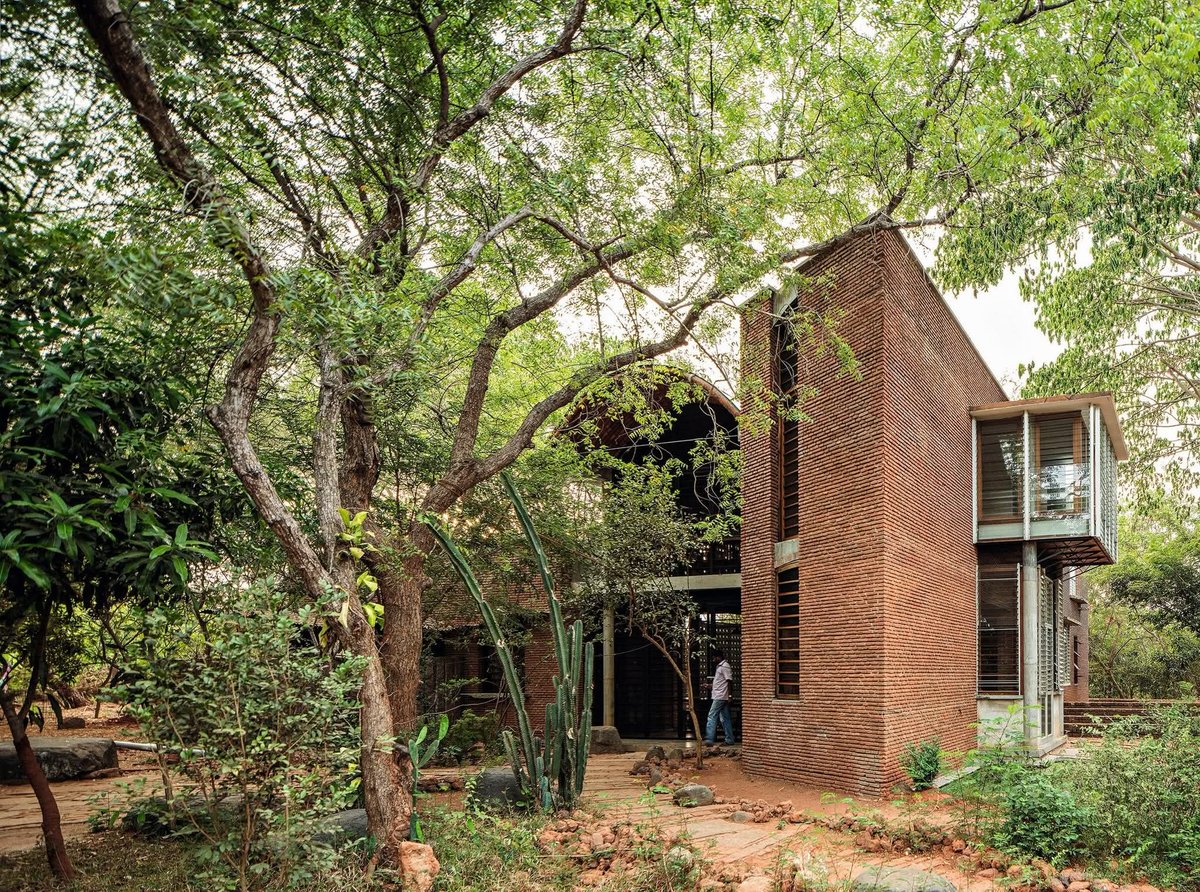
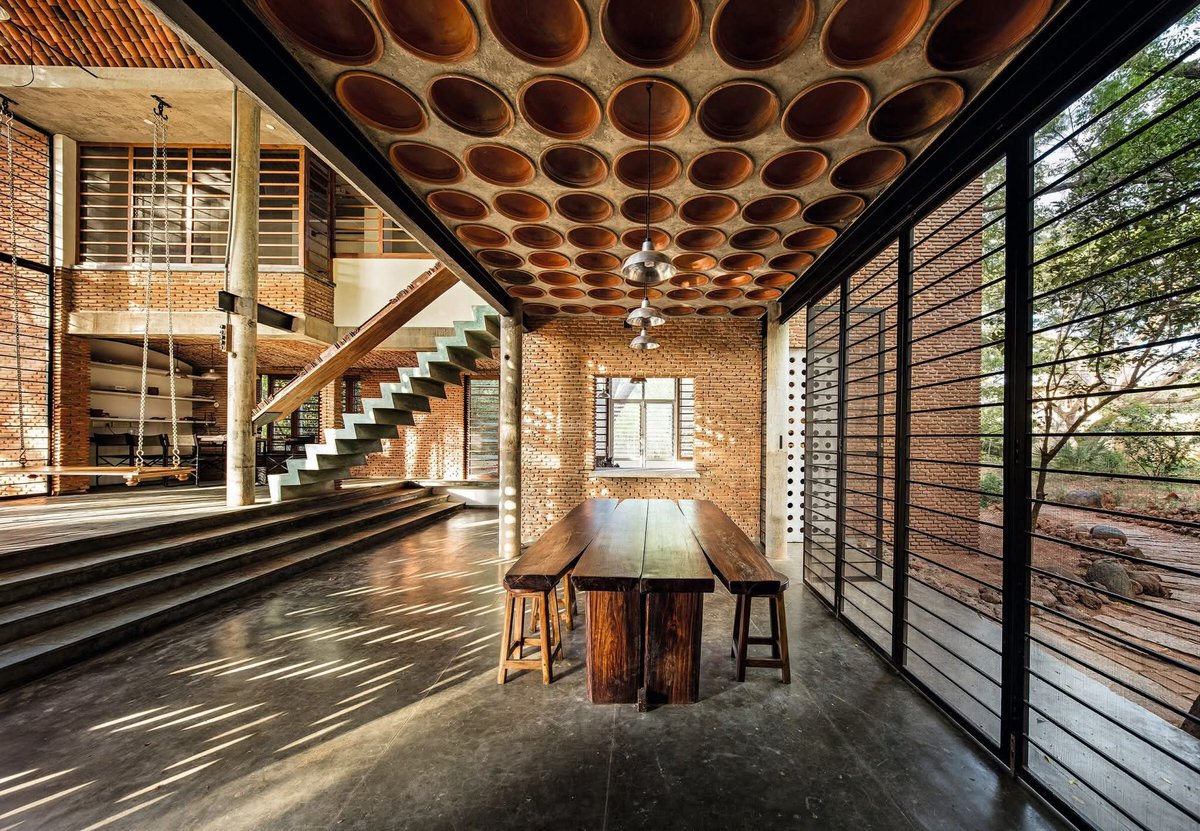
The Wall House by Anupama Kundoo Architects.
The Architect herself is the owner of this house.
Built of achakal bricks and roof dome done using hollow clay tubes.
Excellent brickwork!
@joelmjP Twidha kugyayo Idho.(We shall go there tomorrow)
Twagyireyo idho.(We went there yesterday)
Twagyayo dhuzzi. (We went there the day b4 yesterday)
Twidakugyayo dhuzzi. (We shall go there the day after tomorrow)
Context please. Thanks for accepting to learn abt our language.
Whoever described Uganda as the Pearl of Africa was right. The more you travel, the more you appreciate Uganda’s natural and social endowment. With proper governance, Uganda would be paradise. No one would wish to leave. You see, even in its misgoverned state, it is hard to leave. Not just because it’s home, but there are things about it that may still outweigh the pains.
@jephas47 Take it from me that whether I am alive or dead, you’ll never see my children or the children of my children beg for scholastic material! You people need to know that not everyone is your usual broke buddies!
In the West: you niche down.
In Africa: you end up building the whole category.
A former classmate of mine launched a dog food line in Canada made from cricket powder. Hyper-niche. His entire focus was convincing health- and eco-conscious dog owners (and the thousands of pet shops) to try it.
In Africa, you’d probably start by opening a pet shop, mixing physical and online. There are a few in Uganda, but relying on them alone is risky. Good luck trying a niche line of cricket powder geared to Ugandan customers from the start.
The play would likely be to rather broaden choice and quality: food, leashes, toys, services.
Over time, what you offer would expand. You'd bring in dog training (the ones in the market aren't that great and confuse training with beating), a vet (same story), perhaps animal drugs (lots of fake), etc.
The whole business would feel like a one-stop-shop for animals because the whole infrastructure is yet to be built...
Only after years of customer feedback and say, repeated requests for healthier and eco-friendly food, would you think about launching your own brand of dog food.
Ten years in, the two businesses would look radically different.
- A niche line on the shelves of thousands of shops
- A network of hundreds (who knows thousands) of Pet Shops
Same story in interior design. You might begin with furniture (carpenters are tricky...), then add accessories (the options are super limited), beddings (same), design services (pinterest isn't interior design), even vocational training (you need good designers and carpenters to grow).
One company like Modern Living would eventually be involved in the entire category.
This “category-building” model feels old-school, more like Walmart or Rockerfeller 50-100+ years ago than today’s startup playbook.
But it creates 3 durable advantages:
- A unique, sticky relationship with customers. Your touch points with them are consistent and multiple.
- Data and IP that are nearly impossible to replicate.
- Reinforcing Control over Service and Quality. You own the chain.
That's it for today...
Signs of a Declining State & Uncompetitive Society: The Politics of Shiny Decay, And Airports Without Light Bulbs
1. A Celebrity Wedding Dominates News For Days
In a context where many struggle, a society’s and media’s fixation on things like a celebrity wedding for days reflects a culture prioritising escapism. It normalises inequality by glorifying ostentatious displays in the face of widespread poverty.
2. Politicians Compete In Funerals, Not Ideas
When the greatest currency in politics is the size of your condolence envelope, governance has already been outsourced to coffin carpenters.
3. Sportspeople And Influencers Earn Over 10 Times More Than Teachers And Doctors
Not because entertainment is evil, but because the system has decided applause is worth more than survival.
4. Status Women Outshine Stateswomen
Society hails the minister’s Instagram wardrobe more than her budget speech; power is worn, not exercised.
5. Education Becomes A Certificate Factory
A declining society prioritises credentials over competence. Degrees are exported to Dubai; remittances are imported back home.
6. Economy Measures Itself By Consumption, Not Production
If the supermarket looks full while the factory floor stays empty, decline is already dressed in imported suits.
7. Food Becomes Fashion
A farmer is pitied, but avocado toast in a café is worshipped. Hunger grows in the village as nutritionists preach in the capital.
8. Garbage, Plastic Piles, And Clogged Pipes
Rubbish choking streets, rivers, and markets reflects a broader disregard for public spaces. The failure to organise basic sanitation mirrors a deeper inability to coordinate for collective progress.
9. Culture Is Staged For Foreigners
Drums beat only when the donor agency lands. The rest of the year, local musicians survive on beer-fuelled karaoke of American hip-hop.
10. Technology Is Measured By Phones, Not Patents
A nation of the latest iPhones but no indigenous operating system or software scrolls the future instead of building it. Leaders tout “digital progress” through internet access while neglecting to train coders and engineers.
11. Parliaments Debate Allowances More Than Laws
The national budget is a sideshow; what matters is the car grant, the per diem, and who travelled to Geneva.
12. The Middle Class Invests More In Security Than In Industry
A house with five guards but no running water is not wealth; it is paranoia institutionalised.
13. Religion Becomes Therapy
Churches and mosques compete to sell miracle oils and prosperity visas, while poverty queues outside like an eternal congregation.
14. Heroes Are Mourned More Than They Are Made
National pride is reserved for dead poets, long-gone guerrillas, and footballers. The present is too barren to celebrate.
15. Infrastructure Crumbles While Megaprojects Shine
An uncompetitive society prioritises flashy megaprojects—like shiny airports or presidential palaces—over basic infrastructure. Rural roads remain impassable, and urban power grids flicker. Sometimes it’s a deliberate choice to create visible symbols of progress for political gain, while neglecting the less glamorous but critical systems that enable broad-based growth. The result: bridges to nowhere, airports with no planes, and stadiums without leagues—all ribbon, no road.
16. History Is Rewritten Every Election
A president erases the last regime’s sins and writes new myths about himself; the nation survives only in political speeches, not in memory.
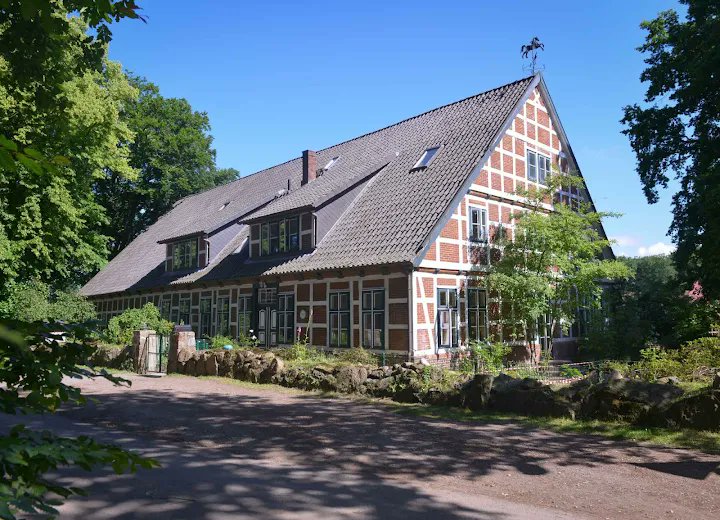
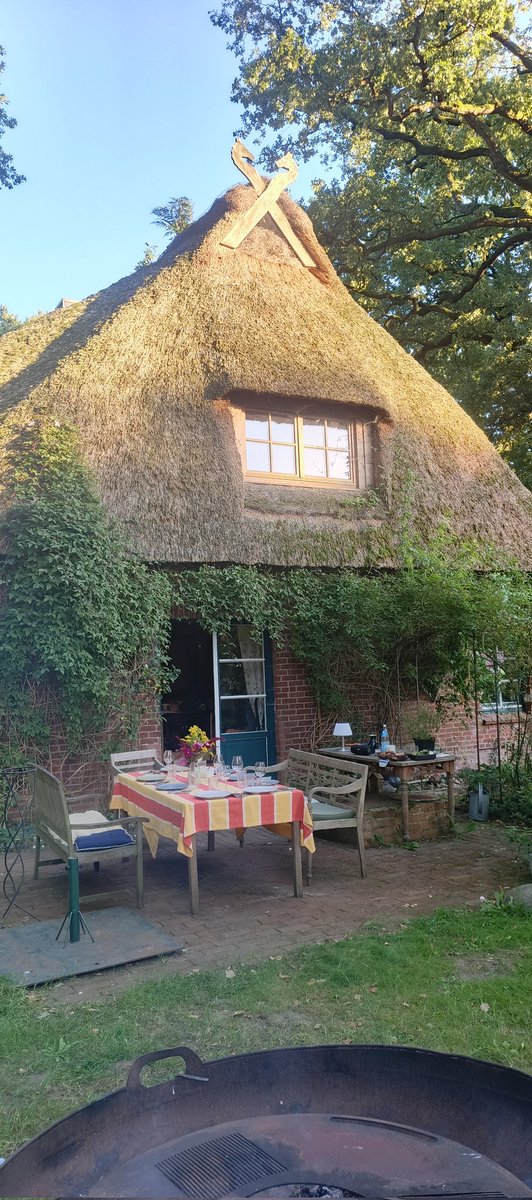
I am interning at Der Wilkenshoff, a German family farm that has been thriving since 1650, & I am fascinated by the long-term thinking & commitment to building for the future that defines the German culture.
The houses in frame 1, built in 1882 & house in frame 2,...
DAY 8
Yesterday’s engagement with @Airtel_Ug on the @AgoraCFR Space was a step forward, going by the candid issues raised by customers and explanations plus commitments made by @Airtel_Ug. However, what matters most are the actions to follow the words. I suggest that we pause for a month (up to 16th September) to allow Airtel some time to make the necessary improvements. Customers’ overall experiences around this period will determine whether we resume or not.