Today, October 10, is World Mental Health Day. A reminder to change the narrative around mental health and substance use.
AIHA collaborates with the Stop Stigma Together (SST) initiative to help dismantle stigma that affects worker wellbeing https://t.co/yvraWdMnUu
Social justice doesn’t happen by chance.
It is the result of deliberate choices in policy, institutions and cooperation.
📖 Discover the findings of the @ILO’s State of Social Justice 2025: https://t.co/X1SNbInvRs
#SocialJustice
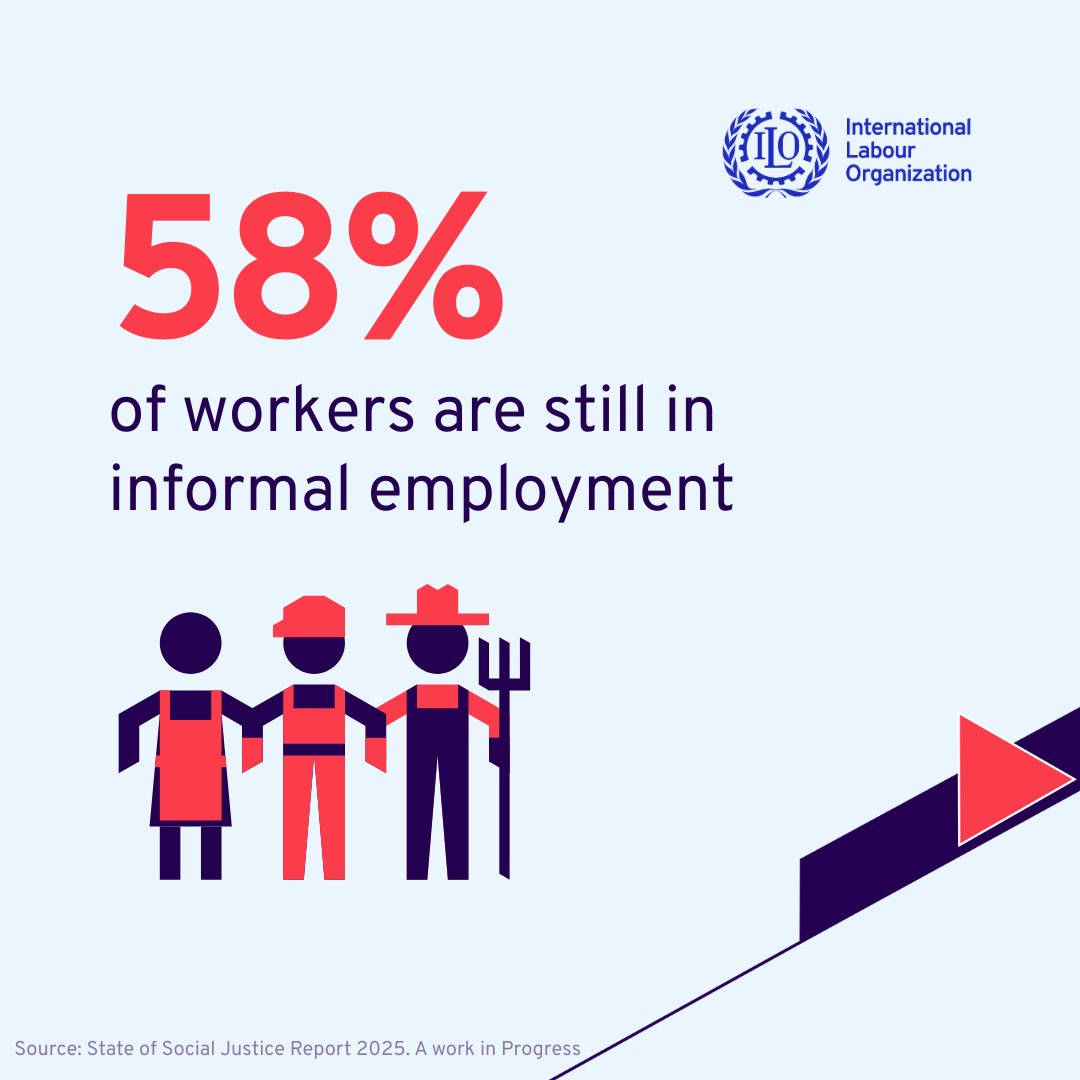
📍 Since 1995:
✅ Child labour decreased
✅ Extreme poverty fell
✅ Education & health improved worldwide
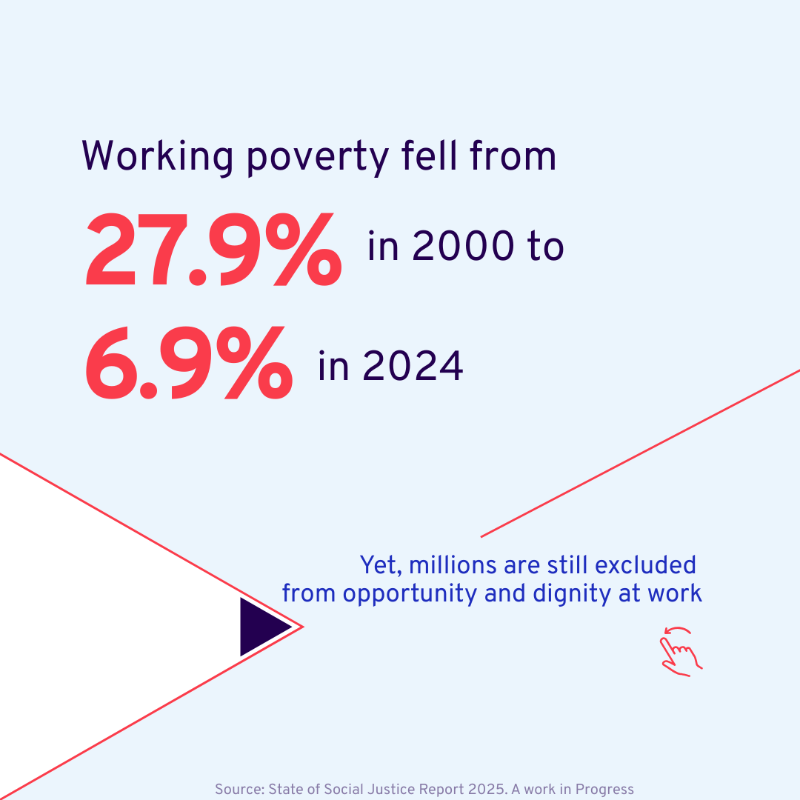
⚠️ Yet, millions are still excluded from opportunity and dignity at work.
📖 New ILO report explains — swipe through 👇 #SocialJustic📍 Since 1995:
✅ Child labour decreased
✅ Extreme poverty fell
✅ Education & health improved worldwide
⚠️ Yet, millions are still excluded from opportunity and dignity at work.
📖 New ILO report explains — swipe through 👇 #SocialJustic📍 Since 1995:
✅ Child labour decreased
✅ Extreme poverty fell
✅ Education & health improved worldwide
⚠️ Yet, millions are still excluded from opportunity and dignity at work.
📖 New ILO report explains — swipe through 👇 #SocialJustic📍 Since 1995:
✅ Child labour decreased
✅ Extreme poverty fell
✅ Education & health improved worldwide
⚠️ Yet, millions are still excluded from opportunity and dignity at work.
📖 New ILO report explains — swipe through 👇 #SocialJustic📍 Since 1995:
✅ Child labour decreased
✅ Extreme poverty fell
✅ Education & health improved worldwide
⚠️ Yet, millions are still excluded from opportunity and dignity at work.
📖 New ILO report explains — swipe through 👇 #SocialJustic📍 Since 1995:
✅ Child labour decreased
✅ Extreme poverty fell
✅ Education & health improved worldwide
⚠️ Yet, millions are still excluded from opportunity and dignity at work.
📖 New ILO report explains — swipe through 👇 #SocialJustice
Level up your OEHS skills with our self-paced, online Fundamentals of Occupational Exposure Assessment certificate program. Equip yourself with the tools to accurately assess workplace hazards.
https://t.co/ebq7hU526Y
#OEHS#OccupationalHealth#SafetyTraining
The brackets are set, the matchups played out, and the champion of the OEHS Madness Hierarchy of Controls is Elimination!
While every control has its place, elimination remains the gold standard for a safer workplace.
Air pollution causes around 7 million premature deaths each year from chronic respiratory diseases, lung cancer and cardiac emergencies.
@WHO is calling for urgent global action to tackle the greatest environmental health risk of our time.
https://t.co/LdozRalKpV
Millions of domestic workers provide essential care and services, yet too many lack basic rights and protections.
It’s time to value their work and ensure dignity, safety, and fair treatment for all.
ℹ️ https://t.co/tazViOQyUY #RatifyC189
♻️ Can waste be turned into opportunity? Industrial symbiosis enables businesses to repurpose by-products, conserving resources and energy while creating jobs.
🎧 Discover its potential to ‘green’ economies in this podcast episode: https://t.co/AaRCeWeIs6
This time five years ago, a little over 300 cases of the novel coronavirus had been reported to WHO. Authorities in Thailand, Japan and the Republic of Korea had confirmed the first cases outside of China.
WHO’s emergency response for #COVID19 was already well underway since 31 December 2019, when we received the first alert. From 9 January 2020, WHO began sharing a first set of guidance documents with its Member States. These documents, covering infection control, clinical care, disease surveillance, risk communication and community engagement and more, were to help countries prepare for the virus. These documents have since been regularly updated with the latest available evidence. Our most recent update was in December 2024: https://t.co/L6Qi1KF77z
In a crucial development, just two days after receiving the virus's genetic sequence, on 13 January 2020, WHO published the first PCR diagnostic test protocol by a WHO partner laboratory, Charité University in Germany, available free to labs and manufacturers worldwide to begin producing diagnostic tests. Thanks to these early tests, countries could detect the virus, treat patients, and take steps to stop the virus from spreading further.
At the time, we were still learning about the virus, relying on early reports and analyzing them in a series of policy briefs in the first days of January. On 14 January 2020, WHO stated that human-to-human transmission was possible during a press briefing. The same day, WHO tweeted that “preliminary investigations conducted by the Chinese authorities have found no clear evidence of human-to-human transmission.” In the coming days, it became clearer that the virus was spreading from person to person.
Sharing and analysing information, and updating as we learn more, is core to WHO’ science-based approach to public health, for COVID-19 and numerous other diseases.
The path to #DecentWork is often hindered by many barriers.
At the @ilo, we are committed to addressing these obstacles, ensuring a clearer path towards decent work for all.
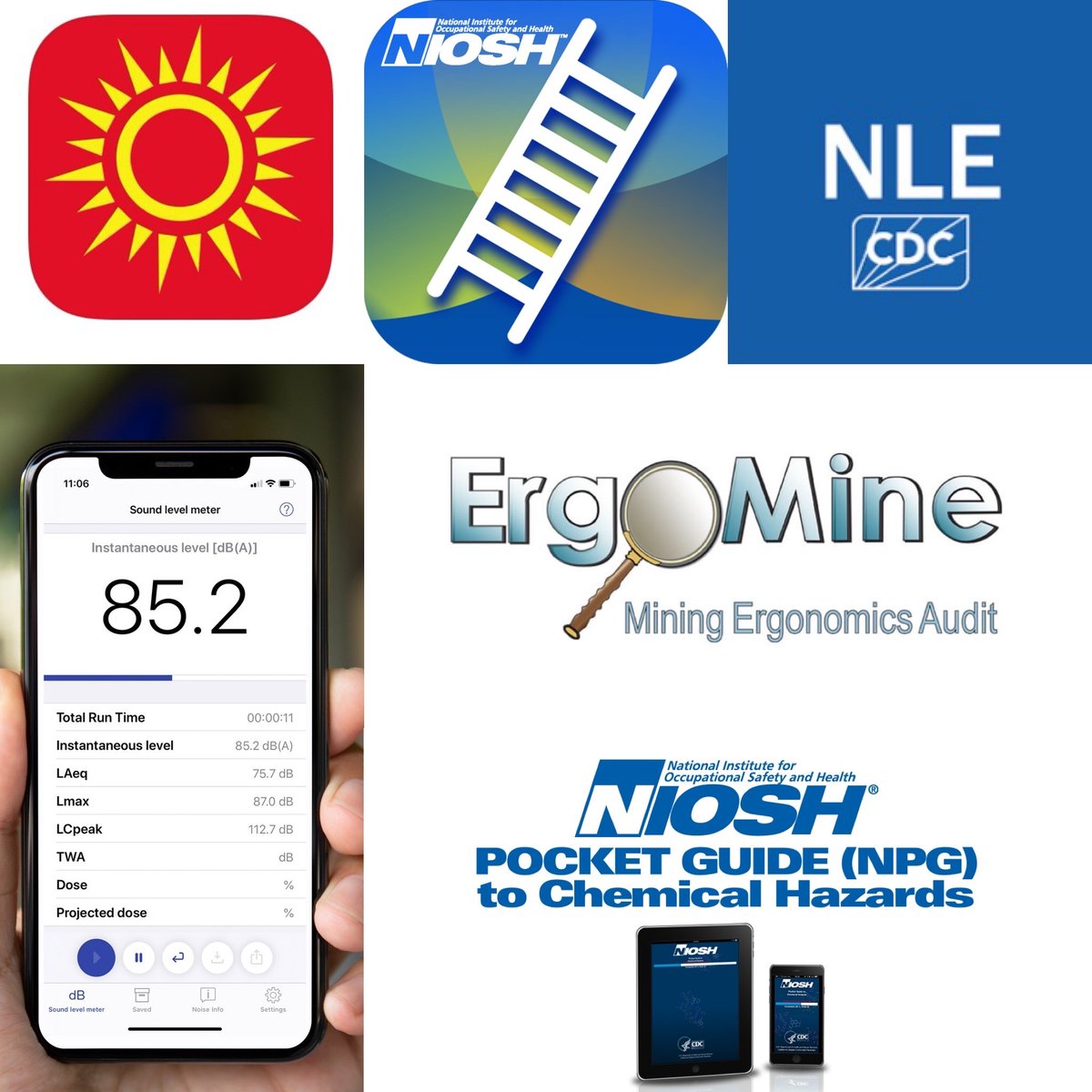
It’s #NationalAppDay! Did you know we have free apps available to help with everything from ladder safety to chemical hazards, measuring sound levels to safety information when working in the heat, and more? Download them in the App Store or Google Play. https://t.co/URAASl6XAi
It may still be fall, but winter is right around the corner. Are you prepared to work in the cold? Share NIOSH information to help everyone stay safe when #WorkingInCold: https://t.co/gQMTTgruhU
Make your employees’ mental health a priority. Design work schedules and patterns to reduce stress and increase worker control 📅
Learn more: https://t.co/Cr4sljyvBL
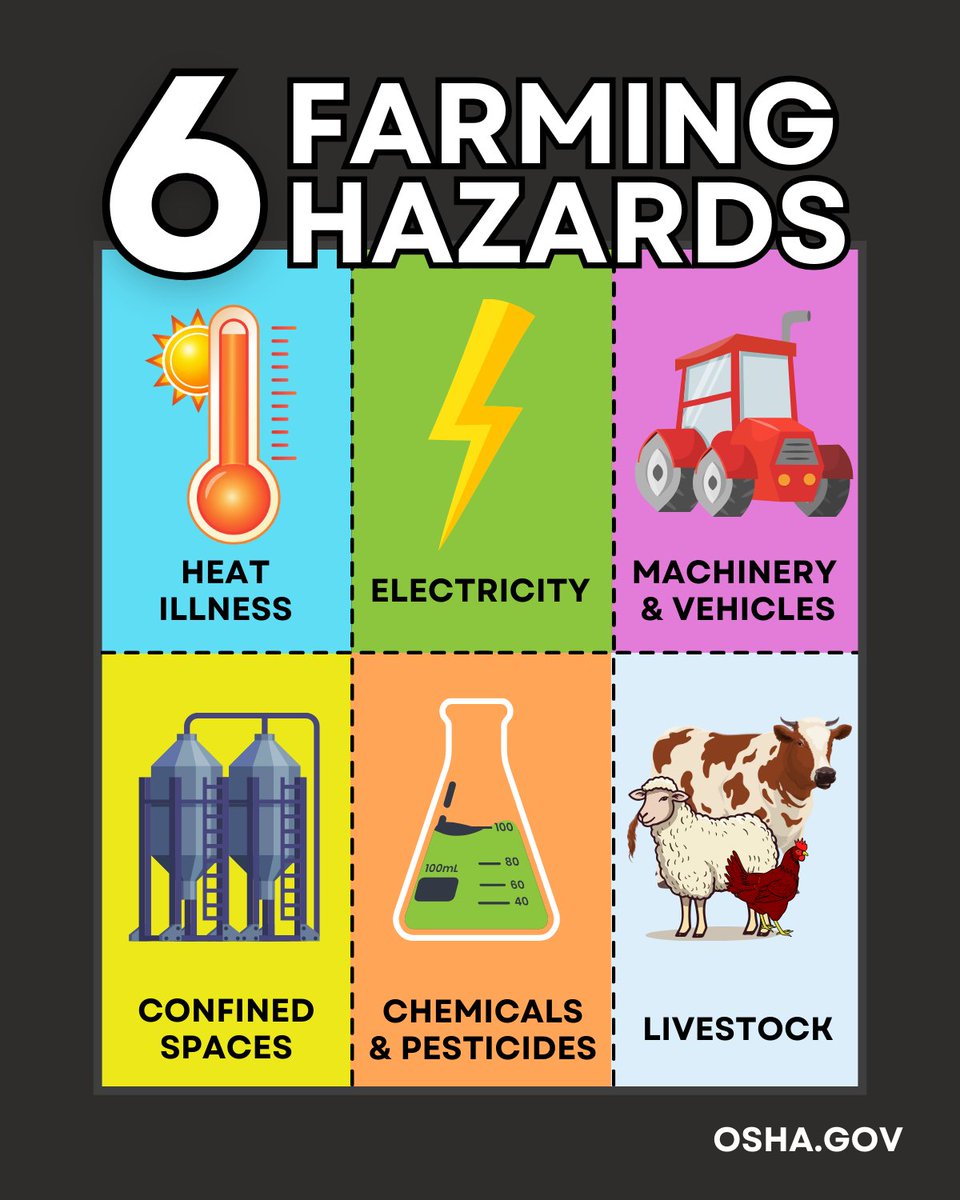
🚜 Did you know? Farming is one of the most dangerous jobs. But it doesn't have to be! Learn about your rights as a farmworker and stay safe.
Use OSHA's resources covering topics such as chemical exposure and safe grain handling. ⤵️
https://t.co/uEiedf8Fls
#FarmSafety