State Champions. Now the MDC Sharks take the field at
@JUCOWorldSeries
🦈💙⚾️
The Miami Dade College Sharks are playing in the JUCO World Series Championship tournament after an unforgettable State Championship run.
This team has played with grit, excellence, resilience, and relentless belief all season long, representing Miami, representing @MDCollege.
Good luck to our Sharks as they take the field for their first game at the JUCO World Series. Shark Nation is behind you every pitch, every inning, every moment.
LET’S GO SHARKS. 💙🦈
#MDCSharks #StateChampions #JUCOWorldSeries #MiamiDadeCollege
Today’s @MDCollege Board of Trustees meeting celebrated the outstanding achievements of our student athletes and the continued momentum across the College.
We were proud to recognize members of our softball and baseball teams for representing MDC with excellence on and off the field.
Special congratulations to our Sharks baseball team on winning the state championship! With the victory, the team will travel to Grand Junction, Colorado, for the @NJCAA Division I JUCO World Series.
As they prepare to compete on the national stage, the entire MDC community is cheering them on every step of the way!
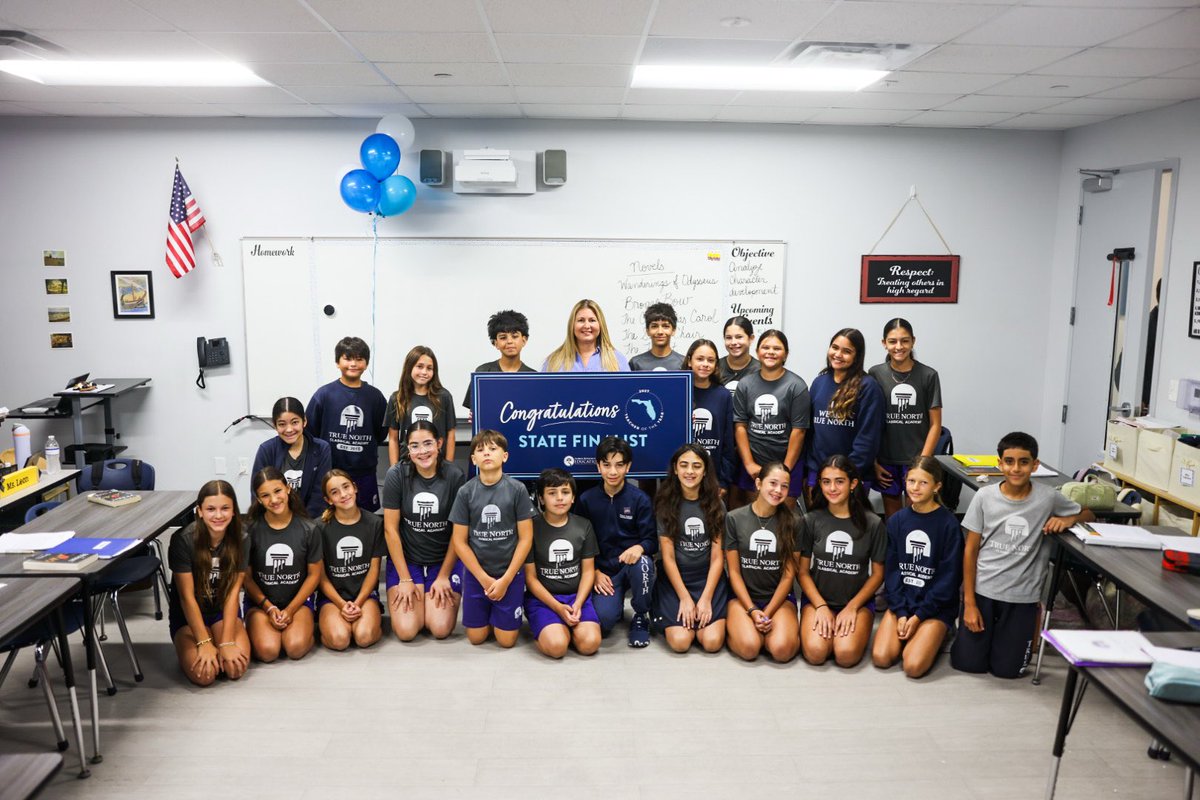
We are proud to introduce the 2027 Florida Teacher of the Year Finalists!
Congratulations to all five outstanding teachers who inspire excellence and elevate the teaching profession! #FLTOY2027
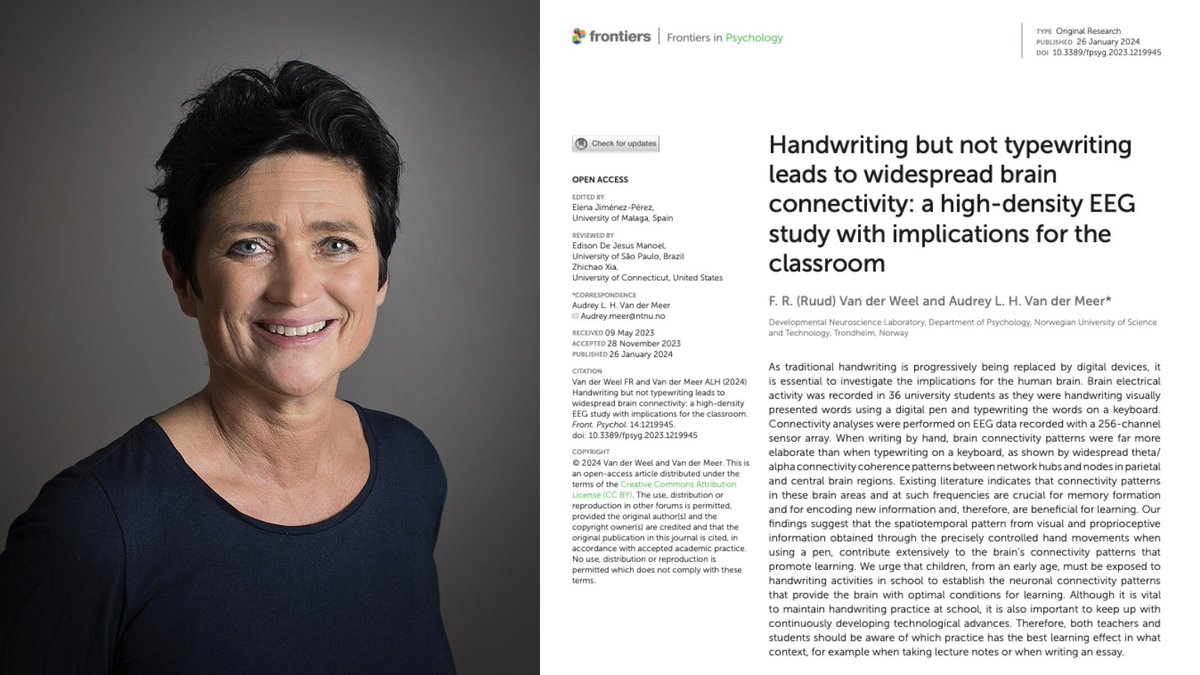
A Norwegian neuroscientist spent 20 years proving that the act of writing by hand changes the human brain in ways typing physically cannot, and almost nobody outside her field has read the paper.
Her name is Audrey van der Meer.
She runs a brain research lab in Trondheim, and the paper that closed the argument was published in 2024 in a journal called Frontiers in Psychology. The finding is brutal enough that it should have changed every classroom on Earth.
The experiment was simple. She recruited 36 university students and put each one in a cap with 256 sensors pressed against their scalp to record brain activity. Words flashed on a screen one at a time.
Sometimes the students wrote the word by hand on a touchscreen using a digital pen, and sometimes they typed the same word on a keyboard. Every neural response was recorded for the full five seconds the word stayed on screen.
Then her team looked at the part of the data most researchers had ignored for years, which is how different parts of the brain were communicating with each other during the task.
When the students wrote by hand, the brain lit up everywhere at once.
The regions responsible for memory, sensory integration, and the encoding of new information were all firing together in a coordinated pattern that spread across the entire cortex. The whole network was awake and connected.
When the same students typed the same word, that pattern collapsed almost completely.
Most of the brain went quiet, and the connections between regions that had been alive seconds earlier were nowhere to be found on the EEG.
Same word, same brain, same person, and two completely different neurological events.
The reason turned out to be something nobody had really paid attention to before her work. Writing by hand is not one motion but a sequence of thousands of tiny micro-movements coordinated with your eyes in real time, where each letter is a different shape that requires the brain to solve a slightly different spatial problem.
Your fingers, wrist, vision, and the parts of your brain that track position in space are all working together to produce one letter, then the next, then the next.
Typing throws all of that away. Every key on a keyboard requires the exact same finger motion regardless of which letter you are pressing, which means the brain has almost nothing to integrate and almost no problem to solve.
Van der Meer said it plainly in her interviews.
Pressing the same key with the same finger over and over does not stimulate the brain in any meaningful way, and she pointed out something that should scare every parent who handed their kid an iPad.
Children who learn to read and write on tablets often cannot tell letters like b and d apart, because they have never physically felt with their bodies what it takes to actually produce those letters on a page.
A decade before her, two researchers at Princeton ran the same fight using a completely different method and ended up at the same answer. Pam Mueller and Daniel Oppenheimer tested 327 students across three experiments, where half took notes on laptops with the internet disabled and half took notes by hand, before testing everyone on what they actually understood from the lectures they had watched.
The handwriting group won by a wide margin on every question that required real understanding rather than surface recall.
The reason was hiding in the transcripts of what the two groups had actually written down.
The laptop students typed almost word for word, capturing more total content but processing almost none of it as they went, while the handwriting students physically could not write fast enough to transcribe a lecture in real time, which forced them to listen carefully, decide what actually mattered, and put it in their own words on the page.
That single act of choosing what to keep was the learning itself, and the keyboard had quietly skipped the choosing and skipped the learning along with it.
Two studies. Two countries. Same answer.
Handwriting makes the brain work. Typing lets it coast.
Every note you have ever typed instead of written went into your brain through a thinner pipe. Every meeting, every book highlight, every idea you captured on your phone instead of on paper was processed at half depth.
You did not forget those things because your memory is bad. You forgot them because typing never woke the part of the brain that would have made them stick.
The fix is the thing your grandmother already knew.
Pick up a pen. Write the thing down. The slower road is the faster one.
True north baseball going to the finals!! Huge win in the state semifinals. Onto the championship tomorrow! Proud of our titans! #gotitans#tnbaseball#fhsaa
Nicole Leon serves in many roles as a teacher and leader for her school. In the classroom, she fosters respectful, evidence-based discussion through the Socratic method where students engage in productive dialogue and collaboratively seek understanding.
Congratulations, Ms. Leon, on being named a 2027 Florida Teacher of the Year Finalist! Read more: https://t.co/05KIpxyPe2
I am thankful to the search committee for naming me the sole finalist to become Polk State College’s next president.
Florida College System institutions play a critical role in preparing students for in-demand, high-wage positions. During my time as Commissioner, I have proudly touted their incredible outcomes as they serve more than 680,000 students across the state and provide more than 130,000 degrees and certifications each year. It is an honor to be blessed with this opportunity, and I am excited to contribute to that work in a new capacity while continuing to support strong partnerships between K-12 schools, colleges, and universities.
I also look forward to working with the Board of Trustees, cabinet members, and the faculty whose dedication is transforming students’ lives and equipping them with the knowledge and skills needed to succeed in their careers.
No matter the position I serve in, I remain committed to the belief that education is the foundation of opportunity and the key to a stronger future.
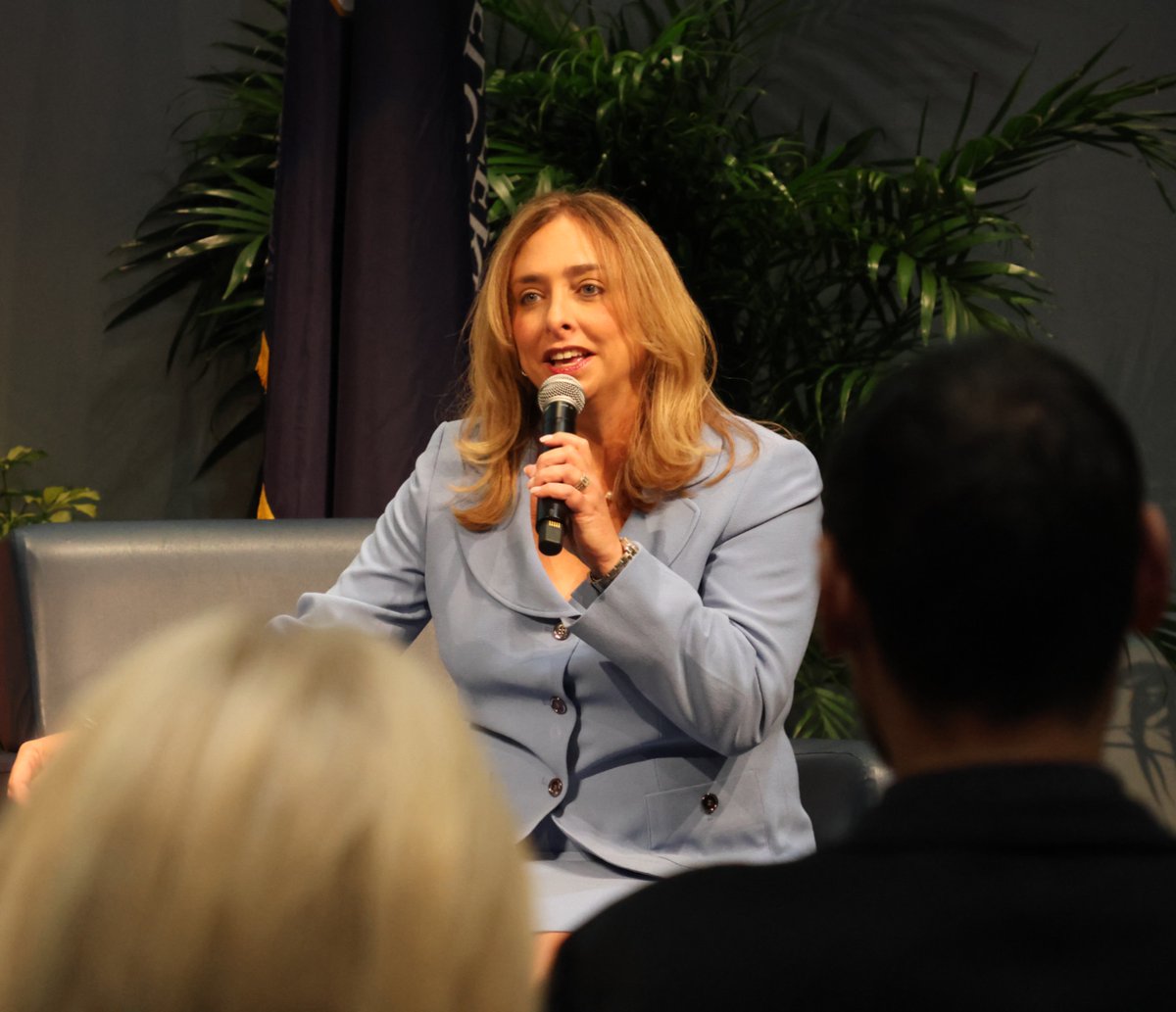
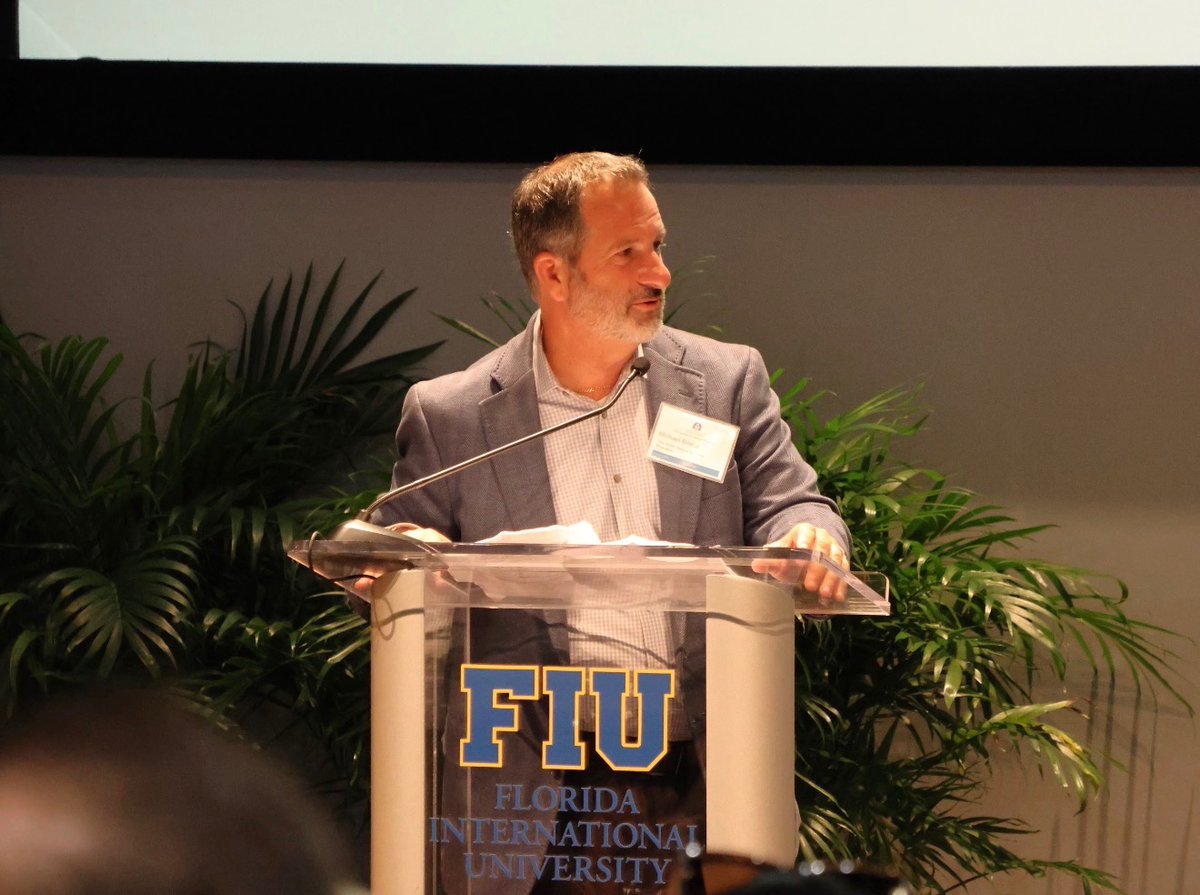
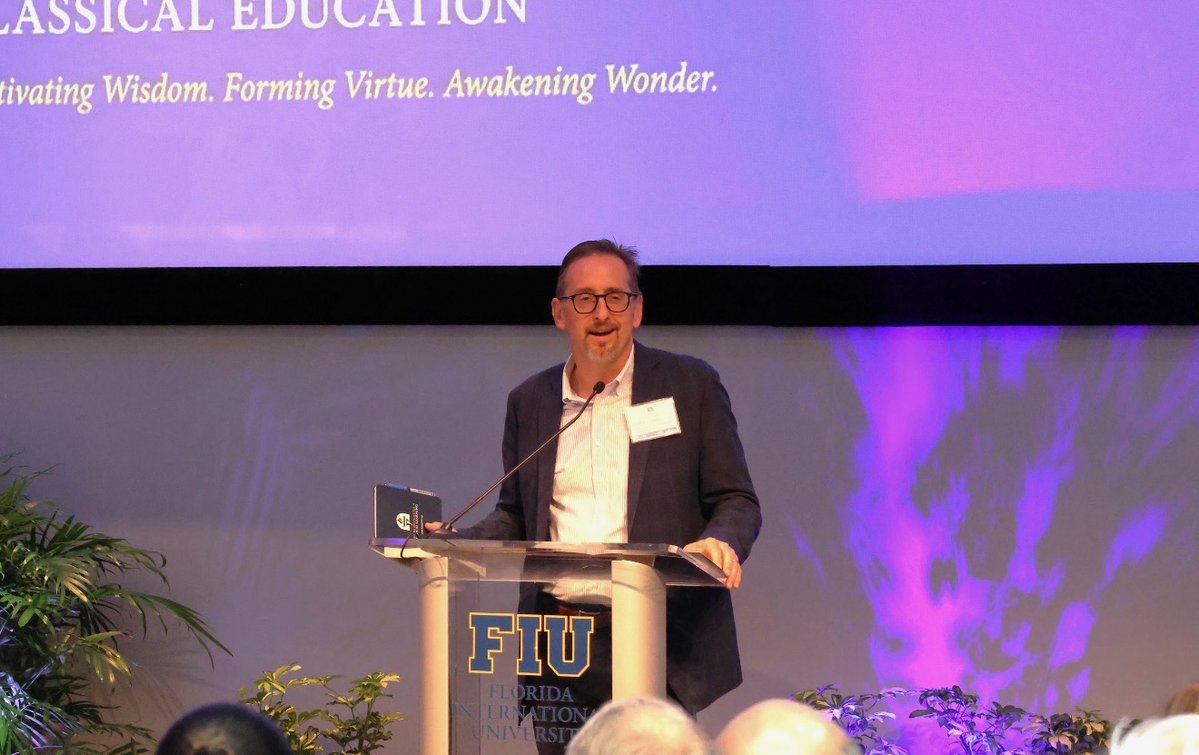
Following our strong opening session, we welcomed Dr. Chris Perrin and Dr. Carrie Eben to the auditorium.
Their keynote address challenged our attendees to think deeply about the purposes and practices of teaching in forming life-long learners.
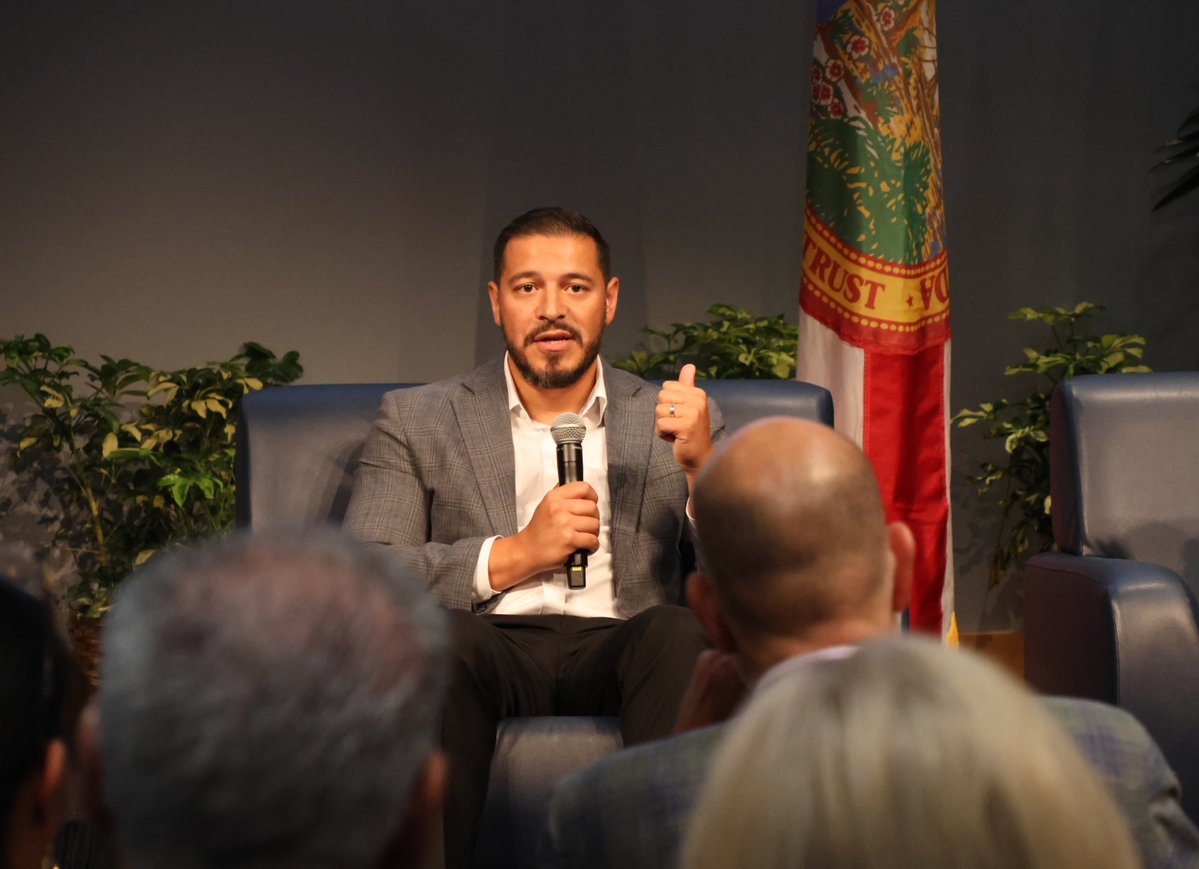
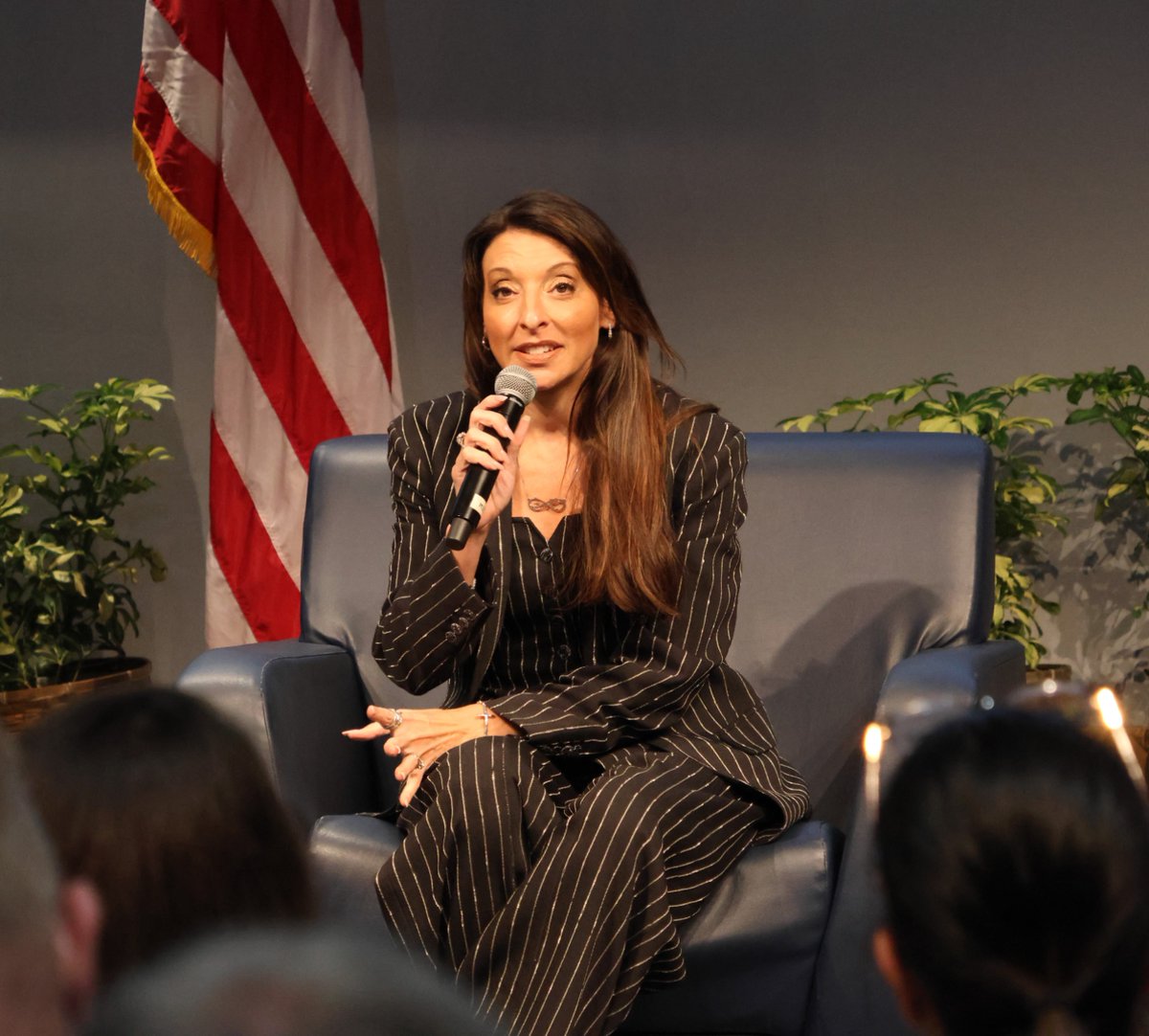
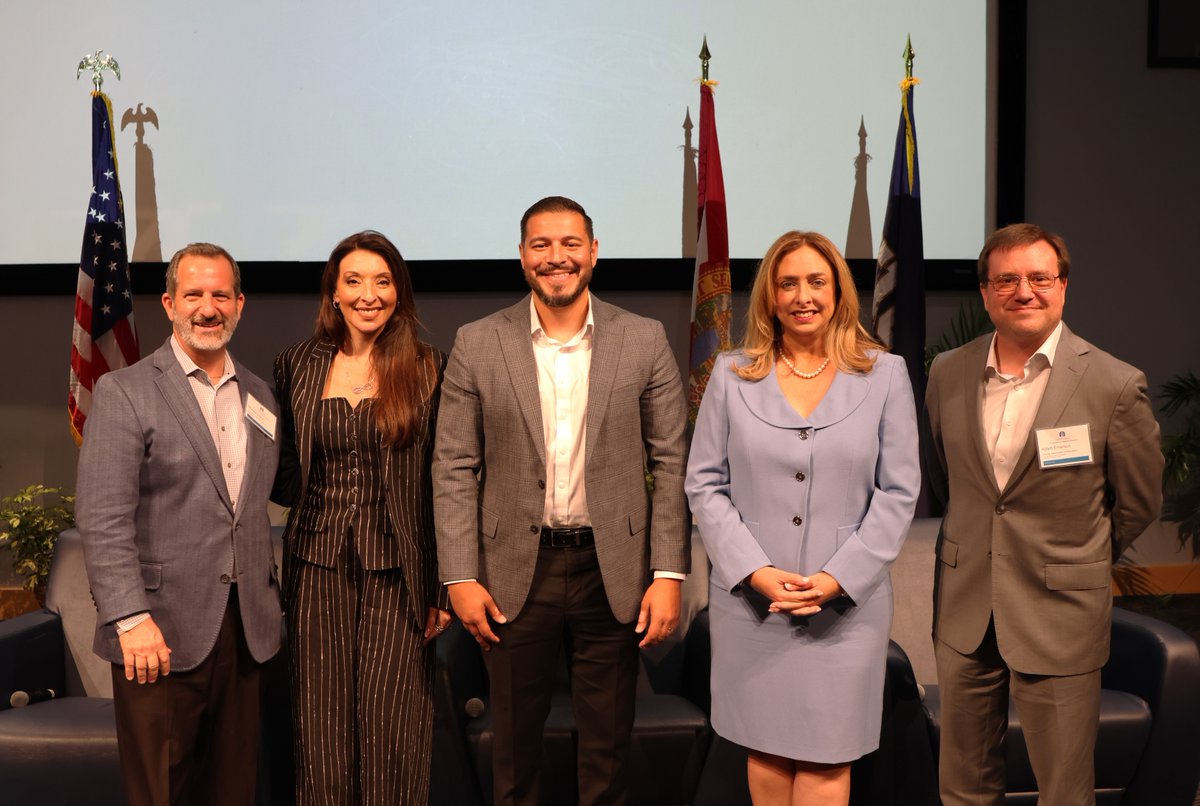
Thank you @EducationFL Commissioner @StasiKamoutsas, @ErikaDonalds,
School Board Member @MonicaColucci and the honorable @mbileca for
leading our panel on the growth and future of classical education in Florida.
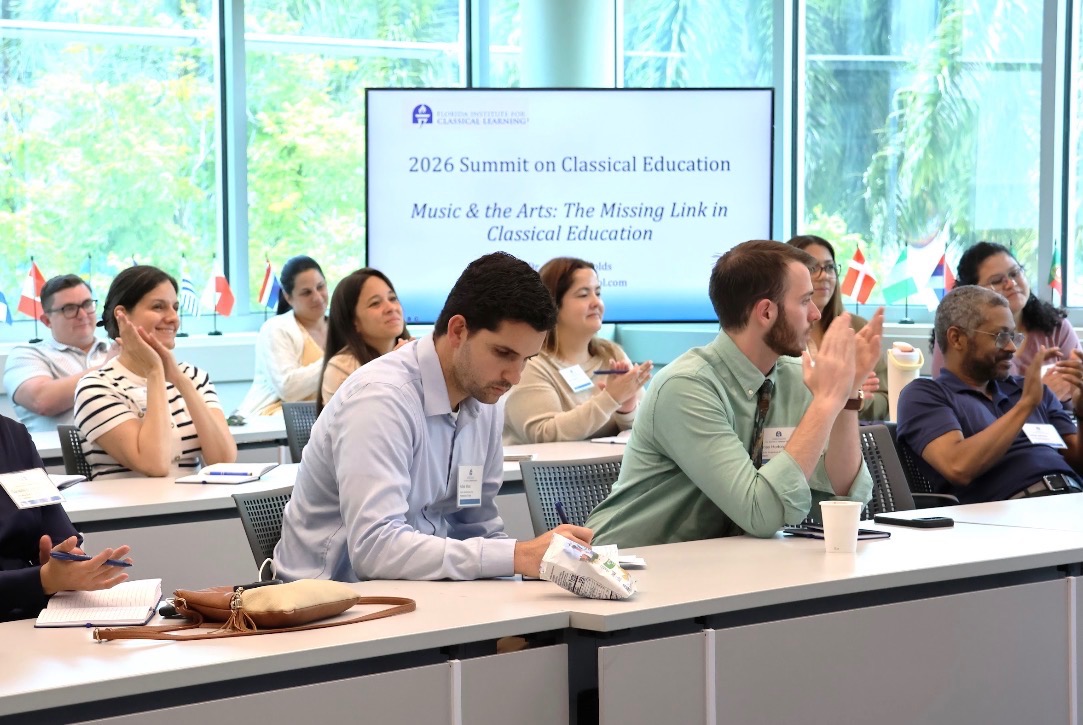
The inaugural Summit on Classical Education was this past weekend at @FIU
Nearly 400 attendees gathered to learn from and connect with from some of the best classical leaders in our nation. This is the beginning of something special. Thank you to everyone who attended.
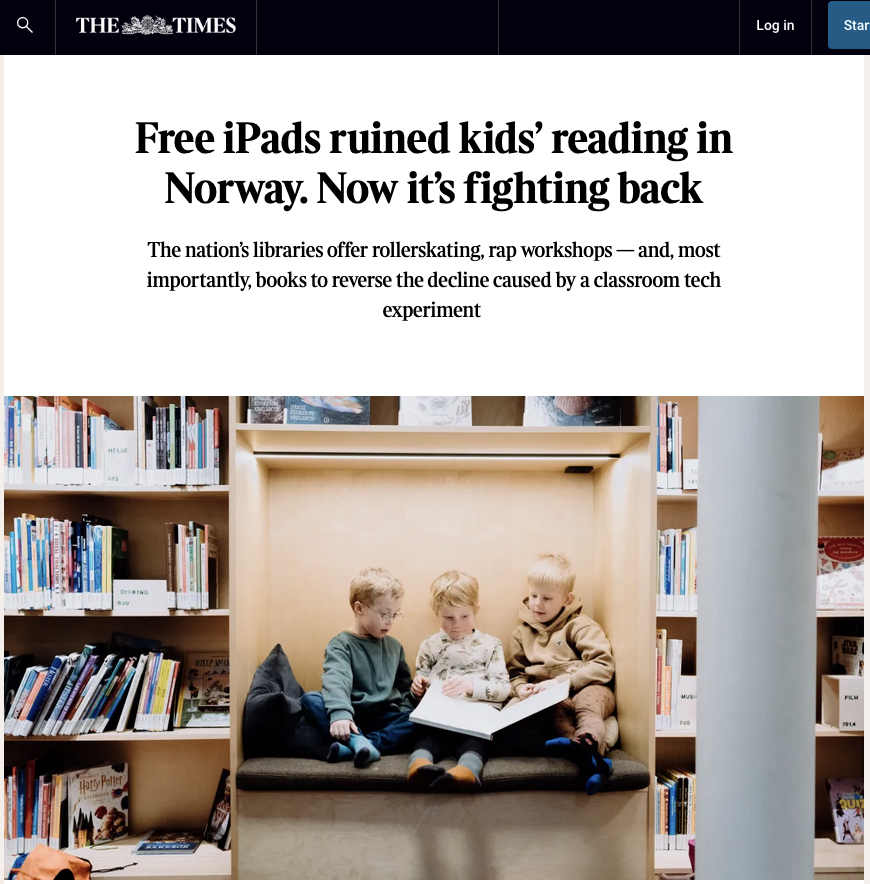
In 2016 Norway gave every 5-year-old child an iPad.
Within a few years, Norway's reading scores plummeted and dropped below the OECD average.
They ranked dead last out of 65 countries.
Now Norway is spending millions of dollars to reverse this trend and get people reading.
I've expressed my sincere belief that @Doug_Lemov will be remembered as our era's most important education leader and thinker. But how many are aware of his remarkable -- and remarkably successful -- side hustle?
https://t.co/S4ryLaEsEH
High Point G Chase Johnston, who hit the game-winner in their upset win over Wisconsin, wears jersey #99 to represent The Parable of the Lost Sheep where Jesus leaves the 99 to find the 1 👏
Students who took notes by hand scored ~28% higher on conceptual questions than laptop note-takers.
Writing forces your brain to process and compress ideas instead of copying them.
In the new issue of @Commentary I review James Traub's "The Cradle of Citizenship."
The erosion of civic education, I argue, is not merely a failure of curriculum or pedagogy, but a failure of purpose: we have largely stopped believing that forming citizens is what public education is for.
https://t.co/uYHvwZcfwB
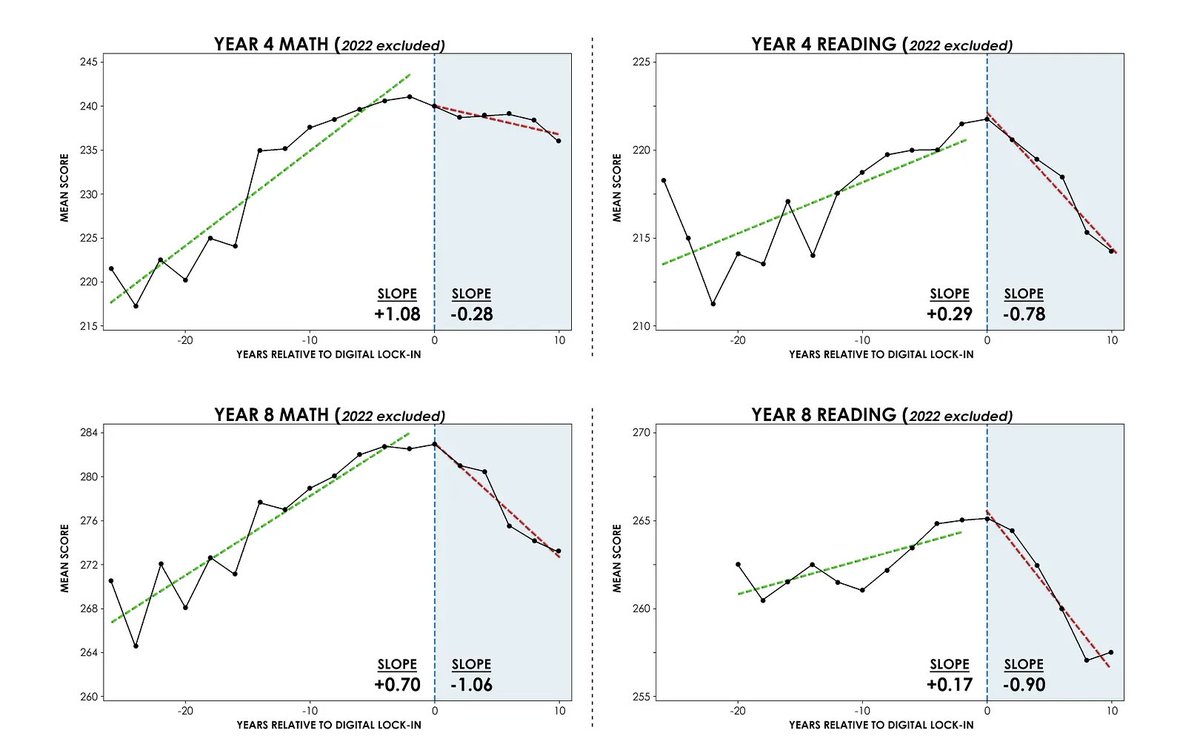
Still more evidence that EdTech harmed American education: Across states, the year that the state imposed mandates requiring computers/tablets, that's the year that test scores stopped rising and in most cases started falling.
From Jared Cooney Horvath
https://t.co/TSH1bfp8lA
Scruton's introduction to his 2009 BBC documentary Why Beauty Matters https://t.co/hixVDWObcW.
"At any time between 1750 and 1930, if you asked educated people to describe the aim of poetry, art or music, they would have replied 'beauty'. And, if you had asked for the point of that, you would have learned that beauty is a value, as important as truth and goodness.
Then, in the 20th century, beauty stopped being important. Art increasingly aimed to disturb and to break moral taboos. It was not beauty, but originality, however achieved, and at whatever moral cost, that won the prizes.
Not only has art made a cult of ugliness. Architecture too has become soulless and sterile. And it is not just our physical surroundings that have become ugly. Our language, our music, and our manners are increasingly raucous, self-centred, and offensive, as though beauty and good taste have no real place in our lives. One word is written large on all these ugly things, and that word is 'me': my profits, my desires, my pleasures. And art has nothing to say in response to this, except 'Yeah, go for it!'
I think we are losing beauty, and there is a danger that with it we will lose the meaning of life."
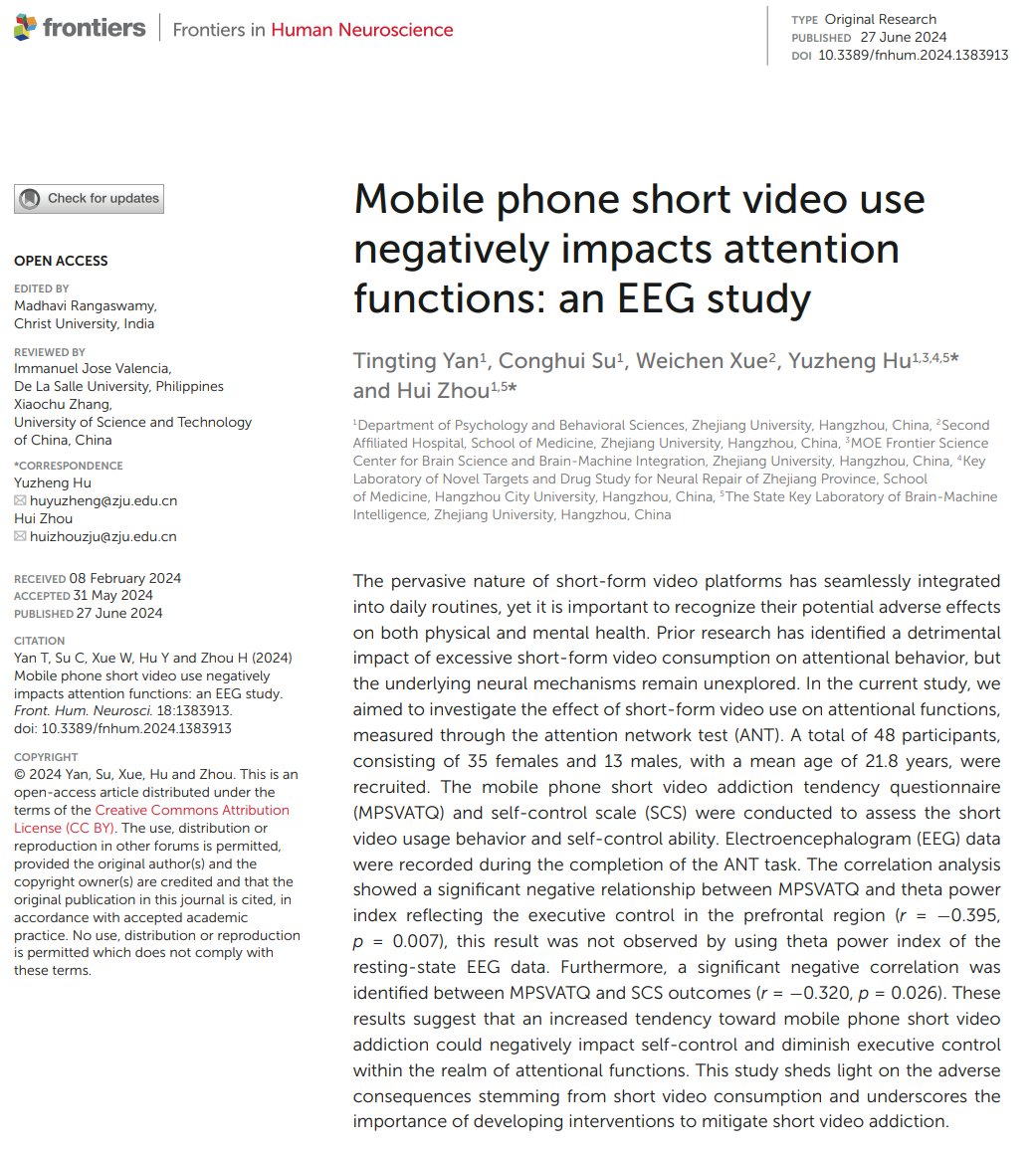
The more time students spend on screens, the less they learn.
Ed tech does not belong in schools (until it is thoroughly tested & proven to help).
Excerpt from Jared Cooney Horvath's excellent new book, The Digital Delusion, in @TheFP
https://t.co/A5XWRplsRo