QATAR Airways — my worst travel experience ever
This afternoon I arrived at Heathrow to fly to Dubai, transiting on to Kabul. 2 hour layover, not leaving the airport.
At check-in, they asked for a UAE visa. I was puzzled but explained I didn’t need one when transiting. I showed my onward flight and boarding pass to Kabul, to no avail. After back and forth, checking my d’osier of travel documents, they called a supervisor to ‘use discretion’ to clear me to board.
The supervisor arrived with a power-trip energy. He paced around, spoke in airline jargon and refused to clear me, “it’s government to government policy,” he said.
His word was final.
Eventually, time ran out and the flight about to close. I gave up. Then, on last minute, the supervisor called Dubai immigration for clarification. “Dubai says I need to send them an email with your details.”
Dubai immigration confirmed exactly what I repeatedly explained for over an hour: I did not need a visa to transit (on both my passports). At this point, a new supervisor arrives, makes some calls, and says the flight is “too far into boarding” to check me in.
They put me on the next flight, 5 hours later, and charge me £457 for “no show” and other fees.
The power abuse was breathtaking.
What hurts the most is that the supervisor who had the discretion to do the right thing, to use judgment, but chose not to, was a fellow African. A Nigerian.
Far too often, Black people in foreign institutions are an executioner than lifeline. Never in between.
The irony is that I always use @emirates. But for this trip, I thought of trying something different.
Never again on @qatarairways. NEVER!
I would recommend walking than using Qatar. I feel what it must feel to cheat on a loyal and amazing partner in search of a “new experience” and end up paying the price.
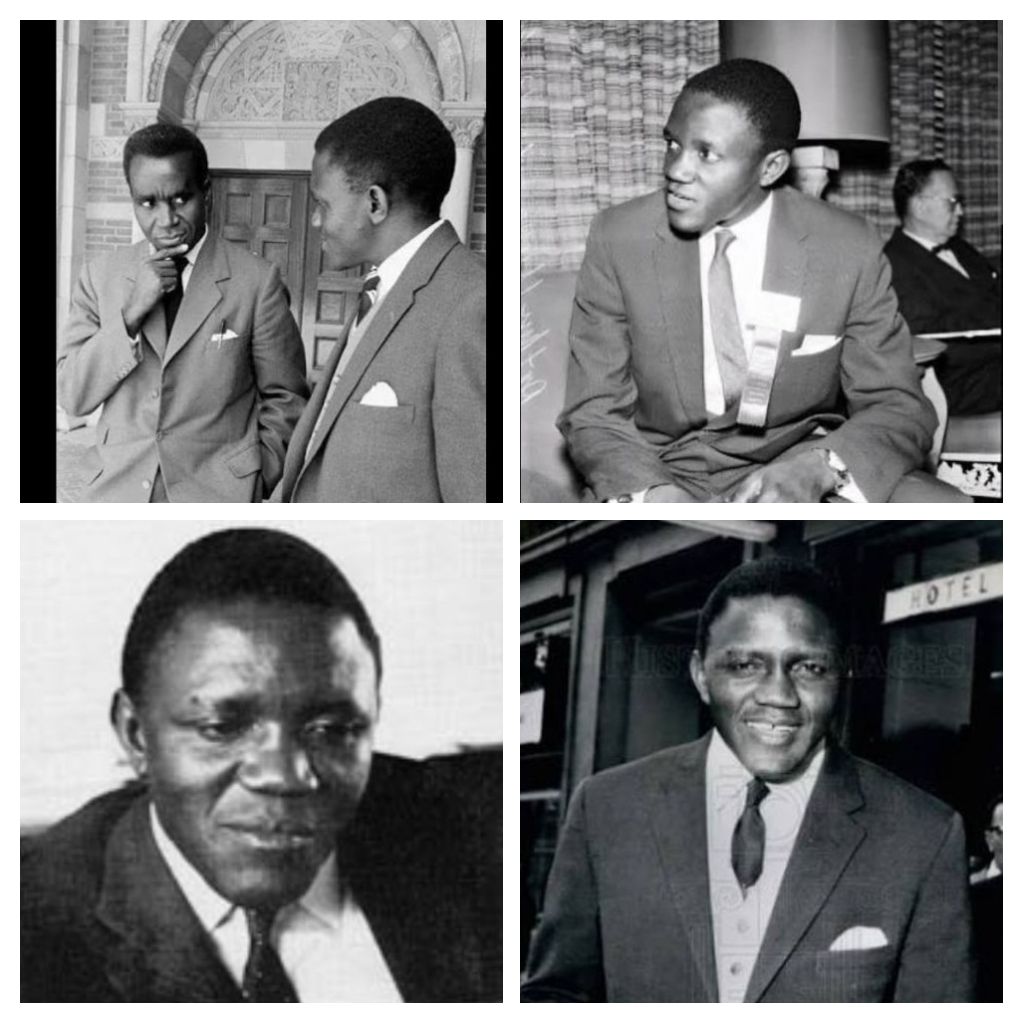
On this day in 1964, Zambia's first Finance Minister Arthur Wina defeated the BSAC into surrending the mineral rights they had appropriated to themselves in perpetuity.
That singular act of courage and statesmanship is the reason for what Zambia was able to do with copper revenues in the first decade of independence: building roads, schools, colleges, a university, hospitals, and power stations.
If successive governments had that sense of history and may be just half the patriotism, they would not have given away mining revenue to multinationals in the reckless manner they have done over the years.
On this year's Independence Day, I celebrate Arthur Wina for his patriotism and love for Zambia.
Mwape Chimpampa, a 15-year-old secondary school student from Zambia, was driven to create an affordable sunscreen for people with albinism after her father, who had albinism, died from skin cancer in 2017. #FocusOnAfrica's @BBC_AudreyB finds out more🎧 https://t.co/JMl8pu90c7