Step 1: Tell Claude Code to create a "design-system.md" from your current app/project
Step 2: Tell it to install Remotion
Step 3: Tell it to make motion graphics of interactions in your app using the design system it created (I did 16:9 for YouTube b-roll).
😎💥💪
You can also tell it to mock up popular apps (like Slack in the example below).
As a backend engineer, you should be able
to explain these concepts without Googling:
- What happens during an HTTP request lifecycle
- The difference between authentication and authorization
- Why indexes speed up reads but slow down writes
- What a database transaction actually guarantees
- How connection pooling works and why it matters
- The difference between sync and async processing
- What idempotency means and why payments need it
- How a JWT is structured and verified
How many can you explain right now?
And today we launch a clean 3-part stack for secure code execution in isolated containers
- runbox (core API)
- runbox-py (Python SDK)
- runbox-rb (Ruby SDK)
I needed to run ai-generated code safely, keep it fast enough for real product UX, and avoid rebuilding infra every single time, so I built this
2 days until Night of Code! 🔥
📅 Friday, February 27
📍 LuxDevHQ Offices, 1 Kanyangia Drive, Garden Court D18A
🕡 6:30 PM - 1:00 AM
Real projects. Real skills. Real industry exposure.
Secure your spot: https://t.co/YZd632s7VZ
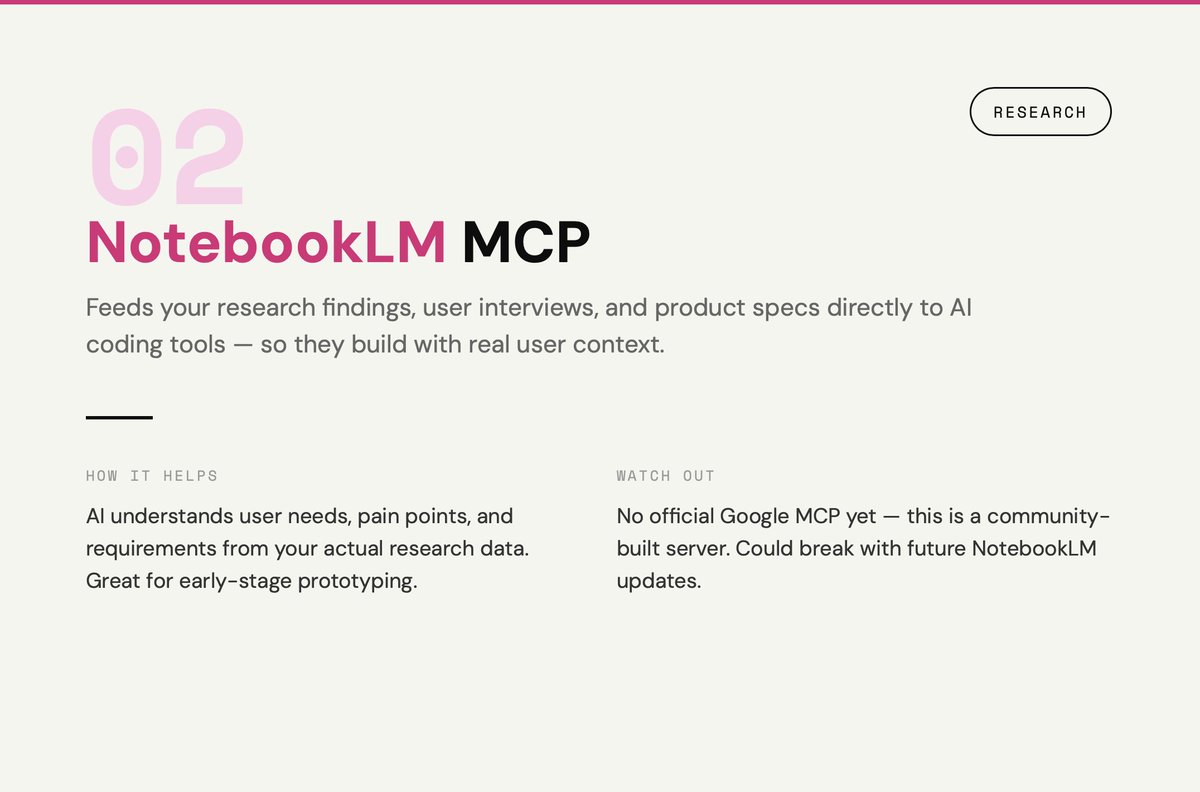
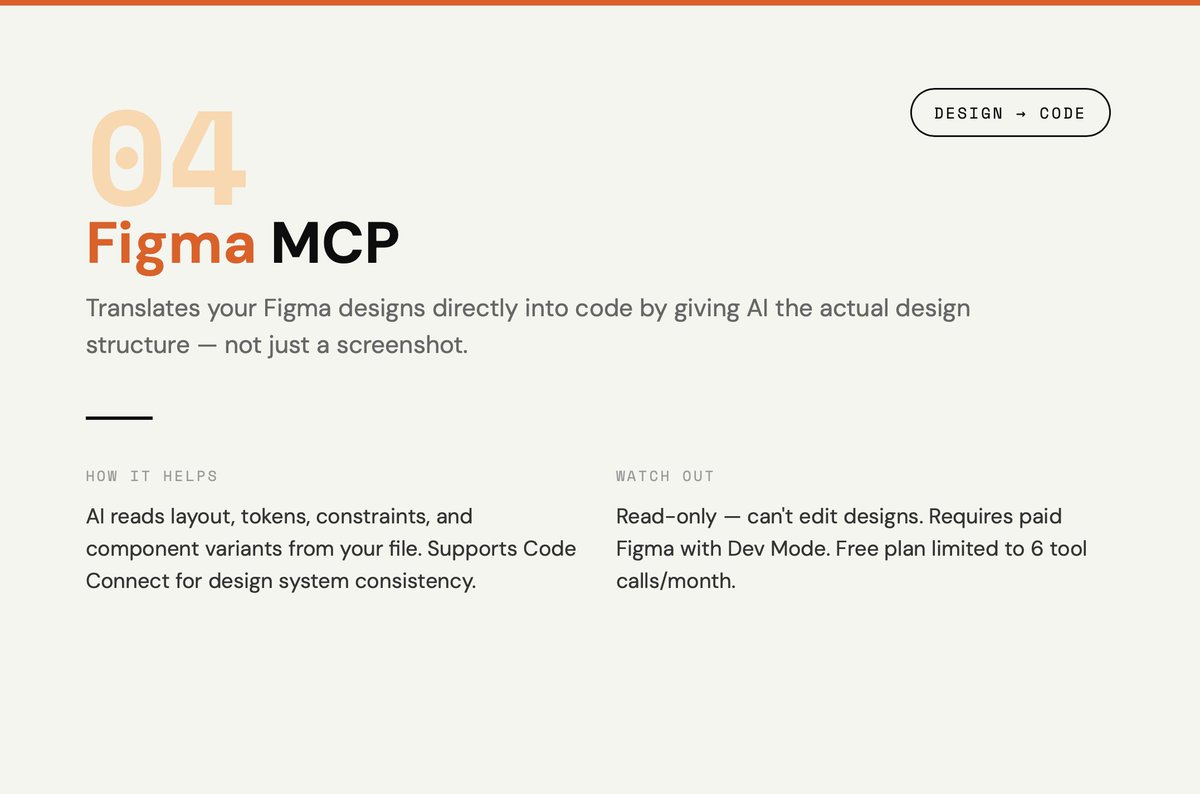
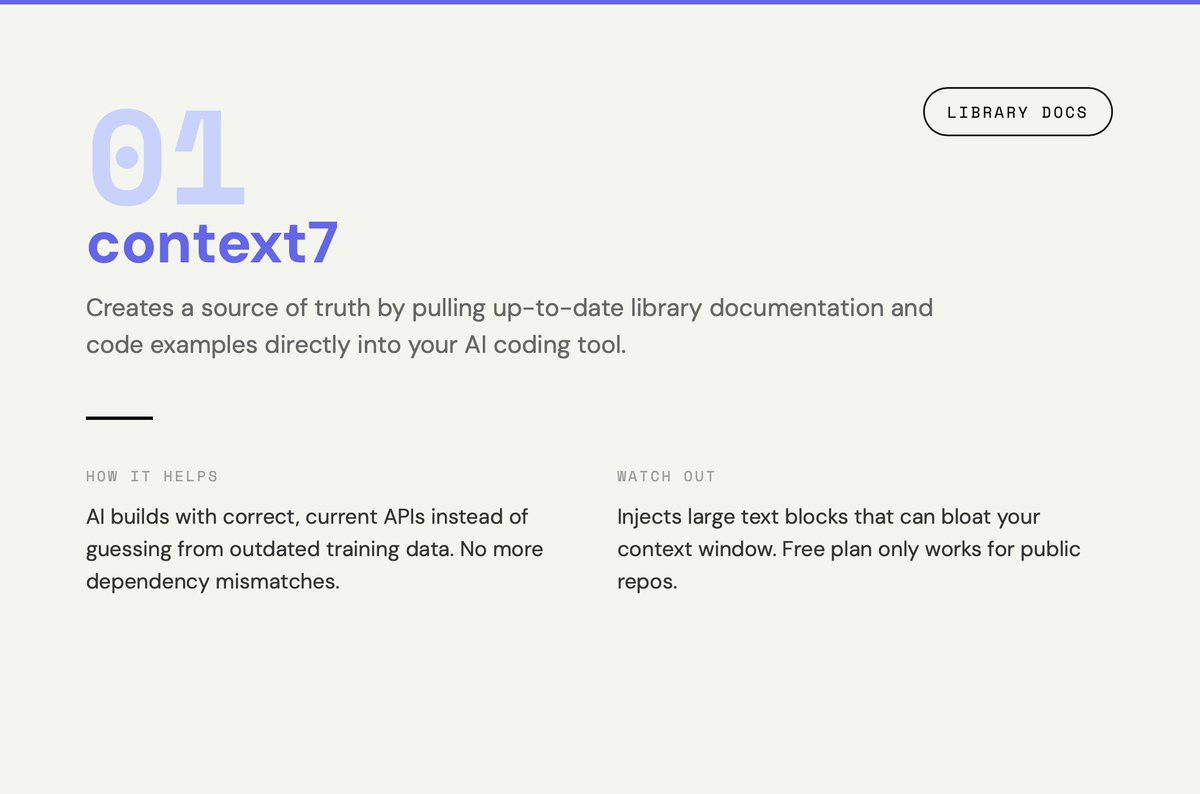
🔥Top 7 MCPs worth adding to your workflow
MCP (Model Context Protocol) connects AI coding tools to the services you already use like Figma, Notion, Google Analytics, and more.
1️⃣ context7 (Pulls live library docs into your AI tool so it codes with the right context)
2️⃣ NotebookLM MCP (Feeds your research and specs directly to AI, so it builds with real user needs in mind)
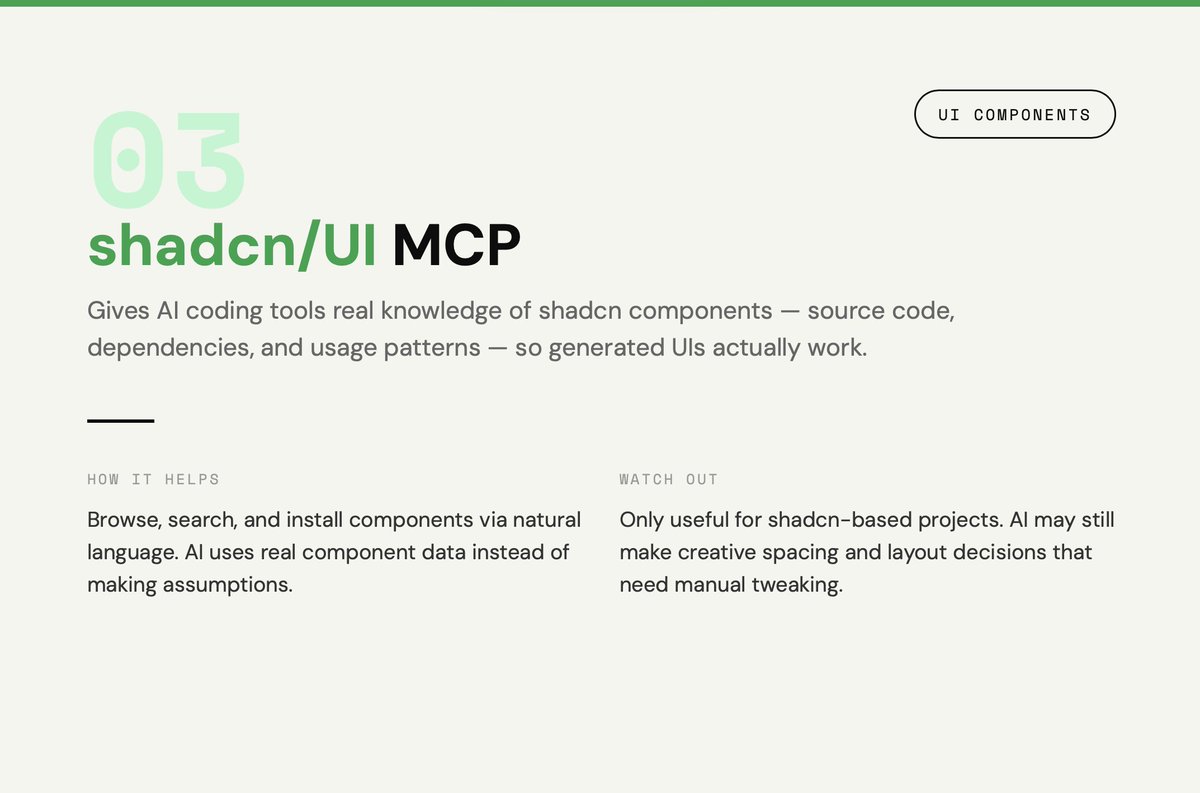
3️⃣ shadcn/UI MCP (Gives AI actual component knowledge instead of letting it guess your UI)
4️⃣ Figma MCP (Turns your designs into code using real layout structure, not screenshots)
5️⃣ Notion MCP (Lets AI read your PRDs, pull specs, and update tasks without leaving the editor)
6️⃣ Google Analytics MCP (Query your GA4 data in plain English to validate design decisions fast)
7️⃣ Supabase MCP (Set up your entire backend through natural language. No SQL needed.)
👇
I had my interview as a Backend engineer at a startup from Hungary
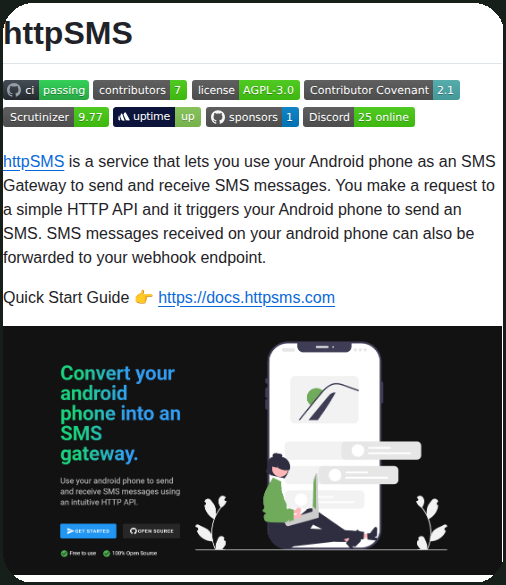
Built a simple place for managing all my cron jobs related to httpbin webhook, built this during the call while explaining what it can be stretched to and how can I do that
for now its a monorepo and built on go, rabbitmq and tanstack has been used for the frontend
You are not a Cloud Architect if you are just:
❌ Deploying apps to AWS/Azure
❌ Using managed services like RDS or Lambda
❌ Following tutorials to spin up infrastructure
❌ Clicking through cloud consoles
❌ Copy-pasting Terraform from Stack Overflow
You are a Cloud Architect if you are:
✅ Designing multi-region failover strategies
✅ Building cost-optimized infrastructure at scale
✅ Creating security frameworks and compliance strategies
✅ Planning disaster recovery with RTO/RPO targets
✅ Capacity planning for unpredictable growth
✅ Making trade-off decisions between services (and defending them)
✅ Designing network architecture (VPCs, subnets, peering, gateways)
✅ Writing enterprise-level IaC with modules and state management
Cloud engineers deploy to the cloud.
Cloud Architect: Designs systems for scale, cost, security, and resilience
Senior DevOps Engineer Interview Questions
The panel focused heavily on Kubernetes, Helm, Jenkins, AWS, Terraform, Prometheus & Grafana — all scenario-based and practical.
Sharing the questions here so others preparing for similar roles can benefit ➡️
😬Kubernetes — Scenario-Based Questions
- Your Pod is restarting frequently. How do you identify the root cause?
- A Deployment is stuck in "progressing" state — how do you troubleshoot?
- How do you debug a CrashLoopBackOff issue?
- How do you check which Pods are consuming high memory or CPU?
- Node is in NotReady state — steps to investigate?
- Your application is not accessible through service — what will you check?
- How do you handle failed daemonset pods?
- Persistent Volume not attaching — what’s your troubleshooting approach?
- How do you perform rolling updates and rollbacks safely?
- How do you perform health checks for Pods and Nodes in live environments?
😬Helm — Practical Questions
- What are values.yaml and how do you override them?
- How do you manage multiple environment deployments using Helm?
- How do you debug a failed Helm release?
- What is the difference between Helm Chart, Release, and Repository?
😬Jenkins — CI/CD Questions
- Why choose Declarative Pipeline over Scripted Pipeline?
- How do you integrate SonarQube into a Jenkins pipeline?
- How do you build → containerize → push → deploy using Jenkins?
😬AWS — Scenario Questions
- Your EC2 instance is unreachable — how do you diagnose?
- How do you implement Auto Scaling with proper health checks?
- Difference between ALB and NLB and when to use which?
- S3 cross-region replication setup steps?
- How to troubleshoot high latency in API Gateway?
- How do you reduce RDS cost without downtime?
- What happens if Terraform state is deleted in S3?
- How do you secure your VPC workloads at scale?
😬Terraform — Infra as Code Questions
- How do you recover from a deleted Terraform state file?
- How do you create 50 EC2 instances with different configurations (dynamic blocks)?
- Share your screen and write a terraform code to create a VPC with all there components and create a RDS database into VPC.
😬Prometheus & Grafana — Monitoring Questions
- How do you set up custom metrics for Kubernetes pods?
- How do you troubleshoot missing data points in Grafana dashboards?
- How do you create alerts for high CPU or memory usage?
😬Reflection:
This interview round was entirely hands-on, scenario-focused, and tested how well you handle production-grade issues, automation thinking, and troubleshooting skills.
If you're preparing for DevOps/SRE roles — start practicing real scenarios, not definitions