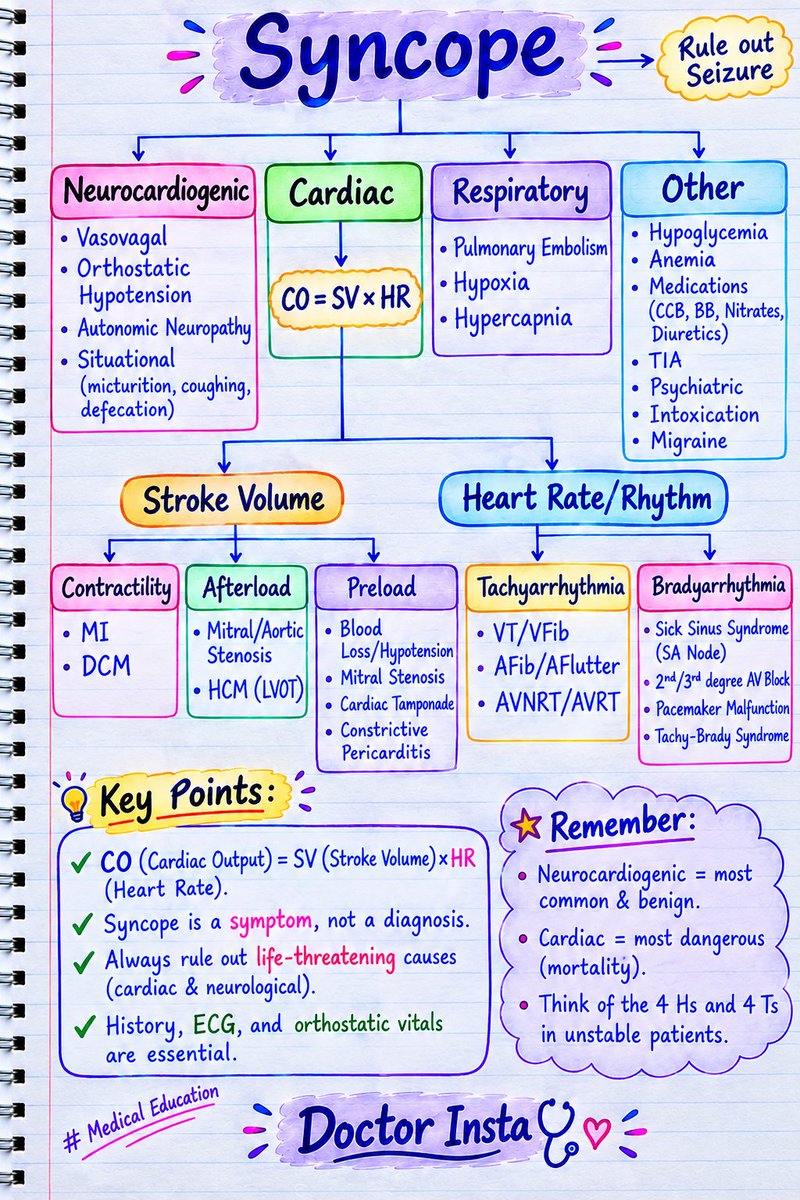
Syncope Practical Approach
Syncope = transient loss of consciousness due to transient global cerebral hypoperfusion, characterized by rapid onset, brief duration, and spontaneous complete recovery.
#Syncope#Cardiology#MedEd#InternalMedicine
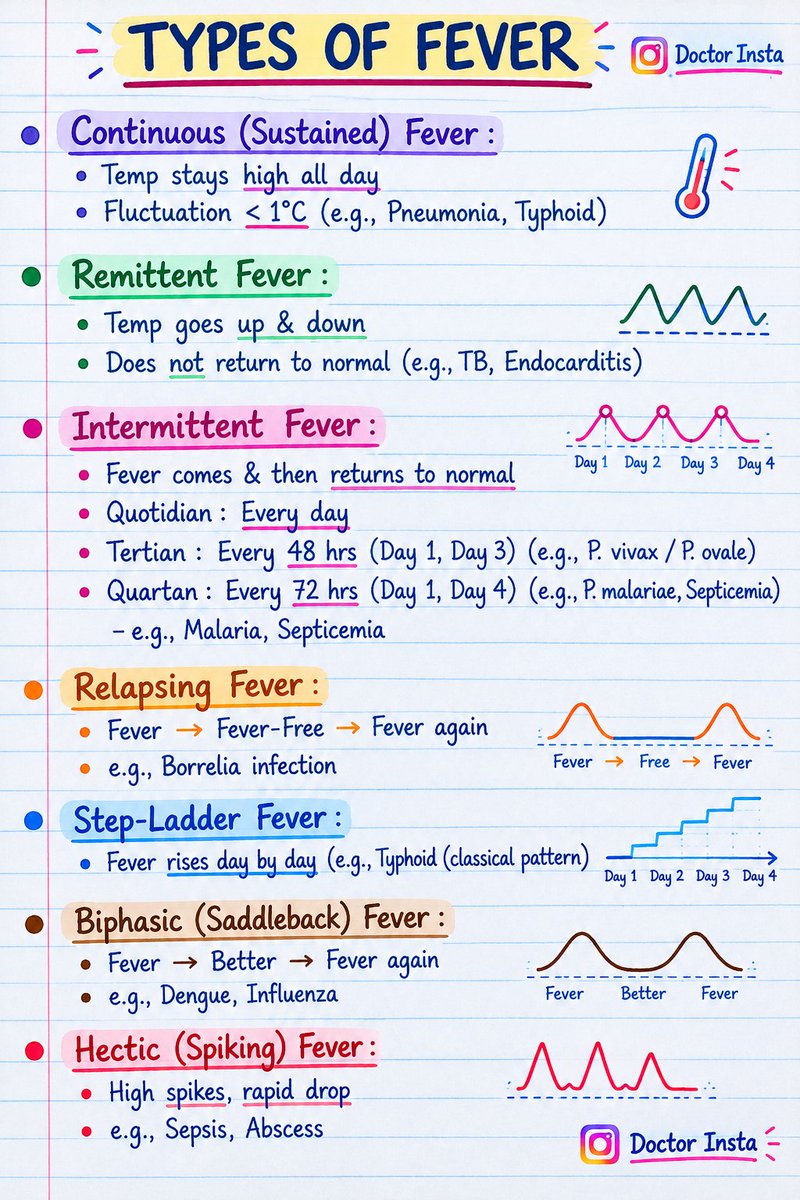
Types of Fever 🌡️
Continuous fever — Temperature remains elevated with minimal fluctuation.
Remittent fever — Fluctuation >1°C, but temperature does not return to normal.
Intermittent fever — Temperature returns to normal at least once in 24 hours.
Relapsing fever — Fever episodes are separated by periods of normal temperature.
Hectic fever — Large fluctuations, often associated with chills and sweating.
Step-ladder fever — Temperature rises progressively over several days.
#Fever #TypesOfFever #MedicalEducation #InternalMedicine #ClinicalMedicine #MedicalStudents #Doctor #Medicine #MedicalNotes #MedEd
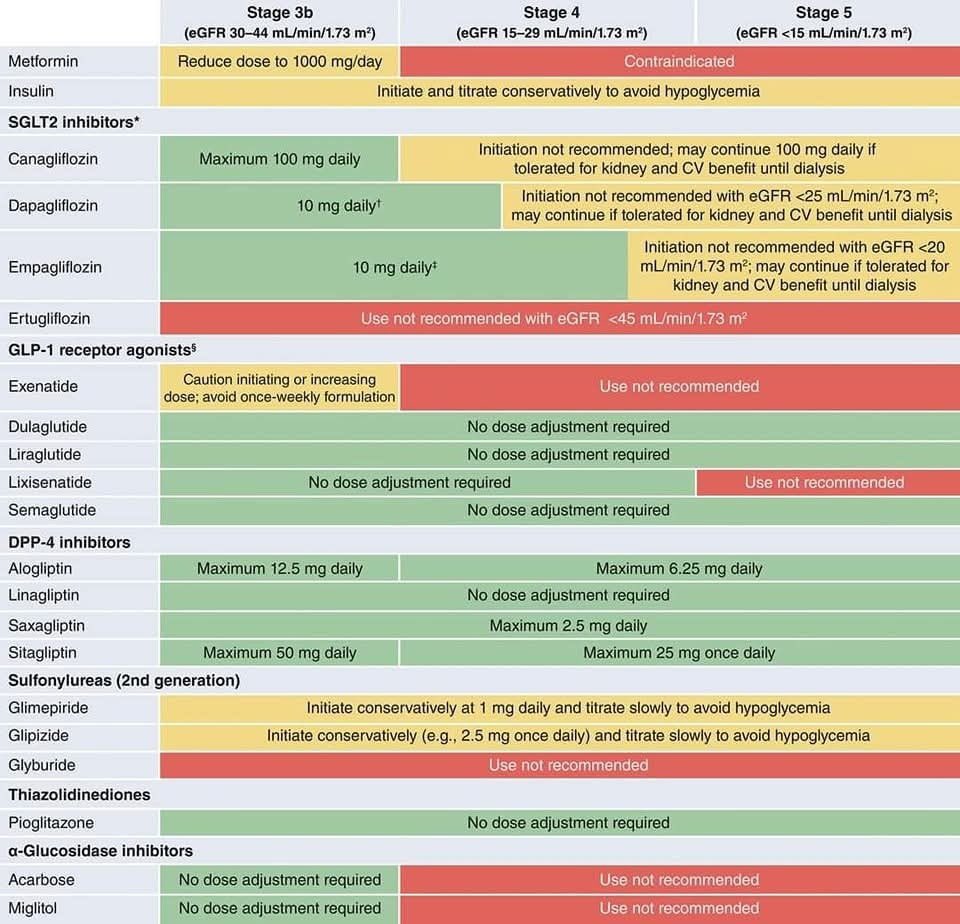
Oral Medications for Type 2 Diabetes Mellitus.
At the end of the video, the mechanisms of action of all medications are also explained.
#Diabetes#T2DM#MedEd
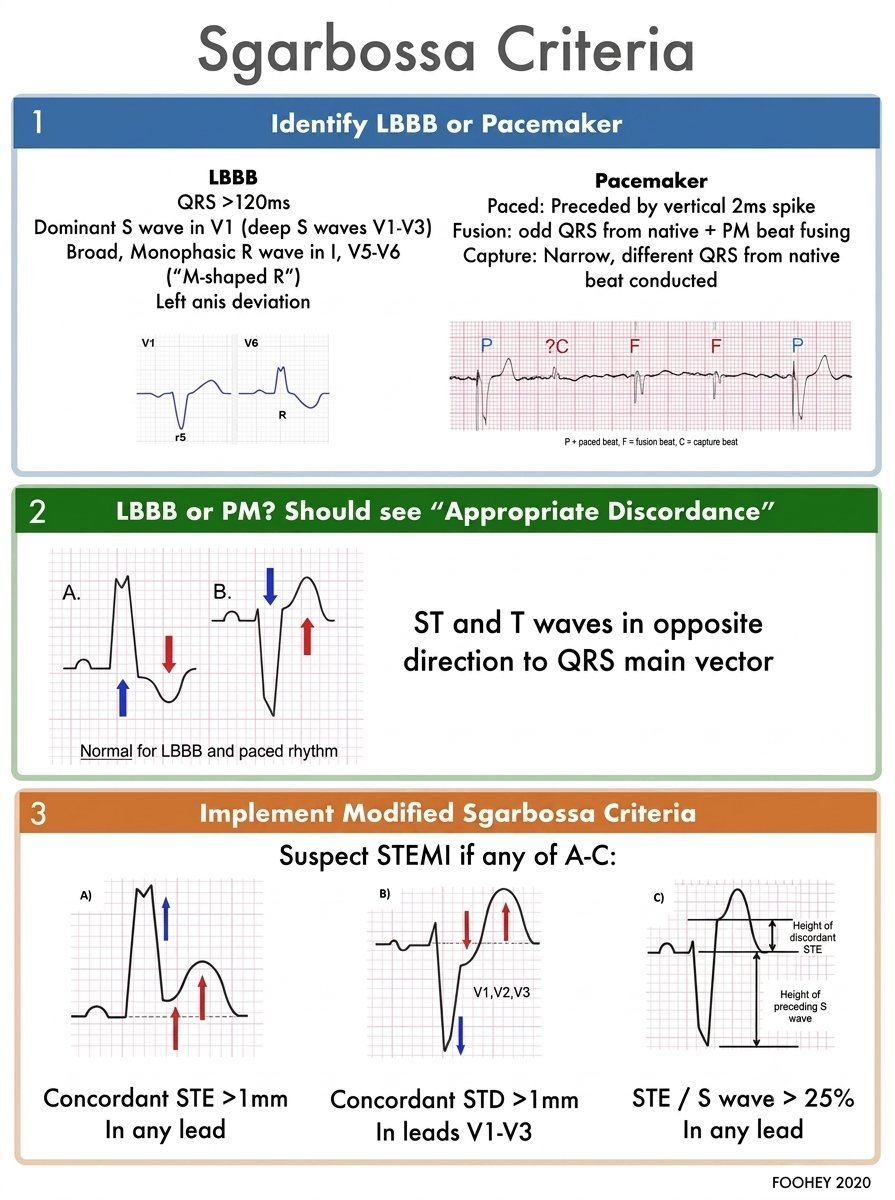
STEMI in LBBB or Ventricular-Paced Rhythm
Diagnosing acute coronary occlusion can be difficult because LBBB and ventricular-paced rhythms produce secondary ST-T changes that may mask ischemia. The Modified (Smith) Sgarbossa Criteria improve the detection of acute coronary occlusion compared with the original Sgarbossa criteria.
A positive result is present if any one of the following criteria is met:
◻️Concordant ST elevation ≥1 mm in a lead with a positive (upright) QRS complex.
◻️ Concordant ST depression ≥1 mm in leads V1, V2, or V3.
◻️ Excessively discordant ST elevation with an ST/S ratio ≤ −0.25. This means the ST elevation is disproportionately large compared with the depth of the preceding S wave.
Unlike the original Sgarbossa criteria, the Modified Sgarbossa Criteria do not use a point system. Meeting any one of these criteria strongly suggests acute coronary occlusion (OMI) and should prompt urgent clinical evaluation and consideration of reperfusion therapy in the appropriate clinical setting.
References
Smith SW, et al. Ann Emerg Med. 2012;60(6):766–776.
2022 ACC Expert Consensus Decision Pathway on the Evaluation and Disposition of Acute Chest Pain.