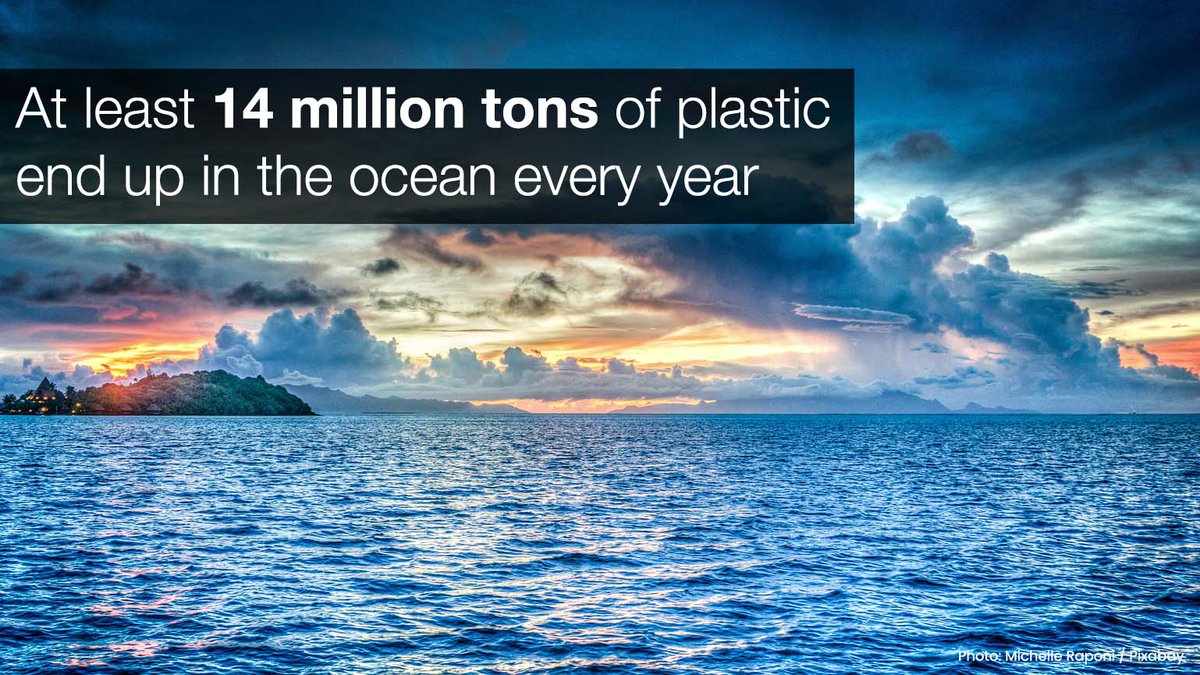
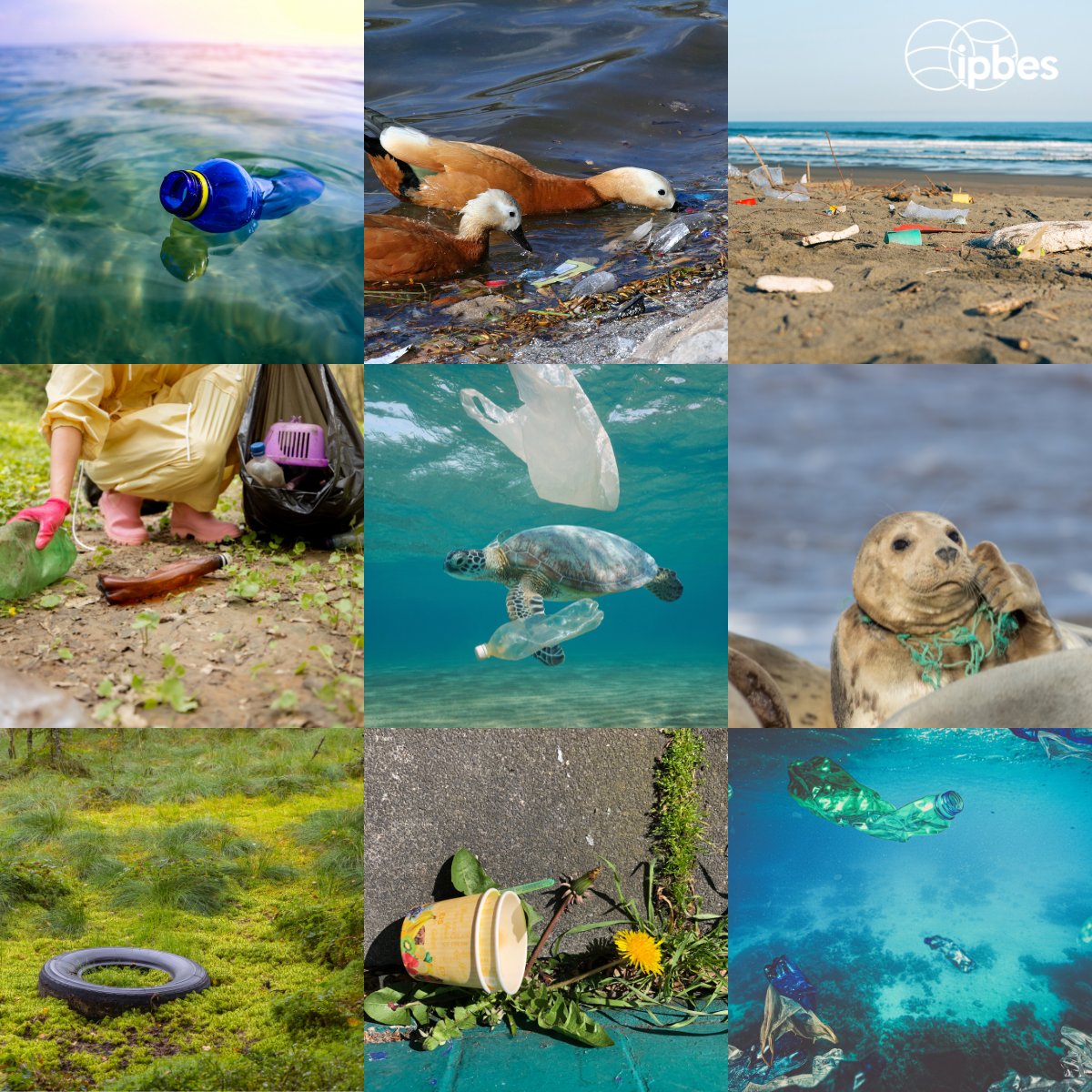
Plastic makes up 80% of all marine debris found from surface waters to deep-sea sediments, it threatens food safety and quality, human health, coastal tourism, & contributes to climate change.
Discover what we can do in our Issues Brief https://t.co/g9prPK8SW3
Plastic pollution threatens food safety and quality, human health, coastal tourism, and contributes to climate change.
🌊 Our Issues Brief explains how we can tackle #PlasticPollution.
➡️ https://t.co/1UFmrm8Z80 @IUCN_Plastics
✅ Mangroves protecting shorelines from storms
✅ Peatlands sequestering carbon
✅ Wetlands filtering contaminated water
'Natural Water Infrastructure' is a vital #NaturebasedSolution; learn more about the services it provides ➡️ https://t.co/k4rHXXb6yu
@IUCN_Water
No one believed the first report of the sighting. Surely it’s not a repeat of 2016? Isn’t that wild pig that’s fooled us before? But then there was video.
Sadly likely another refugee of land use change and hope it’ll find a safe habitat back in Johor.
🚨Baby turtle alert! 🐢
About 120 Hawksbill Turtles (Eretmochelys imbricata) have hatched along our shores at East Coast Park! They all made it to sea safely 😊
If you spot any hatchlings or a nesting turtle, do keep a safe distance. More info at https://t.co/6wTEXmb3UT
Implementing the Global Biodiversity Framework requires innovative and outcome-based finance and investment.
Join financial and business leaders for the #IUCNLeadersForum to tackle critical questions around financing the global goals #ForNature.
https://t.co/xPDz91jtDF
#Science#policy isn’t just political dialogue but also outreach, fresh insights and policy adaptation-informing a treaty on protecting Earth’s ozone to influencing one that addresses HFC drawdown and encourages greater #energy efficiency. @AGU_Eos https://t.co/VUB5cBtke5
Help strengthen collective action to tackle the #ClimateCrisis.
Join global leaders and changemakers for the #IUCNLeadersForum this October.
Register today https://t.co/xPDz91jtDF
Marine heatwaves have increased in frequency by 50% in the past 10 years.
By investing in Nature-based Solutions and ambitiously reducing #FossilFuel-based emissions we can limit the impacts of the #ClimateCrisis
Invasive alien species (IAS) are one of the biggest causes of biodiversity loss and species extinctions, and #ClimateChange compounds the problem.
We need solutions that consider the links between the two issues.
Our Issues Brief explains https://t.co/w9Q61JYK7z
#G7
The new Kunming-Montreal Global Biodiversity Framework, #GBF, is ground-breaking in its recognition of the critical role of Indigenous peoples and local communities in protecting and restoring ecosystems.
#ForNature
🗞️@undp 👇🏽
https://t.co/vp2etPDy47
What are the perspectives through which people relate to nature? Why are they important?🌿🙏
@ipbes#ValuesAssessment presents 4 general perspectives to make new typology of values useful for decision-making. These are: living from, with, in & as nature.
Via @IPBES
Civil society and academe were significant contributors and supporters of the policy transformation btw coastal development and marine conservation. #community collaboration remains a critical enabler in efforts to protect marine #biodiversity under intense urban pressure.
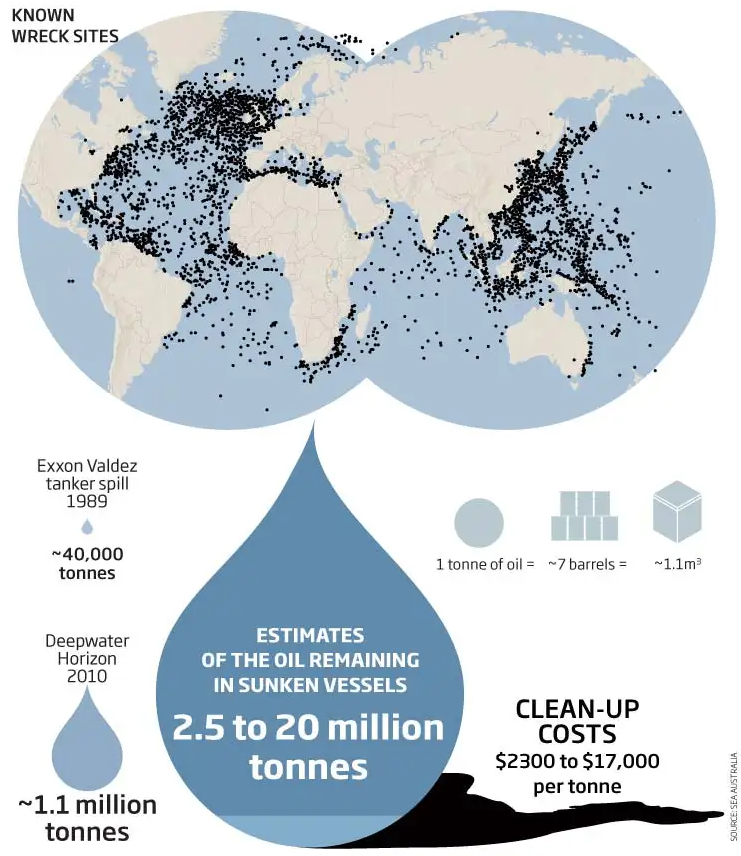
Once a ship sinks, where does its fuel go? Exactly. Marine pollution from sunken vessels is predicted to reach its highest level this decade, with 8,500+ shipwrecks at risk of leaking around 6 bn gallons of oil.
Learn more in our latest Issues Brief
https://t.co/FLeXExrlGg
Marine #pollution from sunken vessels is predicted to reach highest level this decade with long lasting consequences for the #ocean | mostly war wrecks, >8500 at risk of leaking harmful chemicals and ~6 billion gallons of heavy oil=545x >ExxonValdez, 30x >Deepwater Horizon @IUCN
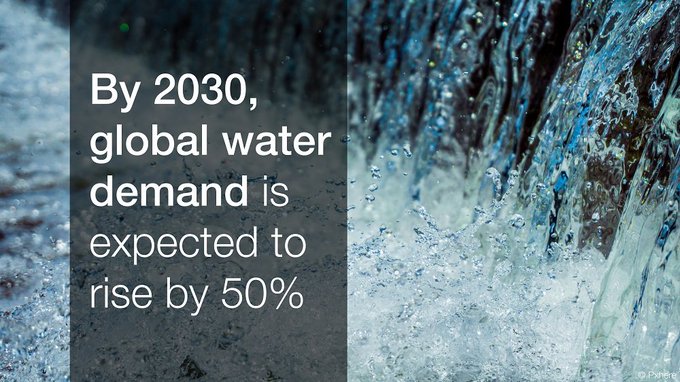
The world must equitably and sustainably manage water to provide for a growing human population.
Learn more about IUCN's work on freshwater and at the UN #WaterAction conference https://t.co/74F7oq2AAP