🚨🎙️Mohamed Ouahbi (Morocco coach): "Some players stopped because there was a handball in France's goal!" "And there was definitely a handball! I DON'T KNOW WHY THEY DIDN'T DISALLOW MBAPPÉ'S GOAL”
Let’s see if this will get as much outrage as Argentina 😂
Scientists provide research for free, review it for free, then buy it back at absurd prices—a notorious loop!! Commercial publishers profit rivals like Google! Isn’t it time for universities to establish their own publishing systems?
#OpenAccess#AcademicPublishing#ScienceForAll
Check out the latest document: Step-by-Step Guide to Conducting a Systematic Review and Meta-analysis in Environmental and Public Health https://t.co/gjJMDsuLo1 via @LinkedIn
our study findings got a newspaper coverage in Bangla outlook (English version), Bangladeshi workers lose more than $280 annually due to heat stress https://t.co/PkW72hbZBk
A Nation United for Helping Each Other!!
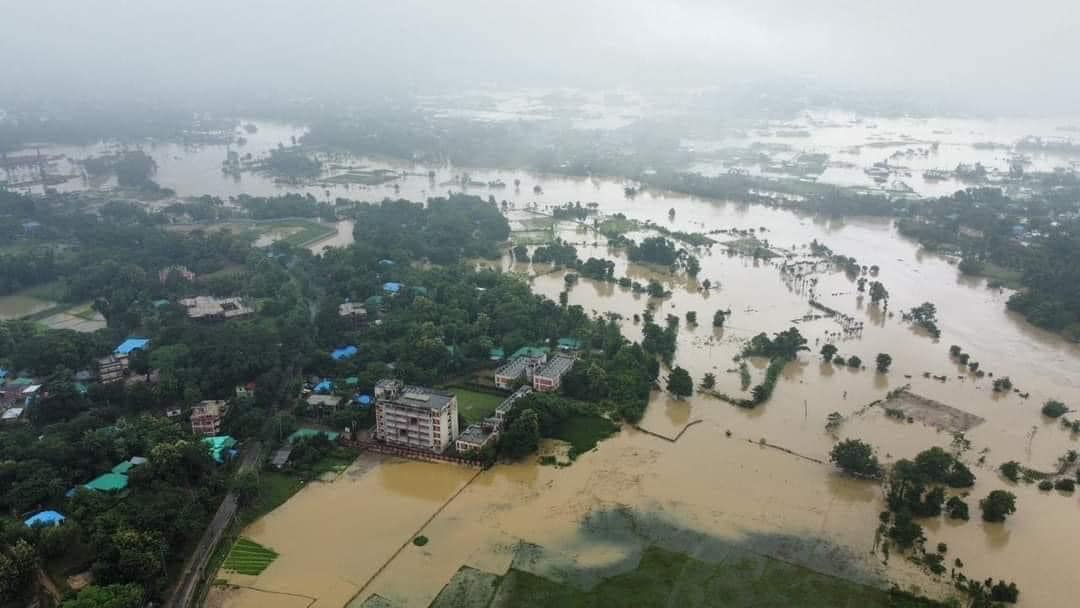
Thousands of people flock at TSC, Dhaka University to provide Relief for the flood victims.
Beside crores of Cash, tons and tons of Reliefs are arriving non-stop. These are being taken by Trucks and Helicopters at the affected areas.
#Bangladesh: India's Reckless Actions Are Worsening the Flood Crisis in Southeast Bangladesh
For the first time in generations, Bangladesh's entire southeastern region is facing its worst flooding in history affecting millions of people. The cause? Indian authorities opened the gates of the Dumbur Reservoir in Tripura for the first time in three decades, releasing massive volumes of water into an already rain-soaked region.
(Read: https://t.co/Cnp1TjrTxE}
Could there have been flooding without India opening the Dumbur Reservoir gates? Perhaps yes, but on a significantly smaller scale. The sudden release of water from the dam has inundated the region to an extent it hasn't experienced in generations.
International law obliges India to notify Bangladesh of any actions that could cause significant harm downstream. Yet, India's failure to notify Bangladesh before opening the gates has caused significant distress and damage.
Unfortunately, the Dumbur Reservoir is just one of many dams India has built on the rivers that flow into Bangladesh. Of the 54 transboundary rivers shared between the two countries, India has constructed dams on at least 30 of them, with the Farakka Dam being the most infamous for its catastrophic impact on northern Bangladesh.
India's unilateral construction of dams and its arbitrary control of water flows have become a constant threat to Bangladesh, causing either drought or flooding downstream. This reckless behavior has devastated millions of lives and wreaked havoc on the environment. For example, over 80% of Bangladesh's 20 million small farmers depend on water flowing through these transboundary rivers to grow rice. (Source: https://t.co/t0Fo6jP5bP)
By inflicting such widespread damage, India is effectively breaching international law on a regular basis. Here are some of the key obligations that India is failing to uphold:
1) Under Articles 5 and 6 of the UN Convention on the Law of the Non-Navigational Uses of International Watercourses (1997), upstream and downstream countries have the right to equitably and reasonably utilize shared waters.
2) Article 7 of the 1997 Convention, along with customary international law, obliges upstream countries, like India, to prevent significant harm to downstream nations, such as Bangladesh.
3) The Espoo Convention (1991) and customary international law mandate that upstream countries notify and consult with downstream states before undertaking any activities that could significantly affect shared waters.
Yet, India has consistently ignored these obligations and has never acknowledged the rights of Bangladesh and its people under international law.
Despite these hostile actions, Indian officials continue to claim that they are friendly neighbors—yet they wonder why Bangladeshis hold such deep resentment against them.
Is India truly a friendly neighbor to Bangladesh? Their actions speak louder than their words.
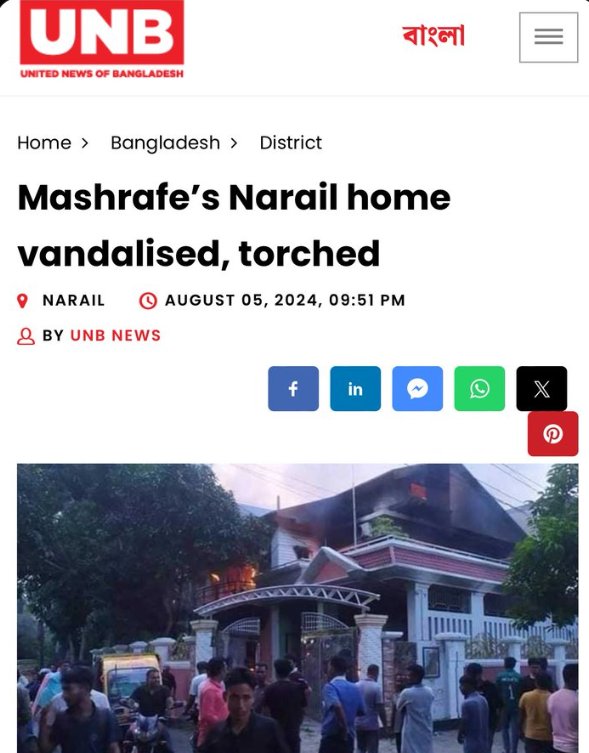
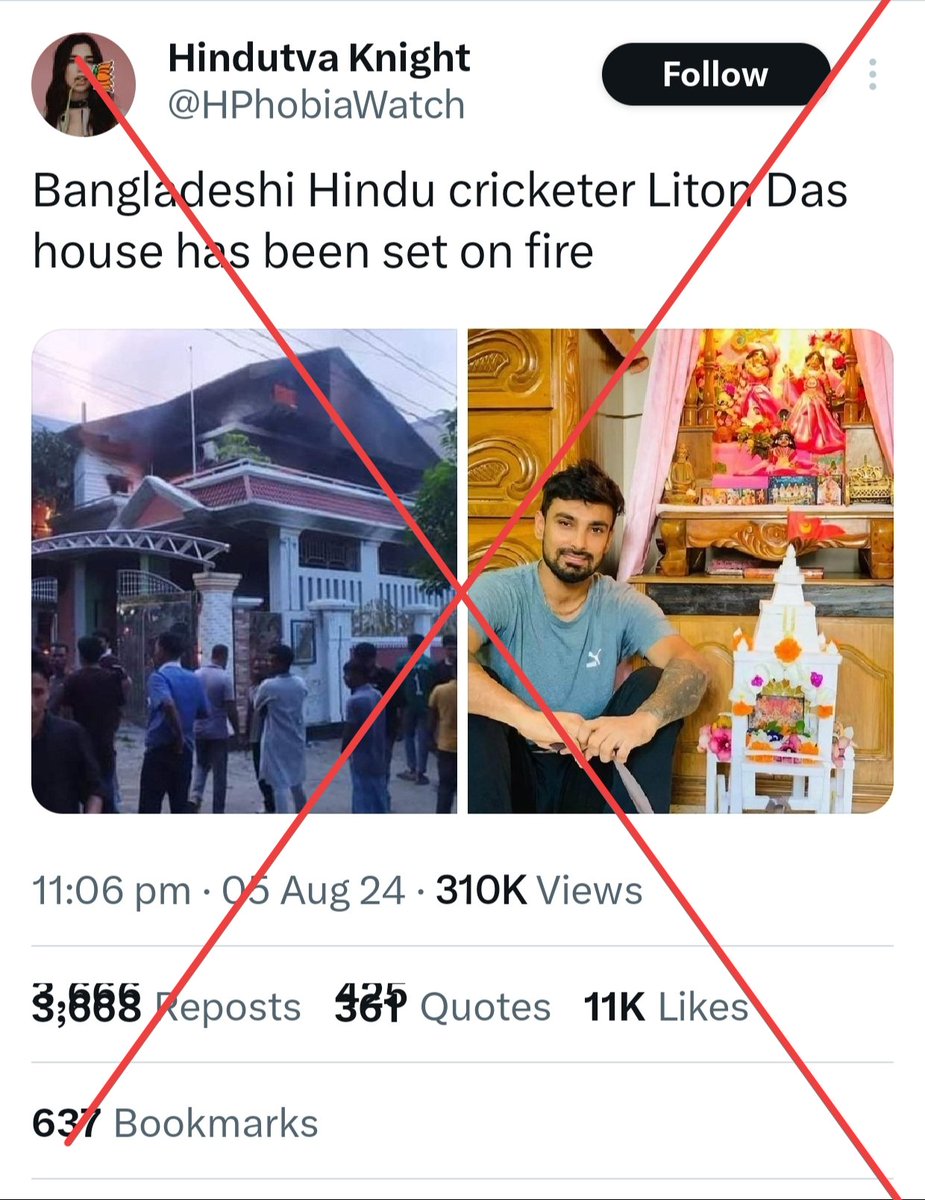
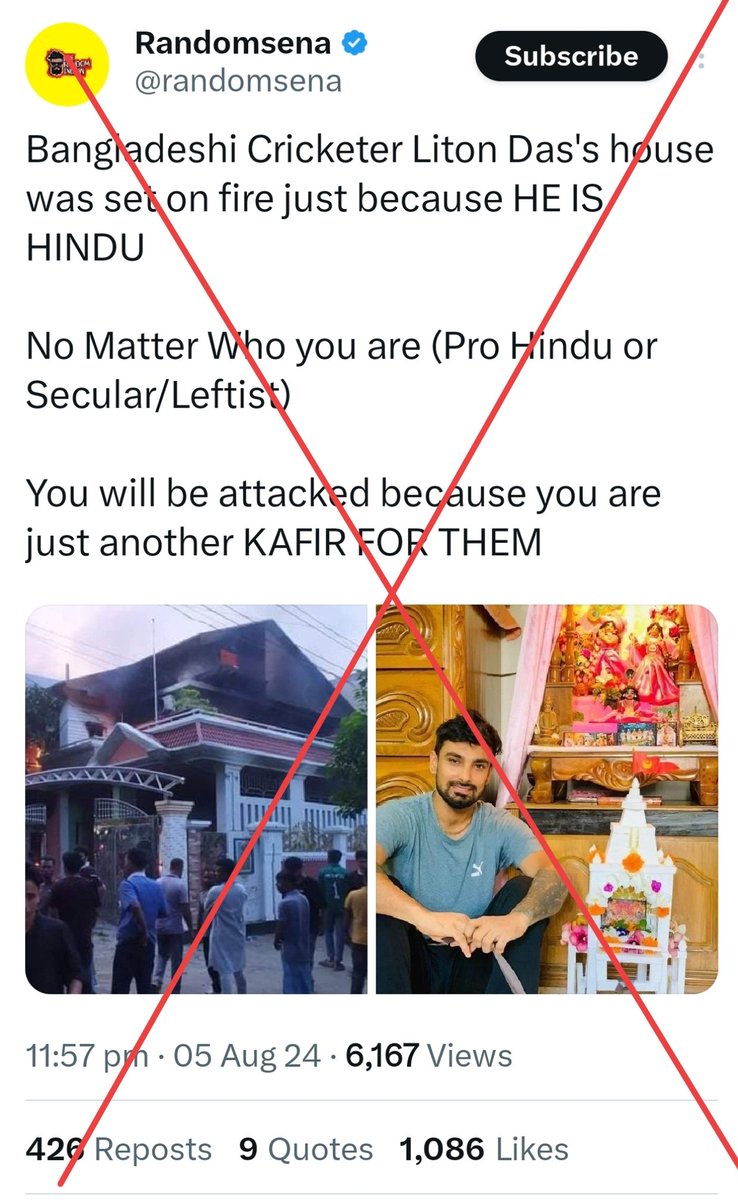
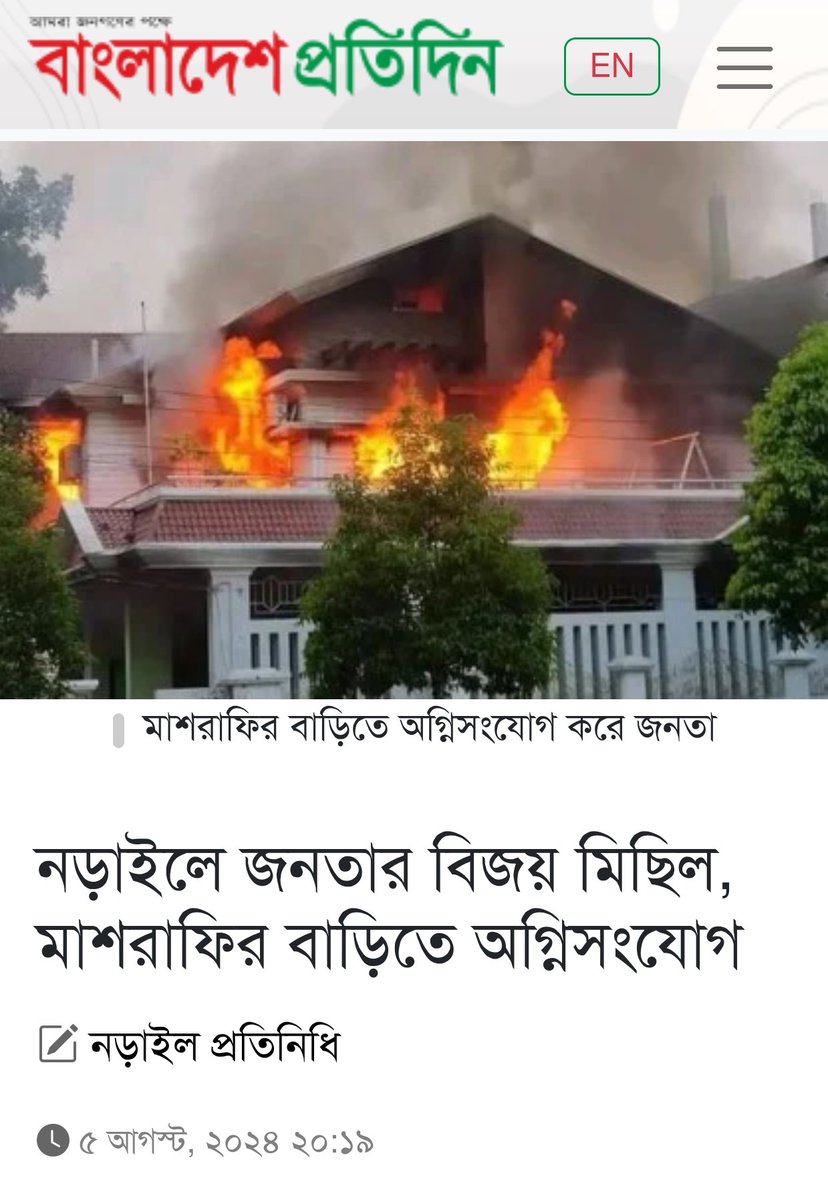
#HindusAreSafeInBangladesh becomes top trend in Bangladesh as some Indian backed accounts spreads old videos that Hindu attacked in the country.
People from Hindu community posting a common message on social media that "I am Hindu, and my friends from every religion in Bangladesh are here to protect me. We built this Bangladesh together. We are united" most of social media users posting online in response to propaganda.
The coordinators of the student body that led the protest against Sheikh Hasina’s authoritarian rule have declared the formation of an interim government with the country's only Nobel Peace Prize laureate, Professor Muhammad Yunus, as its Chief Advisor.
https://t.co/n7E988onW5
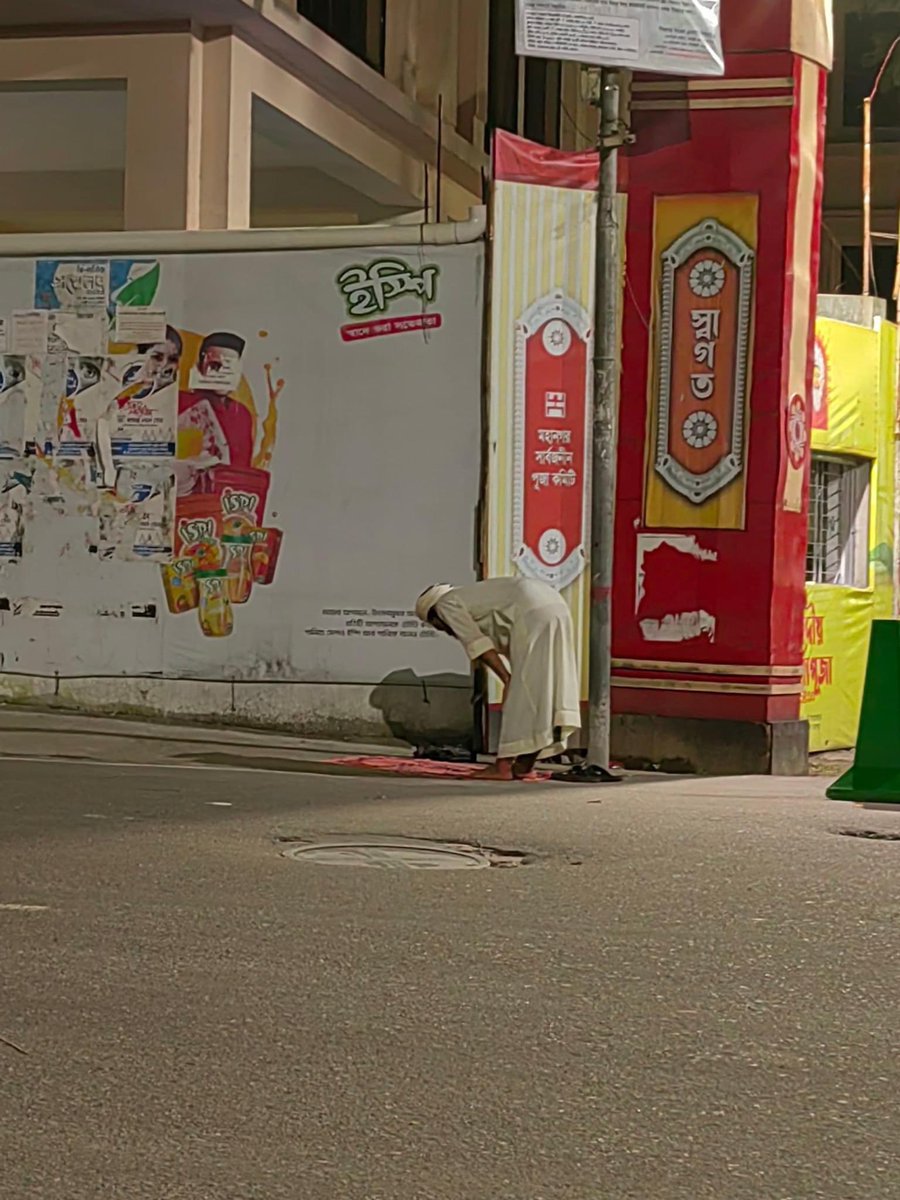
Bangladesh: Following false rumours of attacks on Hindu religious places, Bangladeshi students are guarding temples in every district
In Faridpur, Mahmudul Hasan Wali & his team are guarding Ramakrishna Mission
In Chittagong, Iffat Mannan & his team are guarding a local temple
#BangladeshViolence #SheikhHasina #Bangladesh #StepDownHasina #BangladeshBleeding
It’s Fajr time but still they are trying to spread positive towards to make them feel safe. They are praying namaz in front of the Mandir. India’s media is trying to spread fake news regarding that hindus are not safe in bangladesh. But It’s NOT True. #hinduaresafeinbangladesh