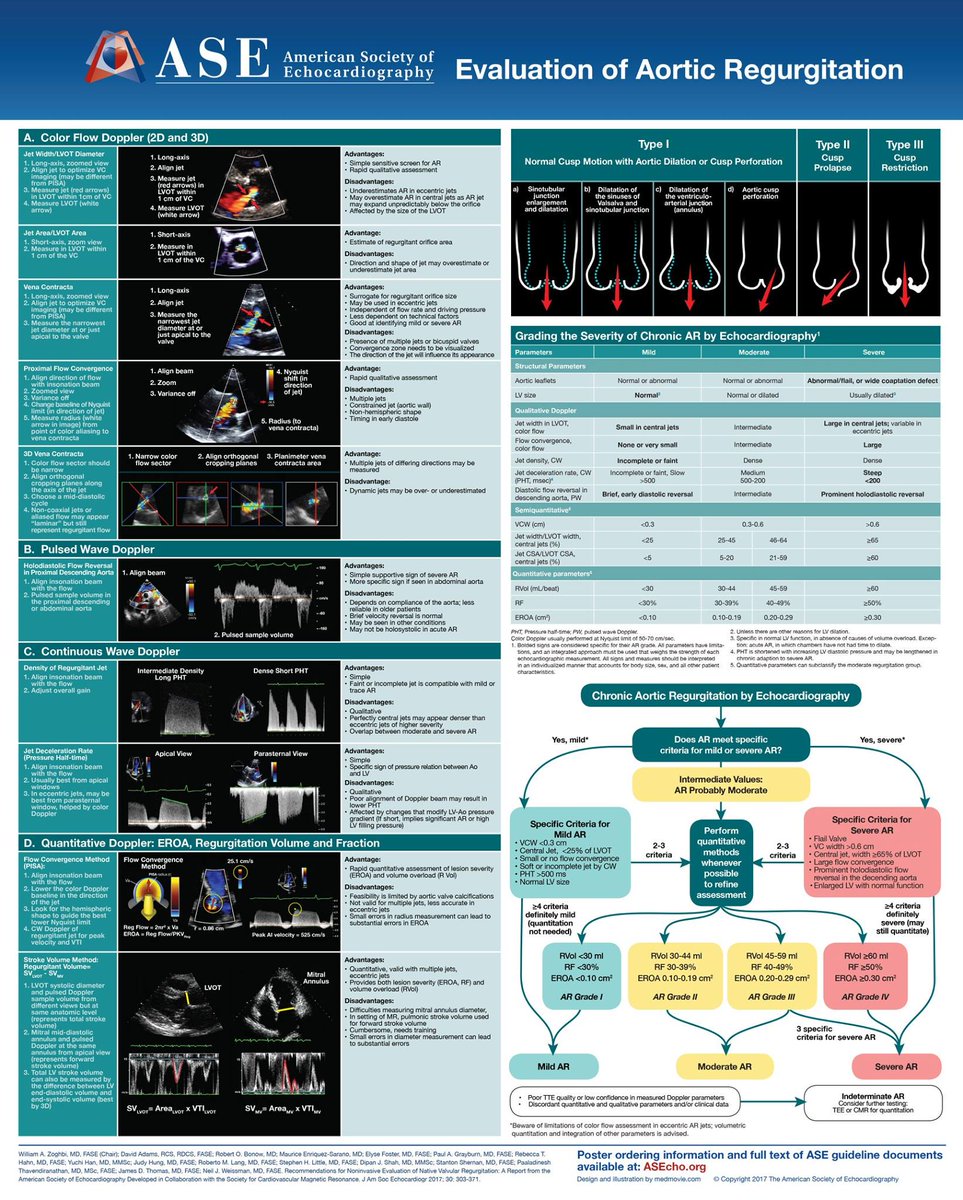
In this #3D TEE mid-esophageal RV in-out view you can better understand the location of different types of VSD in echo #echofirst supracristal VSD lying more cranial than the infracristal.
👉 for more morphological details check this out
https://t.co/1pb2PmIvwa
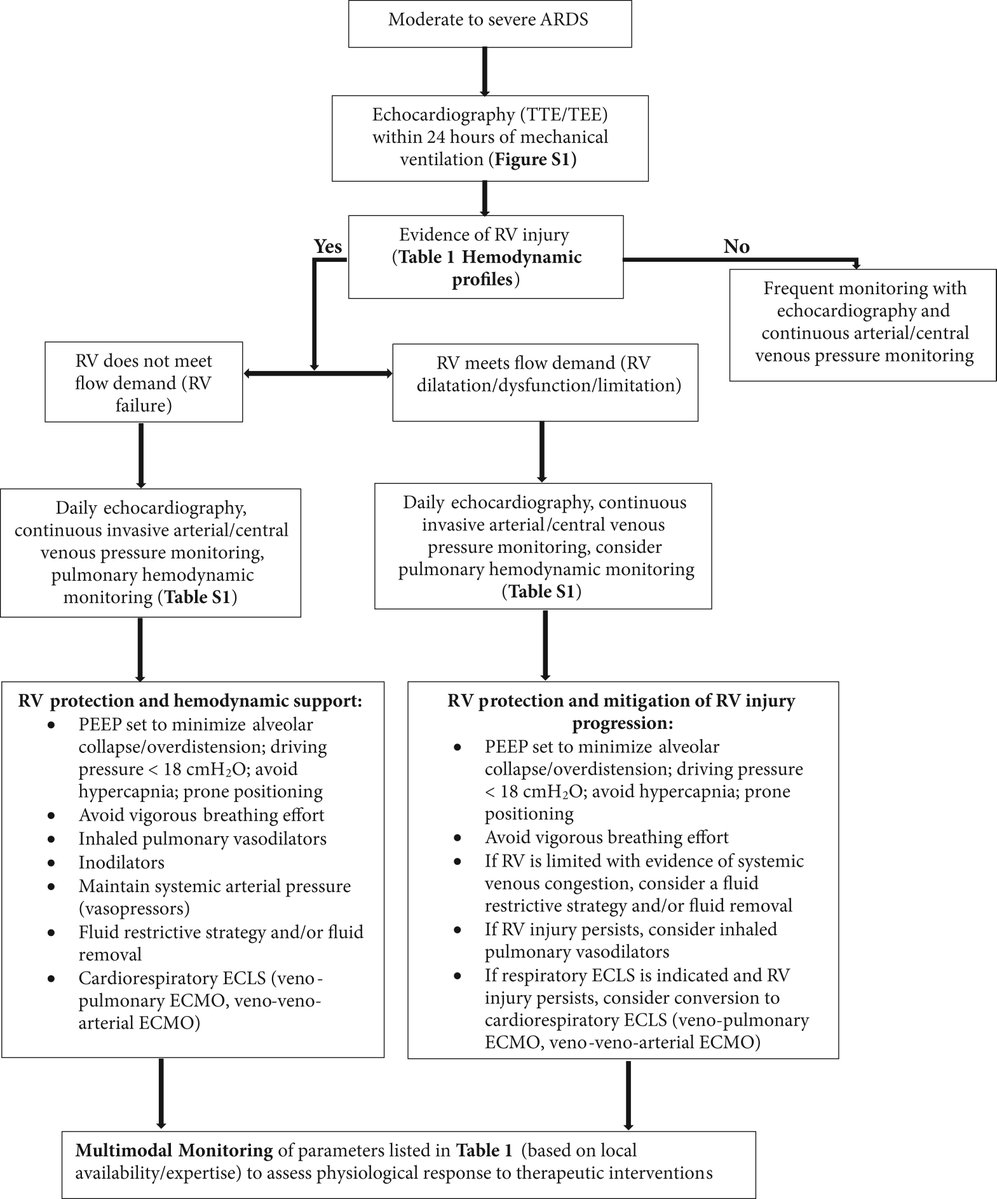
Right Ventricular Hemodynamics in Acute Respiratory Distress Syndrome: Monitoring and Implications for Clinical Management
CCR Journal Watch
https://t.co/Sp06oA6IDG
New & improved hemodynamic simulator for an upcoming @CritCareTime episode.
See how cardiac pressure volume loops are affected by preload, contractility, afterload, valvular disease, and by adding MCS (IABP, impella, VA-ECMO).
Check it out:
https://t.co/XwBwUL5Bdc
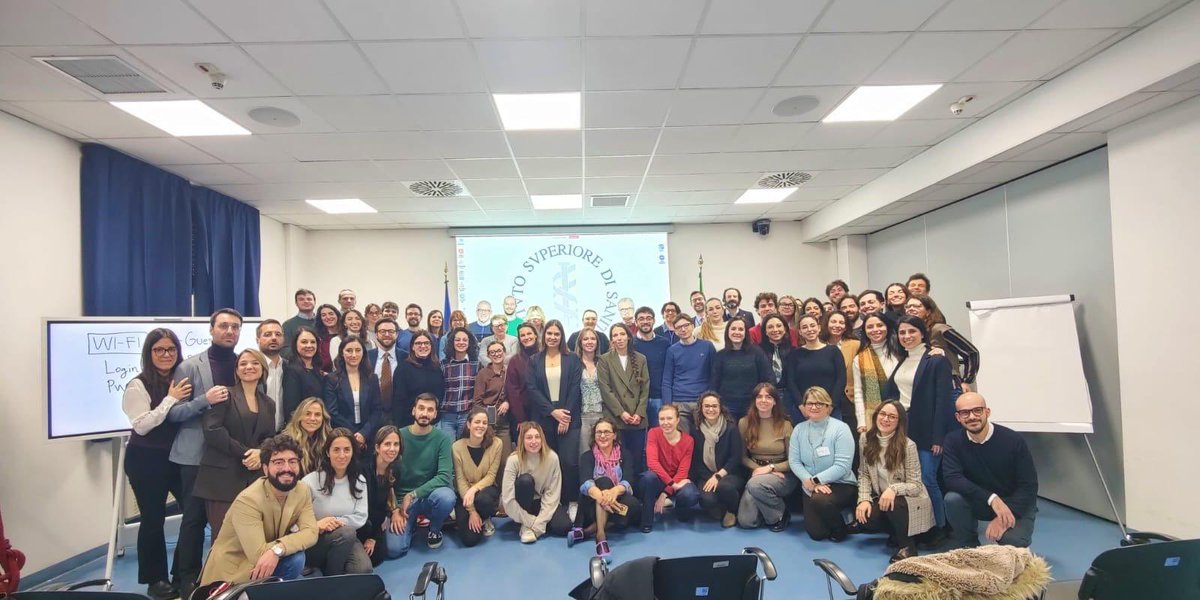
Today, together with a great team from San Raffaele, Bologna, Udine, Foggia, Ancona, and Genova, we visited the Italian National Institute of Health in Rome to discuss organ transplants.
Such an inspiring and unforgettable experience! 🙌🧠💙✨
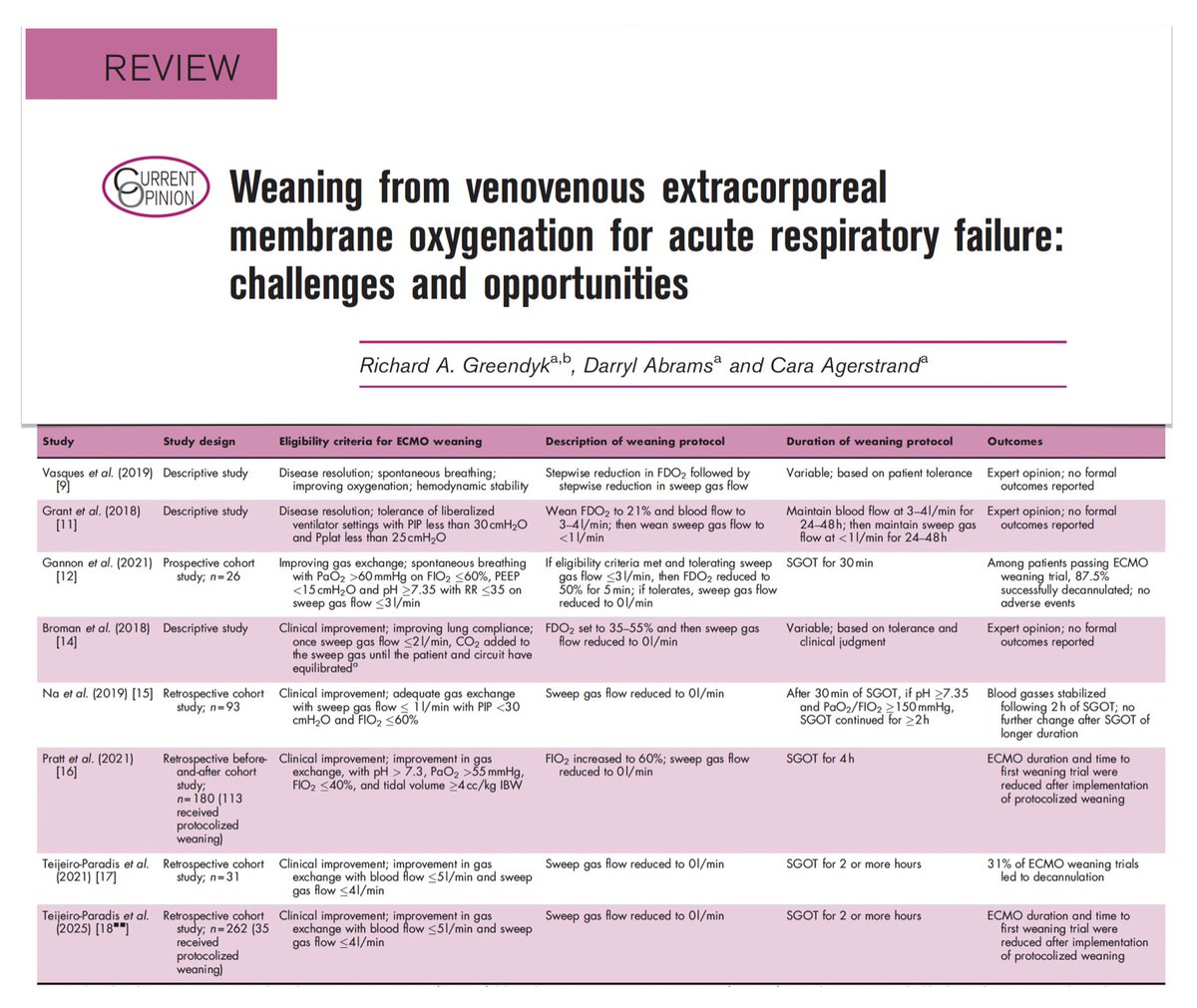
Weaning from VV #ECMO for acute respiratory failure, current understanding & emerging data:
📋 protocolized weaning in critical care
🫁 approach to #ECLS weaning
🔍 emerging evidence for protocolized weaning
🫁 physiologic predictors of successful weaning
🚧 challenges
🩺 approach to the difficult-to-wean patient
Optimal strategy for weaning uncertain: structured but individualized protocols, careful physiologic monitoring (Vt, diaphragm function/respiratory effort, CO2 clearance), (+ patience) may improve outcomes, even in extended runs. Premature decisions about irreversibility of lung injury should be avoided. #ICUrehab
🔗 https://t.co/2oZsldw6V0
Can you predict LCOS after mitral surgery?
DOI: 10.1186s44158-025-00288-1
-GLS >−19.1% screams LCOS risk in mitral surgery. A real game-changer.
-GLS >−19.1% lights up LCOS risk. Mitral surgery just got sharper.
-Breaking: GLS >−19.1% is a bold new LCOS warning sign.
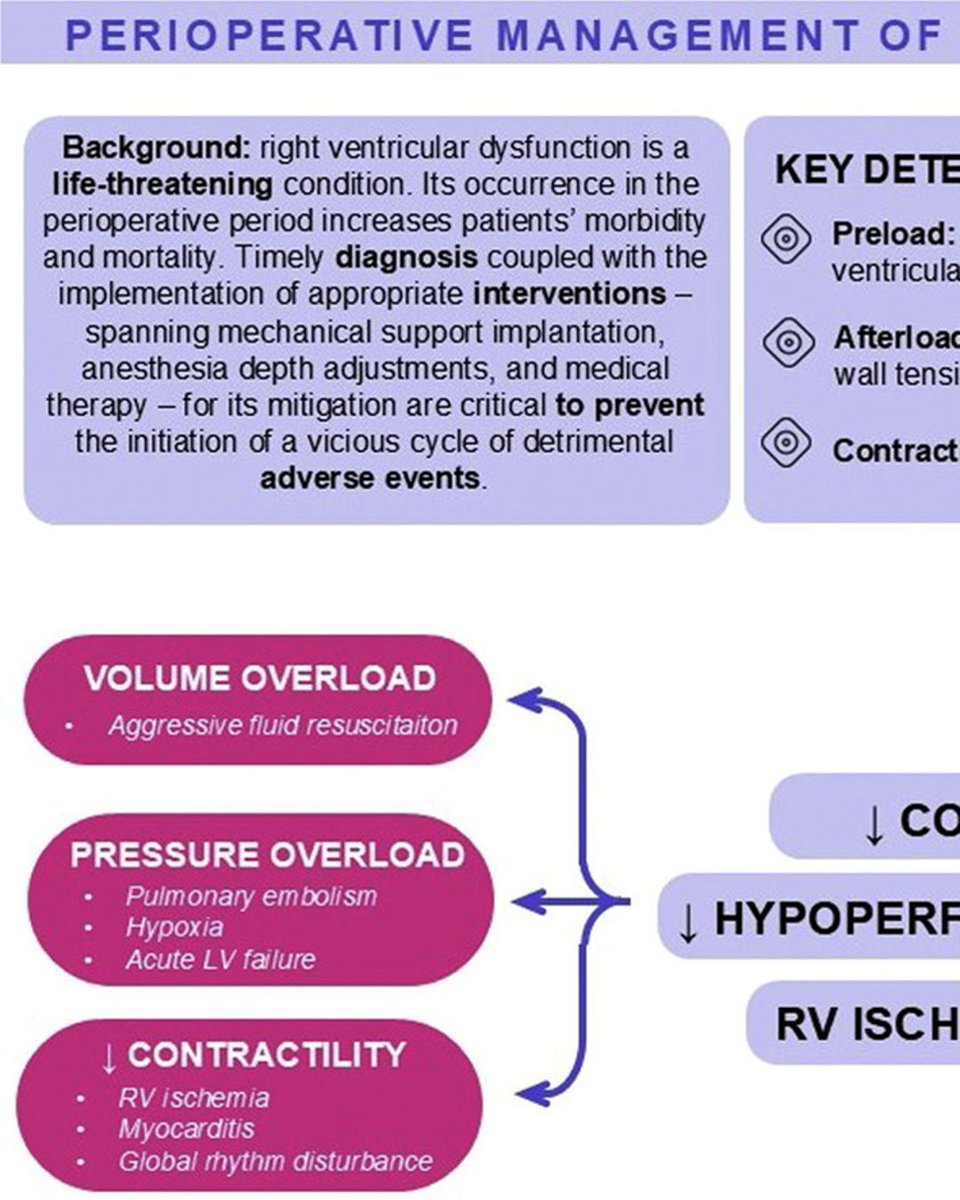
Identification, Evaluation, and Management of Perioperative Right Ventricular Dysfunction in Noncardiac Surgery: A Multimodal Approach
https://t.co/UYvWxeUu6D
Graphical Abstract
Can you predict LCOS after mitral surgery?
DOI: 10.1186s44158-025-00288-1
-GLS >−19.1% screams LCOS risk in mitral surgery. A real game-changer.
-GLS >−19.1% lights up LCOS risk. Mitral surgery just got sharper.
-Breaking: GLS >−19.1% is a bold new LCOS warning sign.
I am pleased to serve as guest editor alongside @md_monaco@JDAndriaUrsoleo for a special themed issue on cardiogenic shock and cardiac arrest in @FrontMedicine - please consider submitting your papers to us!
https://t.co/JoQH0w7ZUE